Zoo \ Lemur

The Krafsur Family Lemur Exhibit, also fondly referred to as Lemur Land, is a unique enclosure. The exhibit is situated on a side path that descends along a steep slope, and visitors are welcome to enter the enclosure by passing through double doors. Immediately upon entry, one meets up with four different types of lemur, all of them wandering freely in a broad and spacious enclosure, with no partitions or obstructions coming between them and their human visitors. The residents of Lemur Land include the Ring-tailed lemur (Lemur catta), the Brown lemur (Lemur fulvus fulvus), the Black-and-white ruffed lemur (Varecia variegata variegata), and the Red ruffed lemur (Varecia variegata rubra). The exhibit is staffed at all times by keepers, volunteers, or guides, who are always ready to provide explanations regarding the lemurs and their forest habitats on the island of Madagascar.
Whenever you visit the zoo, please note the opening hours for this particular exhibit.
http://www.jerusalemzoo.org.il/english/upload/tour/lemur.html
Whenever you visit the zoo, please note the opening hours for this particular exhibit.
http://www.jerusalemzoo.org.il/english/upload/tour/lemur.html
 © RomKri
Al Quds University, Jerusalem
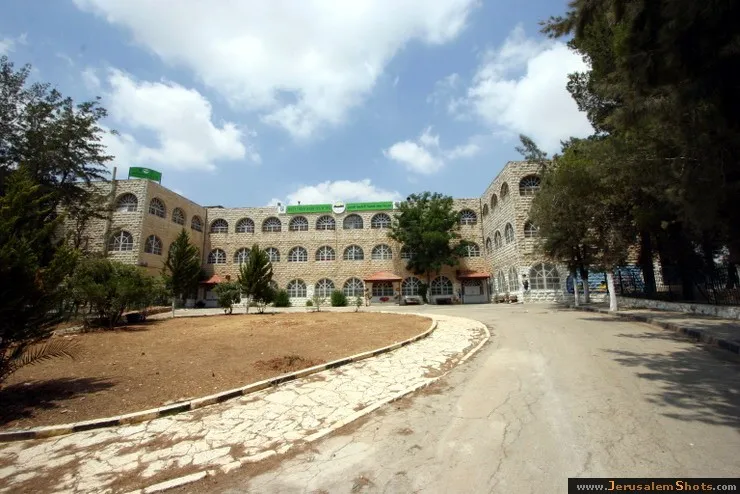
10.08.2009
Al-Quds University is a Palestinian University in Jerusalem. It was founded in 1984, but its official constitution was written in 1993 when Mohammed Nusseibeh, its first Chancellor and Chancellor of the College of Science and Technology, announced its formation.
Al-Quds University is a Palestinian University in Jerusalem. It was founded in 1984, but its official constitution was written in 1993 when Mohammed Nusseibeh, its first Chancellor and Chancellor of the College of Science and Technology, announced its formation.


 © Valery Dembitsky
When, when will launch a tram?

Yad Vashem

Some photos that have been taken when I was at Yad Vashem memorial and Military Cemetry
 © Yanovskiy Andrew
Al Quds University, Jerusalem

10.08.2009
Al-Quds University is a Palestinian University in Jerusalem. It was founded in 1984, but its official constitution was written in 1993 when Mohammed Nusseibeh, its first Chancellor and Chancellor of the College of Science and Technology, announced its formation.
Al-Quds University is a Palestinian University in Jerusalem. It was founded in 1984, but its official constitution was written in 1993 when Mohammed Nusseibeh, its first Chancellor and Chancellor of the College of Science and Technology, announced its formation.
When, when will launch a tram?
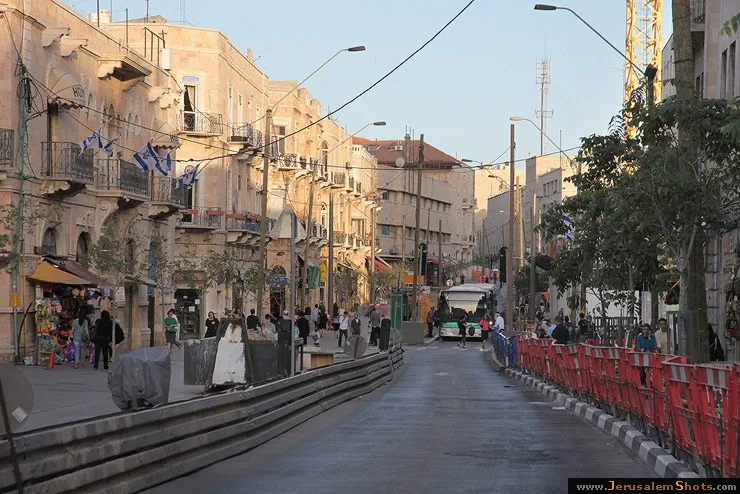
When, when will launch a tram?
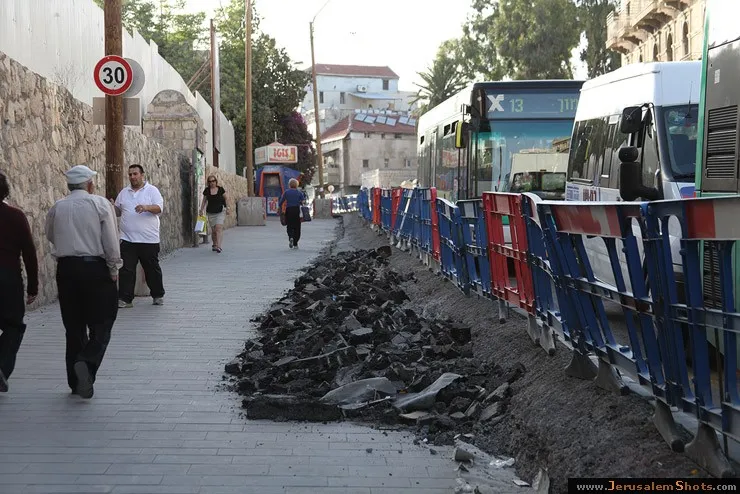
Yad Vashem

Some photos that have been taken when I was at Yad Vashem memorial and Military Cemetry
Yad Vashem
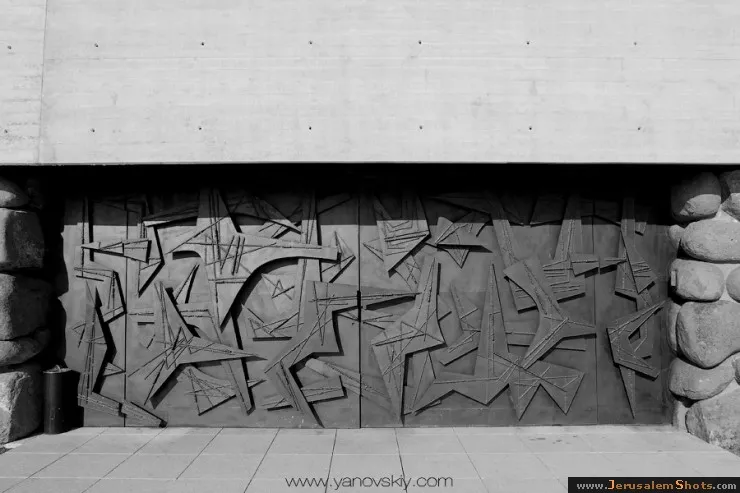
Some photos that have been taken when I was at Yad Vashem memorial and Military Cemetry
The Ancient Synagogue
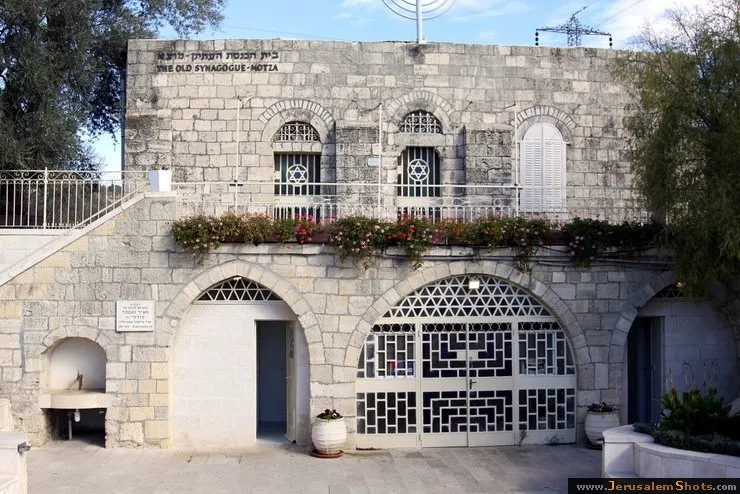
Motza is first mentioned in the Talmud (Tractate Succah) as the place where residents of Jerusalem used to cut their willow branches as one of the four species of fruits and plants required for the Festival of Sukkot.
Motza was rediscovered in 1860, when Shlomo Yecheskel and Yehoshua Yellin, residents of the Old City of Jerusalem, jointly acquired a plot of land in order to initiate and develop agriculture outside the walls of the Old City. Vineyards and trees were planted while using the local spring and well.
Motza was rediscovered in 1860, when Shlomo Yecheskel and Yehoshua Yellin, residents of the Old City of Jerusalem, jointly acquired a plot of land in order to initiate and develop agriculture outside the walls of the Old City. Vineyards and trees were planted while using the local spring and well.
When, when will launch a tram?

Al Quds University, Jerusalem
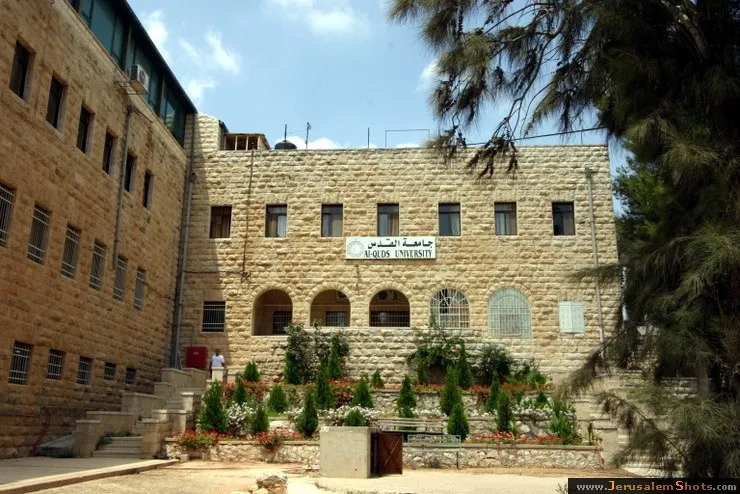
10.08.2009
Al-Quds University is a Palestinian University in Jerusalem. It was founded in 1984, but its official constitution was written in 1993 when Mohammed Nusseibeh, its first Chancellor and Chancellor of the College of Science and Technology, announced its formation.
Al-Quds University is a Palestinian University in Jerusalem. It was founded in 1984, but its official constitution was written in 1993 when Mohammed Nusseibeh, its first Chancellor and Chancellor of the College of Science and Technology, announced its formation.
Al Quds University, Jerusalem
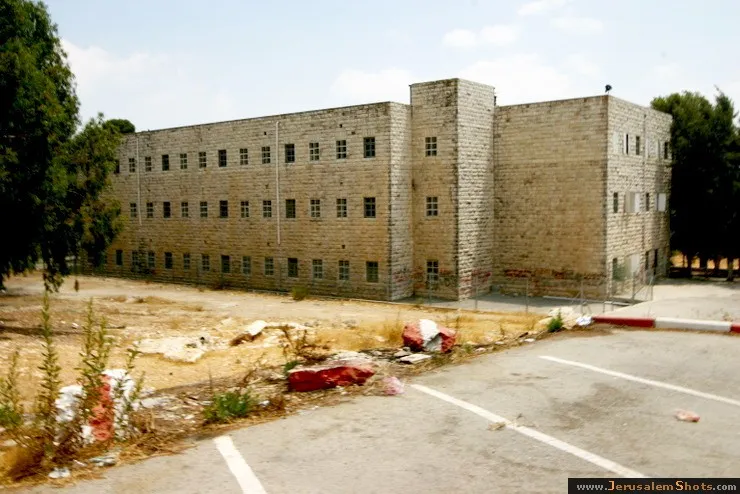
10.08.2009
Al-Quds University is a Palestinian University in Jerusalem. It was founded in 1984, but its official constitution was written in 1993 when Mohammed Nusseibeh, its first Chancellor and Chancellor of the College of Science and Technology, announced its formation.
Al-Quds University is a Palestinian University in Jerusalem. It was founded in 1984, but its official constitution was written in 1993 when Mohammed Nusseibeh, its first Chancellor and Chancellor of the College of Science and Technology, announced its formation.
Al Quds University, Jerusalem
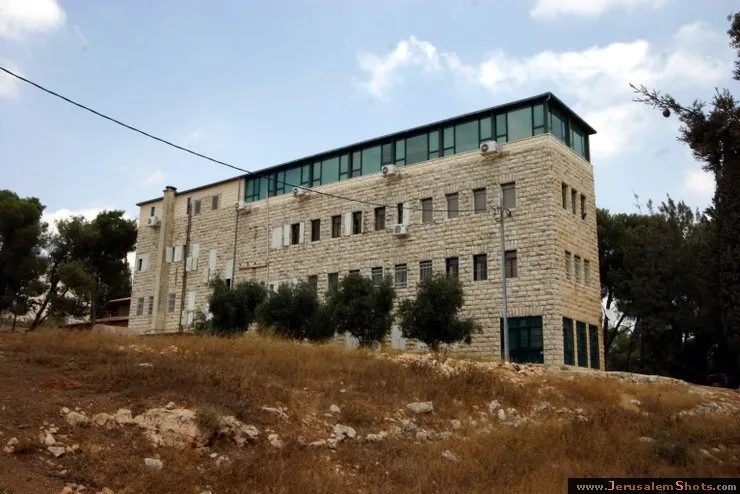
10.08.2009
Al-Quds University is a Palestinian University in Jerusalem. It was founded in 1984, but its official constitution was written in 1993 when Mohammed Nusseibeh, its first Chancellor and Chancellor of the College of Science and Technology, announced its formation.
Al-Quds University is a Palestinian University in Jerusalem. It was founded in 1984, but its official constitution was written in 1993 when Mohammed Nusseibeh, its first Chancellor and Chancellor of the College of Science and Technology, announced its formation.
Al Quds University, Jerusalem
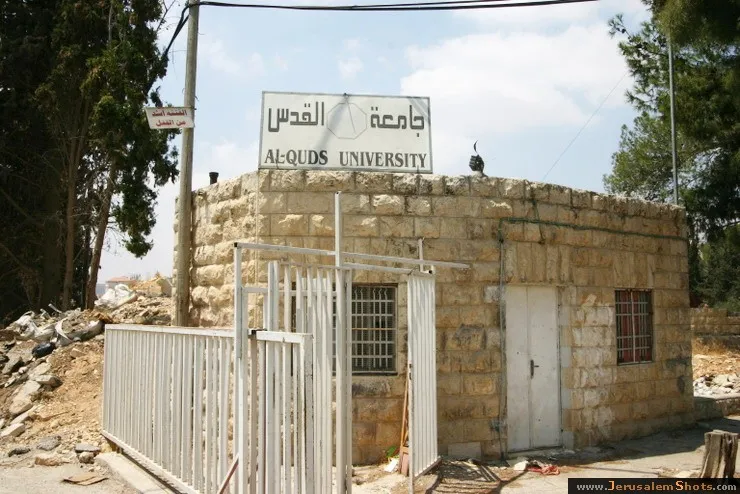
10.08.2009
Al-Quds University is a Palestinian University in Jerusalem. It was founded in 1984, but its official constitution was written in 1993 when Mohammed Nusseibeh, its first Chancellor and Chancellor of the College of Science and Technology, announced its formation.
Al-Quds University is a Palestinian University in Jerusalem. It was founded in 1984, but its official constitution was written in 1993 when Mohammed Nusseibeh, its first Chancellor and Chancellor of the College of Science and Technology, announced its formation.
When, when will launch a tram?

Great Synagogue

As early as 1923 the Chief Rabbis of Israel, Abraham Kook and Jacob Meir, mooted plans for a large central synagogue in Jerusalem. It was over 30 years later in 1958 when Heichal Shlomo, seat of the Israeli Rabbinate, was founded, that a small synagogue was established within the building. As time progressed and the need for more space grew, services were moved and held in the foyer of Heichal Shlomo. Soon afterwards, when the premises could not hold the number of worshippers attending, it was decided that a new, much larger synagogue be built.
When, when will launch a tram?

Yad Vashem

Some photos that have been taken when I was at Yad Vashem memorial and Military Cemetry
The Ancient Synagogue
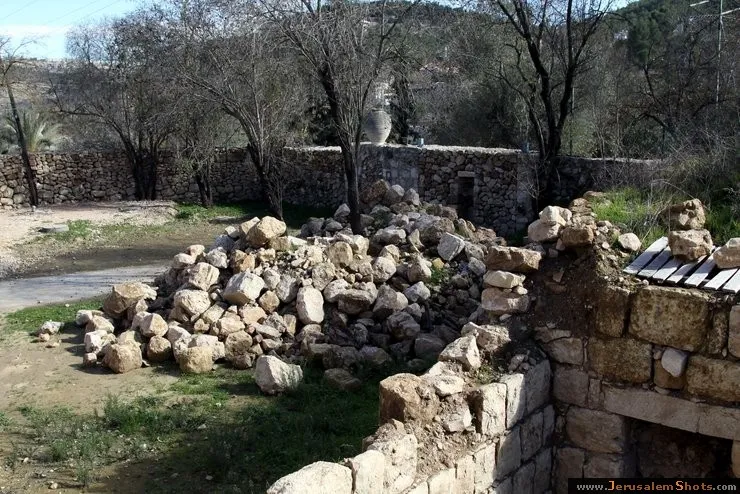
Motza is first mentioned in the Talmud (Tractate Succah) as the place where residents of Jerusalem used to cut their willow branches as one of the four species of fruits and plants required for the Festival of Sukkot.
Motza was rediscovered in 1860, when Shlomo Yecheskel and Yehoshua Yellin, residents of the Old City of Jerusalem, jointly acquired a plot of land in order to initiate and develop agriculture outside the walls of the Old City. Vineyards and trees were planted while using the local spring and well.
Motza was rediscovered in 1860, when Shlomo Yecheskel and Yehoshua Yellin, residents of the Old City of Jerusalem, jointly acquired a plot of land in order to initiate and develop agriculture outside the walls of the Old City. Vineyards and trees were planted while using the local spring and well.
The Ancient Synagogue
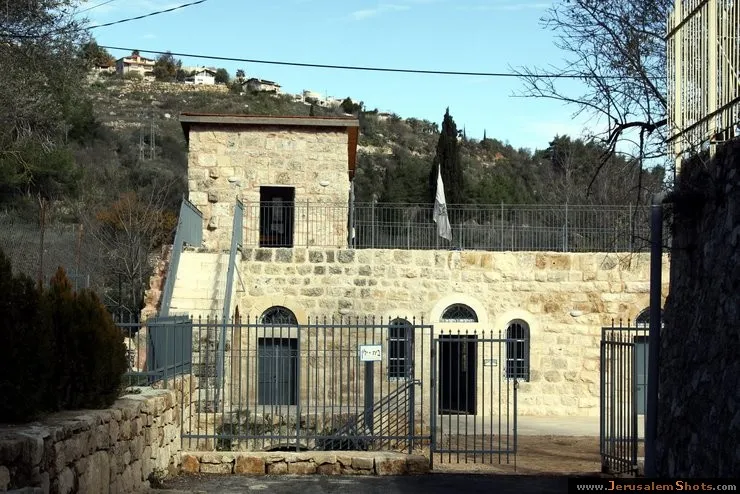
Motza is first mentioned in the Talmud (Tractate Succah) as the place where residents of Jerusalem used to cut their willow branches as one of the four species of fruits and plants required for the Festival of Sukkot.
Motza was rediscovered in 1860, when Shlomo Yecheskel and Yehoshua Yellin, residents of the Old City of Jerusalem, jointly acquired a plot of land in order to initiate and develop agriculture outside the walls of the Old City. Vineyards and trees were planted while using the local spring and well.
Motza was rediscovered in 1860, when Shlomo Yecheskel and Yehoshua Yellin, residents of the Old City of Jerusalem, jointly acquired a plot of land in order to initiate and develop agriculture outside the walls of the Old City. Vineyards and trees were planted while using the local spring and well.
The Ancient Synagogue

Motza is first mentioned in the Talmud (Tractate Succah) as the place where residents of Jerusalem used to cut their willow branches as one of the four species of fruits and plants required for the Festival of Sukkot.
Motza was rediscovered in 1860, when Shlomo Yecheskel and Yehoshua Yellin, residents of the Old City of Jerusalem, jointly acquired a plot of land in order to initiate and develop agriculture outside the walls of the Old City. Vineyards and trees were planted while using the local spring and well.
Motza was rediscovered in 1860, when Shlomo Yecheskel and Yehoshua Yellin, residents of the Old City of Jerusalem, jointly acquired a plot of land in order to initiate and develop agriculture outside the walls of the Old City. Vineyards and trees were planted while using the local spring and well.
Yad Vashem

Some photos that have been taken when I was at Yad Vashem memorial and Military Cemetry
Al Quds University, Jerusalem
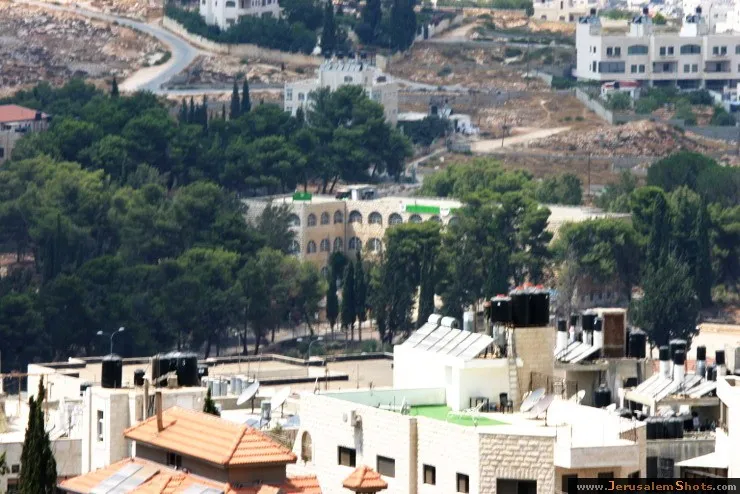
10.08.2009
Al-Quds University is a Palestinian University in Jerusalem. It was founded in 1984, but its official constitution was written in 1993 when Mohammed Nusseibeh, its first Chancellor and Chancellor of the College of Science and Technology, announced its formation.
Al-Quds University is a Palestinian University in Jerusalem. It was founded in 1984, but its official constitution was written in 1993 when Mohammed Nusseibeh, its first Chancellor and Chancellor of the College of Science and Technology, announced its formation.
The Ancient Synagogue
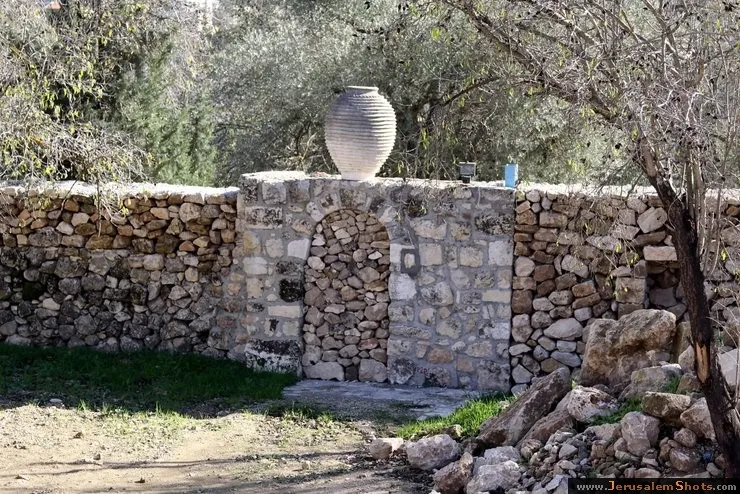
Motza is first mentioned in the Talmud (Tractate Succah) as the place where residents of Jerusalem used to cut their willow branches as one of the four species of fruits and plants required for the Festival of Sukkot.
Motza was rediscovered in 1860, when Shlomo Yecheskel and Yehoshua Yellin, residents of the Old City of Jerusalem, jointly acquired a plot of land in order to initiate and develop agriculture outside the walls of the Old City. Vineyards and trees were planted while using the local spring and well.
Motza was rediscovered in 1860, when Shlomo Yecheskel and Yehoshua Yellin, residents of the Old City of Jerusalem, jointly acquired a plot of land in order to initiate and develop agriculture outside the walls of the Old City. Vineyards and trees were planted while using the local spring and well.
The Ancient Synagogue
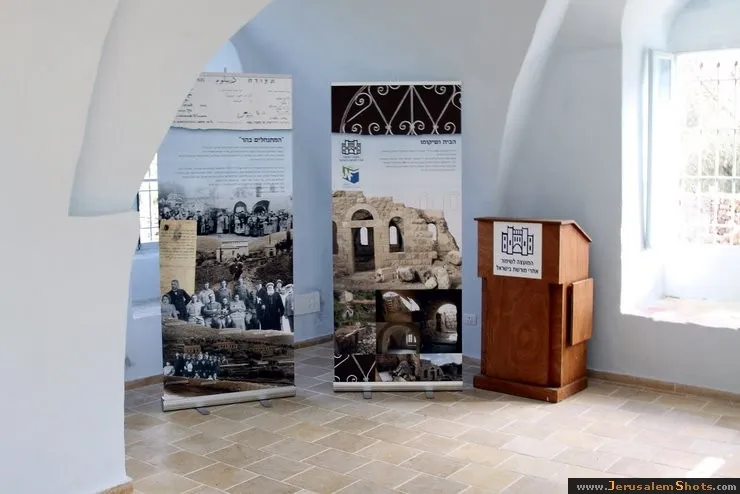
Motza is first mentioned in the Talmud (Tractate Succah) as the place where residents of Jerusalem used to cut their willow branches as one of the four species of fruits and plants required for the Festival of Sukkot.
Motza was rediscovered in 1860, when Shlomo Yecheskel and Yehoshua Yellin, residents of the Old City of Jerusalem, jointly acquired a plot of land in order to initiate and develop agriculture outside the walls of the Old City. Vineyards and trees were planted while using the local spring and well.
Motza was rediscovered in 1860, when Shlomo Yecheskel and Yehoshua Yellin, residents of the Old City of Jerusalem, jointly acquired a plot of land in order to initiate and develop agriculture outside the walls of the Old City. Vineyards and trees were planted while using the local spring and well.
The Ancient Synagogue

Motza is first mentioned in the Talmud (Tractate Succah) as the place where residents of Jerusalem used to cut their willow branches as one of the four species of fruits and plants required for the Festival of Sukkot.
Motza was rediscovered in 1860, when Shlomo Yecheskel and Yehoshua Yellin, residents of the Old City of Jerusalem, jointly acquired a plot of land in order to initiate and develop agriculture outside the walls of the Old City. Vineyards and trees were planted while using the local spring and well.
Motza was rediscovered in 1860, when Shlomo Yecheskel and Yehoshua Yellin, residents of the Old City of Jerusalem, jointly acquired a plot of land in order to initiate and develop agriculture outside the walls of the Old City. Vineyards and trees were planted while using the local spring and well.
The Ancient Synagogue
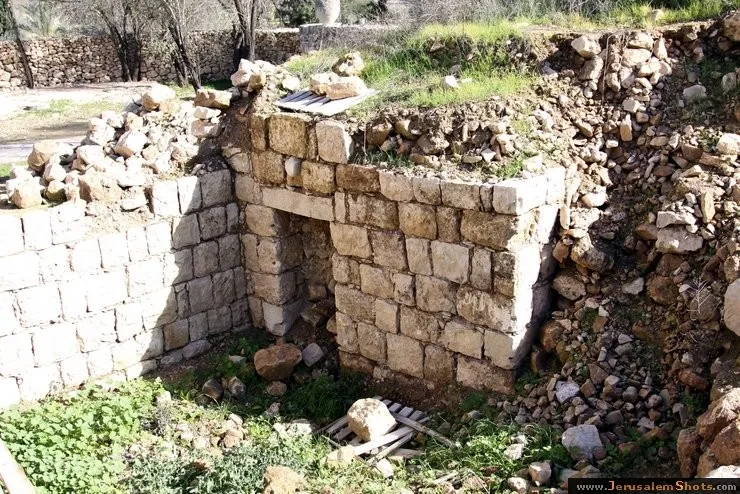
Motza is first mentioned in the Talmud (Tractate Succah) as the place where residents of Jerusalem used to cut their willow branches as one of the four species of fruits and plants required for the Festival of Sukkot.
Motza was rediscovered in 1860, when Shlomo Yecheskel and Yehoshua Yellin, residents of the Old City of Jerusalem, jointly acquired a plot of land in order to initiate and develop agriculture outside the walls of the Old City. Vineyards and trees were planted while using the local spring and well.
Motza was rediscovered in 1860, when Shlomo Yecheskel and Yehoshua Yellin, residents of the Old City of Jerusalem, jointly acquired a plot of land in order to initiate and develop agriculture outside the walls of the Old City. Vineyards and trees were planted while using the local spring and well.
The Ancient Synagogue

Motza is first mentioned in the Talmud (Tractate Succah) as the place where residents of Jerusalem used to cut their willow branches as one of the four species of fruits and plants required for the Festival of Sukkot.
Motza was rediscovered in 1860, when Shlomo Yecheskel and Yehoshua Yellin, residents of the Old City of Jerusalem, jointly acquired a plot of land in order to initiate and develop agriculture outside the walls of the Old City. Vineyards and trees were planted while using the local spring and well.
Motza was rediscovered in 1860, when Shlomo Yecheskel and Yehoshua Yellin, residents of the Old City of Jerusalem, jointly acquired a plot of land in order to initiate and develop agriculture outside the walls of the Old City. Vineyards and trees were planted while using the local spring and well.
The Ancient Synagogue
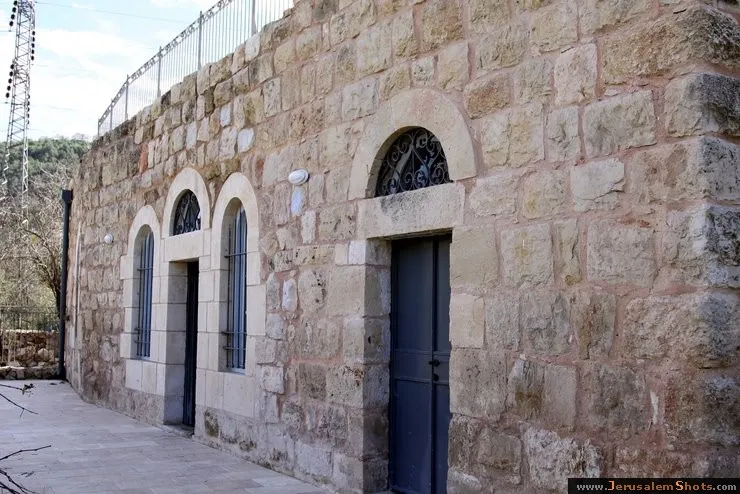
Motza is first mentioned in the Talmud (Tractate Succah) as the place where residents of Jerusalem used to cut their willow branches as one of the four species of fruits and plants required for the Festival of Sukkot.
Motza was rediscovered in 1860, when Shlomo Yecheskel and Yehoshua Yellin, residents of the Old City of Jerusalem, jointly acquired a plot of land in order to initiate and develop agriculture outside the walls of the Old City. Vineyards and trees were planted while using the local spring and well.
Motza was rediscovered in 1860, when Shlomo Yecheskel and Yehoshua Yellin, residents of the Old City of Jerusalem, jointly acquired a plot of land in order to initiate and develop agriculture outside the walls of the Old City. Vineyards and trees were planted while using the local spring and well.
Zoo \ The Asian Elephants

The Jerusalem Biblical Zoo is especially proud of its elephant exhibit. The Sarah Haefner Elephant House and Enclosure is home to a herd of four elephant cows brought here from Thailand. Our females are now once again enjoying the company of a young Israeli-born male named Teddy, who joined them in September 2001. The elephants all belong to the Asiatic species Elephas maximus.
Our elephant keepers work with the animals using methods similar to those employed in Thailand. These methods involve having the keeper accompany the elephant at all times throughout most of the day. In Thailand, a keeper is involved in more than simple, basic animal care such as cleaning, feeding, and caring for the animal's surroundings and living arrangements; rather, he also functions as a trainer, developing the elephant's skills in performing tasks such as the pushing and hauling of heavy tree trunks. By making use of this system in our zoo, we can afford to enrich the elephant's experience with stimulating activities, for instance walks outside the compound and throughout the zoo. Apart from enhancing the elephant's health and welfare, such walks are also a source of entertainment for our visitors, who are thrilled at the sight of a row of elephants marching in single file, with each trunk grasping the tail in front of it. In addition, such intimate handling of the elephant herd allows us to simplify medical treatment, and easily perform basic procedures such as injections and blood tests. Under different circumstances, when elephants are not appropriately trained, such procedures can be quite complex, and anesthesia is required.
We are happy to illustrate the special skills that our elephants have acquired by conducting elephant demonstrations in the exhibit on a regular basis. These demonstrations take place during holidays, as well as throughout the summer break.
http://www.jerusalemzoo.org.il/english/upload/tour/elephants.html
Our elephant keepers work with the animals using methods similar to those employed in Thailand. These methods involve having the keeper accompany the elephant at all times throughout most of the day. In Thailand, a keeper is involved in more than simple, basic animal care such as cleaning, feeding, and caring for the animal's surroundings and living arrangements; rather, he also functions as a trainer, developing the elephant's skills in performing tasks such as the pushing and hauling of heavy tree trunks. By making use of this system in our zoo, we can afford to enrich the elephant's experience with stimulating activities, for instance walks outside the compound and throughout the zoo. Apart from enhancing the elephant's health and welfare, such walks are also a source of entertainment for our visitors, who are thrilled at the sight of a row of elephants marching in single file, with each trunk grasping the tail in front of it. In addition, such intimate handling of the elephant herd allows us to simplify medical treatment, and easily perform basic procedures such as injections and blood tests. Under different circumstances, when elephants are not appropriately trained, such procedures can be quite complex, and anesthesia is required.
We are happy to illustrate the special skills that our elephants have acquired by conducting elephant demonstrations in the exhibit on a regular basis. These demonstrations take place during holidays, as well as throughout the summer break.
http://www.jerusalemzoo.org.il/english/upload/tour/elephants.html
Al-Aqsa Mosque

I shotted this picture when I arrived to Jerusalem I found that Mosque (Al-Aqsa) really interesting.
I hope you'll like it.
I think Jerusalem was, is and will be always an Eternal city with that wonderful magic, miracles, culture, but the most important... The steps of Jesus, our Lord.
Greetings from Guadalajara Mexico
I hope you'll like it.
I think Jerusalem was, is and will be always an Eternal city with that wonderful magic, miracles, culture, but the most important... The steps of Jesus, our Lord.
Greetings from Guadalajara Mexico
 © Erick Rodriguez
King David Playing His Harp

We were touring the City of David when we ran across King David himself playing his harp. He was accompanied by a cameraman, producer, and other members of his entourage
 © Al Teich
Zoo \ The Asian Elephants

The Jerusalem Biblical Zoo is especially proud of its elephant exhibit. The Sarah Haefner Elephant House and Enclosure is home to a herd of four elephant cows brought here from Thailand. Our females are now once again enjoying the company of a young Israeli-born male named Teddy, who joined them in September 2001. The elephants all belong to the Asiatic species Elephas maximus.
Our elephant keepers work with the animals using methods similar to those employed in Thailand. These methods involve having the keeper accompany the elephant at all times throughout most of the day. In Thailand, a keeper is involved in more than simple, basic animal care such as cleaning, feeding, and caring for the animal's surroundings and living arrangements; rather, he also functions as a trainer, developing the elephant's skills in performing tasks such as the pushing and hauling of heavy tree trunks. By making use of this system in our zoo, we can afford to enrich the elephant's experience with stimulating activities, for instance walks outside the compound and throughout the zoo. Apart from enhancing the elephant's health and welfare, such walks are also a source of entertainment for our visitors, who are thrilled at the sight of a row of elephants marching in single file, with each trunk grasping the tail in front of it. In addition, such intimate handling of the elephant herd allows us to simplify medical treatment, and easily perform basic procedures such as injections and blood tests. Under different circumstances, when elephants are not appropriately trained, such procedures can be quite complex, and anesthesia is required.
We are happy to illustrate the special skills that our elephants have acquired by conducting elephant demonstrations in the exhibit on a regular basis. These demonstrations take place during holidays, as well as throughout the summer break.
http://www.jerusalemzoo.org.il/english/upload/tour/elephants.html
Our elephant keepers work with the animals using methods similar to those employed in Thailand. These methods involve having the keeper accompany the elephant at all times throughout most of the day. In Thailand, a keeper is involved in more than simple, basic animal care such as cleaning, feeding, and caring for the animal's surroundings and living arrangements; rather, he also functions as a trainer, developing the elephant's skills in performing tasks such as the pushing and hauling of heavy tree trunks. By making use of this system in our zoo, we can afford to enrich the elephant's experience with stimulating activities, for instance walks outside the compound and throughout the zoo. Apart from enhancing the elephant's health and welfare, such walks are also a source of entertainment for our visitors, who are thrilled at the sight of a row of elephants marching in single file, with each trunk grasping the tail in front of it. In addition, such intimate handling of the elephant herd allows us to simplify medical treatment, and easily perform basic procedures such as injections and blood tests. Under different circumstances, when elephants are not appropriately trained, such procedures can be quite complex, and anesthesia is required.
We are happy to illustrate the special skills that our elephants have acquired by conducting elephant demonstrations in the exhibit on a regular basis. These demonstrations take place during holidays, as well as throughout the summer break.
http://www.jerusalemzoo.org.il/english/upload/tour/elephants.html
Jewish Generations
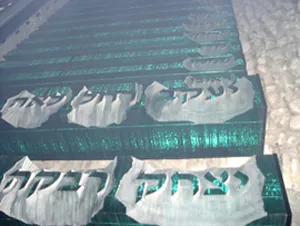
This photo was taken at the new glass exhibit adjacent to the Kotel. A must visit when in Jerusalem.
Broken Links
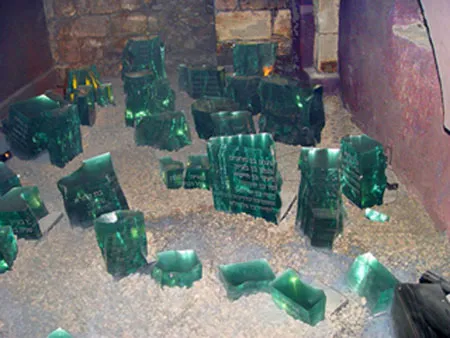
Taken at the new exhibition next to the Kotel. A must see when visiting Jerusalem.