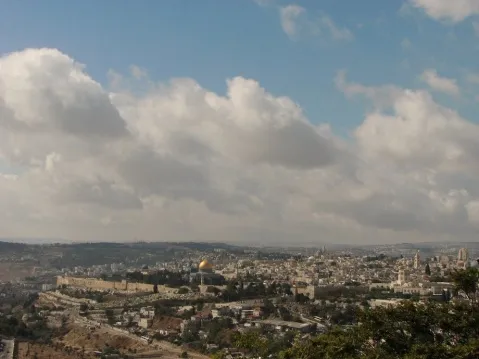
Old City \ Stone Architecture in the Old City
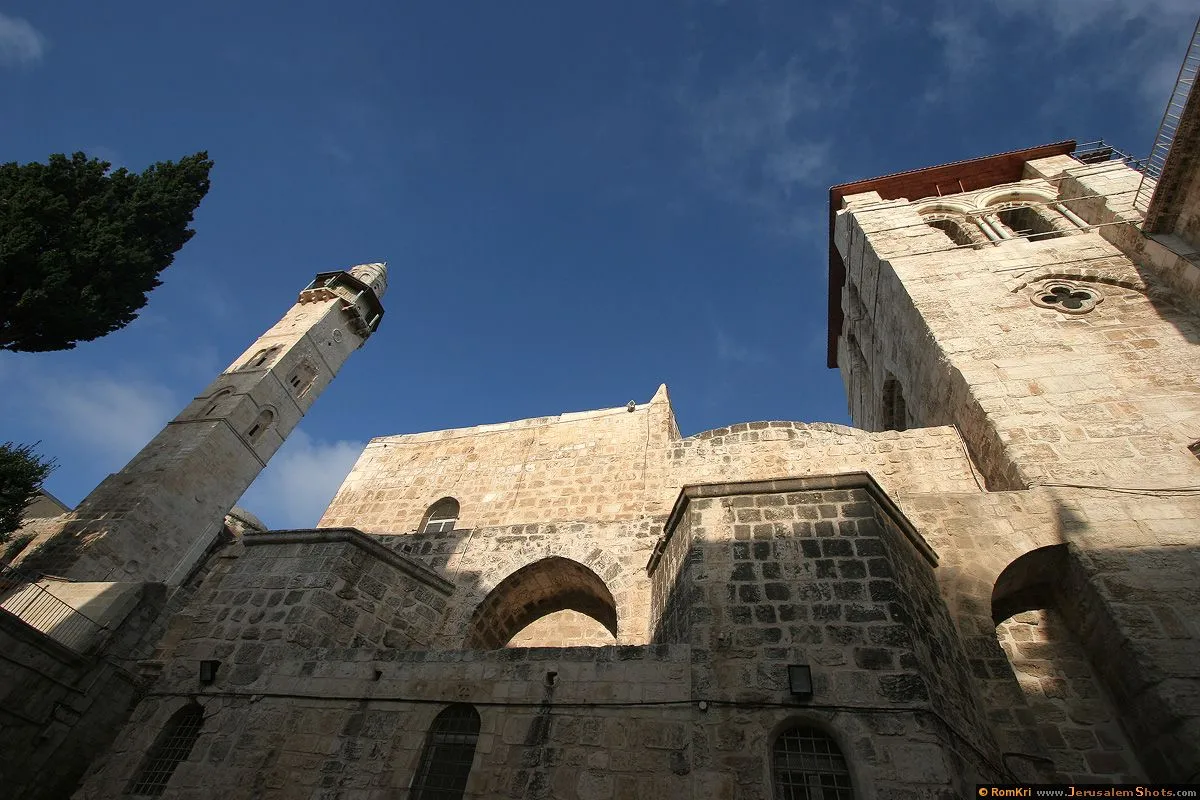
A view of ancient stone buildings and a minaret under a clear blue sky.
 © RomKri
Solomon Stables under the Temple Mount
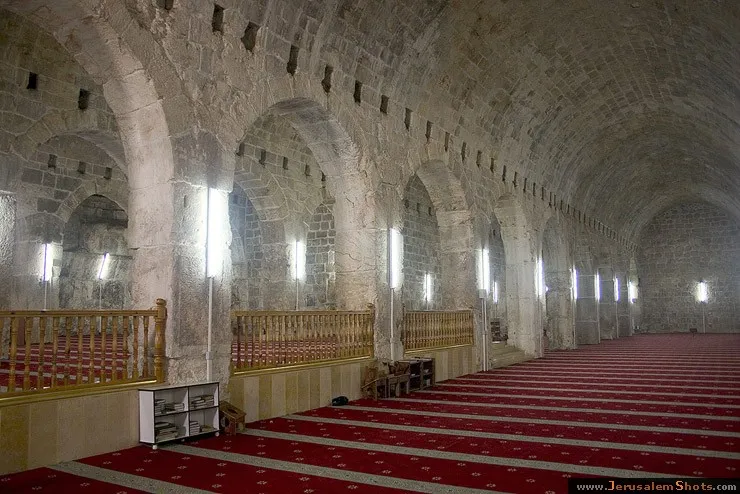
 © Ron Peled
Old City \ St. James Cathedral in the Old City
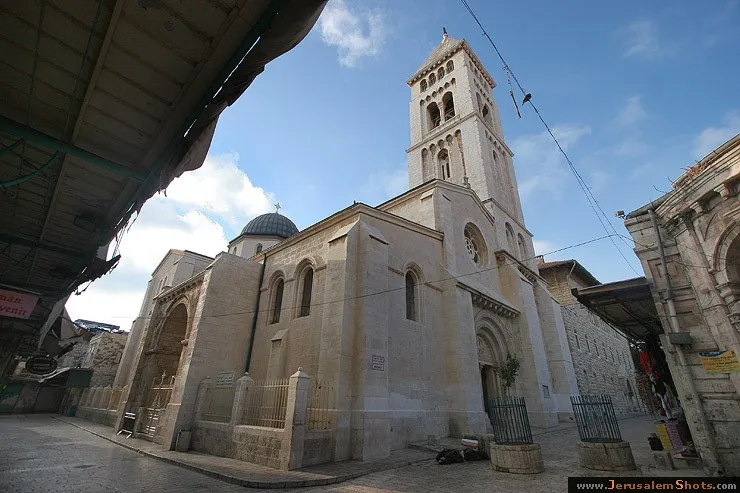
A view of the stone architecture of the beautiful St. James Cathedral in Jerusalem.
Gehenna
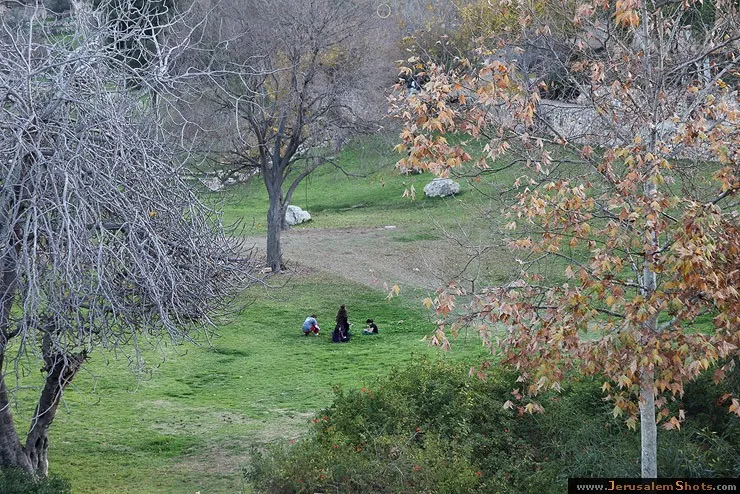
Gehenna, gehinnam, or gehinnom (Hebrew: גהנום, גהנם, Greek γεεννα) are words used in Jewish and Christian writings for the place where evil people go in the afterlife (see Hell). The name is derived from a geographical site in Jerusalem known as the Valley of Hinnom, one of the two principal valleys surrounding the Old City. Initially the site where idolatrous Jews sacrificed their children to the god Molech (2 Chr. 28:3, 33:6; Jer. 7:31, 19:2-6), the valley later became the common wasteyard for all the refuse of Jerusalem. Here the dead bodies of animals and of criminals, and rubbish, were cast and, according to legend, consumed by a constant fire. In time it became the image of the place of everlasting destruction in Jewish tradition[1]. However, Jewish tradition suggests the valley had a 'gate' which led down to a molten lake of fire. (Possibly 'The furnace of Yahweh' in Zion to which Isaiah refers 31:9, 30:33). It is unknown whether this 'gate' was an actual geophysical feature within the valley that provided the focus for cultic activity (2 Kings 23:10) or simply a metaphorical identification with the entrance to the underworld that had come to be associated with the valley.
Gehenna is cited in the New Testament and in early Christian writing to represent the final place where the wicked will be punished or destroyed after resurrection. In both Rabbinical Jewish and Christian writing, Gehenna as a destination of the wicked is different from Sheol or Hades, the abode of the dead.
Taken from wikipedia.org
Gehenna is cited in the New Testament and in early Christian writing to represent the final place where the wicked will be punished or destroyed after resurrection. In both Rabbinical Jewish and Christian writing, Gehenna as a destination of the wicked is different from Sheol or Hades, the abode of the dead.
Taken from wikipedia.org
Gehenna
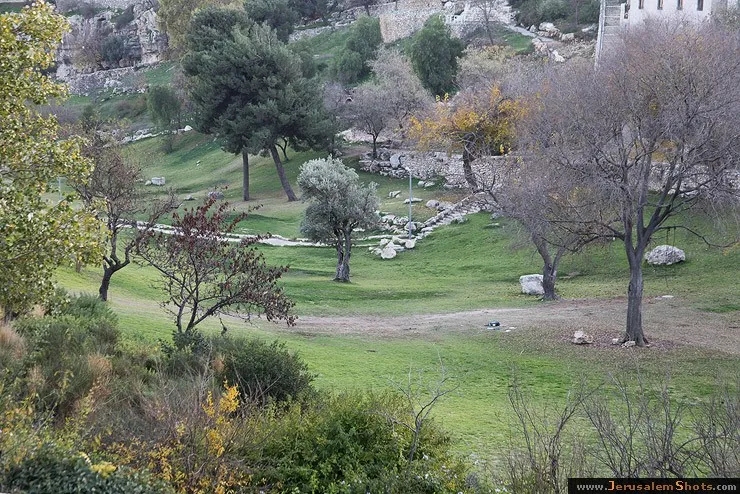
Gehenna, gehinnam, or gehinnom (Hebrew: גהנום, גהנם, Greek γεεννα) are words used in Jewish and Christian writings for the place where evil people go in the afterlife (see Hell). The name is derived from a geographical site in Jerusalem known as the Valley of Hinnom, one of the two principal valleys surrounding the Old City. Initially the site where idolatrous Jews sacrificed their children to the god Molech (2 Chr. 28:3, 33:6; Jer. 7:31, 19:2-6), the valley later became the common wasteyard for all the refuse of Jerusalem. Here the dead bodies of animals and of criminals, and rubbish, were cast and, according to legend, consumed by a constant fire. In time it became the image of the place of everlasting destruction in Jewish tradition[1]. However, Jewish tradition suggests the valley had a 'gate' which led down to a molten lake of fire. (Possibly 'The furnace of Yahweh' in Zion to which Isaiah refers 31:9, 30:33). It is unknown whether this 'gate' was an actual geophysical feature within the valley that provided the focus for cultic activity (2 Kings 23:10) or simply a metaphorical identification with the entrance to the underworld that had come to be associated with the valley.
Gehenna is cited in the New Testament and in early Christian writing to represent the final place where the wicked will be punished or destroyed after resurrection. In both Rabbinical Jewish and Christian writing, Gehenna as a destination of the wicked is different from Sheol or Hades, the abode of the dead.
Taken from wikipedia.org
Gehenna is cited in the New Testament and in early Christian writing to represent the final place where the wicked will be punished or destroyed after resurrection. In both Rabbinical Jewish and Christian writing, Gehenna as a destination of the wicked is different from Sheol or Hades, the abode of the dead.
Taken from wikipedia.org
Red Geraniums and Stone Architecture in Yemin Moshe
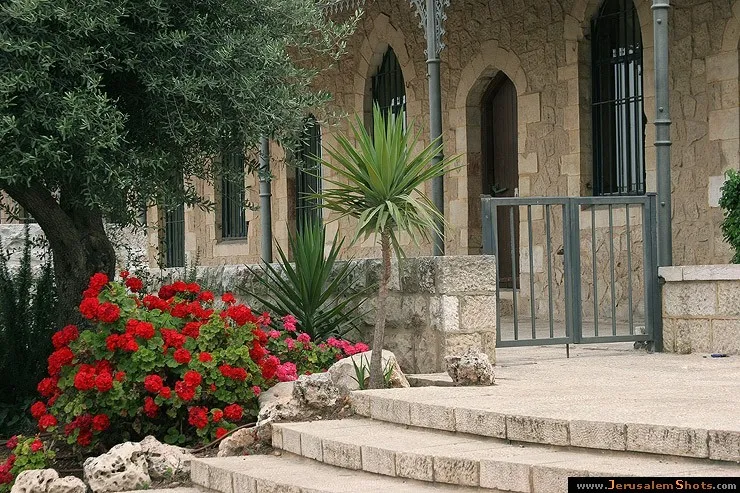
A beautiful view of bright red geraniums blooming in a peaceful Yemin Moshe neighborhood. The stone buildings and lush greenery are typical of this historic Jerusalem area.
Teddy Stadium.
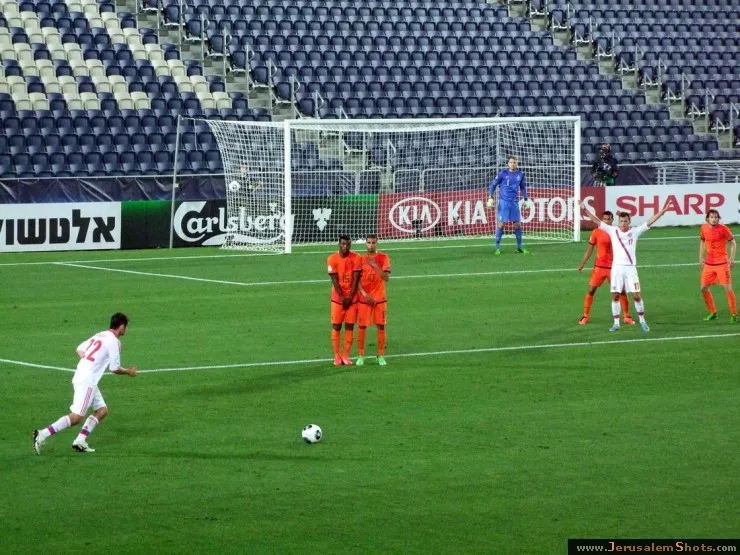
UEFA. Under 21. Championship. Israel 2013.
Netherlands - Russia.
Netherlands - Russia.

 © Pes & Lev
Nebi Samwil (The Prophet Samuel)
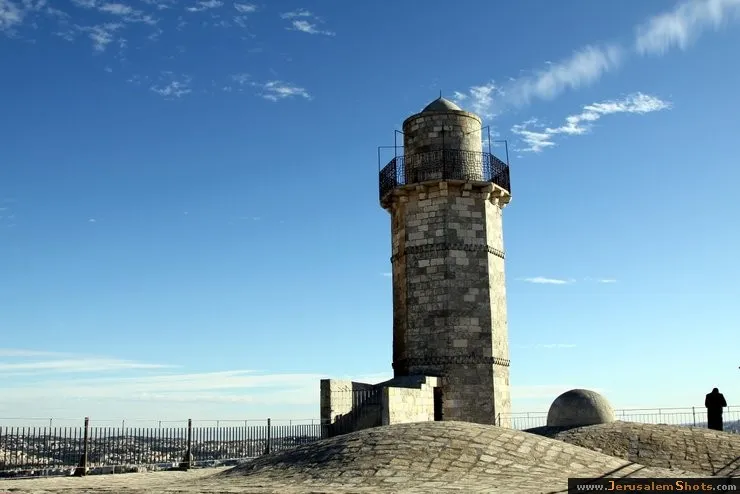
The Tomb of Samuel, (Arabic: نبي صموئيل, translit. Nebi Samwil Hebrew: קבר שמואל, translit. Kever Shmuel;), is the traditional burial site of the biblical Hebrew prophet Samuel, atop a steep hill at an elevation of 908 meters above sea level. It is situated to the north of the Jerusalem neighborhood of Ramot. On the site is a building containing a mosque built in the 18th century that was formerly a church. The tomb itself is located in an underground chamber where a small synagogue is located.

Gehenna
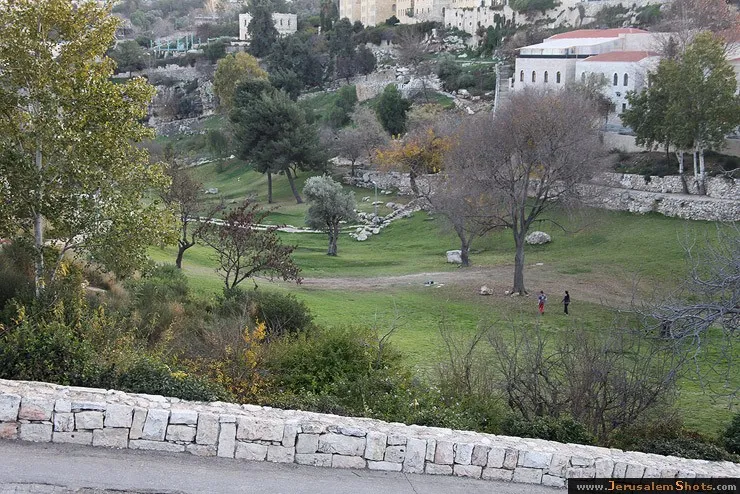
Gehenna, gehinnam, or gehinnom (Hebrew: גהנום, גהנם, Greek γεεννα) are words used in Jewish and Christian writings for the place where evil people go in the afterlife (see Hell). The name is derived from a geographical site in Jerusalem known as the Valley of Hinnom, one of the two principal valleys surrounding the Old City. Initially the site where idolatrous Jews sacrificed their children to the god Molech (2 Chr. 28:3, 33:6; Jer. 7:31, 19:2-6), the valley later became the common wasteyard for all the refuse of Jerusalem. Here the dead bodies of animals and of criminals, and rubbish, were cast and, according to legend, consumed by a constant fire. In time it became the image of the place of everlasting destruction in Jewish tradition[1]. However, Jewish tradition suggests the valley had a 'gate' which led down to a molten lake of fire. (Possibly 'The furnace of Yahweh' in Zion to which Isaiah refers 31:9, 30:33). It is unknown whether this 'gate' was an actual geophysical feature within the valley that provided the focus for cultic activity (2 Kings 23:10) or simply a metaphorical identification with the entrance to the underworld that had come to be associated with the valley.
Gehenna is cited in the New Testament and in early Christian writing to represent the final place where the wicked will be punished or destroyed after resurrection. In both Rabbinical Jewish and Christian writing, Gehenna as a destination of the wicked is different from Sheol or Hades, the abode of the dead.
Taken from wikipedia.org
Gehenna is cited in the New Testament and in early Christian writing to represent the final place where the wicked will be punished or destroyed after resurrection. In both Rabbinical Jewish and Christian writing, Gehenna as a destination of the wicked is different from Sheol or Hades, the abode of the dead.
Taken from wikipedia.org
Russian Compound

Teddy Stadium.

UEFA. Under 21. Championship. Israel 2013.
Netherlands - Russia.
Netherlands - Russia.
Teddy Stadium.

UEFA. Under 21. Championship. Israel 2013.
Netherlands - Russia.
Netherlands - Russia.
Churbat Midras

November 1994
Jerusalem Area. Churbat Midras (Turkish mosques, medresse, inns and baths?). First The Seljukids, Artuqids and Zangids and later Mamluks and lastly Ottomans. But despite this nearly 850 years long rule the Turkish heritage and contribution is often overlooked and underestimated in the literature.
Jerusalem Area. Churbat Midras (Turkish mosques, medresse, inns and baths?). First The Seljukids, Artuqids and Zangids and later Mamluks and lastly Ottomans. But despite this nearly 850 years long rule the Turkish heritage and contribution is often overlooked and underestimated in the literature.
Synagogue, Mevaseret Zion

20 July 2009
Mevaseret Zion is a suburb of Jerusalem. Today, Mevaseret Zion is composed of two distinct settlements—Maoz Zion and Mevaseret Yerushalayim—under the jurisdiction of one local council. The newer neighborhoods of Mevaseret Zion were not part of either settlement. Mevaseret Zion is located on a mountain ridge 750 meters above sea level, on the outskirts of Jerusalem.
Mevaseret Zion is a suburb of Jerusalem. Today, Mevaseret Zion is composed of two distinct settlements—Maoz Zion and Mevaseret Yerushalayim—under the jurisdiction of one local council. The newer neighborhoods of Mevaseret Zion were not part of either settlement. Mevaseret Zion is located on a mountain ridge 750 meters above sea level, on the outskirts of Jerusalem.
Teddy Stadium.

UEFA. Under 21. Championship. Israel 2013.
Netherlands - Russia.
Netherlands - Russia.
Teddy Stadium.
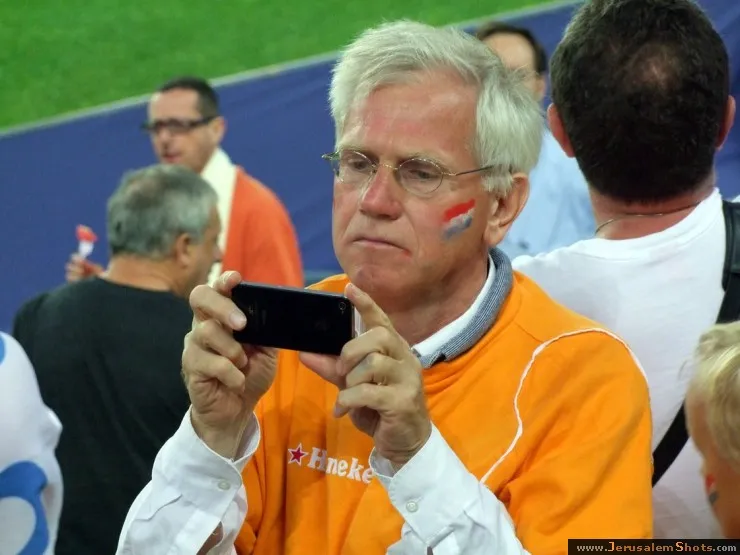
UEFA. Under 21. Championship. Israel 2013.
Netherlands - Russia.
Netherlands - Russia.
Teddy Stadium.
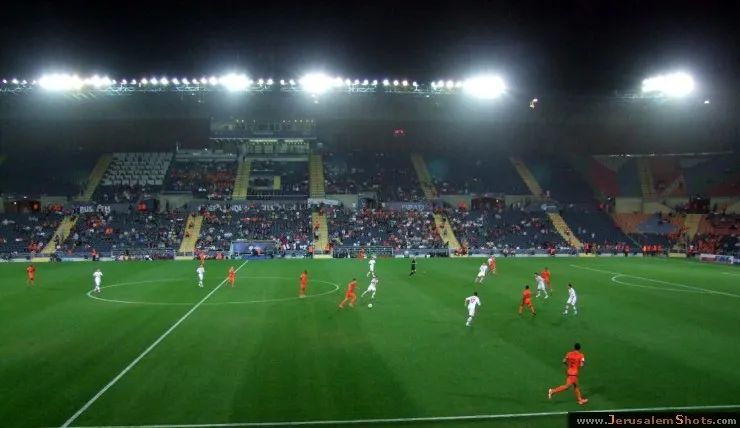
UEFA. Under 21. Championship. Israel 2013.
Netherlands - Russia.
Netherlands - Russia.
Teddy Stadium.

UEFA. Under 21. Championship. Israel 2013.
Netherlands - Russia.
Netherlands - Russia.
Teddy Stadium.
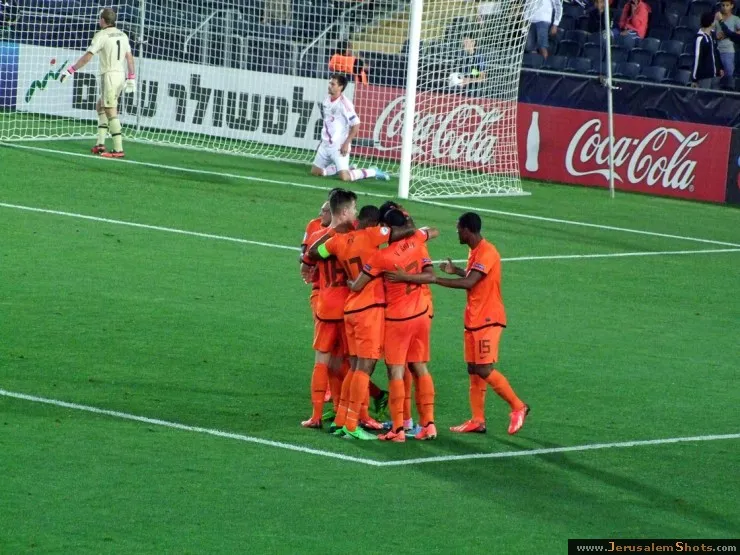
UEFA. Under 21. Championship. Israel 2013.
Netherlands - Russia.
Netherlands - Russia.
Nebi Samwil (The Prophet Samuel)
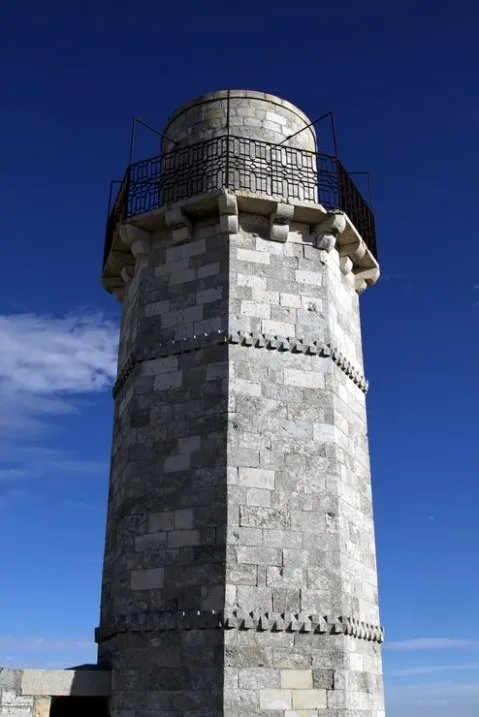
The Tomb of Samuel, (Arabic: نبي صموئيل, translit. Nebi Samwil Hebrew: קבר שמואל, translit. Kever Shmuel;), is the traditional burial site of the biblical Hebrew prophet Samuel, atop a steep hill at an elevation of 908 meters above sea level. It is situated to the north of the Jerusalem neighborhood of Ramot. On the site is a building containing a mosque built in the 18th century that was formerly a church. The tomb itself is located in an underground chamber where a small synagogue is located.
Teddy Stadium.

UEFA. Under 21. Championship. Israel 2013.
Netherlands - Russia.
Netherlands - Russia.
Old City \ Church Icon with Candles and Donations
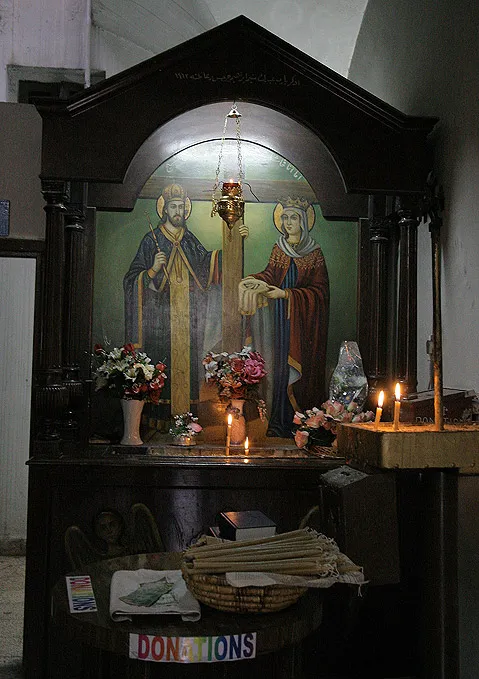
A wooden shrine inside a church features a painted icon of two crowned saints under an arch. In front of the image, an oil lamp and candles burn alongside vases of fresh flowers. Below, a basket holds unlit prayer candles next to a colorful sign asking for donations.
Synagogue, Mevaseret Zion
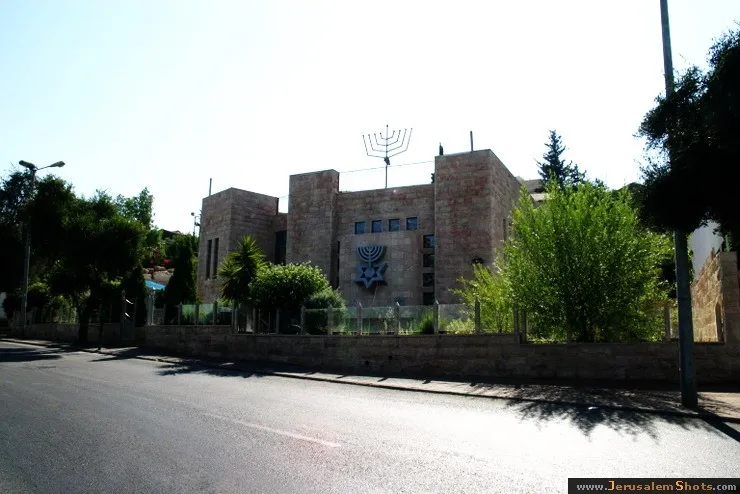
20 July 2009
Mevaseret Zion is a suburb of Jerusalem. Today, Mevaseret Zion is composed of two distinct settlements—Maoz Zion and Mevaseret Yerushalayim—under the jurisdiction of one local council. The newer neighborhoods of Mevaseret Zion were not part of either settlement. Mevaseret Zion is located on a mountain ridge 750 meters above sea level, on the outskirts of Jerusalem.
Mevaseret Zion is a suburb of Jerusalem. Today, Mevaseret Zion is composed of two distinct settlements—Maoz Zion and Mevaseret Yerushalayim—under the jurisdiction of one local council. The newer neighborhoods of Mevaseret Zion were not part of either settlement. Mevaseret Zion is located on a mountain ridge 750 meters above sea level, on the outskirts of Jerusalem.
Military Cemetery, Mt. Herzl
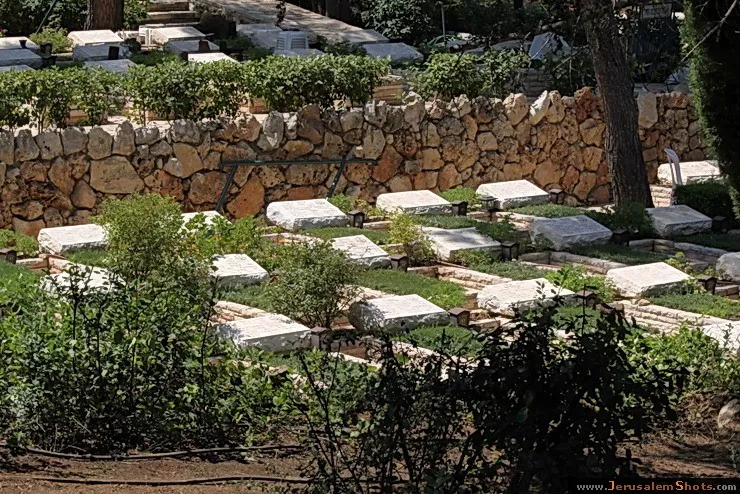
Mount Herzl, "Mount of Memory"), is a hilltop and national cemetery in Jerusalem, Israel named for Theodor Herzl, the founder of modern political Zionism. Herzl's tomb lies at the top of the hill.
Nebi Samwil (The Prophet Samuel)
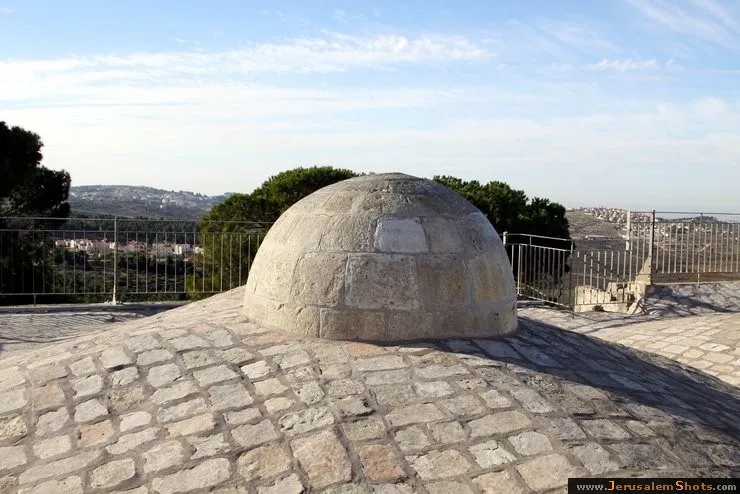
The Tomb of Samuel, (Arabic: نبي صموئيل, translit. Nebi Samwil Hebrew: קבר שמואל, translit. Kever Shmuel;), is the traditional burial site of the biblical Hebrew prophet Samuel, atop a steep hill at an elevation of 908 meters above sea level. It is situated to the north of the Jerusalem neighborhood of Ramot. On the site is a building containing a mosque built in the 18th century that was formerly a church. The tomb itself is located in an underground chamber where a small synagogue is located.
Nebi Samwil (The Prophet Samuel)

The Tomb of Samuel, (Arabic: نبي صموئيل, translit. Nebi Samwil Hebrew: קבר שמואל, translit. Kever Shmuel;), is the traditional burial site of the biblical Hebrew prophet Samuel, atop a steep hill at an elevation of 908 meters above sea level. It is situated to the north of the Jerusalem neighborhood of Ramot. On the site is a building containing a mosque built in the 18th century that was formerly a church. The tomb itself is located in an underground chamber where a small synagogue is located.
Nebi Samwil (The Prophet Samuel)

The Tomb of Samuel, (Arabic: نبي صموئيل, translit. Nebi Samwil Hebrew: קבר שמואל, translit. Kever Shmuel;), is the traditional burial site of the biblical Hebrew prophet Samuel, atop a steep hill at an elevation of 908 meters above sea level. It is situated to the north of the Jerusalem neighborhood of Ramot. On the site is a building containing a mosque built in the 18th century that was formerly a church. The tomb itself is located in an underground chamber where a small synagogue is located.
Nebi Samwil (The Prophet Samuel)
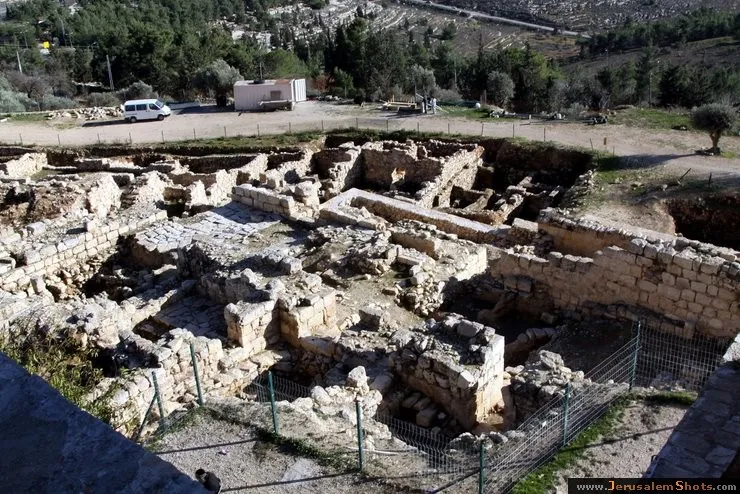
The Tomb of Samuel, (Arabic: نبي صموئيل, translit. Nebi Samwil Hebrew: קבר שמואל, translit. Kever Shmuel;), is the traditional burial site of the biblical Hebrew prophet Samuel, atop a steep hill at an elevation of 908 meters above sea level. It is situated to the north of the Jerusalem neighborhood of Ramot. On the site is a building containing a mosque built in the 18th century that was formerly a church. The tomb itself is located in an underground chamber where a small synagogue is located.
Nebi Samwil (The Prophet Samuel)

The Tomb of Samuel, (Arabic: نبي صموئيل, translit. Nebi Samwil Hebrew: קבר שמואל, translit. Kever Shmuel;), is the traditional burial site of the biblical Hebrew prophet Samuel, atop a steep hill at an elevation of 908 meters above sea level. It is situated to the north of the Jerusalem neighborhood of Ramot. On the site is a building containing a mosque built in the 18th century that was formerly a church. The tomb itself is located in an underground chamber where a small synagogue is located.
Nebi Samwil (The Prophet Samuel)

The Tomb of Samuel, (Arabic: نبي صموئيل, translit. Nebi Samwil Hebrew: קבר שמואל, translit. Kever Shmuel;), is the traditional burial site of the biblical Hebrew prophet Samuel, atop a steep hill at an elevation of 908 meters above sea level. It is situated to the north of the Jerusalem neighborhood of Ramot. On the site is a building containing a mosque built in the 18th century that was formerly a church. The tomb itself is located in an underground chamber where a small synagogue is located.
Old City \ Under the walls of the Old City.

Teddy Stadium.

UEFA. Under 21. Championship. Israel 2013.
Netherlands - Russia.
Netherlands - Russia.
Teddy Stadium.

UEFA. Under 21. Championship. Israel 2013.
Netherlands - Russia.
Netherlands - Russia.
Nebi Samwil (The Prophet Samuel)
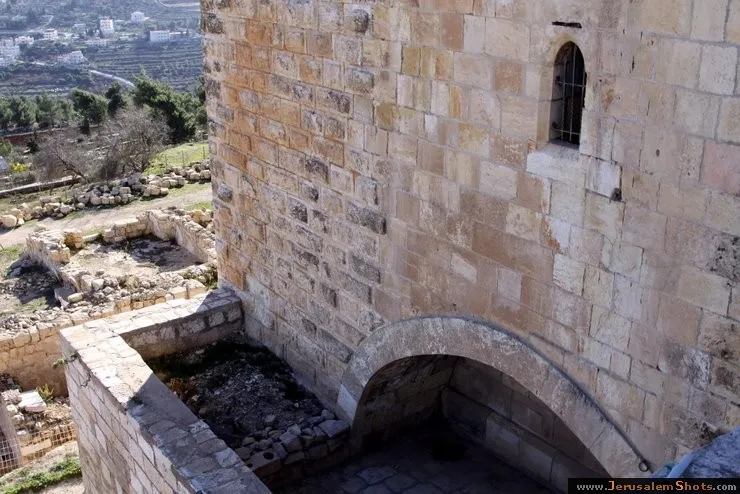
The Tomb of Samuel, (Arabic: نبي صموئيل, translit. Nebi Samwil Hebrew: קבר שמואל, translit. Kever Shmuel;), is the traditional burial site of the biblical Hebrew prophet Samuel, atop a steep hill at an elevation of 908 meters above sea level. It is situated to the north of the Jerusalem neighborhood of Ramot. On the site is a building containing a mosque built in the 18th century that was formerly a church. The tomb itself is located in an underground chamber where a small synagogue is located.
Military Cemetery, Mt. Herzl

Mount Herzl, "Mount of Memory"), is a hilltop and national cemetery in Jerusalem, Israel named for Theodor Herzl, the founder of modern political Zionism. Herzl's tomb lies at the top of the hill.
Nebi Samwil (The Prophet Samuel)
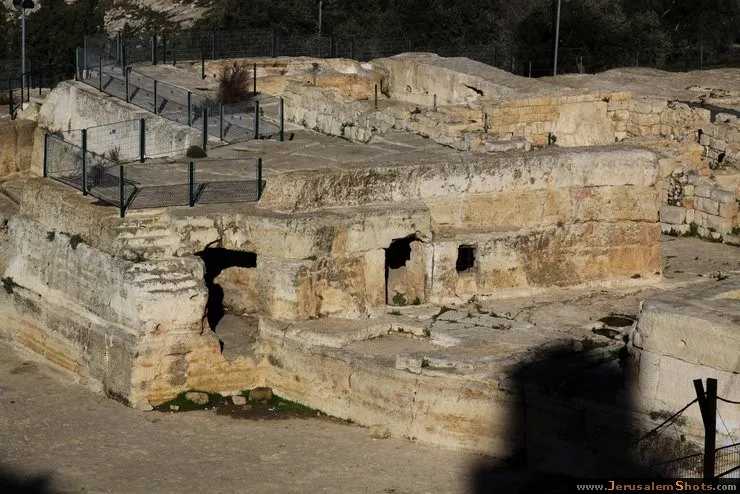
The Tomb of Samuel, (Arabic: نبي صموئيل, translit. Nebi Samwil Hebrew: קבר שמואל, translit. Kever Shmuel;), is the traditional burial site of the biblical Hebrew prophet Samuel, atop a steep hill at an elevation of 908 meters above sea level. It is situated to the north of the Jerusalem neighborhood of Ramot. On the site is a building containing a mosque built in the 18th century that was formerly a church. The tomb itself is located in an underground chamber where a small synagogue is located.
Military Cemetery, Mt. Herzl
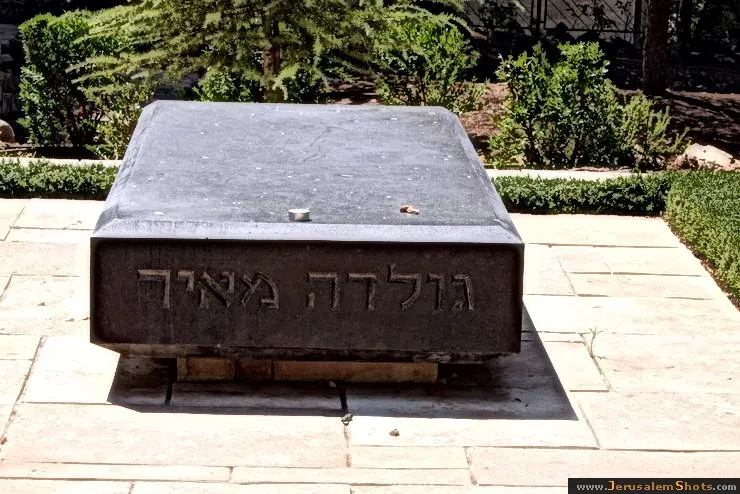
Mount Herzl, "Mount of Memory"), is a hilltop and national cemetery in Jerusalem, Israel named for Theodor Herzl, the founder of modern political Zionism. Herzl's tomb lies at the top of the hill.
The Asian Elephants

The Jerusalem Biblical Zoo is especially proud of its elephant exhibit. The Sarah Haefner Elephant House and Enclosure is home to a herd of four elephant cows brought here from Thailand. Our females are now once again enjoying the company of a young Israeli-born male named Teddy, who joined them in September 2001. The elephants all belong to the Asiatic species Elephas maximus.
Our elephant keepers work with the animals using methods similar to those employed in Thailand. These methods involve having the keeper accompany the elephant at all times throughout most of the day. In Thailand, a keeper is involved in more than simple, basic animal care such as cleaning, feeding, and caring for the animal's surroundings and living arrangements; rather, he also functions as a trainer, developing the elephant's skills in performing tasks such as the pushing and hauling of heavy tree trunks. By making use of this system in our zoo, we can afford to enrich the elephant's experience with stimulating activities, for instance walks outside the compound and throughout the zoo. Apart from enhancing the elephant's health and welfare, such walks are also a source of entertainment for our visitors, who are thrilled at the sight of a row of elephants marching in single file, with each trunk grasping the tail in front of it. In addition, such intimate handling of the elephant herd allows us to simplify medical treatment, and easily perform basic procedures such as injections and blood tests. Under different circumstances, when elephants are not appropriately trained, such procedures can be quite complex, and anesthesia is required.
We are happy to illustrate the special skills that our elephants have acquired by conducting elephant demonstrations in the exhibit on a regular basis. These demonstrations take place during holidays, as well as throughout the summer break.
http://www.jerusalemzoo.org.il/english/upload/tour/elephants.html
Our elephant keepers work with the animals using methods similar to those employed in Thailand. These methods involve having the keeper accompany the elephant at all times throughout most of the day. In Thailand, a keeper is involved in more than simple, basic animal care such as cleaning, feeding, and caring for the animal's surroundings and living arrangements; rather, he also functions as a trainer, developing the elephant's skills in performing tasks such as the pushing and hauling of heavy tree trunks. By making use of this system in our zoo, we can afford to enrich the elephant's experience with stimulating activities, for instance walks outside the compound and throughout the zoo. Apart from enhancing the elephant's health and welfare, such walks are also a source of entertainment for our visitors, who are thrilled at the sight of a row of elephants marching in single file, with each trunk grasping the tail in front of it. In addition, such intimate handling of the elephant herd allows us to simplify medical treatment, and easily perform basic procedures such as injections and blood tests. Under different circumstances, when elephants are not appropriately trained, such procedures can be quite complex, and anesthesia is required.
We are happy to illustrate the special skills that our elephants have acquired by conducting elephant demonstrations in the exhibit on a regular basis. These demonstrations take place during holidays, as well as throughout the summer break.
http://www.jerusalemzoo.org.il/english/upload/tour/elephants.html
The Asian Elephants

The Jerusalem Biblical Zoo is especially proud of its elephant exhibit. The Sarah Haefner Elephant House and Enclosure is home to a herd of four elephant cows brought here from Thailand. Our females are now once again enjoying the company of a young Israeli-born male named Teddy, who joined them in September 2001. The elephants all belong to the Asiatic species Elephas maximus.
Our elephant keepers work with the animals using methods similar to those employed in Thailand. These methods involve having the keeper accompany the elephant at all times throughout most of the day. In Thailand, a keeper is involved in more than simple, basic animal care such as cleaning, feeding, and caring for the animal's surroundings and living arrangements; rather, he also functions as a trainer, developing the elephant's skills in performing tasks such as the pushing and hauling of heavy tree trunks. By making use of this system in our zoo, we can afford to enrich the elephant's experience with stimulating activities, for instance walks outside the compound and throughout the zoo. Apart from enhancing the elephant's health and welfare, such walks are also a source of entertainment for our visitors, who are thrilled at the sight of a row of elephants marching in single file, with each trunk grasping the tail in front of it. In addition, such intimate handling of the elephant herd allows us to simplify medical treatment, and easily perform basic procedures such as injections and blood tests. Under different circumstances, when elephants are not appropriately trained, such procedures can be quite complex, and anesthesia is required.
We are happy to illustrate the special skills that our elephants have acquired by conducting elephant demonstrations in the exhibit on a regular basis. These demonstrations take place during holidays, as well as throughout the summer break.
http://www.jerusalemzoo.org.il/english/upload/tour/elephants.html
Our elephant keepers work with the animals using methods similar to those employed in Thailand. These methods involve having the keeper accompany the elephant at all times throughout most of the day. In Thailand, a keeper is involved in more than simple, basic animal care such as cleaning, feeding, and caring for the animal's surroundings and living arrangements; rather, he also functions as a trainer, developing the elephant's skills in performing tasks such as the pushing and hauling of heavy tree trunks. By making use of this system in our zoo, we can afford to enrich the elephant's experience with stimulating activities, for instance walks outside the compound and throughout the zoo. Apart from enhancing the elephant's health and welfare, such walks are also a source of entertainment for our visitors, who are thrilled at the sight of a row of elephants marching in single file, with each trunk grasping the tail in front of it. In addition, such intimate handling of the elephant herd allows us to simplify medical treatment, and easily perform basic procedures such as injections and blood tests. Under different circumstances, when elephants are not appropriately trained, such procedures can be quite complex, and anesthesia is required.
We are happy to illustrate the special skills that our elephants have acquired by conducting elephant demonstrations in the exhibit on a regular basis. These demonstrations take place during holidays, as well as throughout the summer break.
http://www.jerusalemzoo.org.il/english/upload/tour/elephants.html
Under the winter sky.