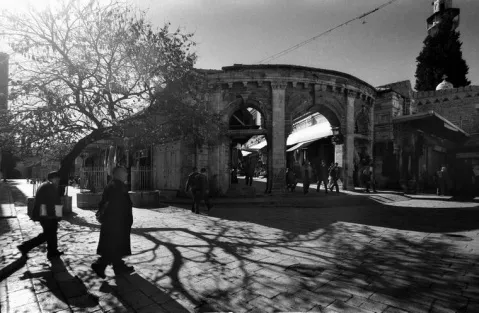
 © Alexander Nyagny-Ryadno
Black and White \ Palm trees on Safra Square

 © RomKri
Black and White \ Palm trees on Safra Square

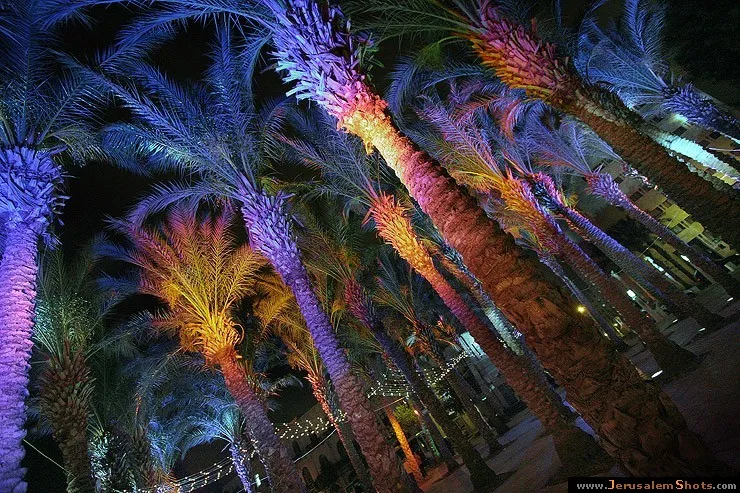
Palm trees on Safra square
The Ancient Synagogue
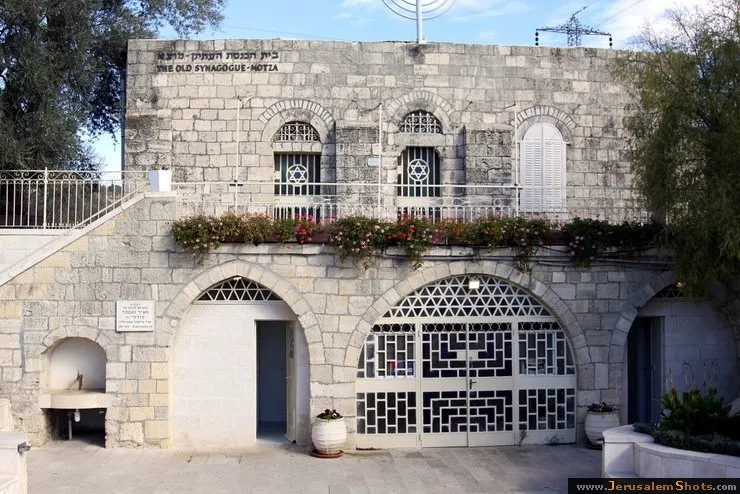
Motza is first mentioned in the Talmud (Tractate Succah) as the place where residents of Jerusalem used to cut their willow branches as one of the four species of fruits and plants required for the Festival of Sukkot.
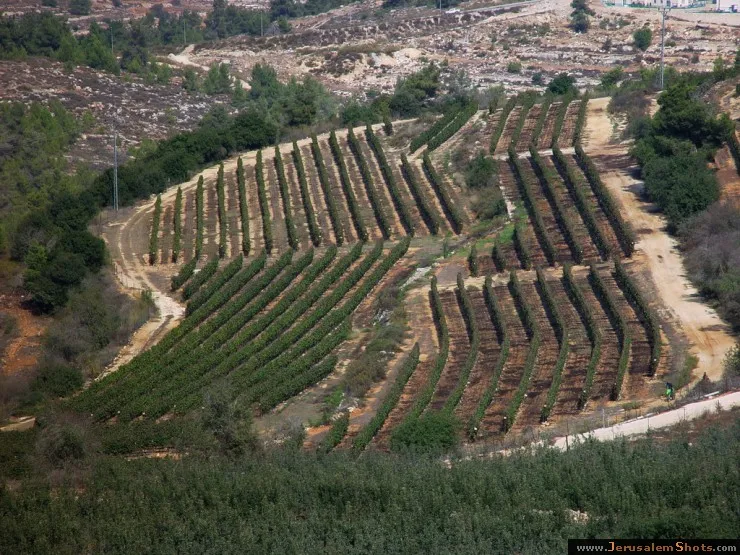
Motza was rediscovered in 1860, when Shlomo Yecheskel and Yehoshua Yellin, residents of the Old City of Jerusalem, jointly acquired a plot of land in order to initiate and develop agriculture outside the walls of the Old City. Vineyards and trees were planted while using the local spring and well.
Motza was rediscovered in 1860, when Shlomo Yecheskel and Yehoshua Yellin, residents of the Old City of Jerusalem, jointly acquired a plot of land in order to initiate and develop agriculture outside the walls of the Old City. Vineyards and trees were planted while using the local spring and well.


 © Valery Dembitsky
Jerusalem Botanical Garden

19 April 2004
The Jerusalem Botanical Garden is a rare island of tranquility in Israel 's capital. More than 6000 species of flowers, and trees
The Jerusalem Botanical Garden is a rare island of tranquility in Israel 's capital. More than 6000 species of flowers, and trees
View of the Old City Walls with Palm Trees
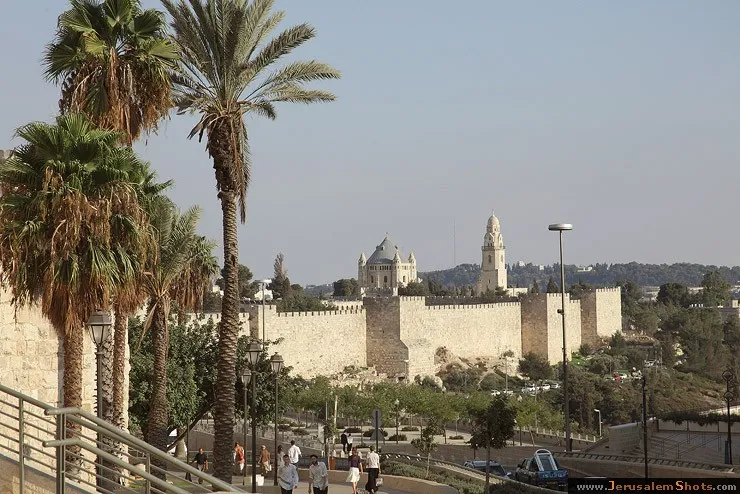
A view of the ancient stone walls of the Old City of Jerusalem, framed by tall palm trees in the foreground.
Ancient Walls of Jerusalem

A view of the massive stone walls of the Old City, overlooking a park with trees and a road.
East Jerusalem
23.06.2002
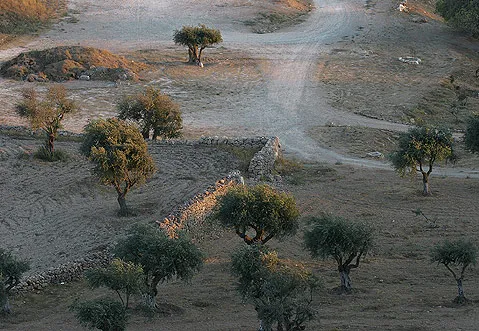
Olive trees. Olive oil is a fruit oil obtained from the olive (Olea europaea; family Oleaceae), a traditional tree crop of the Mediterranean Basin.
Olive trees. Olive oil is a fruit oil obtained from the olive (Olea europaea; family Oleaceae), a traditional tree crop of the Mediterranean Basin.
The Ancient Synagogue
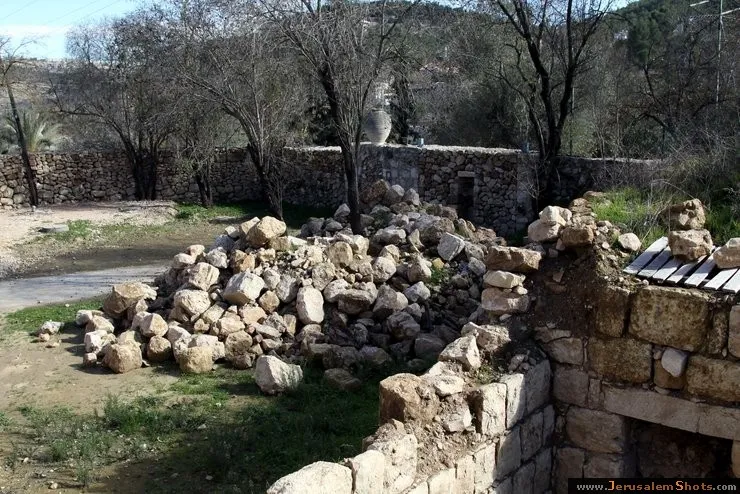
Motza is first mentioned in the Talmud (Tractate Succah) as the place where residents of Jerusalem used to cut their willow branches as one of the four species of fruits and plants required for the Festival of Sukkot.
Motza was rediscovered in 1860, when Shlomo Yecheskel and Yehoshua Yellin, residents of the Old City of Jerusalem, jointly acquired a plot of land in order to initiate and develop agriculture outside the walls of the Old City. Vineyards and trees were planted while using the local spring and well.
Motza was rediscovered in 1860, when Shlomo Yecheskel and Yehoshua Yellin, residents of the Old City of Jerusalem, jointly acquired a plot of land in order to initiate and develop agriculture outside the walls of the Old City. Vineyards and trees were planted while using the local spring and well.
The Ancient Synagogue
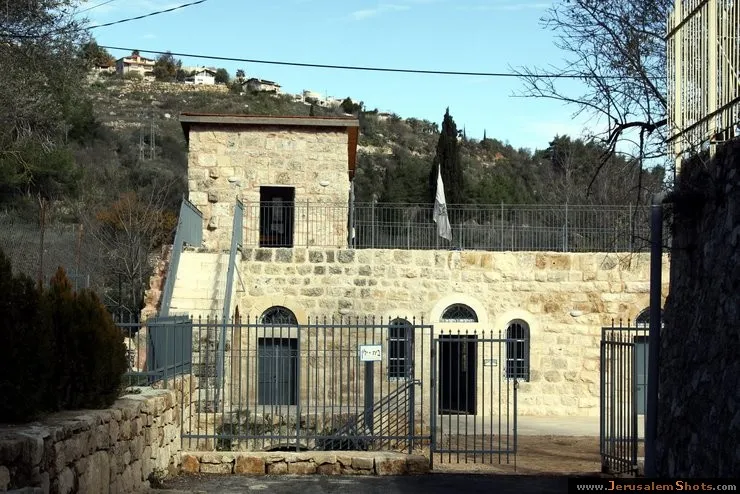
Motza is first mentioned in the Talmud (Tractate Succah) as the place where residents of Jerusalem used to cut their willow branches as one of the four species of fruits and plants required for the Festival of Sukkot.
Motza was rediscovered in 1860, when Shlomo Yecheskel and Yehoshua Yellin, residents of the Old City of Jerusalem, jointly acquired a plot of land in order to initiate and develop agriculture outside the walls of the Old City. Vineyards and trees were planted while using the local spring and well.
Motza was rediscovered in 1860, when Shlomo Yecheskel and Yehoshua Yellin, residents of the Old City of Jerusalem, jointly acquired a plot of land in order to initiate and develop agriculture outside the walls of the Old City. Vineyards and trees were planted while using the local spring and well.
The Ancient Synagogue

Motza is first mentioned in the Talmud (Tractate Succah) as the place where residents of Jerusalem used to cut their willow branches as one of the four species of fruits and plants required for the Festival of Sukkot.
Motza was rediscovered in 1860, when Shlomo Yecheskel and Yehoshua Yellin, residents of the Old City of Jerusalem, jointly acquired a plot of land in order to initiate and develop agriculture outside the walls of the Old City. Vineyards and trees were planted while using the local spring and well.
Motza was rediscovered in 1860, when Shlomo Yecheskel and Yehoshua Yellin, residents of the Old City of Jerusalem, jointly acquired a plot of land in order to initiate and develop agriculture outside the walls of the Old City. Vineyards and trees were planted while using the local spring and well.
The Ancient Synagogue
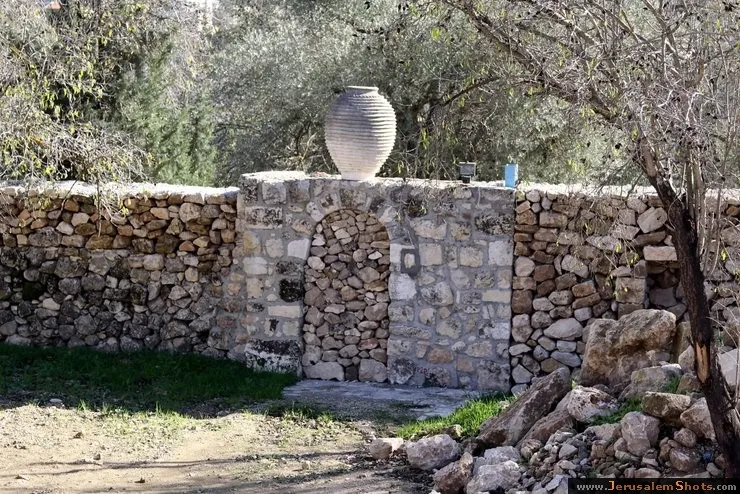
Motza is first mentioned in the Talmud (Tractate Succah) as the place where residents of Jerusalem used to cut their willow branches as one of the four species of fruits and plants required for the Festival of Sukkot.
Motza was rediscovered in 1860, when Shlomo Yecheskel and Yehoshua Yellin, residents of the Old City of Jerusalem, jointly acquired a plot of land in order to initiate and develop agriculture outside the walls of the Old City. Vineyards and trees were planted while using the local spring and well.
Motza was rediscovered in 1860, when Shlomo Yecheskel and Yehoshua Yellin, residents of the Old City of Jerusalem, jointly acquired a plot of land in order to initiate and develop agriculture outside the walls of the Old City. Vineyards and trees were planted while using the local spring and well.
The Ancient Synagogue
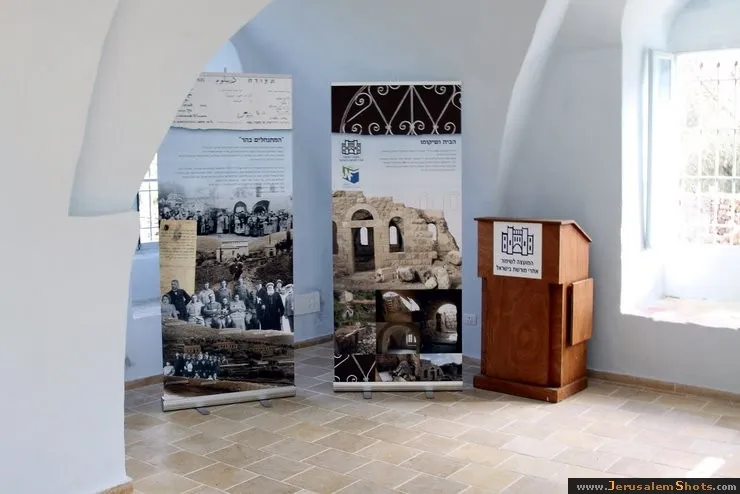
Motza is first mentioned in the Talmud (Tractate Succah) as the place where residents of Jerusalem used to cut their willow branches as one of the four species of fruits and plants required for the Festival of Sukkot.
Motza was rediscovered in 1860, when Shlomo Yecheskel and Yehoshua Yellin, residents of the Old City of Jerusalem, jointly acquired a plot of land in order to initiate and develop agriculture outside the walls of the Old City. Vineyards and trees were planted while using the local spring and well.
Motza was rediscovered in 1860, when Shlomo Yecheskel and Yehoshua Yellin, residents of the Old City of Jerusalem, jointly acquired a plot of land in order to initiate and develop agriculture outside the walls of the Old City. Vineyards and trees were planted while using the local spring and well.
The Ancient Synagogue

Motza is first mentioned in the Talmud (Tractate Succah) as the place where residents of Jerusalem used to cut their willow branches as one of the four species of fruits and plants required for the Festival of Sukkot.
Motza was rediscovered in 1860, when Shlomo Yecheskel and Yehoshua Yellin, residents of the Old City of Jerusalem, jointly acquired a plot of land in order to initiate and develop agriculture outside the walls of the Old City. Vineyards and trees were planted while using the local spring and well.
Motza was rediscovered in 1860, when Shlomo Yecheskel and Yehoshua Yellin, residents of the Old City of Jerusalem, jointly acquired a plot of land in order to initiate and develop agriculture outside the walls of the Old City. Vineyards and trees were planted while using the local spring and well.
The Ancient Synagogue
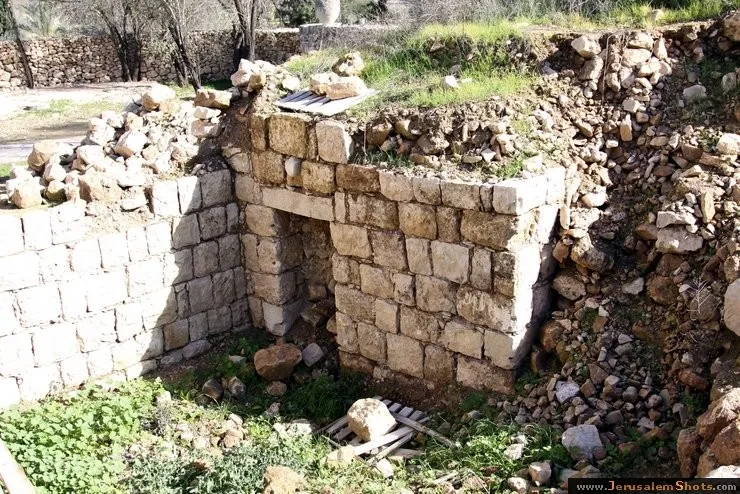
Motza is first mentioned in the Talmud (Tractate Succah) as the place where residents of Jerusalem used to cut their willow branches as one of the four species of fruits and plants required for the Festival of Sukkot.
Motza was rediscovered in 1860, when Shlomo Yecheskel and Yehoshua Yellin, residents of the Old City of Jerusalem, jointly acquired a plot of land in order to initiate and develop agriculture outside the walls of the Old City. Vineyards and trees were planted while using the local spring and well.
Motza was rediscovered in 1860, when Shlomo Yecheskel and Yehoshua Yellin, residents of the Old City of Jerusalem, jointly acquired a plot of land in order to initiate and develop agriculture outside the walls of the Old City. Vineyards and trees were planted while using the local spring and well.
The Ancient Synagogue

Motza is first mentioned in the Talmud (Tractate Succah) as the place where residents of Jerusalem used to cut their willow branches as one of the four species of fruits and plants required for the Festival of Sukkot.
Motza was rediscovered in 1860, when Shlomo Yecheskel and Yehoshua Yellin, residents of the Old City of Jerusalem, jointly acquired a plot of land in order to initiate and develop agriculture outside the walls of the Old City. Vineyards and trees were planted while using the local spring and well.
Motza was rediscovered in 1860, when Shlomo Yecheskel and Yehoshua Yellin, residents of the Old City of Jerusalem, jointly acquired a plot of land in order to initiate and develop agriculture outside the walls of the Old City. Vineyards and trees were planted while using the local spring and well.
The Ancient Synagogue
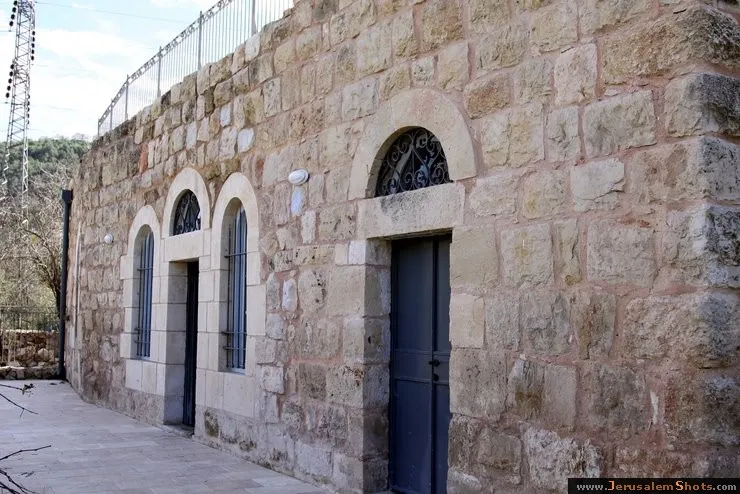
Motza is first mentioned in the Talmud (Tractate Succah) as the place where residents of Jerusalem used to cut their willow branches as one of the four species of fruits and plants required for the Festival of Sukkot.
Motza was rediscovered in 1860, when Shlomo Yecheskel and Yehoshua Yellin, residents of the Old City of Jerusalem, jointly acquired a plot of land in order to initiate and develop agriculture outside the walls of the Old City. Vineyards and trees were planted while using the local spring and well.
Motza was rediscovered in 1860, when Shlomo Yecheskel and Yehoshua Yellin, residents of the Old City of Jerusalem, jointly acquired a plot of land in order to initiate and develop agriculture outside the walls of the Old City. Vineyards and trees were planted while using the local spring and well.
Palm-trees

 © Vlad
Black and White \ Dormition Abbey
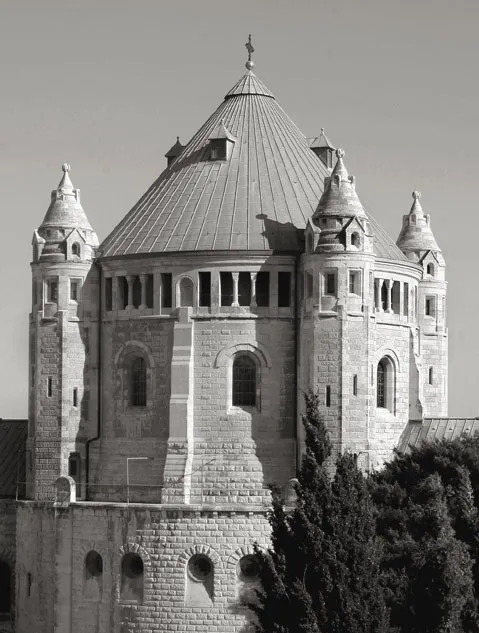
A black and white view of the Dormition Abbey, characterized by its large conical roof and four corner turrets. A cross stands atop the roof, while trees obscure the lower walls.
Path Along the City Walls
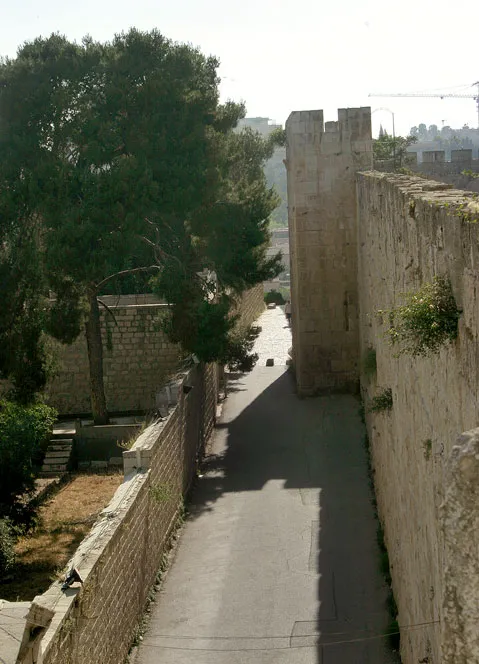
A paved walkway runs beside the high stone fortifications of the Old City. Large pine trees cast shadows on the left, while the ancient wall rises on the right, with modern buildings and a crane visible in the distance.
Mount of Olives :: Bible trees
Black and White \ Mount Zion Skyline
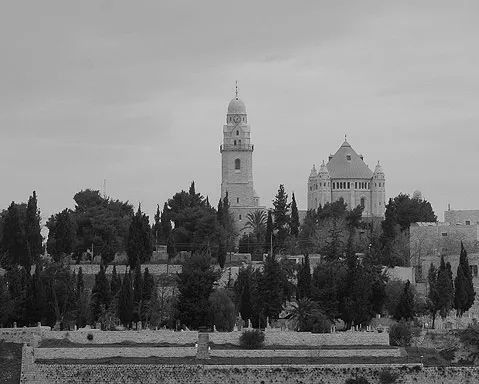
A black and white photograph capturing the skyline of Mount Zion. The image features the distinct Minaret of Omar and the large domed structure of the Dormition Abbey rising above a line of cypress trees and stone walls.