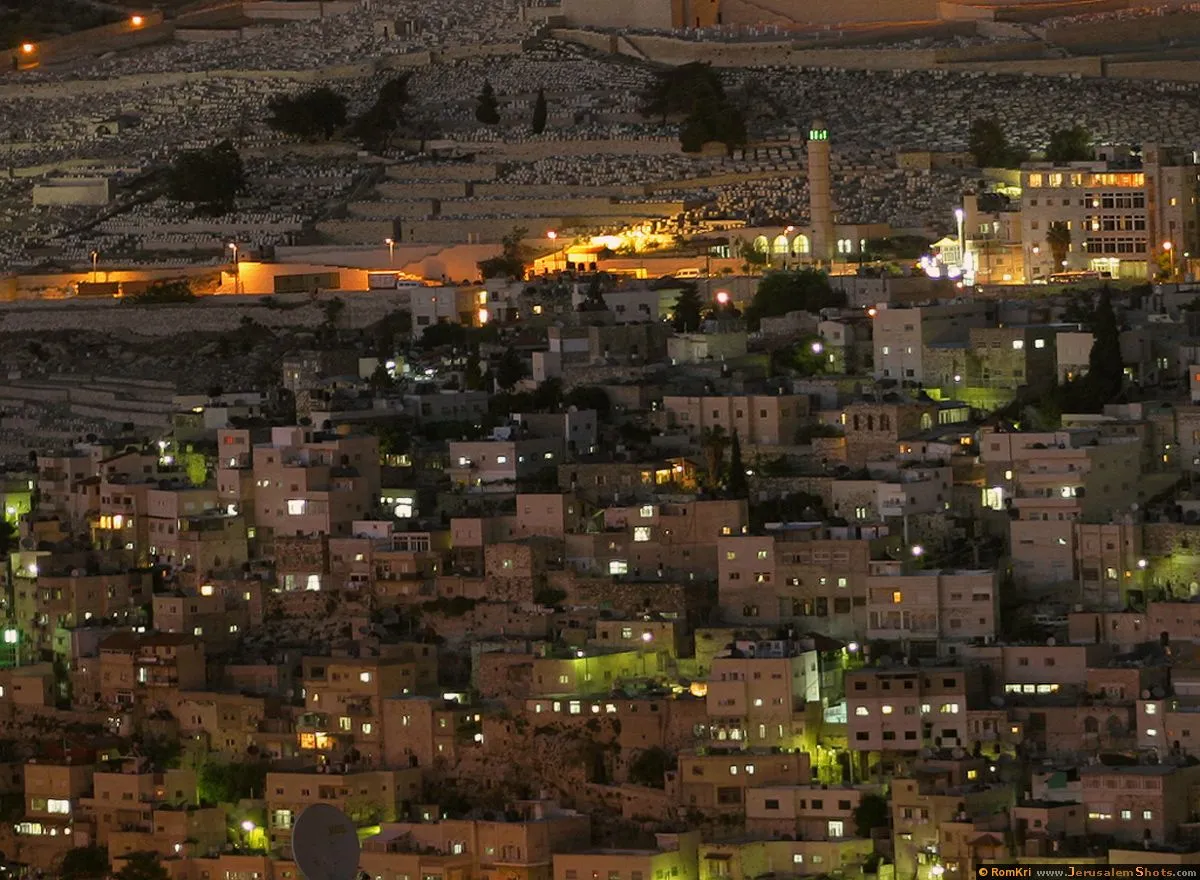
Night photos \ Mount of Olives
BURIED IN MONT OLIVE CEMETERY IN AUGUST 1974
SERVED AS CHIEF RABBI OF EGYPT FROM 1960 IN THE TIME OF 1967 SIX DAYS WAR ,WHERE MOST OF THE COMMUNITY MEMBERS WERE TAKING TO PRISON
HE LEFT EGYPT IN MARCH 1972 AFTER EVERY PRISONER WAS RELEASED AND LEFT EGYPT WITH THEIR FAMILIES
LEAVING BEHIND A COMMUNITY OF ABOUT 300 PERSONS
ESTIMATE NUMBER FROM 1948 100,000.00
SERVED AS CHIEF RABBI OF EGYPT FROM 1960 IN THE TIME OF 1967 SIX DAYS WAR ,WHERE MOST OF THE COMMUNITY MEMBERS WERE TAKING TO PRISON
HE LEFT EGYPT IN MARCH 1972 AFTER EVERY PRISONER WAS RELEASED AND LEFT EGYPT WITH THEIR FAMILIES
LEAVING BEHIND A COMMUNITY OF ABOUT 300 PERSONS
ESTIMATE NUMBER FROM 1948 100,000.00
 © RomKri
Stone Architecture in the Old City
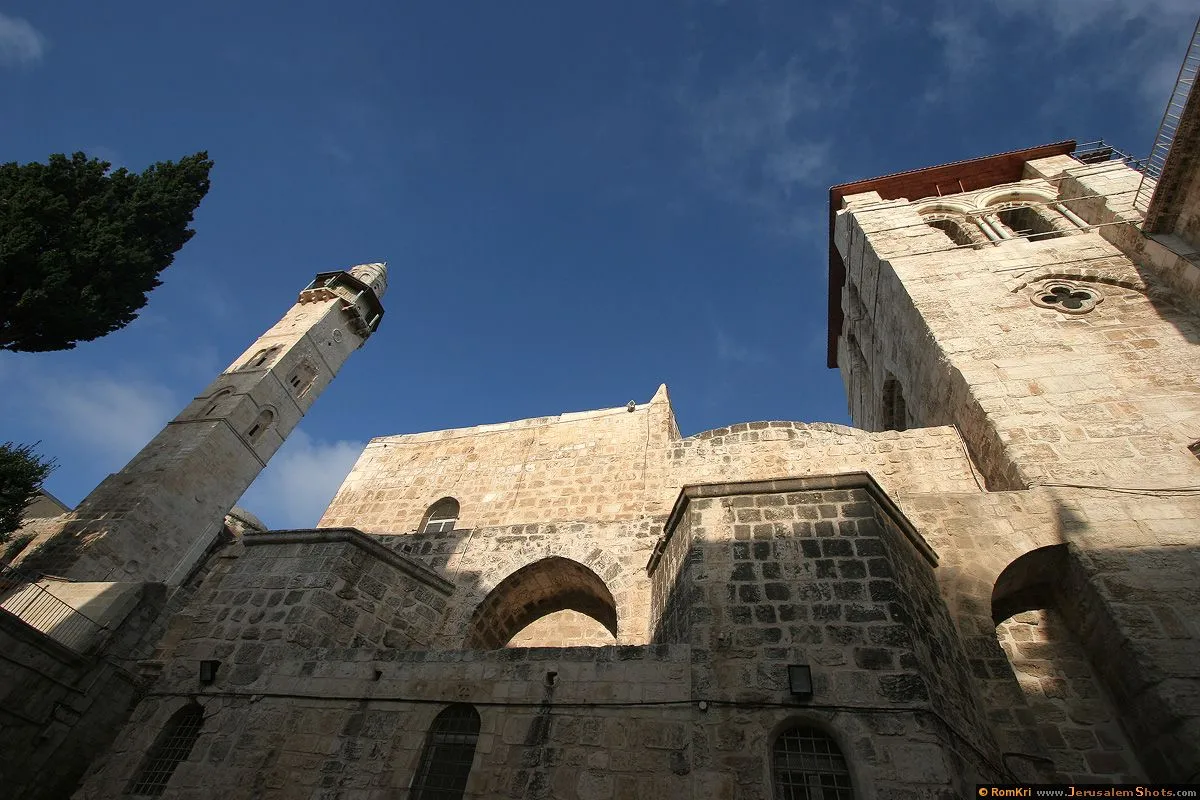
A view of ancient stone buildings and a minaret under a clear blue sky.
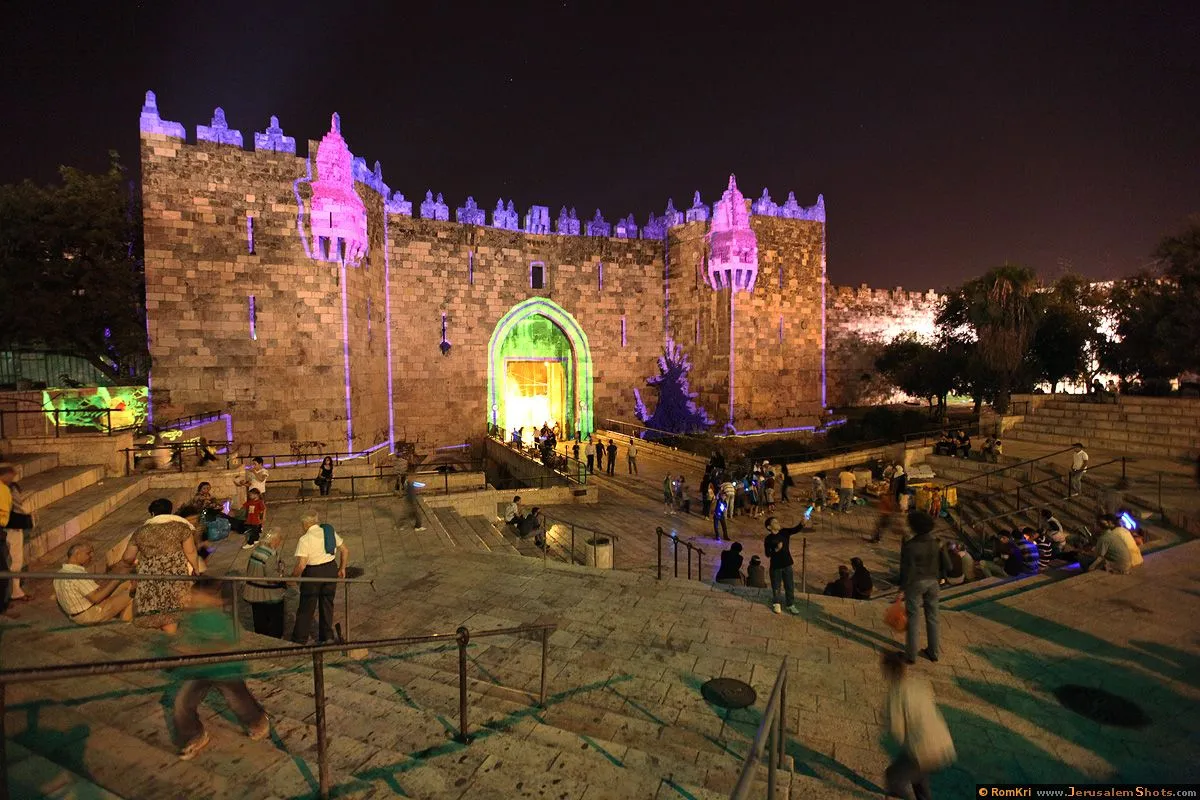
Damascus gate in time of light festival 2010
The highest building in Jerusalem
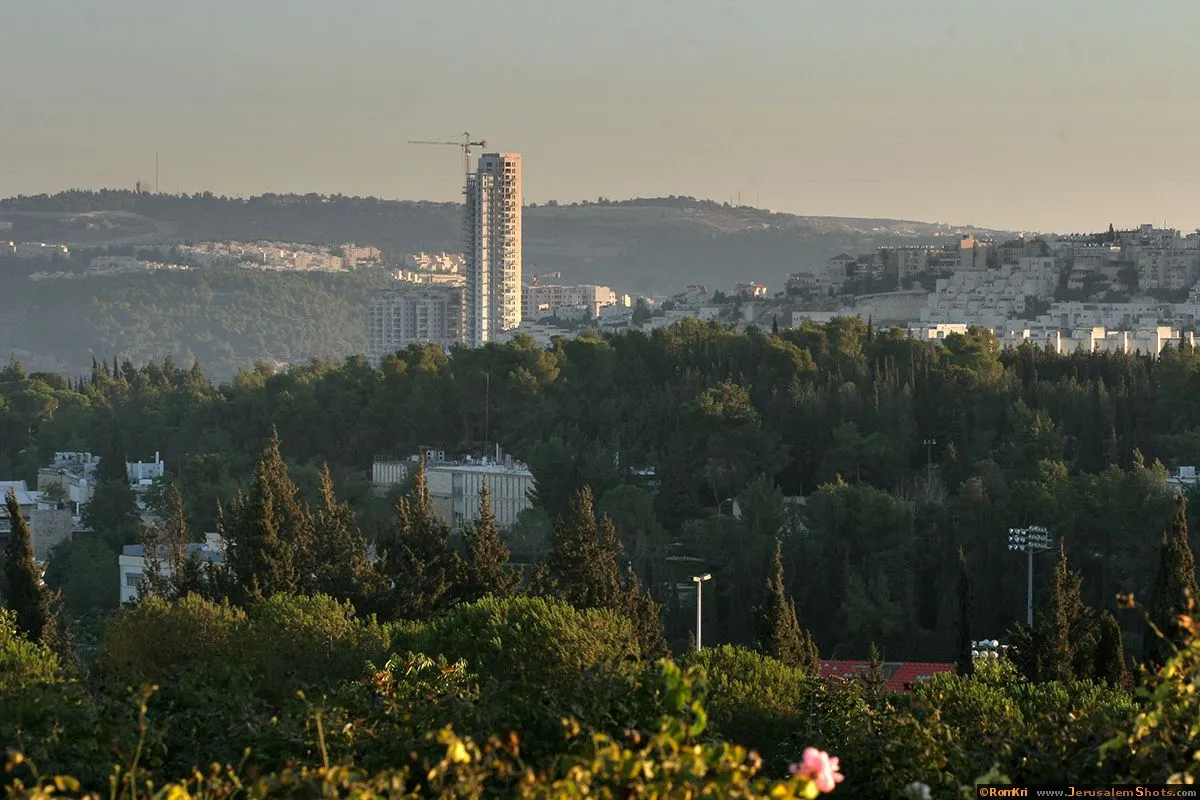
The highest building in Jerusalem

Lemur

The Krafsur Family Lemur Exhibit, also fondly referred to as Lemur Land, is a unique enclosure. The exhibit is situated on a side path that descends along a steep slope, and visitors are welcome to enter the enclosure by passing through double doors. Immediately upon entry, one meets up with four different types of lemur, all of them wandering freely in a broad and spacious enclosure, with no partitions or obstructions coming between them and their human visitors. The residents of Lemur Land include the Ring-tailed lemur (Lemur catta), the Brown lemur (Lemur fulvus fulvus), the Black-and-white ruffed lemur (Varecia variegata variegata), and the Red ruffed lemur (Varecia variegata rubra). The exhibit is staffed at all times by keepers, volunteers, or guides, who are always ready to provide explanations regarding the lemurs and their forest habitats on the island of Madagascar.
Whenever you visit the zoo, please note the opening hours for this particular exhibit.
http://www.jerusalemzoo.org.il/english/upload/tour/lemur.html
Whenever you visit the zoo, please note the opening hours for this particular exhibit.
http://www.jerusalemzoo.org.il/english/upload/tour/lemur.html
Jerusalem in the Time of the Second Temple
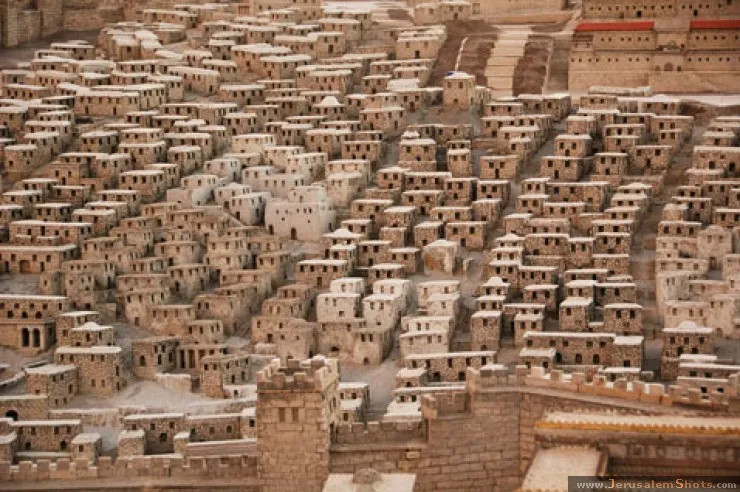
In the model of Jerusalem which recently moved from the Holyland Hotel to the Israel Museum.
 © Al Teich
Model of the Second Temple at the Israel Museum
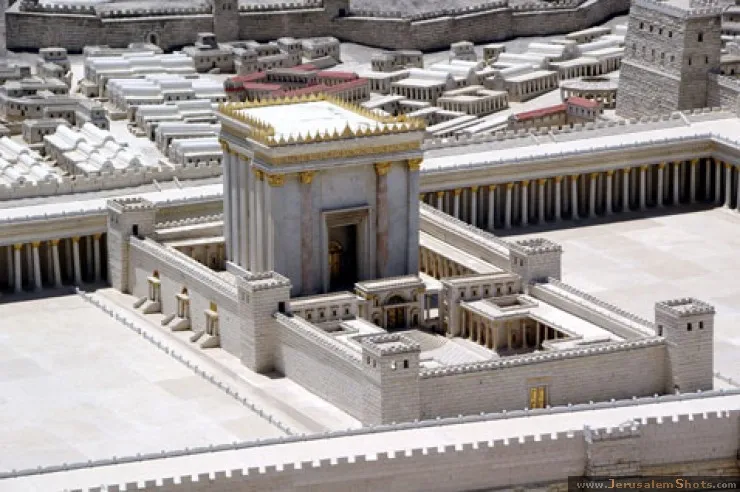
This is in the model of Jerusalem at the time of the Second Temple. It was moved from the Holyland Hotel to the Israel Museum in late 2005.
The Dome of the Rock
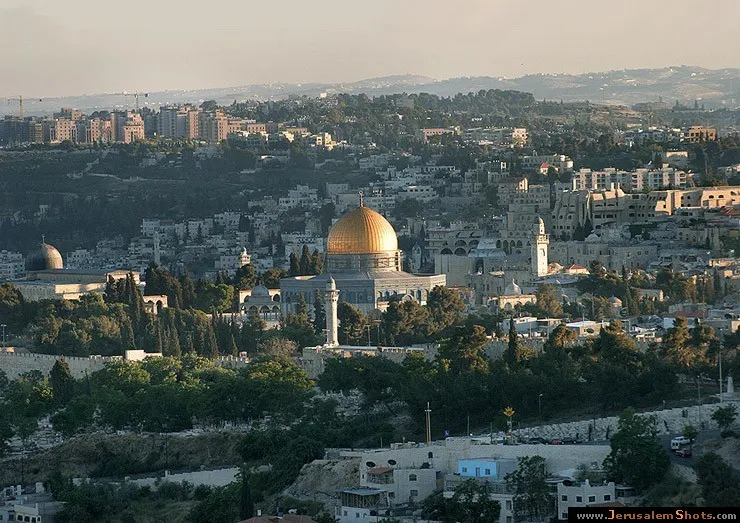
Dominating the skyline of Jerusalem, a landmark without doubt, is the beautiful shrine of the Dome of the Rock. Built on a platform over the rock of Mt. Moriah 1,300 years ago by the Muslim Umayyad Caliph Abdul Malek Ibn Marwa. It was completed in 691 AD, 6 years after building commenced. The Dome of the Rock is a shrine in Al Aqsa Mosque commemorating the Prophet Muhammad´s miraculous journey to the Seven Heavens. Eight stairways with arcades lead to the raised platform of the Dome of the Rock. There is a sun dial atop the center top archway, accurate to within five minutes of the actual time.
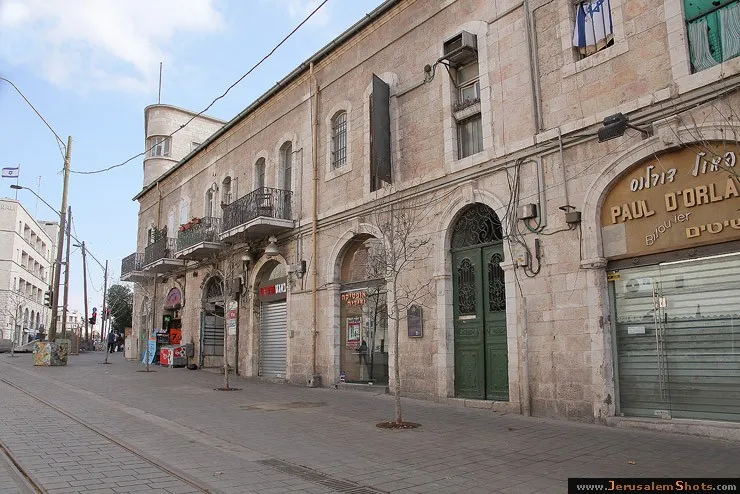
Jafa street buildings

Black and White
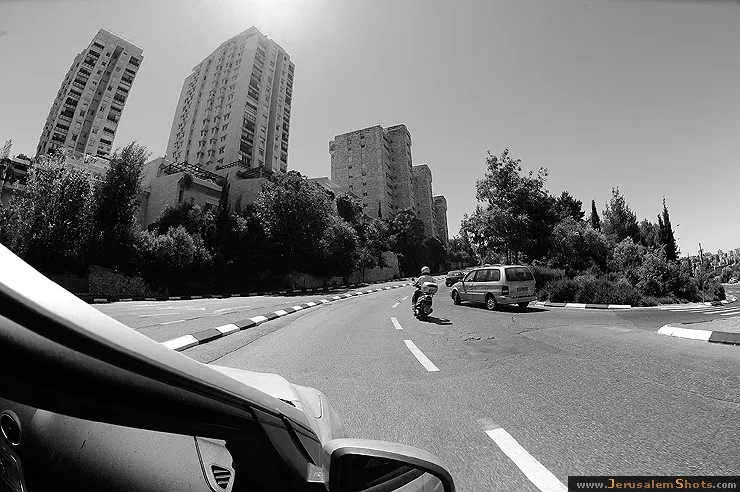

 © Misha Burlatsky
Night photos \ Night view of the Old City walls and plaza
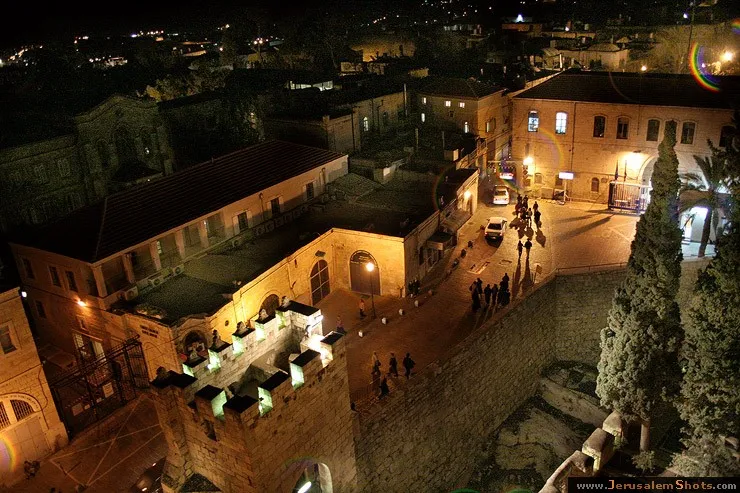
An elevated view of the stone walls and ancient buildings at night, with people walking through the plaza.
Sport buildings Beyt Halohem

Jafa street buildings

Gehenna
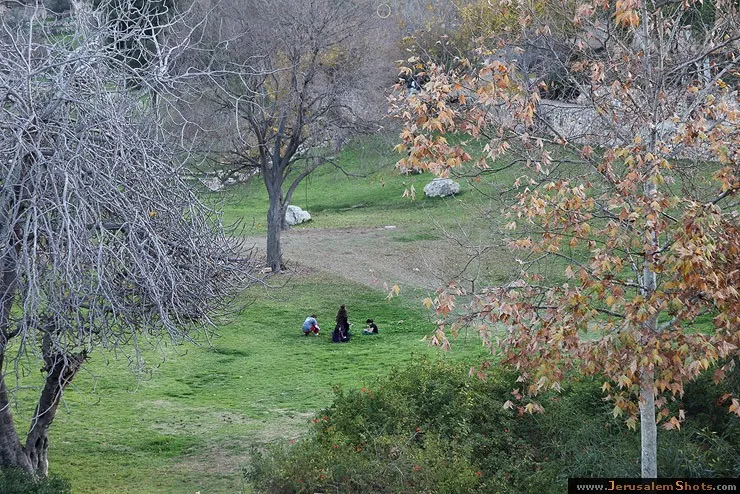
Gehenna, gehinnam, or gehinnom (Hebrew: גהנום, גהנם, Greek γεεννα) are words used in Jewish and Christian writings for the place where evil people go in the afterlife (see Hell). The name is derived from a geographical site in Jerusalem known as the Valley of Hinnom, one of the two principal valleys surrounding the Old City. Initially the site where idolatrous Jews sacrificed their children to the god Molech (2 Chr. 28:3, 33:6; Jer. 7:31, 19:2-6), the valley later became the common wasteyard for all the refuse of Jerusalem. Here the dead bodies of animals and of criminals, and rubbish, were cast and, according to legend, consumed by a constant fire. In time it became the image of the place of everlasting destruction in Jewish tradition[1]. However, Jewish tradition suggests the valley had a 'gate' which led down to a molten lake of fire. (Possibly 'The furnace of Yahweh' in Zion to which Isaiah refers 31:9, 30:33). It is unknown whether this 'gate' was an actual geophysical feature within the valley that provided the focus for cultic activity (2 Kings 23:10) or simply a metaphorical identification with the entrance to the underworld that had come to be associated with the valley.
Gehenna is cited in the New Testament and in early Christian writing to represent the final place where the wicked will be punished or destroyed after resurrection. In both Rabbinical Jewish and Christian writing, Gehenna as a destination of the wicked is different from Sheol or Hades, the abode of the dead.
Taken from wikipedia.org
Gehenna is cited in the New Testament and in early Christian writing to represent the final place where the wicked will be punished or destroyed after resurrection. In both Rabbinical Jewish and Christian writing, Gehenna as a destination of the wicked is different from Sheol or Hades, the abode of the dead.
Taken from wikipedia.org
Gehenna
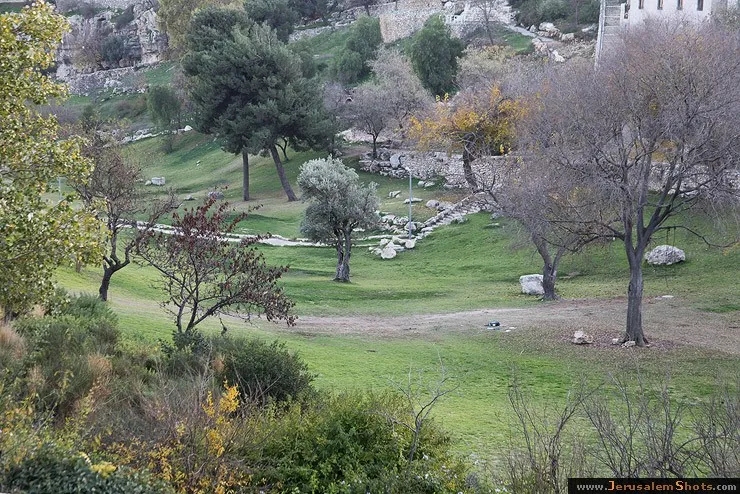
Gehenna, gehinnam, or gehinnom (Hebrew: גהנום, גהנם, Greek γεεννα) are words used in Jewish and Christian writings for the place where evil people go in the afterlife (see Hell). The name is derived from a geographical site in Jerusalem known as the Valley of Hinnom, one of the two principal valleys surrounding the Old City. Initially the site where idolatrous Jews sacrificed their children to the god Molech (2 Chr. 28:3, 33:6; Jer. 7:31, 19:2-6), the valley later became the common wasteyard for all the refuse of Jerusalem. Here the dead bodies of animals and of criminals, and rubbish, were cast and, according to legend, consumed by a constant fire. In time it became the image of the place of everlasting destruction in Jewish tradition[1]. However, Jewish tradition suggests the valley had a 'gate' which led down to a molten lake of fire. (Possibly 'The furnace of Yahweh' in Zion to which Isaiah refers 31:9, 30:33). It is unknown whether this 'gate' was an actual geophysical feature within the valley that provided the focus for cultic activity (2 Kings 23:10) or simply a metaphorical identification with the entrance to the underworld that had come to be associated with the valley.
Gehenna is cited in the New Testament and in early Christian writing to represent the final place where the wicked will be punished or destroyed after resurrection. In both Rabbinical Jewish and Christian writing, Gehenna as a destination of the wicked is different from Sheol or Hades, the abode of the dead.
Taken from wikipedia.org
Gehenna is cited in the New Testament and in early Christian writing to represent the final place where the wicked will be punished or destroyed after resurrection. In both Rabbinical Jewish and Christian writing, Gehenna as a destination of the wicked is different from Sheol or Hades, the abode of the dead.
Taken from wikipedia.org
Building of the Ministry of Health
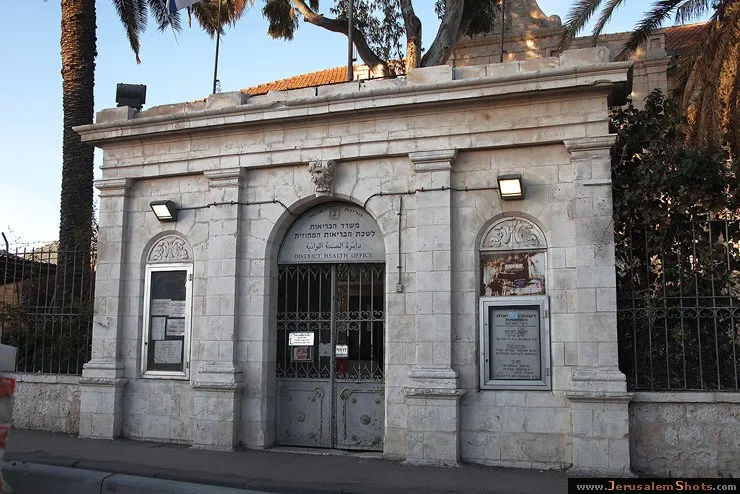
Jafa street buildings
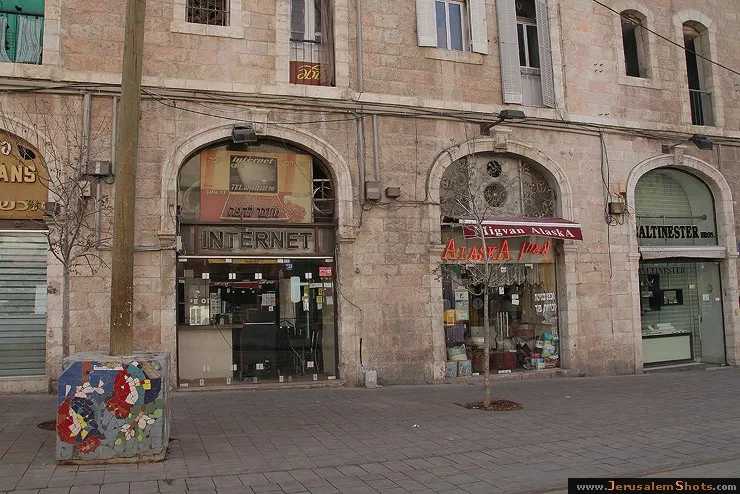
Jafa street buildings
Gehenna
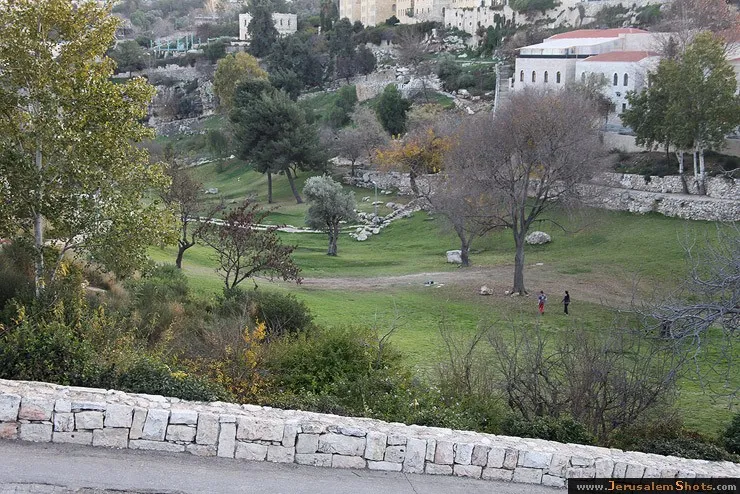
Gehenna, gehinnam, or gehinnom (Hebrew: גהנום, גהנם, Greek γεεννα) are words used in Jewish and Christian writings for the place where evil people go in the afterlife (see Hell). The name is derived from a geographical site in Jerusalem known as the Valley of Hinnom, one of the two principal valleys surrounding the Old City. Initially the site where idolatrous Jews sacrificed their children to the god Molech (2 Chr. 28:3, 33:6; Jer. 7:31, 19:2-6), the valley later became the common wasteyard for all the refuse of Jerusalem. Here the dead bodies of animals and of criminals, and rubbish, were cast and, according to legend, consumed by a constant fire. In time it became the image of the place of everlasting destruction in Jewish tradition[1]. However, Jewish tradition suggests the valley had a 'gate' which led down to a molten lake of fire. (Possibly 'The furnace of Yahweh' in Zion to which Isaiah refers 31:9, 30:33). It is unknown whether this 'gate' was an actual geophysical feature within the valley that provided the focus for cultic activity (2 Kings 23:10) or simply a metaphorical identification with the entrance to the underworld that had come to be associated with the valley.
Gehenna is cited in the New Testament and in early Christian writing to represent the final place where the wicked will be punished or destroyed after resurrection. In both Rabbinical Jewish and Christian writing, Gehenna as a destination of the wicked is different from Sheol or Hades, the abode of the dead.
Taken from wikipedia.org
Gehenna is cited in the New Testament and in early Christian writing to represent the final place where the wicked will be punished or destroyed after resurrection. In both Rabbinical Jewish and Christian writing, Gehenna as a destination of the wicked is different from Sheol or Hades, the abode of the dead.
Taken from wikipedia.org
Night photos \ Hevrat Hashmal building

Minaret and Stone Rooftops in the Old City

A tall stone minaret stands prominently among the dense buildings of Jerusalem's Old City. The view highlights the mix of flat and tiled roofs, ancient stone walls, and a large tree growing near the tower. In the distance, another tower rises above the urban landscape.
Great Synagogue

As early as 1923 the Chief Rabbis of Israel, Abraham Kook and Jacob Meir, mooted plans for a large central synagogue in Jerusalem. It was over 30 years later in 1958 when Heichal Shlomo, seat of the Israeli Rabbinate, was founded, that a small synagogue was established within the building. As time progressed and the need for more space grew, services were moved and held in the foyer of Heichal Shlomo. Soon afterwards, when the premises could not hold the number of worshippers attending, it was decided that a new, much larger synagogue be built.

 © pmos_nmos
Mar Elias Monastery, Jerusalem

13.08.2009
This Greek Orthodox Monastery stands like a fortress on a hill from which both Jerusalem and Bethlehem can be seen. Mar Elias Monastery is located 5 km to the north of Bethlehem on the way to Jerusalem, and was founded in the 6th century AD and rebuilt by the Emperor Manual Communes in 1160.
Legend has it that the building stands on the site where prophet Elijah (pbuh) rested on his flight from the Vengeance of Queen Jezebel, who was seeking vengeance after Elijah slaughtered the priests of Baal (1 Kings 19:15). Another tradition holds that Greek Bishop Elias of Bethlehem was buried here in 1345, and another holds that it places the sepulcher of St. Elias, an Egyptian monk who became Patriarch of Jerusalem in 494. Mar Elias is believed to answer the prayers of barren women and ailing children. From the monastery, Bethlehem can be seen to the south, Herodion to the southeast and sometimes the Dead Sea across the valley to the east.
This Greek Orthodox Monastery stands like a fortress on a hill from which both Jerusalem and Bethlehem can be seen. Mar Elias Monastery is located 5 km to the north of Bethlehem on the way to Jerusalem, and was founded in the 6th century AD and rebuilt by the Emperor Manual Communes in 1160.
Legend has it that the building stands on the site where prophet Elijah (pbuh) rested on his flight from the Vengeance of Queen Jezebel, who was seeking vengeance after Elijah slaughtered the priests of Baal (1 Kings 19:15). Another tradition holds that Greek Bishop Elias of Bethlehem was buried here in 1345, and another holds that it places the sepulcher of St. Elias, an Egyptian monk who became Patriarch of Jerusalem in 494. Mar Elias is believed to answer the prayers of barren women and ailing children. From the monastery, Bethlehem can be seen to the south, Herodion to the southeast and sometimes the Dead Sea across the valley to the east.
Aaron Ovadia

This angle gives jerusalem a European touch... That is my opinion...maybe it is the architecture and the white clouds.
This was a shot taken on kikar tzion - Ben Yehuda St.
sometime in the autumn of 2005.
This was a shot taken on kikar tzion - Ben Yehuda St.
sometime in the autumn of 2005.
 © Aaron Ovadia
Night photos \ Night view of ancient stone walls and ruins

A nighttime scene showing illuminated stone structures and ancient remnants of the Old City.
The Bell
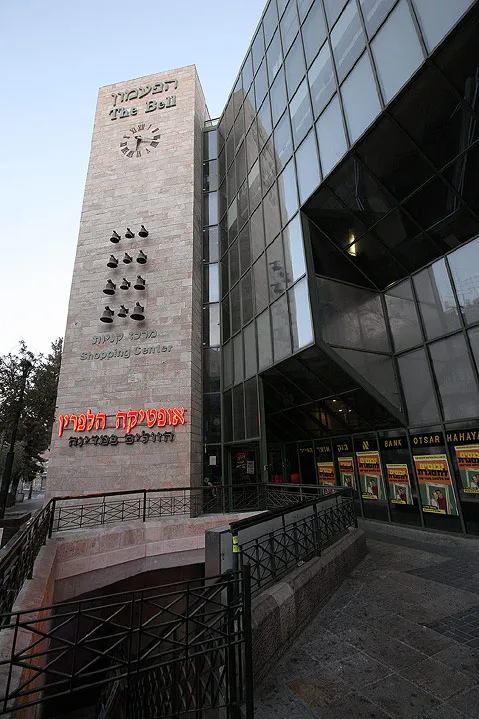
Time of this photo is on the photo :)
Shopping center
Shopping center
A narrow street in the Old City

A view of a narrow, stone-paved paved street with old buildings and shops at the corner of a stone building. corner of a stone building.
Jerusalem Old City Walls at Twilight

A panoramic view of the ancient walls and illuminated buildings within the Jerusalem Old City at dusk. The city lights begin to glow as the sun sets.
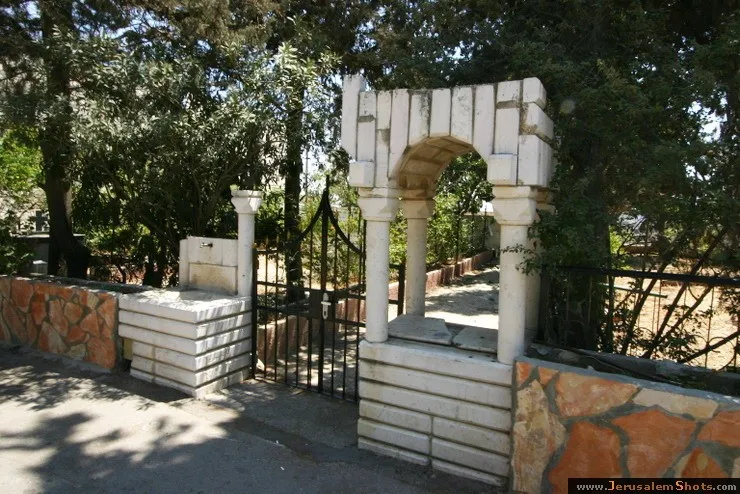
Mar Elias Monastery, Jerusalem
13.08.2009
This Greek Orthodox Monastery stands like a fortress on a hill from which both Jerusalem and Bethlehem can be seen. Mar Elias Monastery is located 5 km to the north of Bethlehem on the way to Jerusalem, and was founded in the 6th century AD and rebuilt by the Emperor Manual Communes in 1160.
Legend has it that the building stands on the site where prophet Elijah (pbuh) rested on his flight from the Vengeance of Queen Jezebel, who was seeking vengeance after Elijah slaughtered the priests of Baal (1 Kings 19:15). Another tradition holds that Greek Bishop Elias of Bethlehem was buried here in 1345, and another holds that it places the sepulcher of St. Elias, an Egyptian monk who became Patriarch of Jerusalem in 494. Mar Elias is believed to answer the prayers of barren women and ailing children. From the monastery, Bethlehem can be seen to the south, Herodion to the southeast and sometimes the Dead Sea across the valley to the east.
This Greek Orthodox Monastery stands like a fortress on a hill from which both Jerusalem and Bethlehem can be seen. Mar Elias Monastery is located 5 km to the north of Bethlehem on the way to Jerusalem, and was founded in the 6th century AD and rebuilt by the Emperor Manual Communes in 1160.
Legend has it that the building stands on the site where prophet Elijah (pbuh) rested on his flight from the Vengeance of Queen Jezebel, who was seeking vengeance after Elijah slaughtered the priests of Baal (1 Kings 19:15). Another tradition holds that Greek Bishop Elias of Bethlehem was buried here in 1345, and another holds that it places the sepulcher of St. Elias, an Egyptian monk who became Patriarch of Jerusalem in 494. Mar Elias is believed to answer the prayers of barren women and ailing children. From the monastery, Bethlehem can be seen to the south, Herodion to the southeast and sometimes the Dead Sea across the valley to the east.
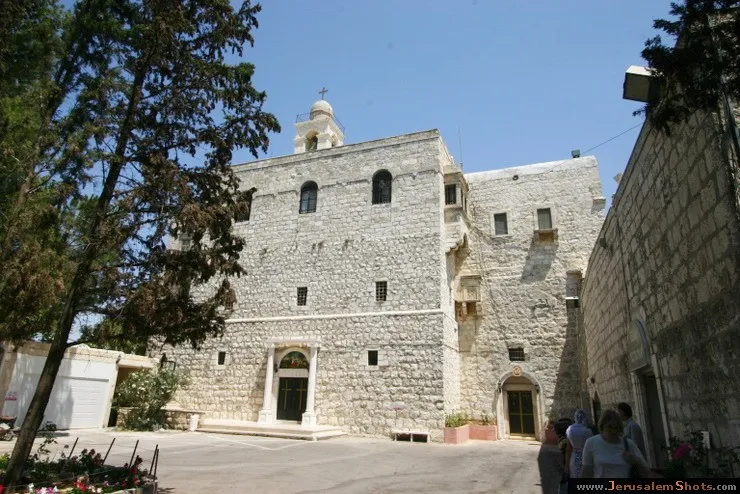
Mar Elias Monastery, Jerusalem
13.08.2009
This Greek Orthodox Monastery stands like a fortress on a hill from which both Jerusalem and Bethlehem can be seen. Mar Elias Monastery is located 5 km to the north of Bethlehem on the way to Jerusalem, and was founded in the 6th century AD and rebuilt by the Emperor Manual Communes in 1160.
Legend has it that the building stands on the site where prophet Elijah (pbuh) rested on his flight from the Vengeance of Queen Jezebel, who was seeking vengeance after Elijah slaughtered the priests of Baal (1 Kings 19:15). Another tradition holds that Greek Bishop Elias of Bethlehem was buried here in 1345, and another holds that it places the sepulcher of St. Elias, an Egyptian monk who became Patriarch of Jerusalem in 494. Mar Elias is believed to answer the prayers of barren women and ailing children. From the monastery, Bethlehem can be seen to the south, Herodion to the southeast and sometimes the Dead Sea across the valley to the east.
This Greek Orthodox Monastery stands like a fortress on a hill from which both Jerusalem and Bethlehem can be seen. Mar Elias Monastery is located 5 km to the north of Bethlehem on the way to Jerusalem, and was founded in the 6th century AD and rebuilt by the Emperor Manual Communes in 1160.
Legend has it that the building stands on the site where prophet Elijah (pbuh) rested on his flight from the Vengeance of Queen Jezebel, who was seeking vengeance after Elijah slaughtered the priests of Baal (1 Kings 19:15). Another tradition holds that Greek Bishop Elias of Bethlehem was buried here in 1345, and another holds that it places the sepulcher of St. Elias, an Egyptian monk who became Patriarch of Jerusalem in 494. Mar Elias is believed to answer the prayers of barren women and ailing children. From the monastery, Bethlehem can be seen to the south, Herodion to the southeast and sometimes the Dead Sea across the valley to the east.
Winter
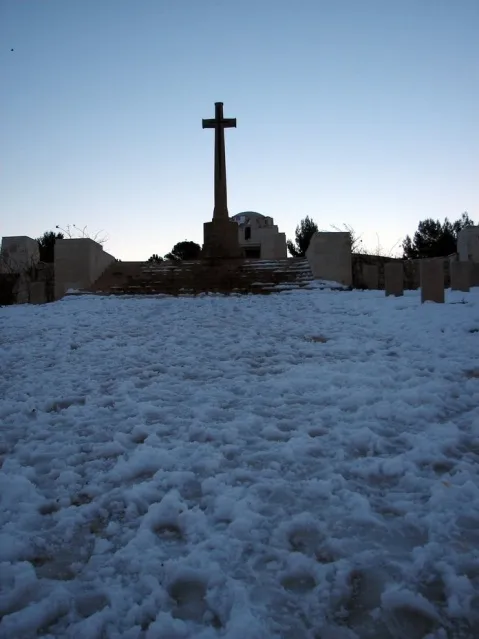
English military cemetery of times of the First world war.
Winter
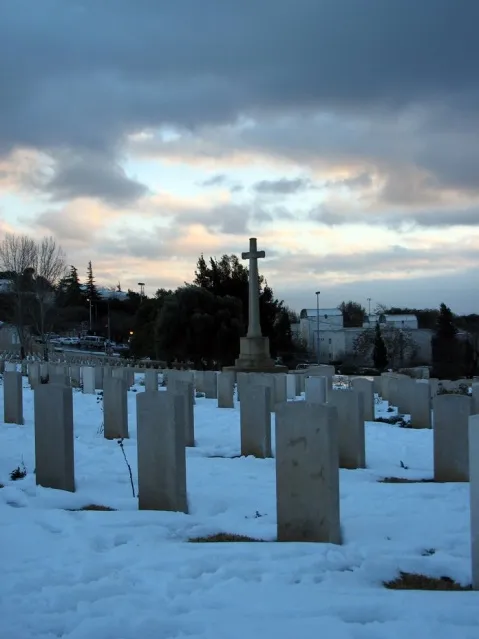
English military cemetery of times of the First world war.
Vatikan Building in Jerusalem

Center of Jerusalem
25.08.2004
25.08.2004
Mar Elias Monastery, Jerusalem
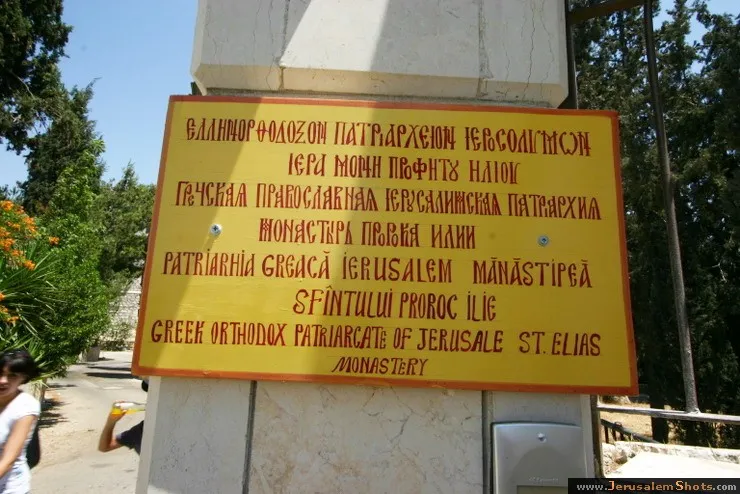
13.08.2009
This Greek Orthodox Monastery stands like a fortress on a hill from which both Jerusalem and Bethlehem can be seen. Mar Elias Monastery is located 5 km to the north of Bethlehem on the way to Jerusalem, and was founded in the 6th century AD and rebuilt by the Emperor Manual Communes in 1160.
Legend has it that the building stands on the site where prophet Elijah (pbuh) rested on his flight from the Vengeance of Queen Jezebel, who was seeking vengeance after Elijah slaughtered the priests of Baal (1 Kings 19:15). Another tradition holds that Greek Bishop Elias of Bethlehem was buried here in 1345, and another holds that it places the sepulcher of St. Elias, an Egyptian monk who became Patriarch of Jerusalem in 494. Mar Elias is believed to answer the prayers of barren women and ailing children. From the monastery, Bethlehem can be seen to the south, Herodion to the southeast and sometimes the Dead Sea across the valley to the east.
This Greek Orthodox Monastery stands like a fortress on a hill from which both Jerusalem and Bethlehem can be seen. Mar Elias Monastery is located 5 km to the north of Bethlehem on the way to Jerusalem, and was founded in the 6th century AD and rebuilt by the Emperor Manual Communes in 1160.
Legend has it that the building stands on the site where prophet Elijah (pbuh) rested on his flight from the Vengeance of Queen Jezebel, who was seeking vengeance after Elijah slaughtered the priests of Baal (1 Kings 19:15). Another tradition holds that Greek Bishop Elias of Bethlehem was buried here in 1345, and another holds that it places the sepulcher of St. Elias, an Egyptian monk who became Patriarch of Jerusalem in 494. Mar Elias is believed to answer the prayers of barren women and ailing children. From the monastery, Bethlehem can be seen to the south, Herodion to the southeast and sometimes the Dead Sea across the valley to the east.
Mar Elias Monastery, Jerusalem

13.08.2009
This Greek Orthodox Monastery stands like a fortress on a hill from which both Jerusalem and Bethlehem can be seen. Mar Elias Monastery is located 5 km to the north of Bethlehem on the way to Jerusalem, and was founded in the 6th century AD and rebuilt by the Emperor Manual Communes in 1160.
Legend has it that the building stands on the site where prophet Elijah (pbuh) rested on his flight from the Vengeance of Queen Jezebel, who was seeking vengeance after Elijah slaughtered the priests of Baal (1 Kings 19:15). Another tradition holds that Greek Bishop Elias of Bethlehem was buried here in 1345, and another holds that it places the sepulcher of St. Elias, an Egyptian monk who became Patriarch of Jerusalem in 494. Mar Elias is believed to answer the prayers of barren women and ailing children. From the monastery, Bethlehem can be seen to the south, Herodion to the southeast and sometimes the Dead Sea across the valley to the east.
This Greek Orthodox Monastery stands like a fortress on a hill from which both Jerusalem and Bethlehem can be seen. Mar Elias Monastery is located 5 km to the north of Bethlehem on the way to Jerusalem, and was founded in the 6th century AD and rebuilt by the Emperor Manual Communes in 1160.
Legend has it that the building stands on the site where prophet Elijah (pbuh) rested on his flight from the Vengeance of Queen Jezebel, who was seeking vengeance after Elijah slaughtered the priests of Baal (1 Kings 19:15). Another tradition holds that Greek Bishop Elias of Bethlehem was buried here in 1345, and another holds that it places the sepulcher of St. Elias, an Egyptian monk who became Patriarch of Jerusalem in 494. Mar Elias is believed to answer the prayers of barren women and ailing children. From the monastery, Bethlehem can be seen to the south, Herodion to the southeast and sometimes the Dead Sea across the valley to the east.
Mar Elias Monastery, Jerusalem

13.08.2009
This Greek Orthodox Monastery stands like a fortress on a hill from which both Jerusalem and Bethlehem can be seen. Mar Elias Monastery is located 5 km to the north of Bethlehem on the way to Jerusalem, and was founded in the 6th century AD and rebuilt by the Emperor Manual Communes in 1160.
Legend has it that the building stands on the site where prophet Elijah (pbuh) rested on his flight from the Vengeance of Queen Jezebel, who was seeking vengeance after Elijah slaughtered the priests of Baal (1 Kings 19:15). Another tradition holds that Greek Bishop Elias of Bethlehem was buried here in 1345, and another holds that it places the sepulcher of St. Elias, an Egyptian monk who became Patriarch of Jerusalem in 494. Mar Elias is believed to answer the prayers of barren women and ailing children. From the monastery, Bethlehem can be seen to the south, Herodion to the southeast and sometimes the Dead Sea across the valley to the east.
This Greek Orthodox Monastery stands like a fortress on a hill from which both Jerusalem and Bethlehem can be seen. Mar Elias Monastery is located 5 km to the north of Bethlehem on the way to Jerusalem, and was founded in the 6th century AD and rebuilt by the Emperor Manual Communes in 1160.
Legend has it that the building stands on the site where prophet Elijah (pbuh) rested on his flight from the Vengeance of Queen Jezebel, who was seeking vengeance after Elijah slaughtered the priests of Baal (1 Kings 19:15). Another tradition holds that Greek Bishop Elias of Bethlehem was buried here in 1345, and another holds that it places the sepulcher of St. Elias, an Egyptian monk who became Patriarch of Jerusalem in 494. Mar Elias is believed to answer the prayers of barren women and ailing children. From the monastery, Bethlehem can be seen to the south, Herodion to the southeast and sometimes the Dead Sea across the valley to the east.
The Wailing Wall
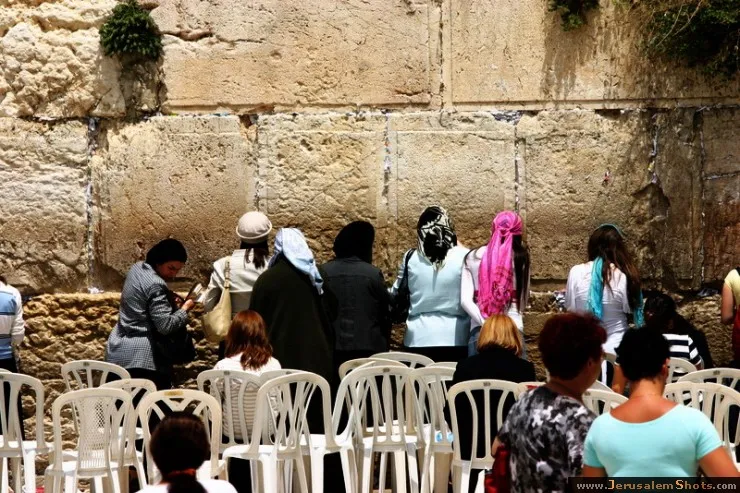
The Women Division (Right Part)
16.05.2008
The Western Wall sometimes referred to as the Wailing Wall or simply the Kotel (lit. Wall; Ashkenazic pronunciation: Kosel), and as al-Buraaq Wall by Muslims, is an important Jewish religious site located in the Old City of Jerusalem. Just over half the wall, including its 17 courses located below street level, dates from the end of the Second Temple period, being constructed around 19 BCE by Herod the Great.
16.05.2008
The Western Wall sometimes referred to as the Wailing Wall or simply the Kotel (lit. Wall; Ashkenazic pronunciation: Kosel), and as al-Buraaq Wall by Muslims, is an important Jewish religious site located in the Old City of Jerusalem. Just over half the wall, including its 17 courses located below street level, dates from the end of the Second Temple period, being constructed around 19 BCE by Herod the Great.
Different intimate Jewish relationship
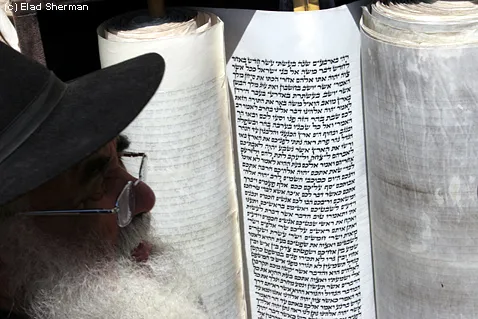
Elad Sherman
Night photos \ King David's Water Cistern

Jerusalem water cisten from the King David's time, placed in the backyard of St. Anna Church.
 © Tanya