Memorials \ Yad Vashem

Some photos that have been taken when I was at Yad Vashem memorial and Military Cemetry
 © Yanovskiy Andrew
Sun rays over Jerusalem taken from Scopus, late afternoon, 6.2.1942
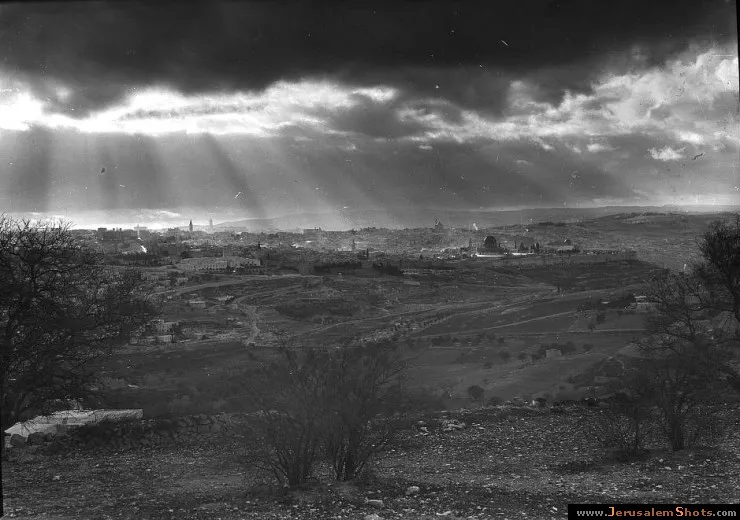
 © G. Eric and Edith Matson
Gehenna
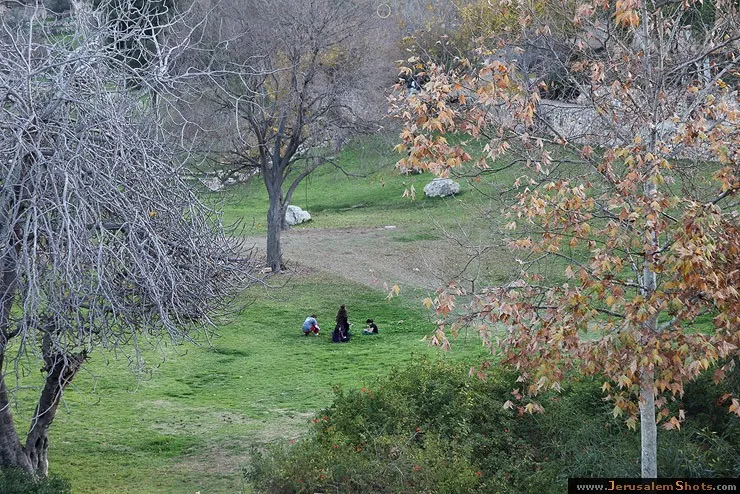
Gehenna, gehinnam, or gehinnom (Hebrew: גהנום, גהנם, Greek γεεννα) are words used in Jewish and Christian writings for the place where evil people go in the afterlife (see Hell). The name is derived from a geographical site in Jerusalem known as the Valley of Hinnom, one of the two principal valleys surrounding the Old City. Initially the site where idolatrous Jews sacrificed their children to the god Molech (2 Chr. 28:3, 33:6; Jer. 7:31, 19:2-6), the valley later became the common wasteyard for all the refuse of Jerusalem. Here the dead bodies of animals and of criminals, and rubbish, were cast and, according to legend, consumed by a constant fire. In time it became the image of the place of everlasting destruction in Jewish tradition[1]. However, Jewish tradition suggests the valley had a 'gate' which led down to a molten lake of fire. (Possibly 'The furnace of Yahweh' in Zion to which Isaiah refers 31:9, 30:33). It is unknown whether this 'gate' was an actual geophysical feature within the valley that provided the focus for cultic activity (2 Kings 23:10) or simply a metaphorical identification with the entrance to the underworld that had come to be associated with the valley.
Gehenna is cited in the New Testament and in early Christian writing to represent the final place where the wicked will be punished or destroyed after resurrection. In both Rabbinical Jewish and Christian writing, Gehenna as a destination of the wicked is different from Sheol or Hades, the abode of the dead.
Taken from wikipedia.org
Gehenna is cited in the New Testament and in early Christian writing to represent the final place where the wicked will be punished or destroyed after resurrection. In both Rabbinical Jewish and Christian writing, Gehenna as a destination of the wicked is different from Sheol or Hades, the abode of the dead.
Taken from wikipedia.org
 © RomKri
Gehenna
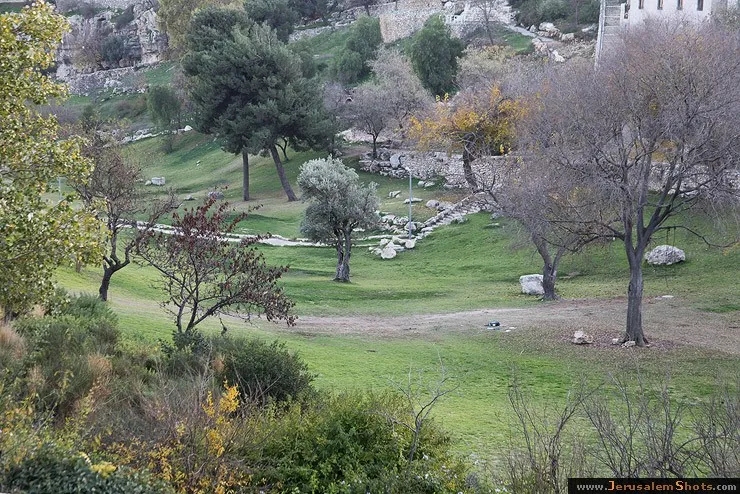
Gehenna, gehinnam, or gehinnom (Hebrew: גהנום, גהנם, Greek γεεννα) are words used in Jewish and Christian writings for the place where evil people go in the afterlife (see Hell). The name is derived from a geographical site in Jerusalem known as the Valley of Hinnom, one of the two principal valleys surrounding the Old City. Initially the site where idolatrous Jews sacrificed their children to the god Molech (2 Chr. 28:3, 33:6; Jer. 7:31, 19:2-6), the valley later became the common wasteyard for all the refuse of Jerusalem. Here the dead bodies of animals and of criminals, and rubbish, were cast and, according to legend, consumed by a constant fire. In time it became the image of the place of everlasting destruction in Jewish tradition[1]. However, Jewish tradition suggests the valley had a 'gate' which led down to a molten lake of fire. (Possibly 'The furnace of Yahweh' in Zion to which Isaiah refers 31:9, 30:33). It is unknown whether this 'gate' was an actual geophysical feature within the valley that provided the focus for cultic activity (2 Kings 23:10) or simply a metaphorical identification with the entrance to the underworld that had come to be associated with the valley.
Gehenna is cited in the New Testament and in early Christian writing to represent the final place where the wicked will be punished or destroyed after resurrection. In both Rabbinical Jewish and Christian writing, Gehenna as a destination of the wicked is different from Sheol or Hades, the abode of the dead.
Taken from wikipedia.org
Gehenna is cited in the New Testament and in early Christian writing to represent the final place where the wicked will be punished or destroyed after resurrection. In both Rabbinical Jewish and Christian writing, Gehenna as a destination of the wicked is different from Sheol or Hades, the abode of the dead.
Taken from wikipedia.org
Eastern Orthodox Priest on his Mobil Phone
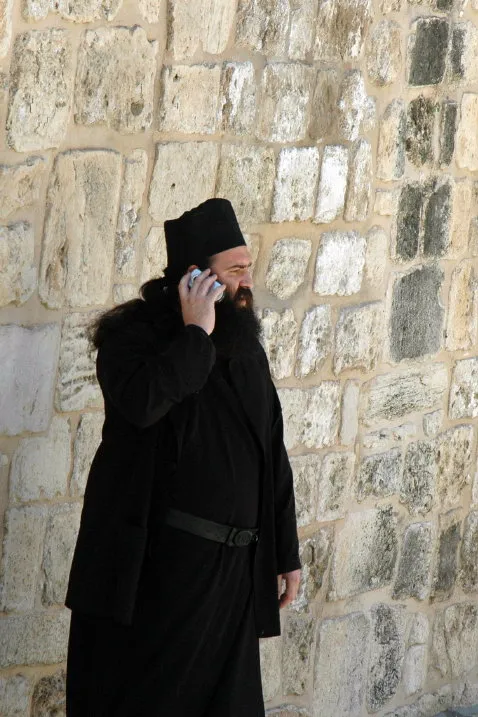
Contrast traditional priest's robes and modern technology.
This was taken in the courtyard of the Church of the Holy Sepulchre
This was taken in the courtyard of the Church of the Holy Sepulchre
Jerusalem
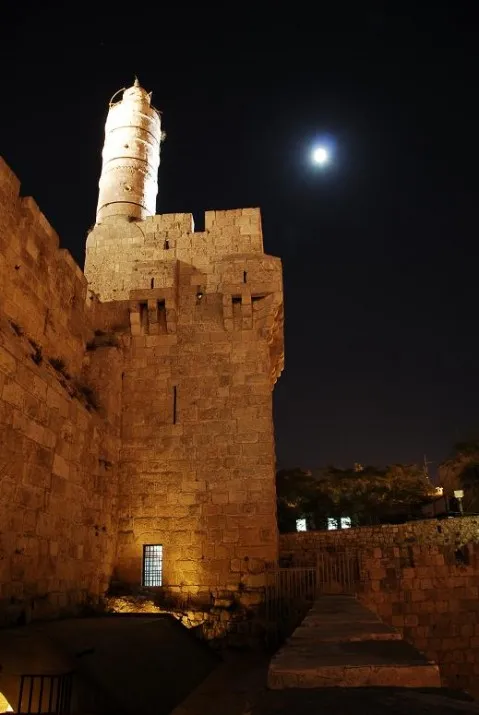
Pics were taken in the begining of september 09
Jerusalem
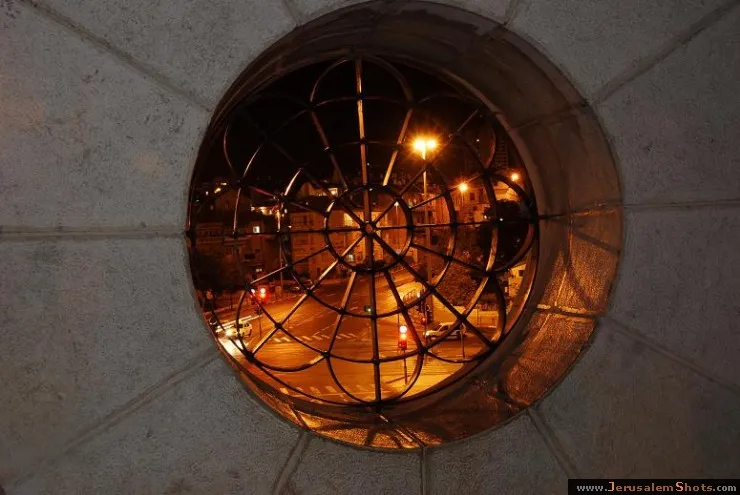
Pics were taken a month ago, in the begining of september 09
Pics of night Jerusalem
Pics of night Jerusalem
Gehenna
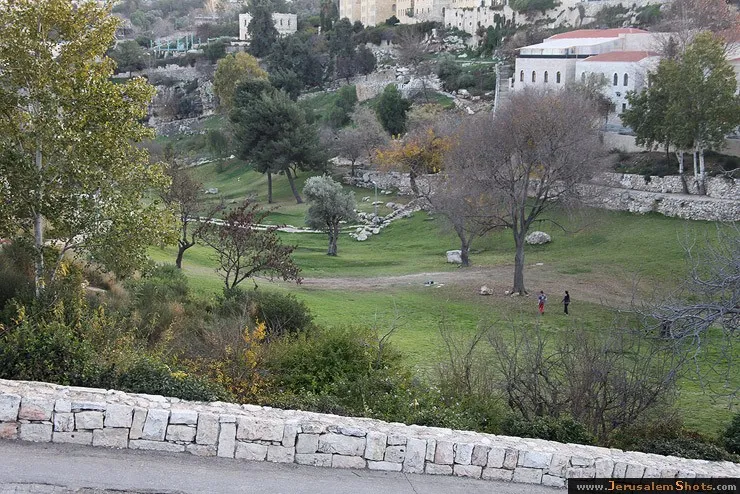
Gehenna, gehinnam, or gehinnom (Hebrew: גהנום, גהנם, Greek γεεννα) are words used in Jewish and Christian writings for the place where evil people go in the afterlife (see Hell). The name is derived from a geographical site in Jerusalem known as the Valley of Hinnom, one of the two principal valleys surrounding the Old City. Initially the site where idolatrous Jews sacrificed their children to the god Molech (2 Chr. 28:3, 33:6; Jer. 7:31, 19:2-6), the valley later became the common wasteyard for all the refuse of Jerusalem. Here the dead bodies of animals and of criminals, and rubbish, were cast and, according to legend, consumed by a constant fire. In time it became the image of the place of everlasting destruction in Jewish tradition[1]. However, Jewish tradition suggests the valley had a 'gate' which led down to a molten lake of fire. (Possibly 'The furnace of Yahweh' in Zion to which Isaiah refers 31:9, 30:33). It is unknown whether this 'gate' was an actual geophysical feature within the valley that provided the focus for cultic activity (2 Kings 23:10) or simply a metaphorical identification with the entrance to the underworld that had come to be associated with the valley.
Gehenna is cited in the New Testament and in early Christian writing to represent the final place where the wicked will be punished or destroyed after resurrection. In both Rabbinical Jewish and Christian writing, Gehenna as a destination of the wicked is different from Sheol or Hades, the abode of the dead.
Taken from wikipedia.org
Gehenna is cited in the New Testament and in early Christian writing to represent the final place where the wicked will be punished or destroyed after resurrection. In both Rabbinical Jewish and Christian writing, Gehenna as a destination of the wicked is different from Sheol or Hades, the abode of the dead.
Taken from wikipedia.org
Memorials \ Yad Vashem

Some photos that have been taken when I was at Yad Vashem memorial and Military Cemetry
Memorials \ Yad Vashem
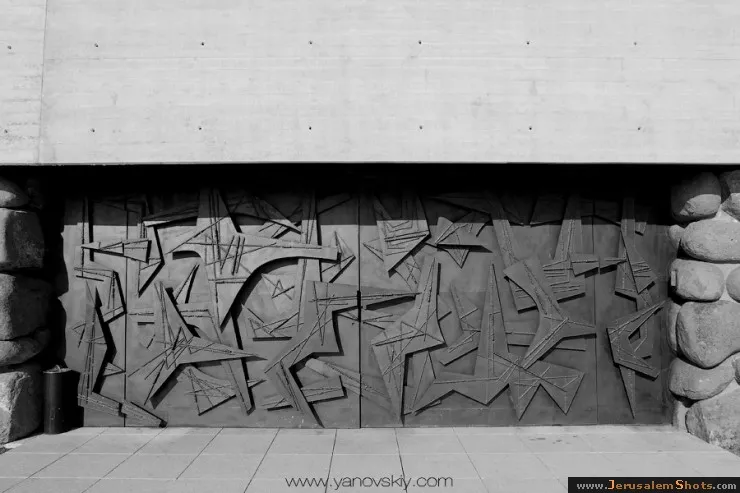
Some photos that have been taken when I was at Yad Vashem memorial and Military Cemetry
Sun rays over Jerusalem taken from Scopus, late afternoon, 6.2.1942

Jerusalem
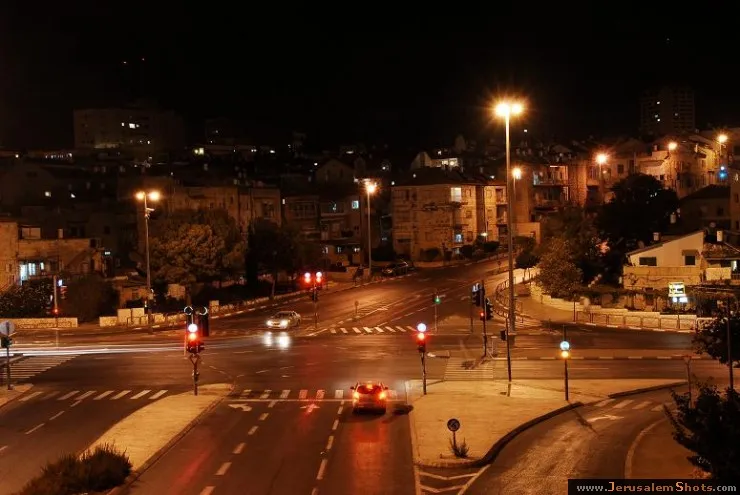
Pics were taken a month ago, in the begining of september 09
Pics of night Jerusalem
Pics of night Jerusalem
Aaron Ovadia

This angle gives jerusalem a European touch... That is my opinion...maybe it is the architecture and the white clouds.
This was a shot taken on kikar tzion - Ben Yehuda St.
sometime in the autumn of 2005.
This was a shot taken on kikar tzion - Ben Yehuda St.
sometime in the autumn of 2005.
Jerusalem
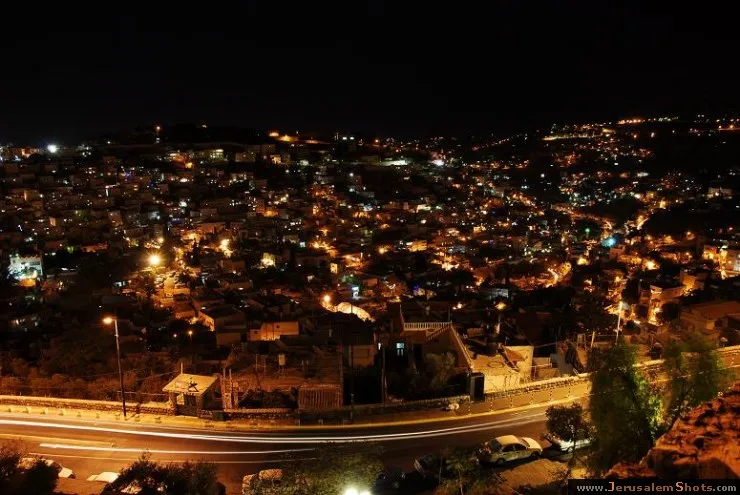
Pics were taken in the begining of september 09
Jerusalem
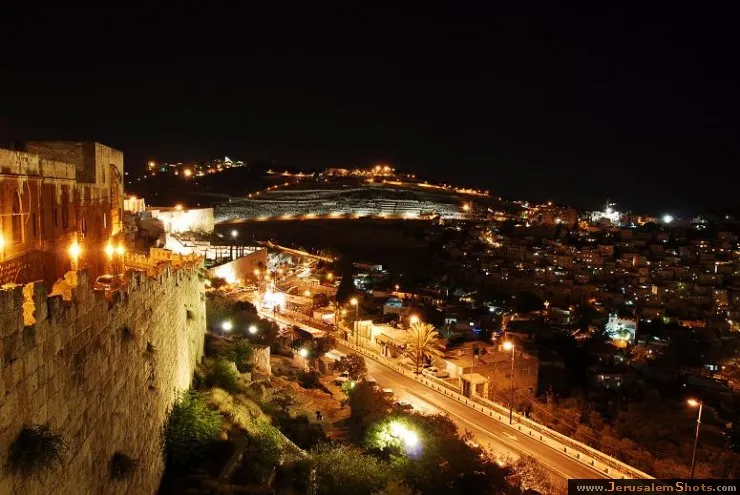
Pics were taken in the begining of september 09
Jerusalem
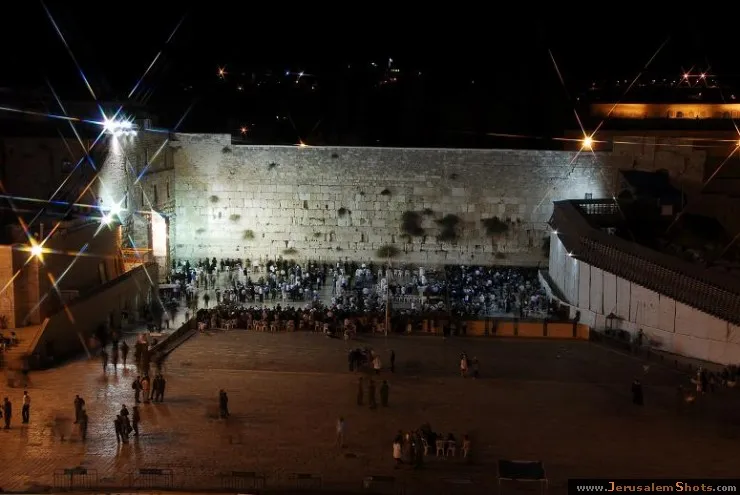
Pics were taken in the begining of september 09
Memorials \ Yad Vashem

Some photos that have been taken when I was at Yad Vashem memorial and Military Cemetry
aaron ovadia
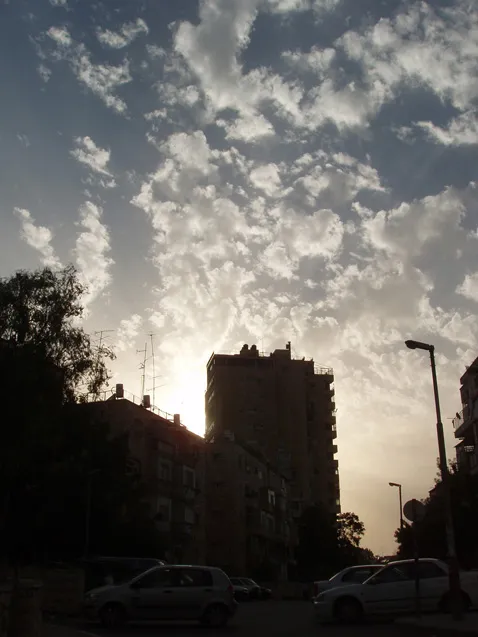
this is sunset like 20 minutes before. beautiful jerusalem.
phototaken in the neighborhood of kiryat moshe..
phototaken in the neighborhood of kiryat moshe..
New bridge, Jerusalem
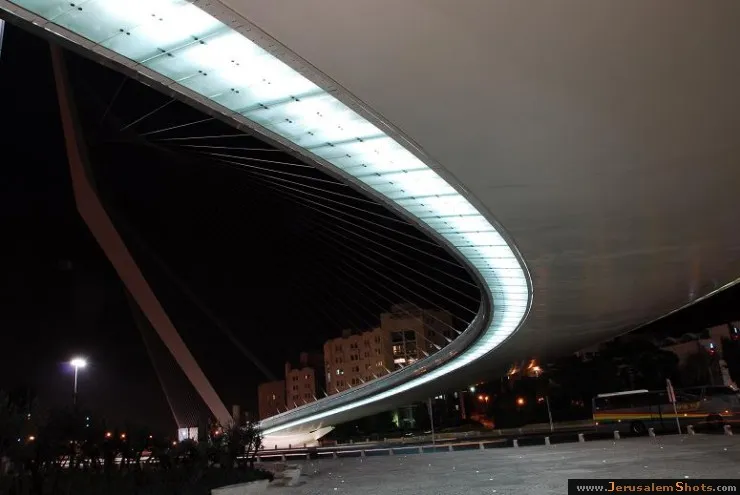
This pic was taken about a month ago, in Jerusalem near the central bus station
Jerusalem

Pics were taken in the begining of september 09
Jerusalem
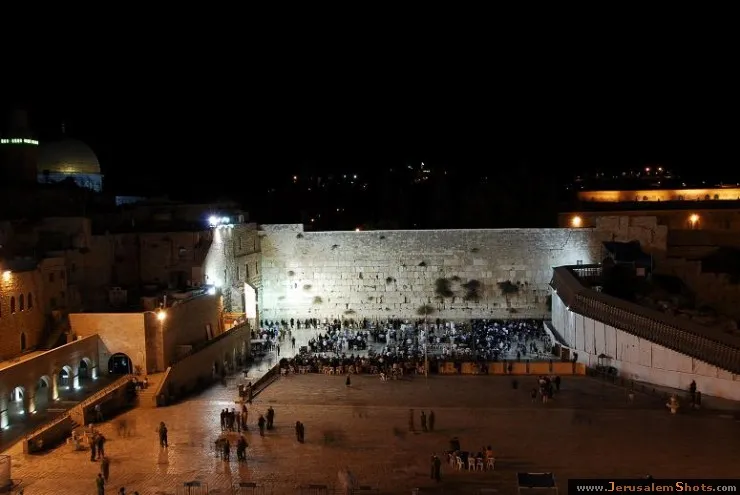
Pics were taken in the begining of september 09
Jerusalem
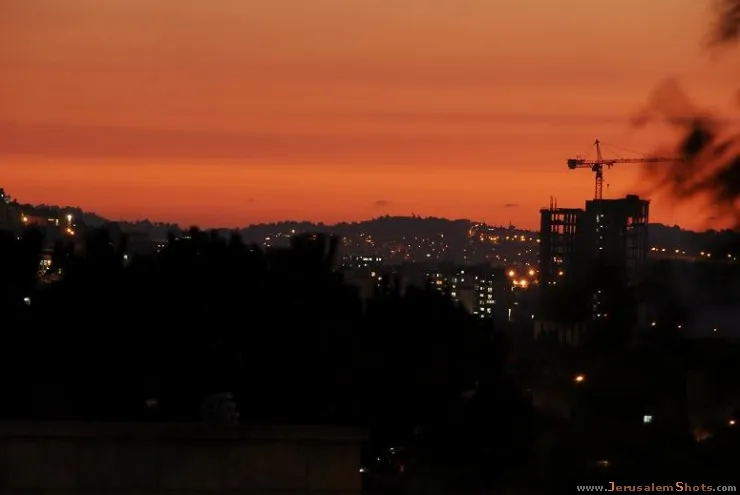
Pics were taken a month ago, in the begining of september 09
Pics of night Jerusalem
Pics of night Jerusalem
Jerusalem
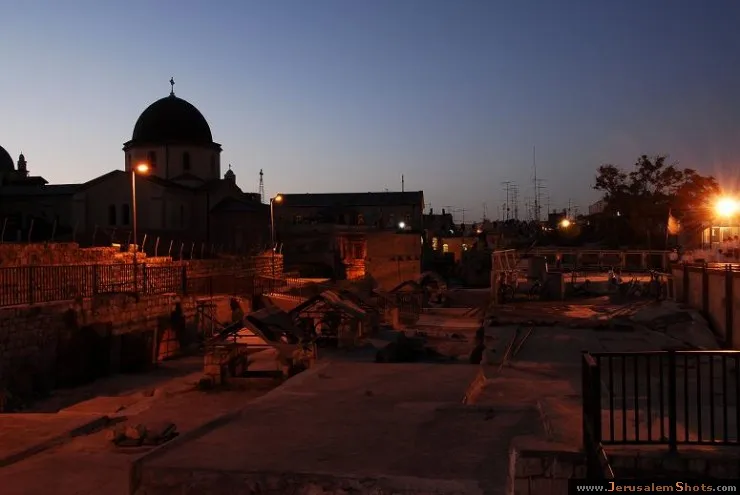
Pics were taken a month ago, in the begining of september 09
Pics of night Jerusalem
Pics of night Jerusalem
Jerusalem
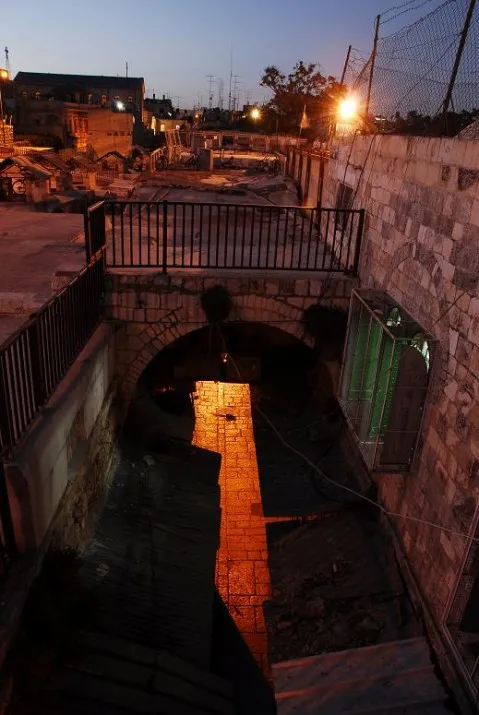
Pics were taken a month ago, in the begining of september 09
Pics of night Jerusalem
Pics of night Jerusalem
Jerusalem

Pics were taken a month ago, in the begining of september 09
Pics of night Jerusalem
Pics of night Jerusalem
Memorials \ Yad Vashem

Some photos that have been taken when I was at Yad Vashem memorial and Military Cemetry
Bell
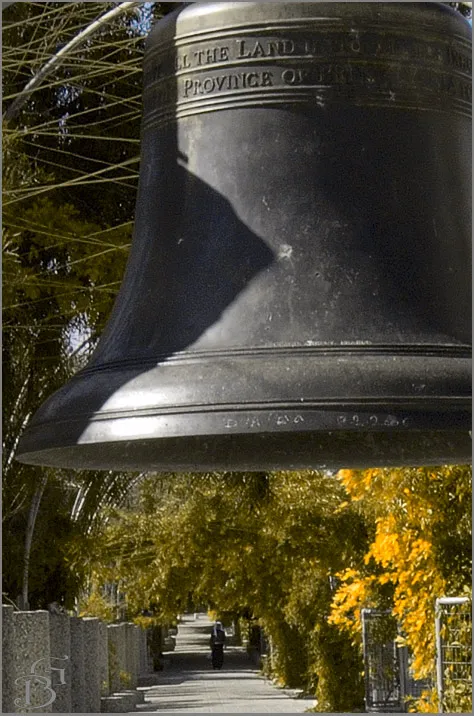
It is taken off in Jerusalem 2007
 © Gelman Benjamin
Jerusalem

Pics were taken in the begining of september 09
Jerusalem
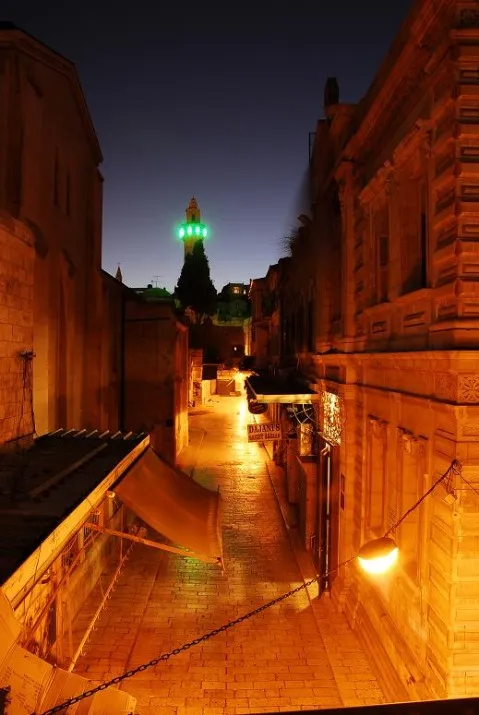
Pics were taken a month ago, in the begining of september 09
Pics of night Jerusalem
Pics of night Jerusalem
Bearing a cross in the Old City
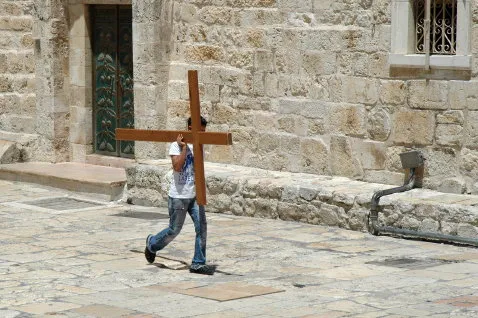
This shot was taken in the courtyard of the Church of the Holy Sepulchre. I'm not sure where this young man was going with the cross.
George, our home bodyguard!

The photo was taken in Har Adar on Thursday, Jan31 2008.
it was taken over 6 hours of heavy work, with the fine tunning of my Sister Hofit for the face.
it was taken over 6 hours of heavy work, with the fine tunning of my Sister Hofit for the face.
Aaron Ovadia
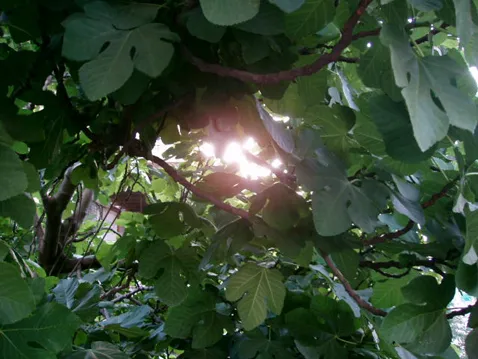
A light unto the nations.
This was a photo taken a little before sunset - around the spring time.
This was a photo taken a little before sunset - around the spring time.
Eclipse
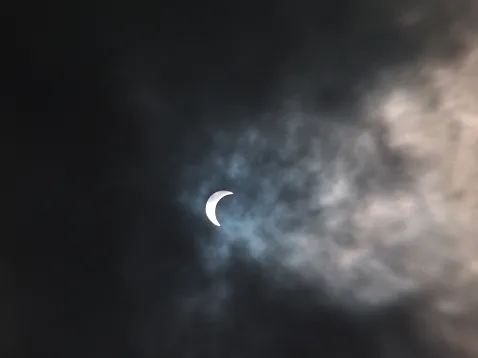
Shot taken with HP 945
Sun Eclipse of March 2006
Sun Eclipse of March 2006
Spectacled Bulbuls

Shot taken with Canon EOS 400D
Taken at the Jerusalem Bird Observatory
Taken at the Jerusalem Bird Observatory
Jewish Generations
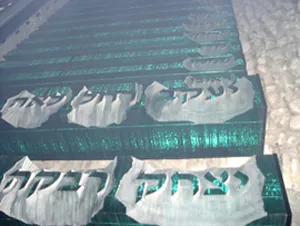
This photo was taken at the new glass exhibit adjacent to the Kotel. A must visit when in Jerusalem.
Broken Links
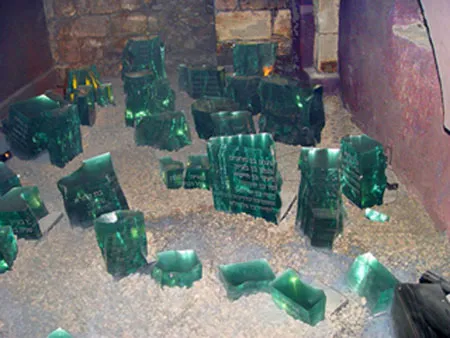
Taken at the new exhibition next to the Kotel. A must see when visiting Jerusalem.
Temple Mount: A view from the east
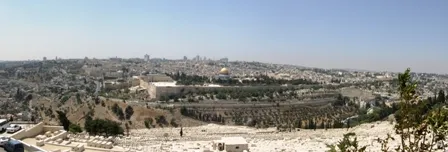
This panorama is a composite of 3 shots taken from the Mount of Olives in early Sept. '05.