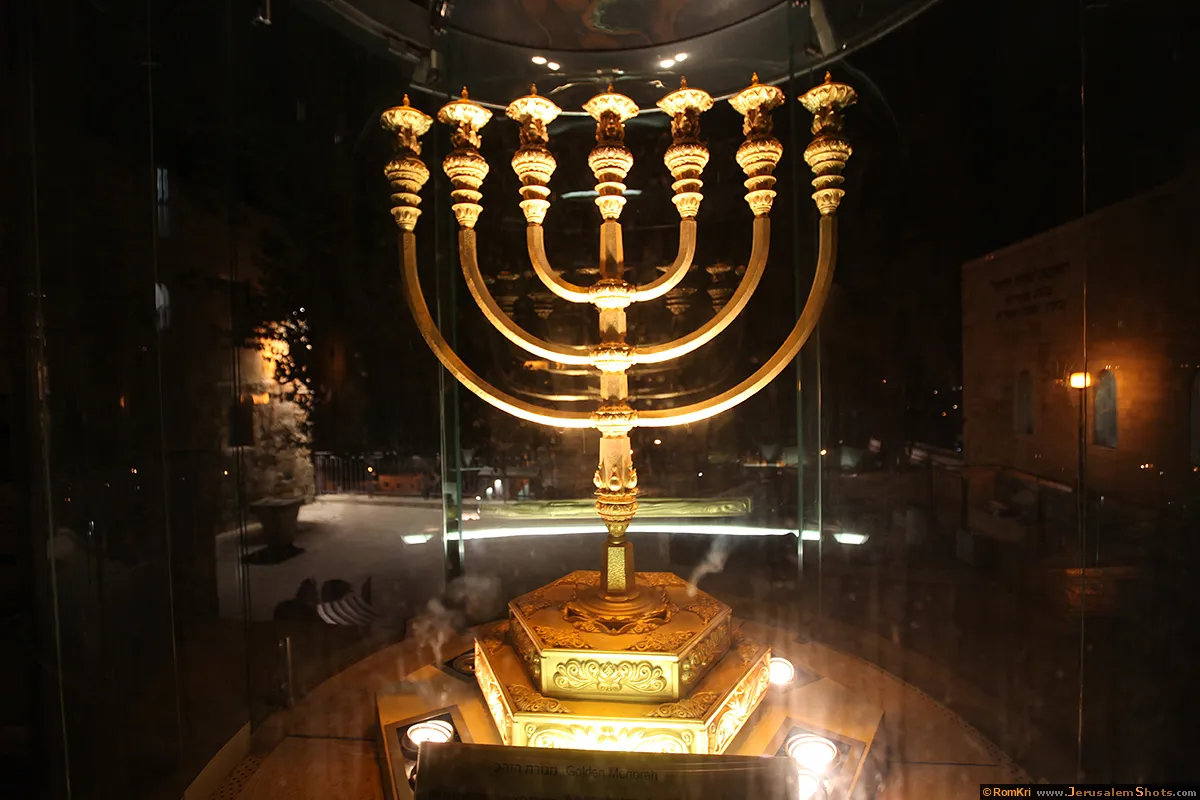
Memorials \ Reconstruction Chanukia of the second temple
 © RomKri
Jerusalem in the Time of the Second Temple
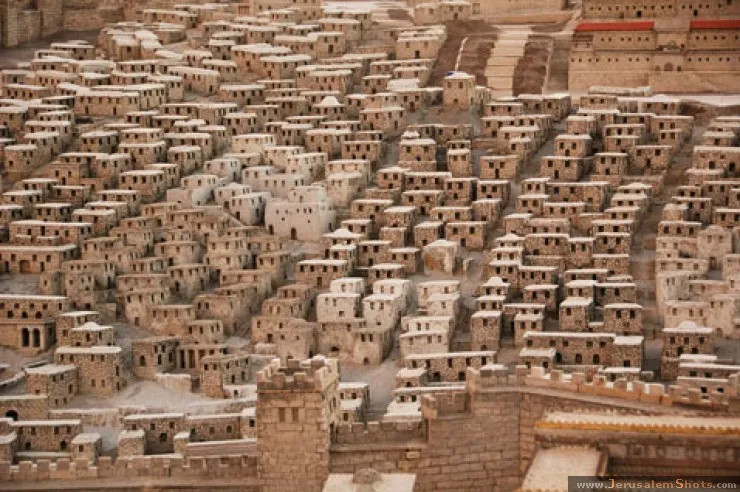
In the model of Jerusalem which recently moved from the Holyland Hotel to the Israel Museum.
 © Al Teich
Model of the Second Temple at the Israel Museum
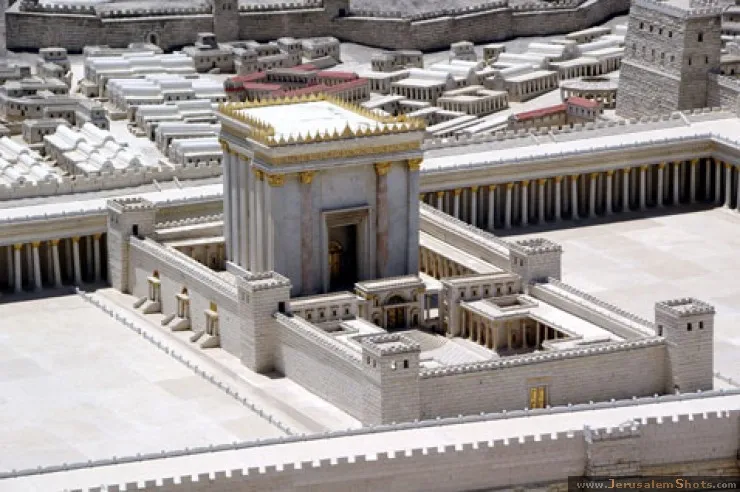
This is in the model of Jerusalem at the time of the Second Temple. It was moved from the Holyland Hotel to the Israel Museum in late 2005.
The Belz World Center, Jerusalem
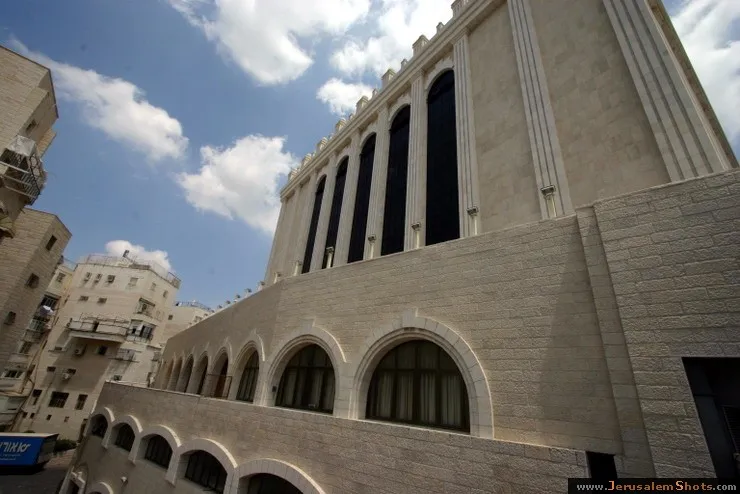
11.08.2009
In the 1980s, Rebbe Yissachar Dov spearheaded plans for a huge synagogue to be erected in the Kiryat Belz neighborhood of Jerusalem. Like the original synagogue of Belz which took 15 years to complete, the new Beis HaMedrash HaGadol ("The Great Synagogue") that now dominates the northern Jerusalem skyline also took 15 years to construct and was dedicated in 2000. Its main sanctuary seats 6000 worshipers (though crowds on the High Holy Days exceed 8000), making it the second largest Jewish house of worship in the world.
In the 1980s, Rebbe Yissachar Dov spearheaded plans for a huge synagogue to be erected in the Kiryat Belz neighborhood of Jerusalem. Like the original synagogue of Belz which took 15 years to complete, the new Beis HaMedrash HaGadol ("The Great Synagogue") that now dominates the northern Jerusalem skyline also took 15 years to construct and was dedicated in 2000. Its main sanctuary seats 6000 worshipers (though crowds on the High Holy Days exceed 8000), making it the second largest Jewish house of worship in the world.


 © Valery Dembitsky
The Belz World Center, Jerusalem
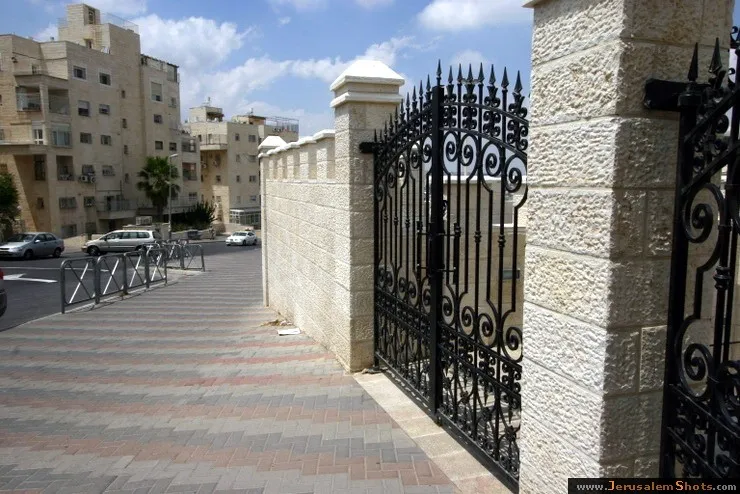
11.08.2009
In the 1980s, Rebbe Yissachar Dov spearheaded plans for a huge synagogue to be erected in the Kiryat Belz neighborhood of Jerusalem. Like the original synagogue of Belz which took 15 years to complete, the new Beis HaMedrash HaGadol ("The Great Synagogue") that now dominates the northern Jerusalem skyline also took 15 years to construct and was dedicated in 2000. Its main sanctuary seats 6000 worshipers (though crowds on the High Holy Days exceed 8000), making it the second largest Jewish house of worship in the world.
In the 1980s, Rebbe Yissachar Dov spearheaded plans for a huge synagogue to be erected in the Kiryat Belz neighborhood of Jerusalem. Like the original synagogue of Belz which took 15 years to complete, the new Beis HaMedrash HaGadol ("The Great Synagogue") that now dominates the northern Jerusalem skyline also took 15 years to construct and was dedicated in 2000. Its main sanctuary seats 6000 worshipers (though crowds on the High Holy Days exceed 8000), making it the second largest Jewish house of worship in the world.
The Belz World Center, Jerusalem

11.08.2009
In the 1980s, Rebbe Yissachar Dov spearheaded plans for a huge synagogue to be erected in the Kiryat Belz neighborhood of Jerusalem. Like the original synagogue of Belz which took 15 years to complete, the new Beis HaMedrash HaGadol ("The Great Synagogue") that now dominates the northern Jerusalem skyline also took 15 years to construct and was dedicated in 2000. Its main sanctuary seats 6000 worshipers (though crowds on the High Holy Days exceed 8000), making it the second largest Jewish house of worship in the world.
In the 1980s, Rebbe Yissachar Dov spearheaded plans for a huge synagogue to be erected in the Kiryat Belz neighborhood of Jerusalem. Like the original synagogue of Belz which took 15 years to complete, the new Beis HaMedrash HaGadol ("The Great Synagogue") that now dominates the northern Jerusalem skyline also took 15 years to construct and was dedicated in 2000. Its main sanctuary seats 6000 worshipers (though crowds on the High Holy Days exceed 8000), making it the second largest Jewish house of worship in the world.
The Belz World Center, Jerusalem

11.08.2009
In the 1980s, Rebbe Yissachar Dov spearheaded plans for a huge synagogue to be erected in the Kiryat Belz neighborhood of Jerusalem. Like the original synagogue of Belz which took 15 years to complete, the new Beis HaMedrash HaGadol ("The Great Synagogue") that now dominates the northern Jerusalem skyline also took 15 years to construct and was dedicated in 2000. Its main sanctuary seats 6000 worshipers (though crowds on the High Holy Days exceed 8000), making it the second largest Jewish house of worship in the world.
In the 1980s, Rebbe Yissachar Dov spearheaded plans for a huge synagogue to be erected in the Kiryat Belz neighborhood of Jerusalem. Like the original synagogue of Belz which took 15 years to complete, the new Beis HaMedrash HaGadol ("The Great Synagogue") that now dominates the northern Jerusalem skyline also took 15 years to construct and was dedicated in 2000. Its main sanctuary seats 6000 worshipers (though crowds on the High Holy Days exceed 8000), making it the second largest Jewish house of worship in the world.
The Belz World Center, Jerusalem

11.08.2009
In the 1980s, Rebbe Yissachar Dov spearheaded plans for a huge synagogue to be erected in the Kiryat Belz neighborhood of Jerusalem. Like the original synagogue of Belz which took 15 years to complete, the new Beis HaMedrash HaGadol ("The Great Synagogue") that now dominates the northern Jerusalem skyline also took 15 years to construct and was dedicated in 2000. Its main sanctuary seats 6000 worshipers (though crowds on the High Holy Days exceed 8000), making it the second largest Jewish house of worship in the world.
In the 1980s, Rebbe Yissachar Dov spearheaded plans for a huge synagogue to be erected in the Kiryat Belz neighborhood of Jerusalem. Like the original synagogue of Belz which took 15 years to complete, the new Beis HaMedrash HaGadol ("The Great Synagogue") that now dominates the northern Jerusalem skyline also took 15 years to construct and was dedicated in 2000. Its main sanctuary seats 6000 worshipers (though crowds on the High Holy Days exceed 8000), making it the second largest Jewish house of worship in the world.
The Belz World Center, Jerusalem

11.08.2009
In the 1980s, Rebbe Yissachar Dov spearheaded plans for a huge synagogue to be erected in the Kiryat Belz neighborhood of Jerusalem. Like the original synagogue of Belz which took 15 years to complete, the new Beis HaMedrash HaGadol ("The Great Synagogue") that now dominates the northern Jerusalem skyline also took 15 years to construct and was dedicated in 2000. Its main sanctuary seats 6000 worshipers (though crowds on the High Holy Days exceed 8000), making it the second largest Jewish house of worship in the world.
In the 1980s, Rebbe Yissachar Dov spearheaded plans for a huge synagogue to be erected in the Kiryat Belz neighborhood of Jerusalem. Like the original synagogue of Belz which took 15 years to complete, the new Beis HaMedrash HaGadol ("The Great Synagogue") that now dominates the northern Jerusalem skyline also took 15 years to construct and was dedicated in 2000. Its main sanctuary seats 6000 worshipers (though crowds on the High Holy Days exceed 8000), making it the second largest Jewish house of worship in the world.
The Belz World Center, Jerusalem

11.08.2009
In the 1980s, Rebbe Yissachar Dov spearheaded plans for a huge synagogue to be erected in the Kiryat Belz neighborhood of Jerusalem. Like the original synagogue of Belz which took 15 years to complete, the new Beis HaMedrash HaGadol ("The Great Synagogue") that now dominates the northern Jerusalem skyline also took 15 years to construct and was dedicated in 2000. Its main sanctuary seats 6000 worshipers (though crowds on the High Holy Days exceed 8000), making it the second largest Jewish house of worship in the world.
In the 1980s, Rebbe Yissachar Dov spearheaded plans for a huge synagogue to be erected in the Kiryat Belz neighborhood of Jerusalem. Like the original synagogue of Belz which took 15 years to complete, the new Beis HaMedrash HaGadol ("The Great Synagogue") that now dominates the northern Jerusalem skyline also took 15 years to construct and was dedicated in 2000. Its main sanctuary seats 6000 worshipers (though crowds on the High Holy Days exceed 8000), making it the second largest Jewish house of worship in the world.
Memorials \ Yitzhak and Leah Rabin's Grave, Mt. Herzl
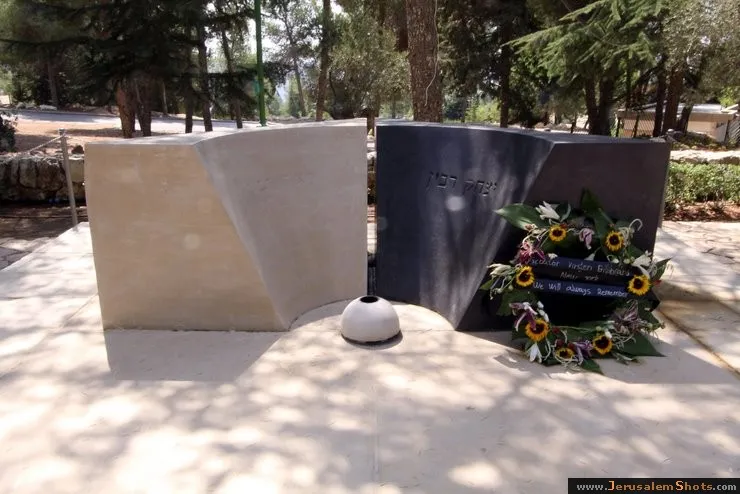
Fifth Israeli Prime Minister, he was assassinated by a right-wing Israeli, Yigal Amir, who opposed his government’s signing of the Oslo Accords with the Palestinians. He was the first Israeli-born Prime Minister, and the second to die in office. He was born in Jerusalem, in what was then the British Mandate of Palestine, of Russian-Jewish parents.
The Belz World Center, Jerusalem

11.08.2009
In the 1980s, Rebbe Yissachar Dov spearheaded plans for a huge synagogue to be erected in the Kiryat Belz neighborhood of Jerusalem. Like the original synagogue of Belz which took 15 years to complete, the new Beis HaMedrash HaGadol ("The Great Synagogue") that now dominates the northern Jerusalem skyline also took 15 years to construct and was dedicated in 2000. Its main sanctuary seats 6000 worshipers (though crowds on the High Holy Days exceed 8000), making it the second largest Jewish house of worship in the world.
In the 1980s, Rebbe Yissachar Dov spearheaded plans for a huge synagogue to be erected in the Kiryat Belz neighborhood of Jerusalem. Like the original synagogue of Belz which took 15 years to complete, the new Beis HaMedrash HaGadol ("The Great Synagogue") that now dominates the northern Jerusalem skyline also took 15 years to construct and was dedicated in 2000. Its main sanctuary seats 6000 worshipers (though crowds on the High Holy Days exceed 8000), making it the second largest Jewish house of worship in the world.
The Belz World Center, Jerusalem

11.08.2009
In the 1980s, Rebbe Yissachar Dov spearheaded plans for a huge synagogue to be erected in the Kiryat Belz neighborhood of Jerusalem. Like the original synagogue of Belz which took 15 years to complete, the new Beis HaMedrash HaGadol ("The Great Synagogue") that now dominates the northern Jerusalem skyline also took 15 years to construct and was dedicated in 2000. Its main sanctuary seats 6000 worshipers (though crowds on the High Holy Days exceed 8000), making it the second largest Jewish house of worship in the world.
In the 1980s, Rebbe Yissachar Dov spearheaded plans for a huge synagogue to be erected in the Kiryat Belz neighborhood of Jerusalem. Like the original synagogue of Belz which took 15 years to complete, the new Beis HaMedrash HaGadol ("The Great Synagogue") that now dominates the northern Jerusalem skyline also took 15 years to construct and was dedicated in 2000. Its main sanctuary seats 6000 worshipers (though crowds on the High Holy Days exceed 8000), making it the second largest Jewish house of worship in the world.
The Wailing Wall
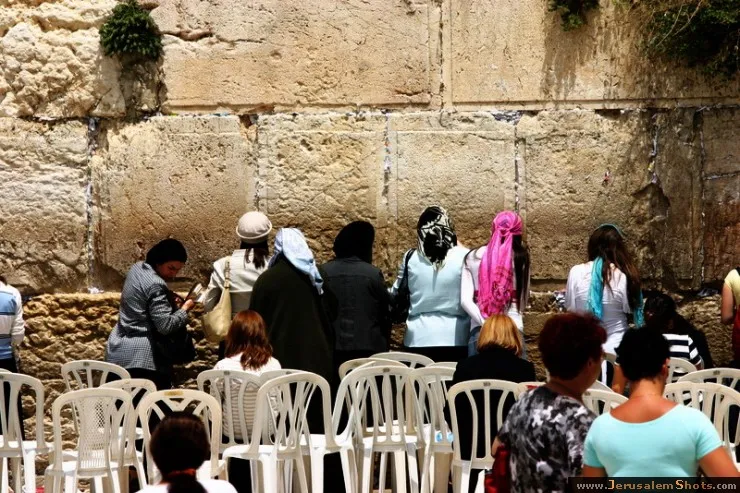
The Women Division (Right Part)
16.05.2008
The Western Wall sometimes referred to as the Wailing Wall or simply the Kotel (lit. Wall; Ashkenazic pronunciation: Kosel), and as al-Buraaq Wall by Muslims, is an important Jewish religious site located in the Old City of Jerusalem. Just over half the wall, including its 17 courses located below street level, dates from the end of the Second Temple period, being constructed around 19 BCE by Herod the Great.
16.05.2008
The Western Wall sometimes referred to as the Wailing Wall or simply the Kotel (lit. Wall; Ashkenazic pronunciation: Kosel), and as al-Buraaq Wall by Muslims, is an important Jewish religious site located in the Old City of Jerusalem. Just over half the wall, including its 17 courses located below street level, dates from the end of the Second Temple period, being constructed around 19 BCE by Herod the Great.
Jerusalem. Old City.

The Western Wall Tunnels.Column of an epoch of the Second Temple.
View from the City of David
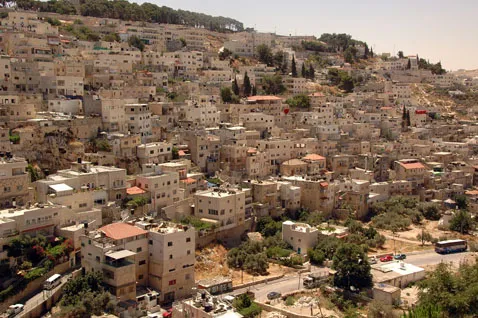
This part of modern Jerusalem is strikingly similar to the model of Jerusalem in the time of the Second Temple
Jerusalem Model Showing the Second Temple

The model of Jerusalem in ancient times recently moved from the Holyland Hotel to the Israel Museum.
Here Jesus Falls the second time
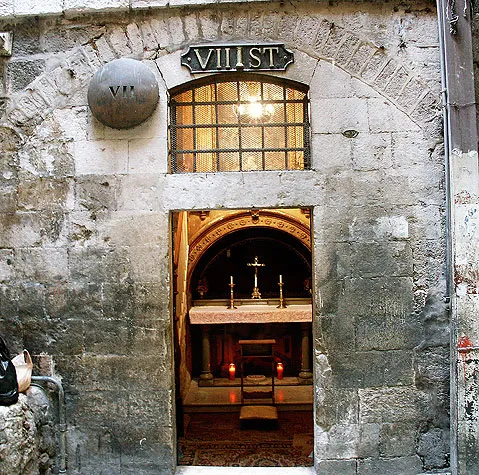
Adoramus te, Christe, et benedicimus tibi. Quia per sanctam crucem tuam redemisti mundum
Yet he was pierced through for our faults, crushed for our sins. On him lies a punishment that brings un peace, and through his wounds we are healed. (Is. 53, 5)
It is not the healthy who need the doctor, but the sick...I have not come to call the righteous, but sinners. (Matthew 9, 12-13)
Yet he was pierced through for our faults, crushed for our sins. On him lies a punishment that brings un peace, and through his wounds we are healed. (Is. 53, 5)
It is not the healthy who need the doctor, but the sick...I have not come to call the righteous, but sinners. (Matthew 9, 12-13)
2,000 year-old pothole just below the Temple Mount

This deep indentation was made by huge stones that were thrown down during the destruction of the Second Temple in 70 C.E.
Jerusalem.Mormon University.

Model of the Second Temple.