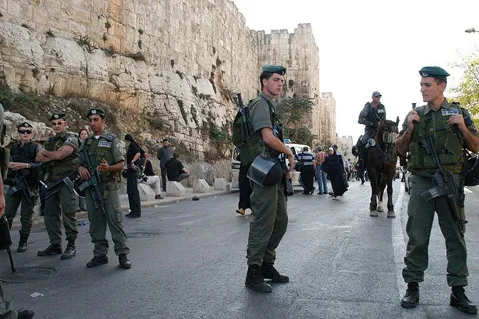
Kotel \ Prayer

 © RomKri
Prayer

 © אורנה ניצן
Kotel \ prayer
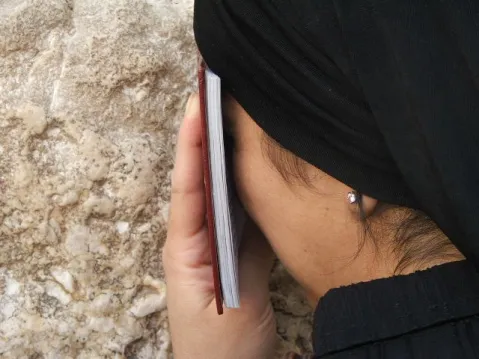
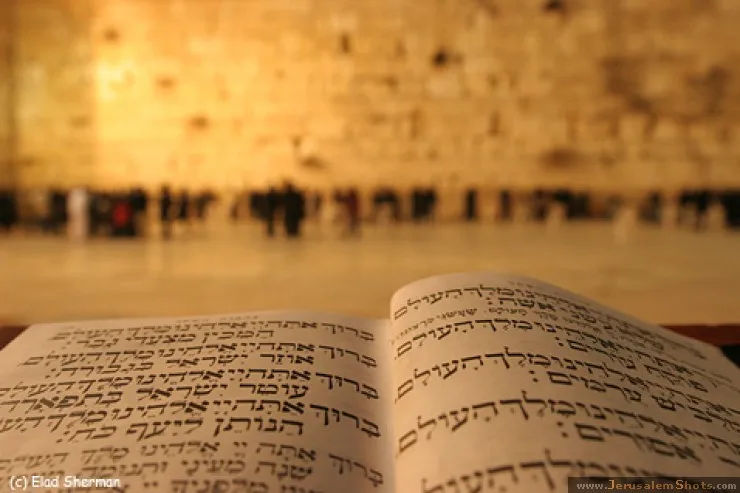

 © Elad Sherman
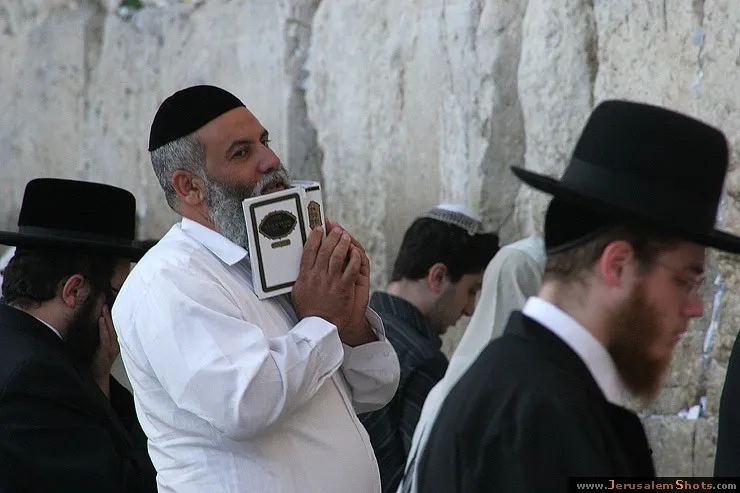
Friday-Prayers
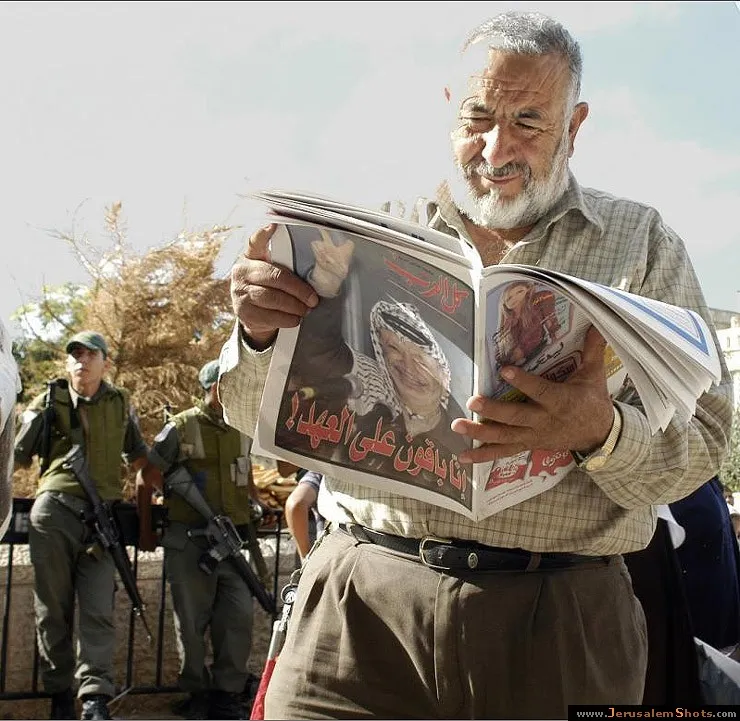
Friday-Prayers
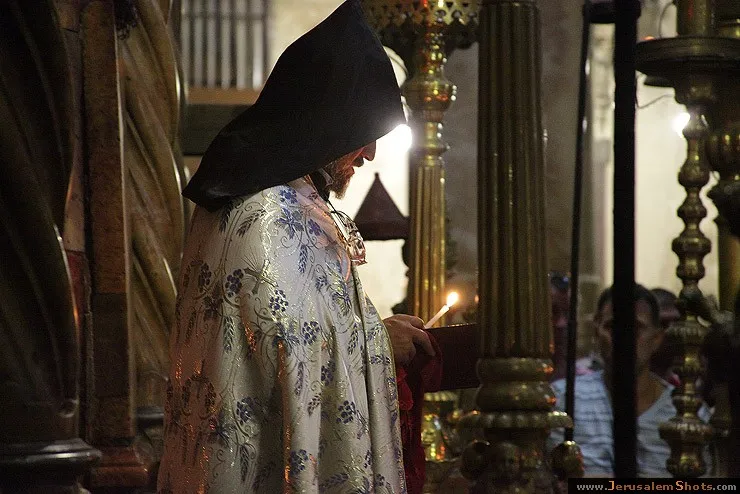
Armenian prayer in Holy Sepulcher

Friday-Prayers

Friday-Prayers
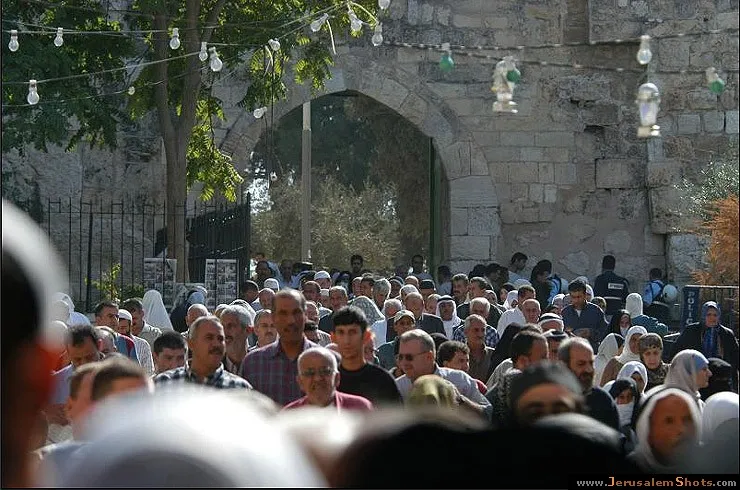
Friday-Prayers
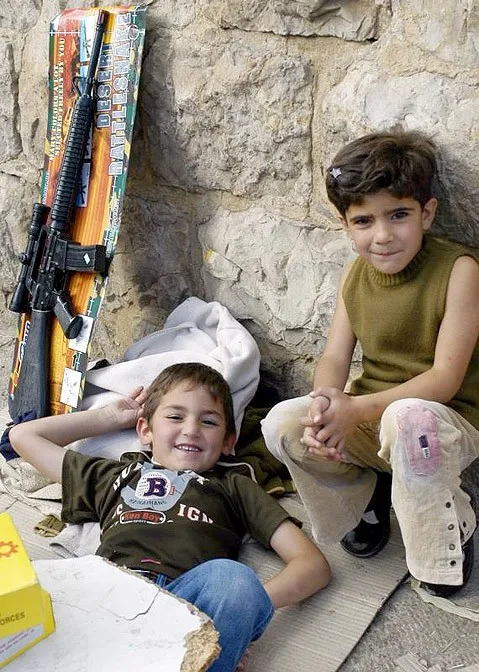
Friday-Prayers
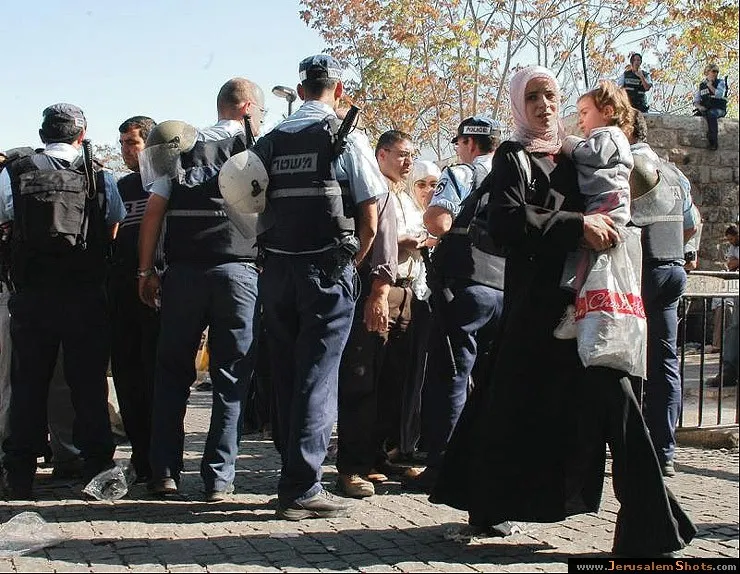
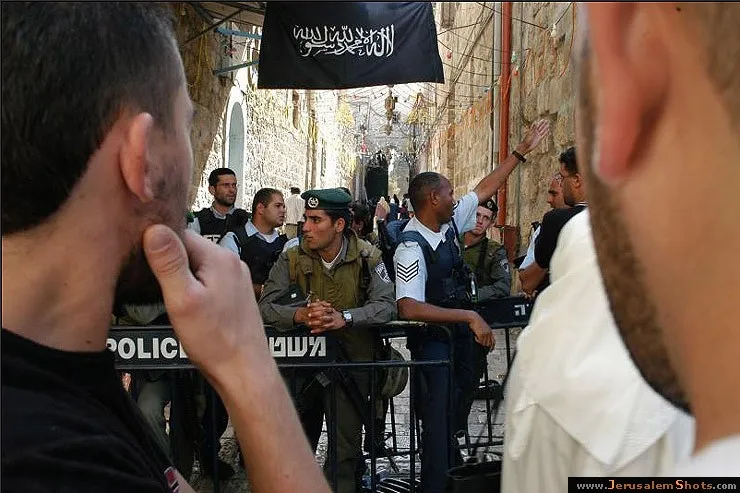
Friday-Prayers
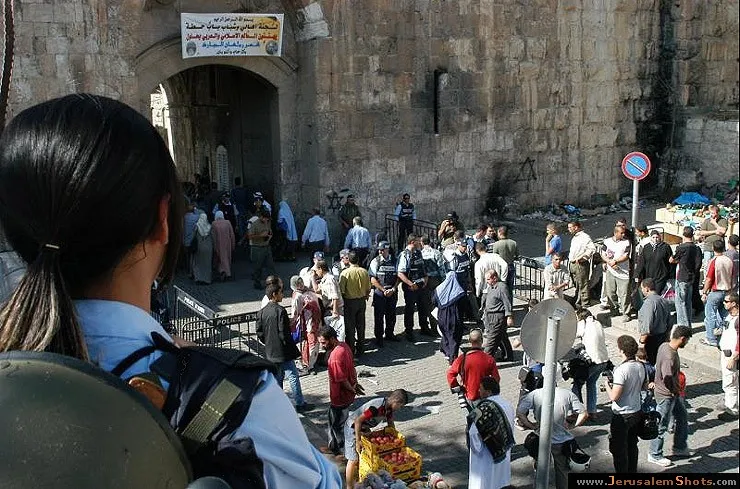
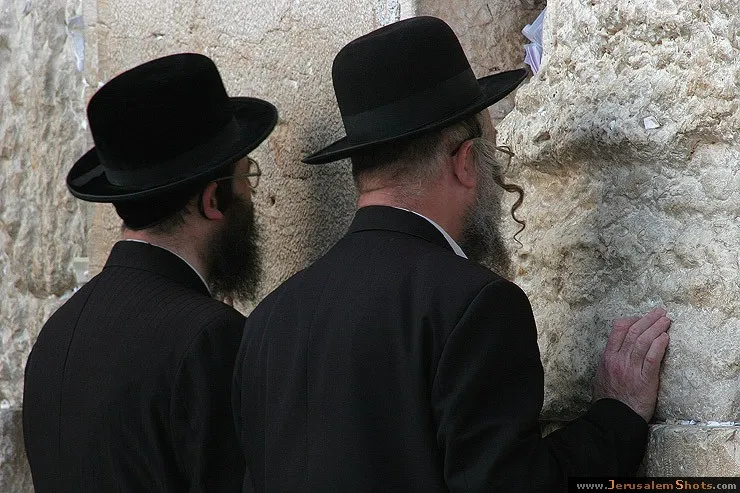
Kotel \ Prayer at the Kotel
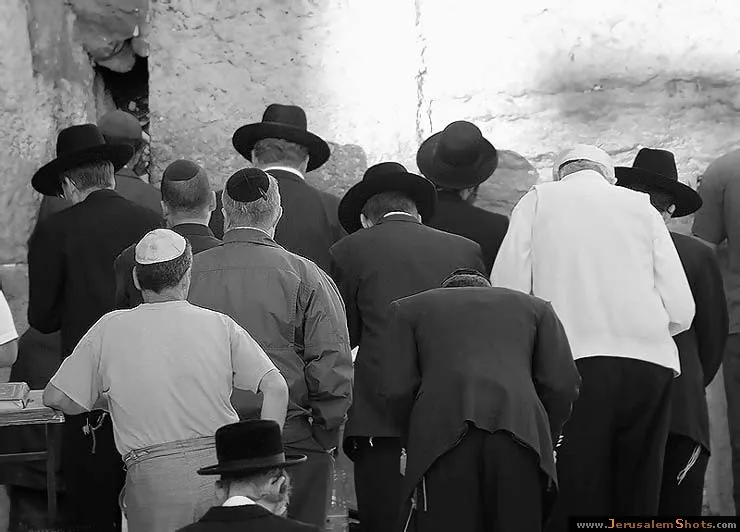
Temple Mount
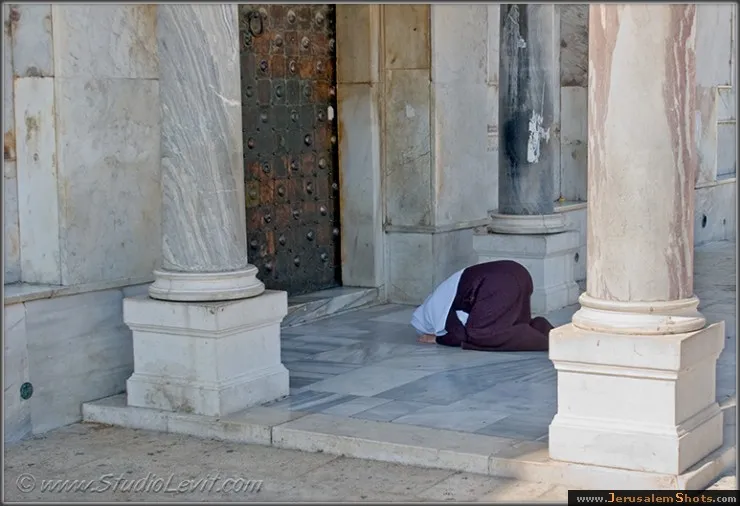

 © Mikhail Levit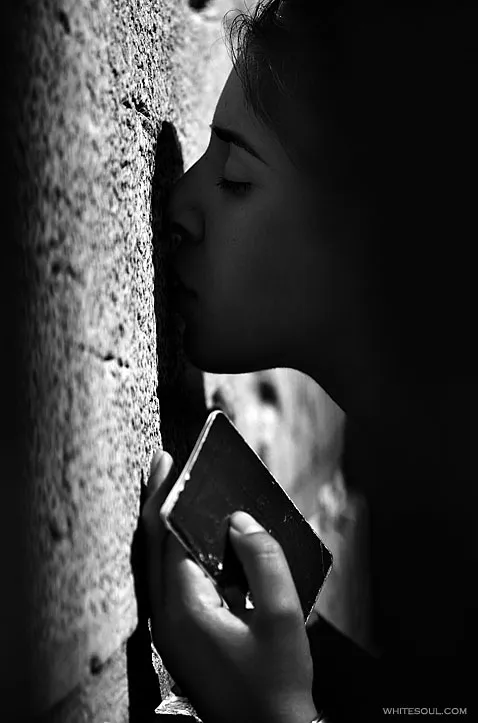
Armenian prayer in Holy Sepulcher
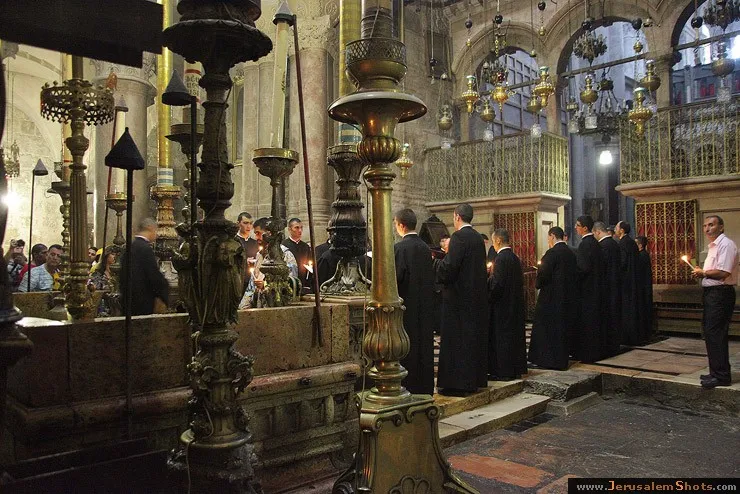
Armenian prayer in Holy Sepulcher
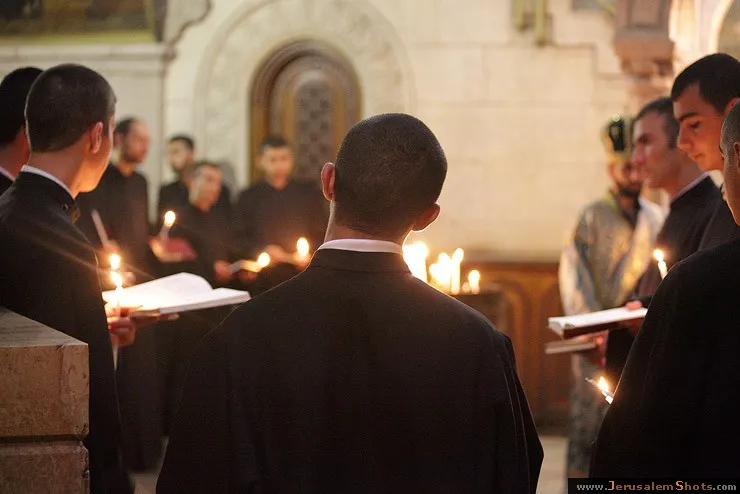
Kotel \ Prayer at the Kotel
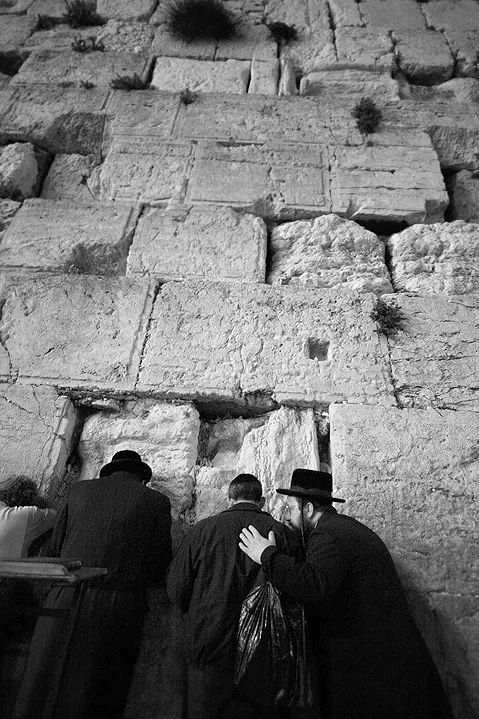
Armenian prayer in Holy Sepulcher

Armenian prayer in Holy Sepulcher
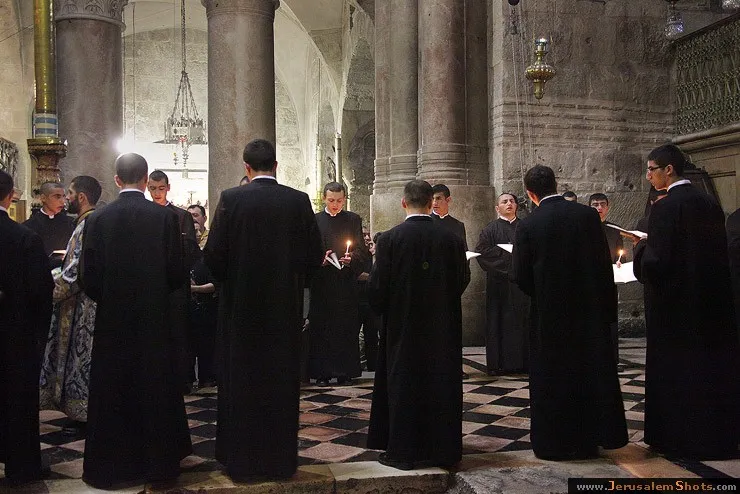
Kotel \ Prayer at the Kotel
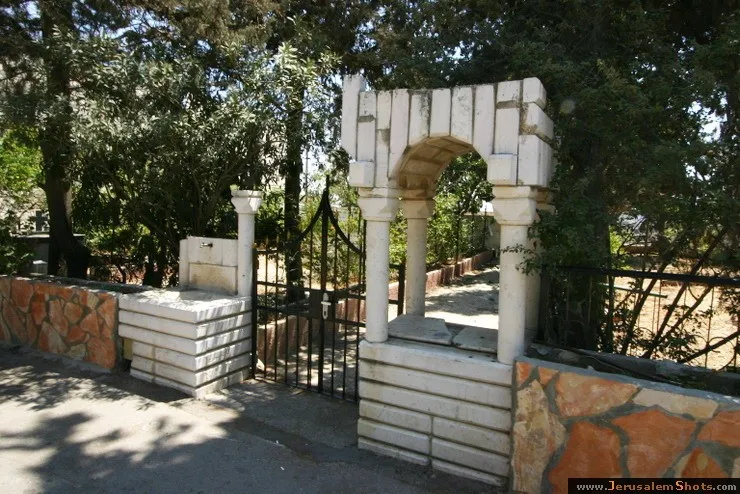
Mar Elias Monastery, Jerusalem

13.08.2009
This Greek Orthodox Monastery stands like a fortress on a hill from which both Jerusalem and Bethlehem can be seen. Mar Elias Monastery is located 5 km to the north of Bethlehem on the way to Jerusalem, and was founded in the 6th century AD and rebuilt by the Emperor Manual Communes in 1160.
Legend has it that the building stands on the site where prophet Elijah (pbuh) rested on his flight from the Vengeance of Queen Jezebel, who was seeking vengeance after Elijah slaughtered the priests of Baal (1 Kings 19:15). Another tradition holds that Greek Bishop Elias of Bethlehem was buried here in 1345, and another holds that it places the sepulcher of St. Elias, an Egyptian monk who became Patriarch of Jerusalem in 494. Mar Elias is believed to answer the prayers of barren women and ailing children. From the monastery, Bethlehem can be seen to the south, Herodion to the southeast and sometimes the Dead Sea across the valley to the east.
This Greek Orthodox Monastery stands like a fortress on a hill from which both Jerusalem and Bethlehem can be seen. Mar Elias Monastery is located 5 km to the north of Bethlehem on the way to Jerusalem, and was founded in the 6th century AD and rebuilt by the Emperor Manual Communes in 1160.
Legend has it that the building stands on the site where prophet Elijah (pbuh) rested on his flight from the Vengeance of Queen Jezebel, who was seeking vengeance after Elijah slaughtered the priests of Baal (1 Kings 19:15). Another tradition holds that Greek Bishop Elias of Bethlehem was buried here in 1345, and another holds that it places the sepulcher of St. Elias, an Egyptian monk who became Patriarch of Jerusalem in 494. Mar Elias is believed to answer the prayers of barren women and ailing children. From the monastery, Bethlehem can be seen to the south, Herodion to the southeast and sometimes the Dead Sea across the valley to the east.
Armenian prayer in Holy Sepulcher
Kotel \ Prayer at the Kotel
Mar Elias Monastery, Jerusalem
13.08.2009
This Greek Orthodox Monastery stands like a fortress on a hill from which both Jerusalem and Bethlehem can be seen. Mar Elias Monastery is located 5 km to the north of Bethlehem on the way to Jerusalem, and was founded in the 6th century AD and rebuilt by the Emperor Manual Communes in 1160.
Legend has it that the building stands on the site where prophet Elijah (pbuh) rested on his flight from the Vengeance of Queen Jezebel, who was seeking vengeance after Elijah slaughtered the priests of Baal (1 Kings 19:15). Another tradition holds that Greek Bishop Elias of Bethlehem was buried here in 1345, and another holds that it places the sepulcher of St. Elias, an Egyptian monk who became Patriarch of Jerusalem in 494. Mar Elias is believed to answer the prayers of barren women and ailing children. From the monastery, Bethlehem can be seen to the south, Herodion to the southeast and sometimes the Dead Sea across the valley to the east.
This Greek Orthodox Monastery stands like a fortress on a hill from which both Jerusalem and Bethlehem can be seen. Mar Elias Monastery is located 5 km to the north of Bethlehem on the way to Jerusalem, and was founded in the 6th century AD and rebuilt by the Emperor Manual Communes in 1160.
Legend has it that the building stands on the site where prophet Elijah (pbuh) rested on his flight from the Vengeance of Queen Jezebel, who was seeking vengeance after Elijah slaughtered the priests of Baal (1 Kings 19:15). Another tradition holds that Greek Bishop Elias of Bethlehem was buried here in 1345, and another holds that it places the sepulcher of St. Elias, an Egyptian monk who became Patriarch of Jerusalem in 494. Mar Elias is believed to answer the prayers of barren women and ailing children. From the monastery, Bethlehem can be seen to the south, Herodion to the southeast and sometimes the Dead Sea across the valley to the east.
Mar Elias Monastery, Jerusalem
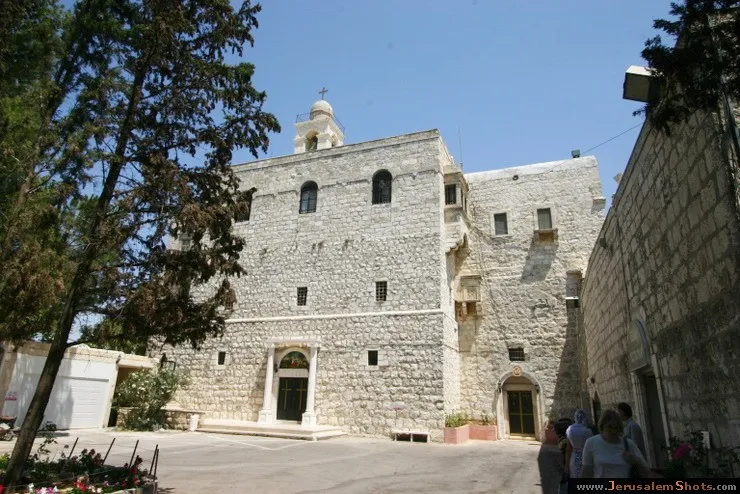
13.08.2009
This Greek Orthodox Monastery stands like a fortress on a hill from which both Jerusalem and Bethlehem can be seen. Mar Elias Monastery is located 5 km to the north of Bethlehem on the way to Jerusalem, and was founded in the 6th century AD and rebuilt by the Emperor Manual Communes in 1160.
Legend has it that the building stands on the site where prophet Elijah (pbuh) rested on his flight from the Vengeance of Queen Jezebel, who was seeking vengeance after Elijah slaughtered the priests of Baal (1 Kings 19:15). Another tradition holds that Greek Bishop Elias of Bethlehem was buried here in 1345, and another holds that it places the sepulcher of St. Elias, an Egyptian monk who became Patriarch of Jerusalem in 494. Mar Elias is believed to answer the prayers of barren women and ailing children. From the monastery, Bethlehem can be seen to the south, Herodion to the southeast and sometimes the Dead Sea across the valley to the east.
This Greek Orthodox Monastery stands like a fortress on a hill from which both Jerusalem and Bethlehem can be seen. Mar Elias Monastery is located 5 km to the north of Bethlehem on the way to Jerusalem, and was founded in the 6th century AD and rebuilt by the Emperor Manual Communes in 1160.
Legend has it that the building stands on the site where prophet Elijah (pbuh) rested on his flight from the Vengeance of Queen Jezebel, who was seeking vengeance after Elijah slaughtered the priests of Baal (1 Kings 19:15). Another tradition holds that Greek Bishop Elias of Bethlehem was buried here in 1345, and another holds that it places the sepulcher of St. Elias, an Egyptian monk who became Patriarch of Jerusalem in 494. Mar Elias is believed to answer the prayers of barren women and ailing children. From the monastery, Bethlehem can be seen to the south, Herodion to the southeast and sometimes the Dead Sea across the valley to the east.
Armenian prayer in Holy Sepulcher

Kotel \ Big Prayer, Walling Wall

Church Icon with Candles and Donations
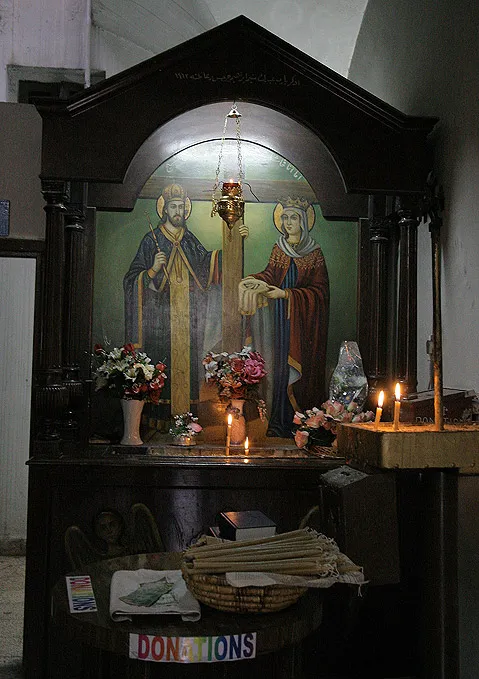
A wooden shrine inside a church features a painted icon of two crowned saints under an arch. In front of the image, an oil lamp and candles burn alongside vases of fresh flowers. Below, a basket holds unlit prayer candles next to a colorful sign asking for donations.
Mar Elias Monastery, Jerusalem
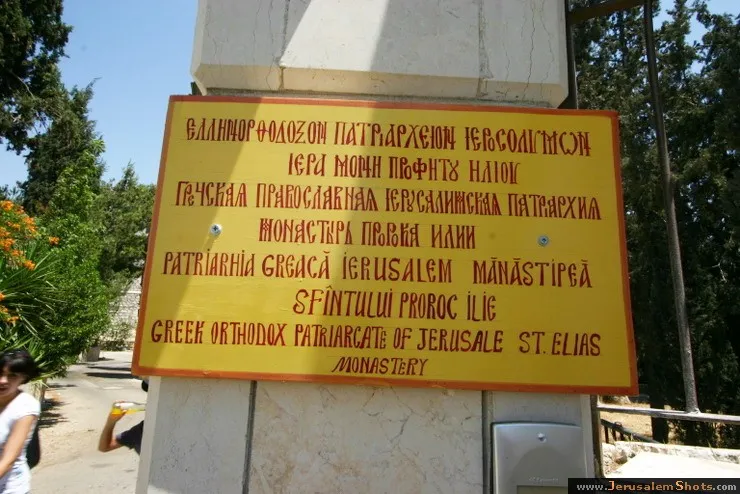
13.08.2009
This Greek Orthodox Monastery stands like a fortress on a hill from which both Jerusalem and Bethlehem can be seen. Mar Elias Monastery is located 5 km to the north of Bethlehem on the way to Jerusalem, and was founded in the 6th century AD and rebuilt by the Emperor Manual Communes in 1160.
Legend has it that the building stands on the site where prophet Elijah (pbuh) rested on his flight from the Vengeance of Queen Jezebel, who was seeking vengeance after Elijah slaughtered the priests of Baal (1 Kings 19:15). Another tradition holds that Greek Bishop Elias of Bethlehem was buried here in 1345, and another holds that it places the sepulcher of St. Elias, an Egyptian monk who became Patriarch of Jerusalem in 494. Mar Elias is believed to answer the prayers of barren women and ailing children. From the monastery, Bethlehem can be seen to the south, Herodion to the southeast and sometimes the Dead Sea across the valley to the east.
This Greek Orthodox Monastery stands like a fortress on a hill from which both Jerusalem and Bethlehem can be seen. Mar Elias Monastery is located 5 km to the north of Bethlehem on the way to Jerusalem, and was founded in the 6th century AD and rebuilt by the Emperor Manual Communes in 1160.
Legend has it that the building stands on the site where prophet Elijah (pbuh) rested on his flight from the Vengeance of Queen Jezebel, who was seeking vengeance after Elijah slaughtered the priests of Baal (1 Kings 19:15). Another tradition holds that Greek Bishop Elias of Bethlehem was buried here in 1345, and another holds that it places the sepulcher of St. Elias, an Egyptian monk who became Patriarch of Jerusalem in 494. Mar Elias is believed to answer the prayers of barren women and ailing children. From the monastery, Bethlehem can be seen to the south, Herodion to the southeast and sometimes the Dead Sea across the valley to the east.
Mar Elias Monastery, Jerusalem

13.08.2009
This Greek Orthodox Monastery stands like a fortress on a hill from which both Jerusalem and Bethlehem can be seen. Mar Elias Monastery is located 5 km to the north of Bethlehem on the way to Jerusalem, and was founded in the 6th century AD and rebuilt by the Emperor Manual Communes in 1160.
Legend has it that the building stands on the site where prophet Elijah (pbuh) rested on his flight from the Vengeance of Queen Jezebel, who was seeking vengeance after Elijah slaughtered the priests of Baal (1 Kings 19:15). Another tradition holds that Greek Bishop Elias of Bethlehem was buried here in 1345, and another holds that it places the sepulcher of St. Elias, an Egyptian monk who became Patriarch of Jerusalem in 494. Mar Elias is believed to answer the prayers of barren women and ailing children. From the monastery, Bethlehem can be seen to the south, Herodion to the southeast and sometimes the Dead Sea across the valley to the east.
This Greek Orthodox Monastery stands like a fortress on a hill from which both Jerusalem and Bethlehem can be seen. Mar Elias Monastery is located 5 km to the north of Bethlehem on the way to Jerusalem, and was founded in the 6th century AD and rebuilt by the Emperor Manual Communes in 1160.
Legend has it that the building stands on the site where prophet Elijah (pbuh) rested on his flight from the Vengeance of Queen Jezebel, who was seeking vengeance after Elijah slaughtered the priests of Baal (1 Kings 19:15). Another tradition holds that Greek Bishop Elias of Bethlehem was buried here in 1345, and another holds that it places the sepulcher of St. Elias, an Egyptian monk who became Patriarch of Jerusalem in 494. Mar Elias is believed to answer the prayers of barren women and ailing children. From the monastery, Bethlehem can be seen to the south, Herodion to the southeast and sometimes the Dead Sea across the valley to the east.
Mar Elias Monastery, Jerusalem

13.08.2009
This Greek Orthodox Monastery stands like a fortress on a hill from which both Jerusalem and Bethlehem can be seen. Mar Elias Monastery is located 5 km to the north of Bethlehem on the way to Jerusalem, and was founded in the 6th century AD and rebuilt by the Emperor Manual Communes in 1160.
Legend has it that the building stands on the site where prophet Elijah (pbuh) rested on his flight from the Vengeance of Queen Jezebel, who was seeking vengeance after Elijah slaughtered the priests of Baal (1 Kings 19:15). Another tradition holds that Greek Bishop Elias of Bethlehem was buried here in 1345, and another holds that it places the sepulcher of St. Elias, an Egyptian monk who became Patriarch of Jerusalem in 494. Mar Elias is believed to answer the prayers of barren women and ailing children. From the monastery, Bethlehem can be seen to the south, Herodion to the southeast and sometimes the Dead Sea across the valley to the east.
This Greek Orthodox Monastery stands like a fortress on a hill from which both Jerusalem and Bethlehem can be seen. Mar Elias Monastery is located 5 km to the north of Bethlehem on the way to Jerusalem, and was founded in the 6th century AD and rebuilt by the Emperor Manual Communes in 1160.
Legend has it that the building stands on the site where prophet Elijah (pbuh) rested on his flight from the Vengeance of Queen Jezebel, who was seeking vengeance after Elijah slaughtered the priests of Baal (1 Kings 19:15). Another tradition holds that Greek Bishop Elias of Bethlehem was buried here in 1345, and another holds that it places the sepulcher of St. Elias, an Egyptian monk who became Patriarch of Jerusalem in 494. Mar Elias is believed to answer the prayers of barren women and ailing children. From the monastery, Bethlehem can be seen to the south, Herodion to the southeast and sometimes the Dead Sea across the valley to the east.
Kotel \ Big Prayer, Walling Wall
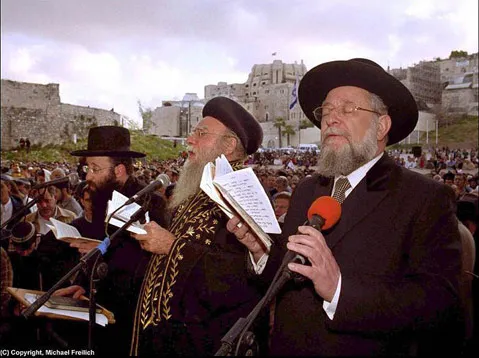
Friday-Prayers
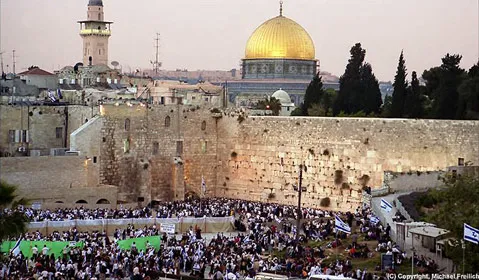
Kotel \ Big Prayer, Walling Wall
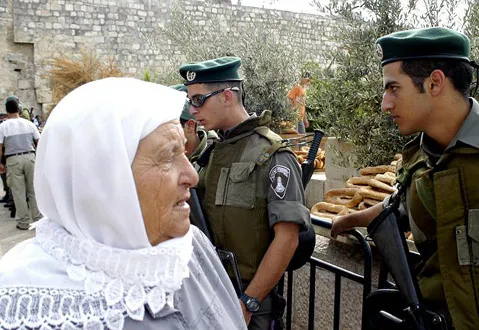
Friday-Prayers
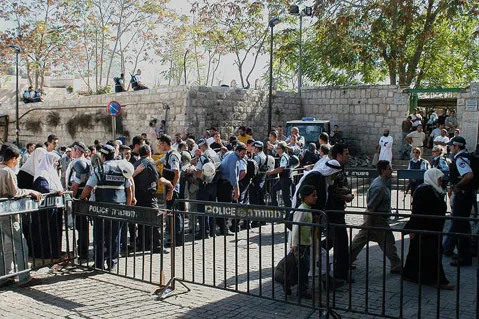
Friday-Prayers