People \ Israeli Border Police
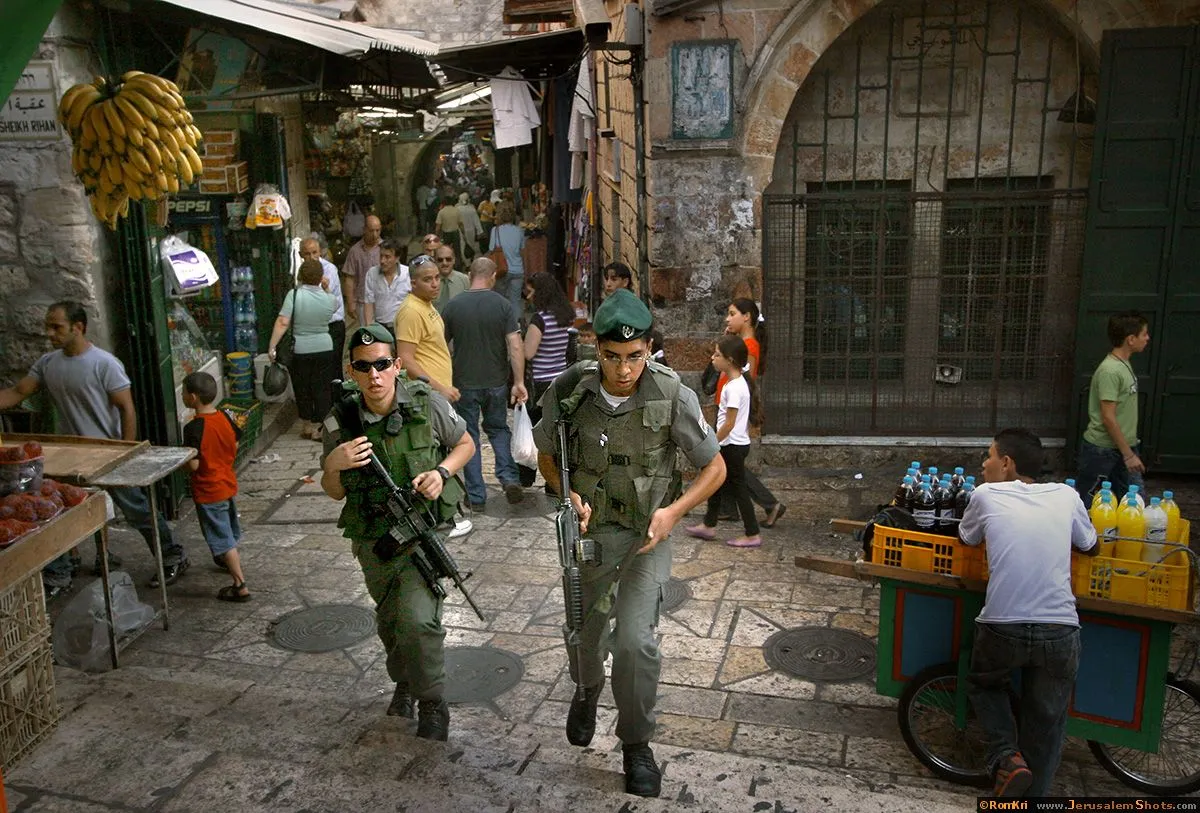
 © RomKri
Ancient Stone Walls of Jerusalem

A view of the massive, weathered stone walls and archaeological layers of Jerusalem's Old City. Greenery and ancient ruins are visible in the foreground.
Ancient Stone Wall and Ruins

A view of a massive stone wall of the Old City, with ancient stone fragments and ruins in the foreground.
Beit Hanina, East Jerusalem

10.08.2009
Beit Hanina is a Palestinian neighborhood in East Jerusalem on the road to Ramallah. It is bordered by Hizma to the east, Shuafat to the south, Beit Iksa and Nabi Samwil to the west. The total area of Beit Hanina is 20 sq. kilometers (approximately 9 sq. miles). In 2007, Beit Hanina had a population of over 27,000.
Beit Hanina is a Palestinian neighborhood in East Jerusalem on the road to Ramallah. It is bordered by Hizma to the east, Shuafat to the south, Beit Iksa and Nabi Samwil to the west. The total area of Beit Hanina is 20 sq. kilometers (approximately 9 sq. miles). In 2007, Beit Hanina had a population of over 27,000.


 © Valery Dembitsky
Beit Hanina, East Jerusalem
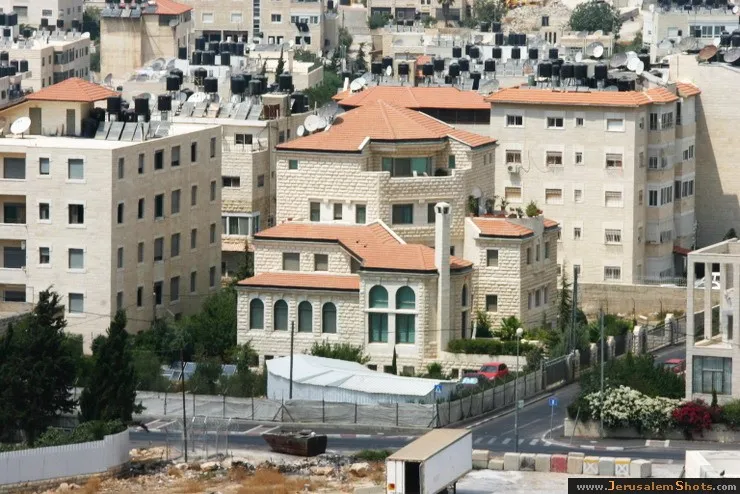
10.08.2009
Beit Hanina is a Palestinian neighborhood in East Jerusalem on the road to Ramallah. It is bordered by Hizma to the east, Shuafat to the south, Beit Iksa and Nabi Samwil to the west. The total area of Beit Hanina is 20 sq. kilometers (approximately 9 sq. miles). In 2007, Beit Hanina had a population of over 27,000.
Beit Hanina is a Palestinian neighborhood in East Jerusalem on the road to Ramallah. It is bordered by Hizma to the east, Shuafat to the south, Beit Iksa and Nabi Samwil to the west. The total area of Beit Hanina is 20 sq. kilometers (approximately 9 sq. miles). In 2007, Beit Hanina had a population of over 27,000.
Beit Hanina, East Jerusalem
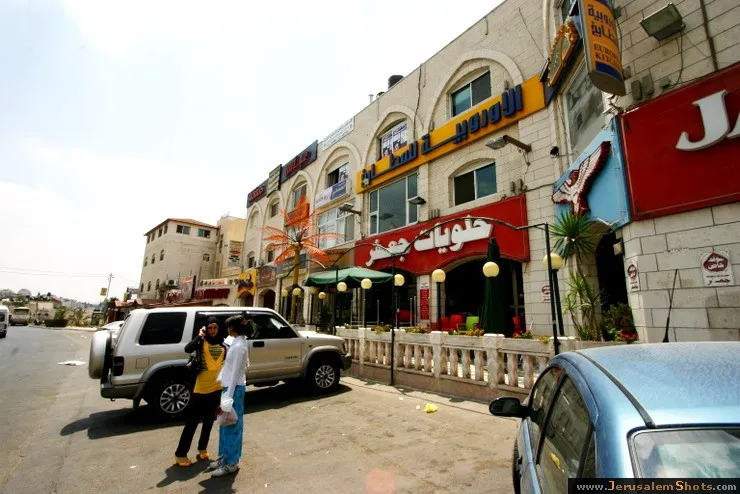
10.08.2009
Beit Hanina is a Palestinian neighborhood in East Jerusalem on the road to Ramallah. It is bordered by Hizma to the east, Shuafat to the south, Beit Iksa and Nabi Samwil to the west. The total area of Beit Hanina is 20 sq. kilometers (approximately 9 sq. miles). In 2007, Beit Hanina had a population of over 27,000.
Beit Hanina is a Palestinian neighborhood in East Jerusalem on the road to Ramallah. It is bordered by Hizma to the east, Shuafat to the south, Beit Iksa and Nabi Samwil to the west. The total area of Beit Hanina is 20 sq. kilometers (approximately 9 sq. miles). In 2007, Beit Hanina had a population of over 27,000.
Beit Hanina, East Jerusalem
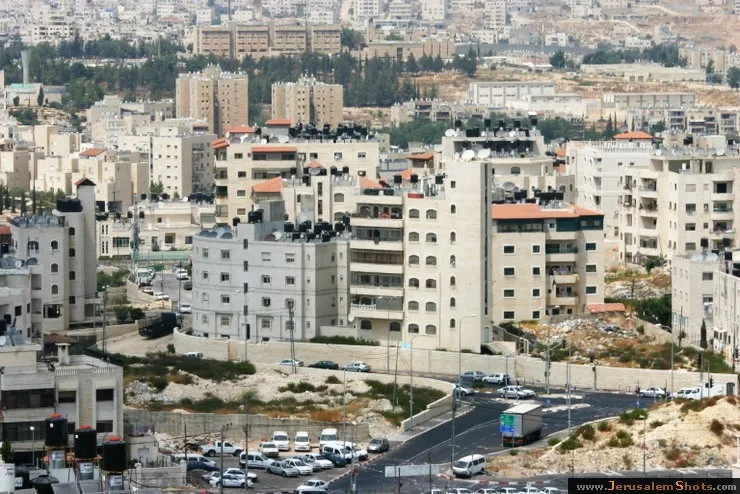
10.08.2009
Beit Hanina is a Palestinian neighborhood in East Jerusalem on the road to Ramallah. It is bordered by Hizma to the east, Shuafat to the south, Beit Iksa and Nabi Samwil to the west. The total area of Beit Hanina is 20 sq. kilometers (approximately 9 sq. miles). In 2007, Beit Hanina had a population of over 27,000.
Beit Hanina is a Palestinian neighborhood in East Jerusalem on the road to Ramallah. It is bordered by Hizma to the east, Shuafat to the south, Beit Iksa and Nabi Samwil to the west. The total area of Beit Hanina is 20 sq. kilometers (approximately 9 sq. miles). In 2007, Beit Hanina had a population of over 27,000.
Kotel
Stone Staircase and Ancient Wall
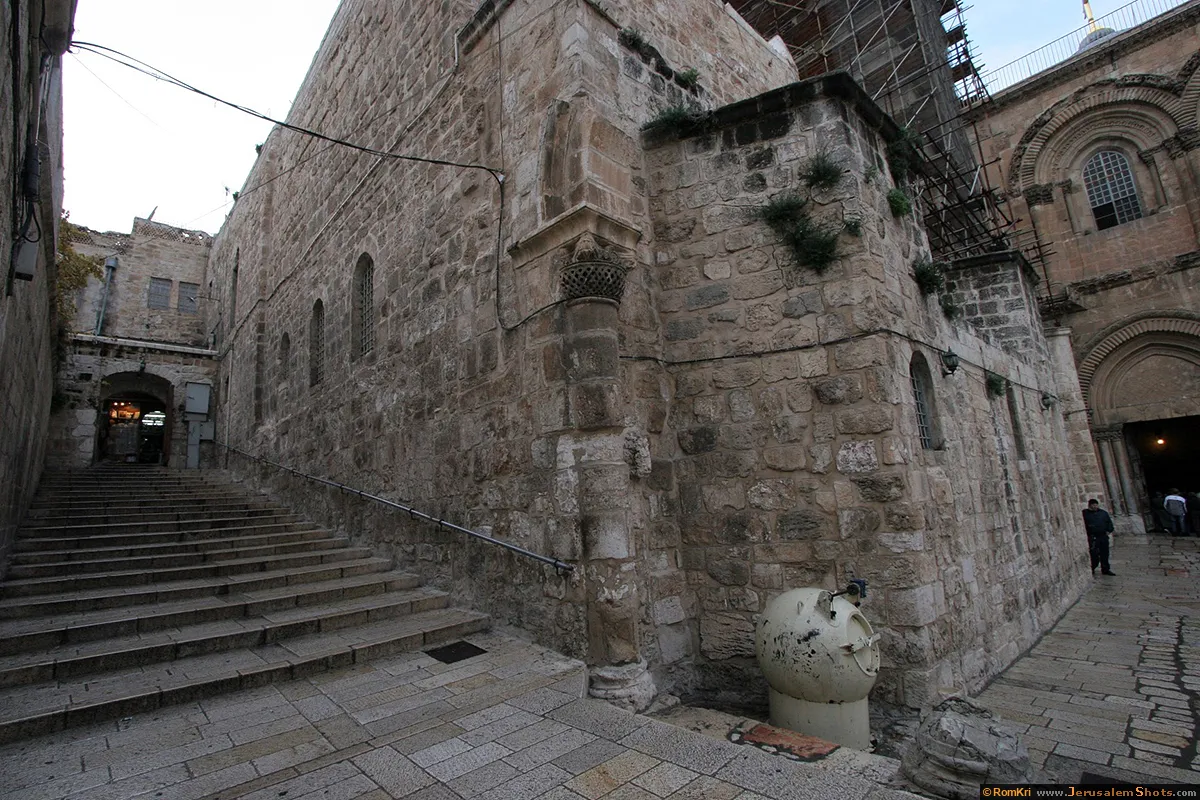
A wide stone staircase ascends alongside a massive, textured limestone wall in the Old City. In the foreground, a weathered stone basin sits near the corner, while scaffolding covers part of the upper structure on the right.
Beit Hanina, East Jerusalem
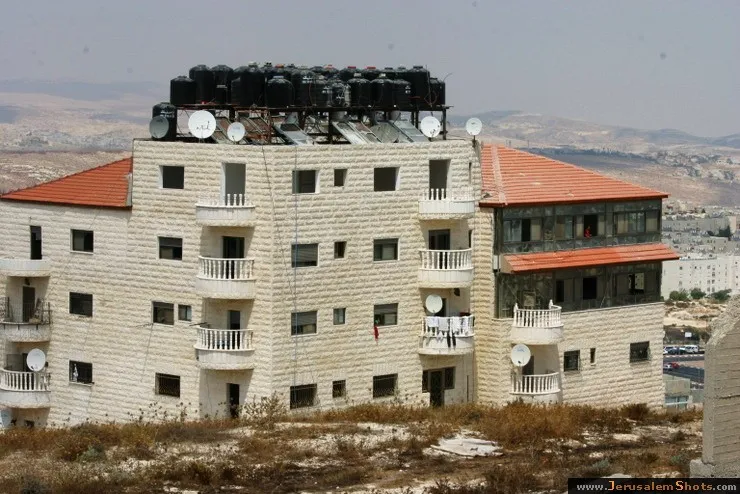
10.08.2009
Beit Hanina is a Palestinian neighborhood in East Jerusalem on the road to Ramallah. It is bordered by Hizma to the east, Shuafat to the south, Beit Iksa and Nabi Samwil to the west. The total area of Beit Hanina is 20 sq. kilometers (approximately 9 sq. miles). In 2007, Beit Hanina had a population of over 27,000.
Beit Hanina is a Palestinian neighborhood in East Jerusalem on the road to Ramallah. It is bordered by Hizma to the east, Shuafat to the south, Beit Iksa and Nabi Samwil to the west. The total area of Beit Hanina is 20 sq. kilometers (approximately 9 sq. miles). In 2007, Beit Hanina had a population of over 27,000.
People \ Israeli Border Police
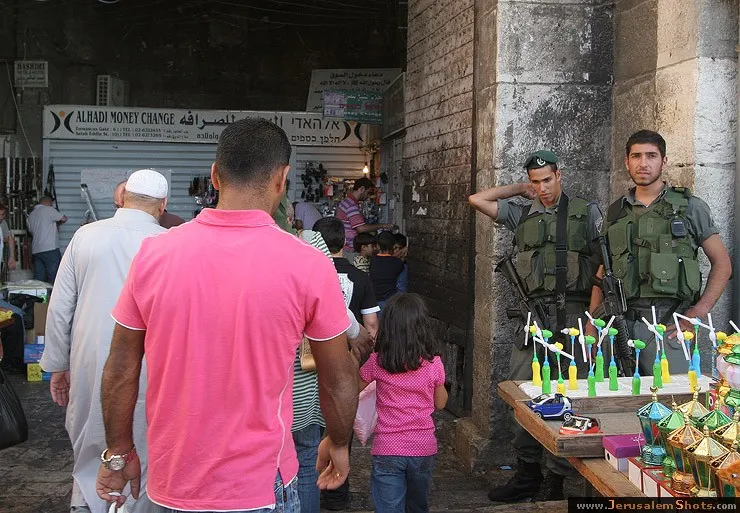
Beit Hanina, East Jerusalem
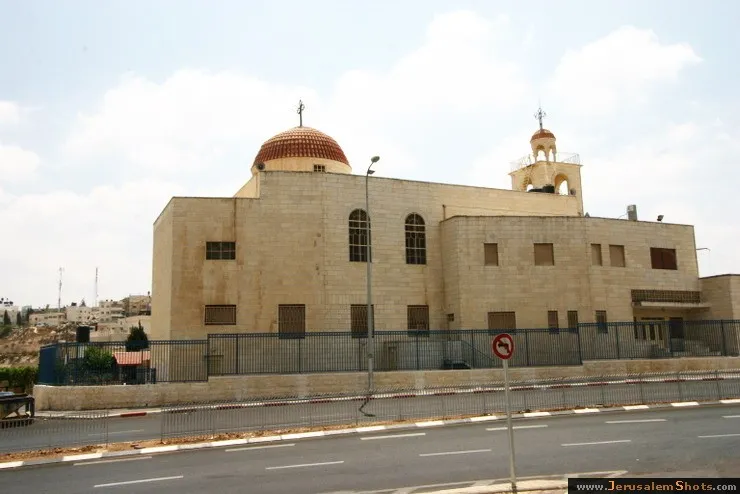
Beit Hanina is a Palestinian neighborhood in East Jerusalem on the road to Ramallah. It is bordered by Hizma to the east, Shuafat to the south, Beit Iksa and Nabi Samwil to the west. The total area of Beit Hanina is 20 sq. kilometers (approximately 9 sq. miles). In 2007, Beit Hanina had a population of over 27,000.
Beit Hanina, East Jerusalem
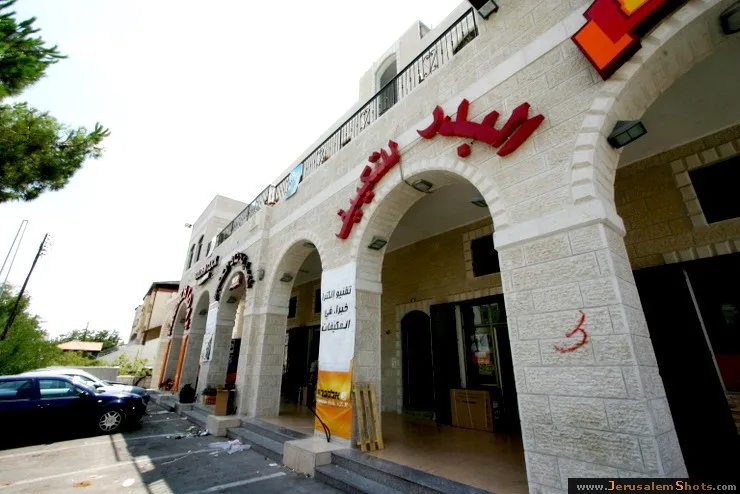
10.08.2009
Beit Hanina is a Palestinian neighborhood in East Jerusalem on the road to Ramallah. It is bordered by Hizma to the east, Shuafat to the south, Beit Iksa and Nabi Samwil to the west. The total area of Beit Hanina is 20 sq. kilometers (approximately 9 sq. miles). In 2007, Beit Hanina had a population of over 27,000.
Beit Hanina is a Palestinian neighborhood in East Jerusalem on the road to Ramallah. It is bordered by Hizma to the east, Shuafat to the south, Beit Iksa and Nabi Samwil to the west. The total area of Beit Hanina is 20 sq. kilometers (approximately 9 sq. miles). In 2007, Beit Hanina had a population of over 27,000.
The Ancient Synagogue
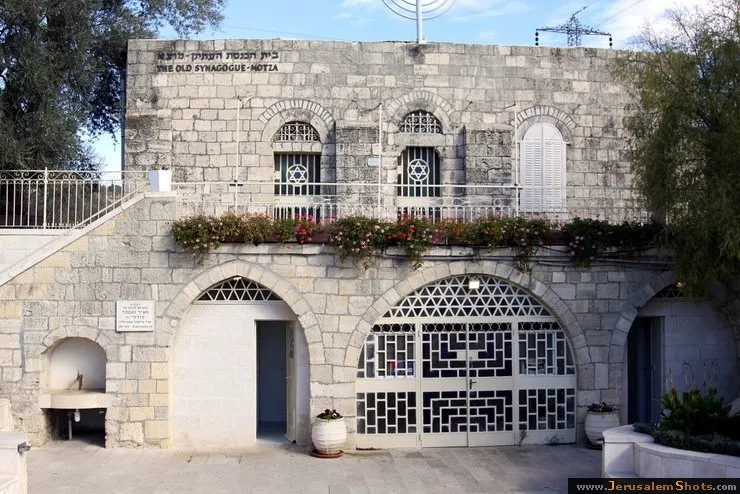
Motza is first mentioned in the Talmud (Tractate Succah) as the place where residents of Jerusalem used to cut their willow branches as one of the four species of fruits and plants required for the Festival of Sukkot.
Motza was rediscovered in 1860, when Shlomo Yecheskel and Yehoshua Yellin, residents of the Old City of Jerusalem, jointly acquired a plot of land in order to initiate and develop agriculture outside the walls of the Old City. Vineyards and trees were planted while using the local spring and well.
Motza was rediscovered in 1860, when Shlomo Yecheskel and Yehoshua Yellin, residents of the Old City of Jerusalem, jointly acquired a plot of land in order to initiate and develop agriculture outside the walls of the Old City. Vineyards and trees were planted while using the local spring and well.
Beit Hanina, East Jerusalem
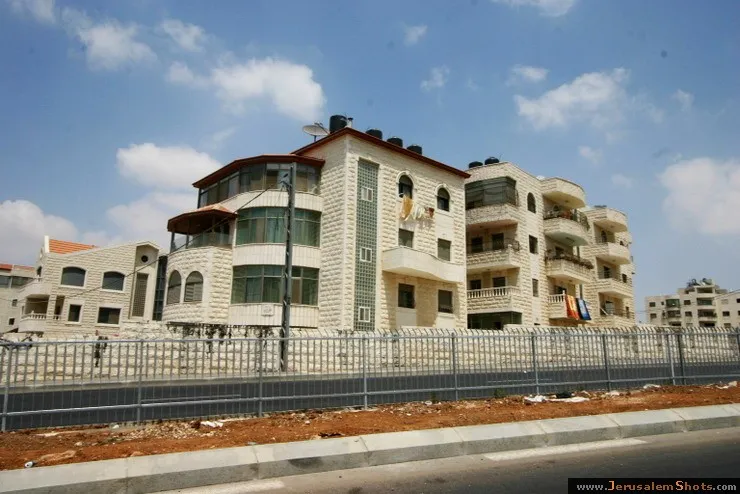
Beit Hanina is a Palestinian neighborhood in East Jerusalem on the road to Ramallah. It is bordered by Hizma to the east, Shuafat to the south, Beit Iksa and Nabi Samwil to the west. The total area of Beit Hanina is 20 sq. kilometers (approximately 9 sq. miles). In 2007, Beit Hanina had a population of over 27,000.
Beit Hanina, East Jerusalem

Beit Hanina is a Palestinian neighborhood in East Jerusalem on the road to Ramallah. It is bordered by Hizma to the east, Shuafat to the south, Beit Iksa and Nabi Samwil to the west. The total area of Beit Hanina is 20 sq. kilometers (approximately 9 sq. miles). In 2007, Beit Hanina had a population of over 27,000.
Beit Hanina, East Jerusalem

Beit Hanina is a Palestinian neighborhood in East Jerusalem on the road to Ramallah. It is bordered by Hizma to the east, Shuafat to the south, Beit Iksa and Nabi Samwil to the west. The total area of Beit Hanina is 20 sq. kilometers (approximately 9 sq. miles). In 2007, Beit Hanina had a population of over 27,000.
Beit Hanina, East Jerusalem
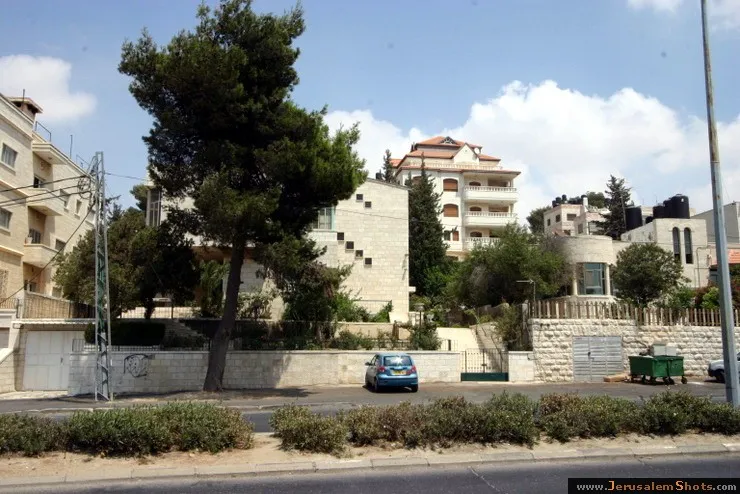
10.08.2009
Beit Hanina is a Palestinian neighborhood in East Jerusalem on the road to Ramallah. It is bordered by Hizma to the east, Shuafat to the south, Beit Iksa and Nabi Samwil to the west. The total area of Beit Hanina is 20 sq. kilometers (approximately 9 sq. miles). In 2007, Beit Hanina had a population of over 27,000.
Beit Hanina is a Palestinian neighborhood in East Jerusalem on the road to Ramallah. It is bordered by Hizma to the east, Shuafat to the south, Beit Iksa and Nabi Samwil to the west. The total area of Beit Hanina is 20 sq. kilometers (approximately 9 sq. miles). In 2007, Beit Hanina had a population of over 27,000.
Beit Hanina, East Jerusalem
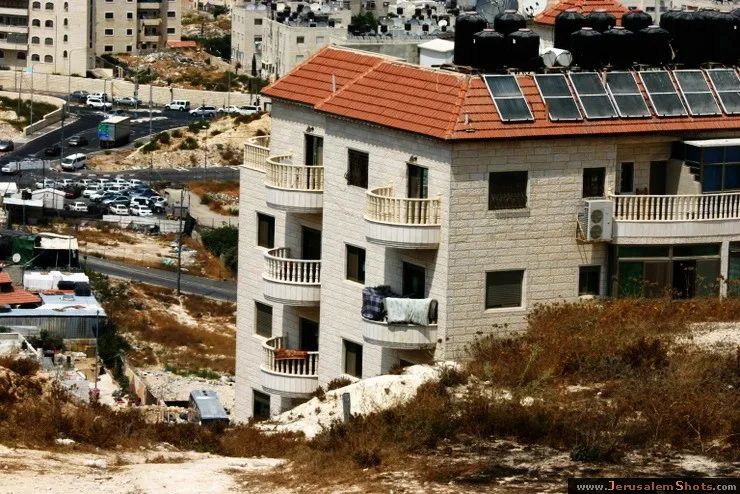
10.08.2009
Beit Hanina is a Palestinian neighborhood in East Jerusalem on the road to Ramallah. It is bordered by Hizma to the east, Shuafat to the south, Beit Iksa and Nabi Samwil to the west. The total area of Beit Hanina is 20 sq. kilometers (approximately 9 sq. miles). In 2007, Beit Hanina had a population of over 27,000.
Beit Hanina is a Palestinian neighborhood in East Jerusalem on the road to Ramallah. It is bordered by Hizma to the east, Shuafat to the south, Beit Iksa and Nabi Samwil to the west. The total area of Beit Hanina is 20 sq. kilometers (approximately 9 sq. miles). In 2007, Beit Hanina had a population of over 27,000.
Beit Hanina, East Jerusalem
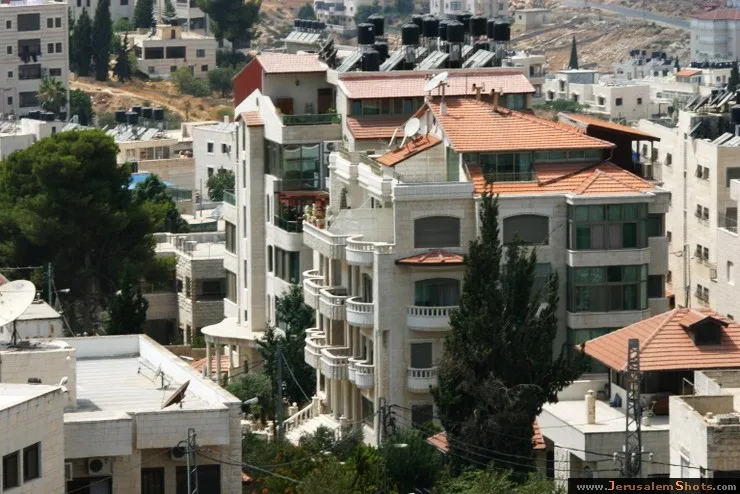
10.08.2009
Beit Hanina is a Palestinian neighborhood in East Jerusalem on the road to Ramallah. It is bordered by Hizma to the east, Shuafat to the south, Beit Iksa and Nabi Samwil to the west. The total area of Beit Hanina is 20 sq. kilometers (approximately 9 sq. miles). In 2007, Beit Hanina had a population of over 27,000.
Beit Hanina is a Palestinian neighborhood in East Jerusalem on the road to Ramallah. It is bordered by Hizma to the east, Shuafat to the south, Beit Iksa and Nabi Samwil to the west. The total area of Beit Hanina is 20 sq. kilometers (approximately 9 sq. miles). In 2007, Beit Hanina had a population of over 27,000.
Beit Hanina, East Jerusalem

Beit Hanina is a Palestinian neighborhood in East Jerusalem on the road to Ramallah. It is bordered by Hizma to the east, Shuafat to the south, Beit Iksa and Nabi Samwil to the west. The total area of Beit Hanina is 20 sq. kilometers (approximately 9 sq. miles). In 2007, Beit Hanina had a population of over 27,000.
Beit Hanina, East Jerusalem
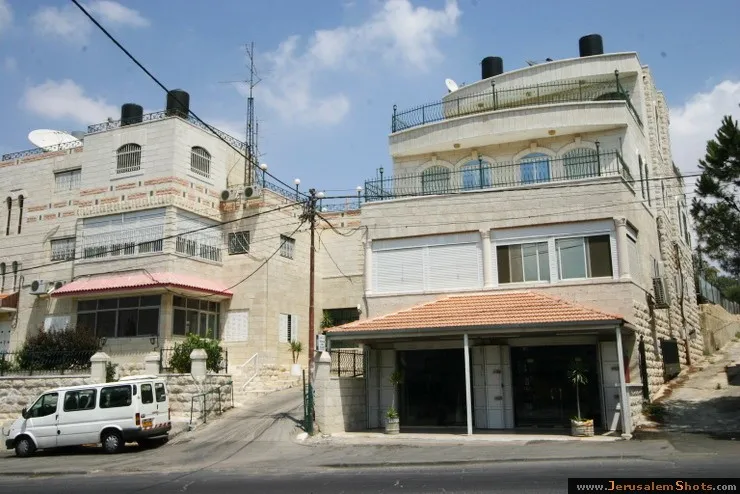
10.08.2009
Beit Hanina is a Palestinian neighborhood in East Jerusalem on the road to Ramallah. It is bordered by Hizma to the east, Shuafat to the south, Beit Iksa and Nabi Samwil to the west. The total area of Beit Hanina is 20 sq. kilometers (approximately 9 sq. miles). In 2007, Beit Hanina had a population of over 27,000.
Beit Hanina is a Palestinian neighborhood in East Jerusalem on the road to Ramallah. It is bordered by Hizma to the east, Shuafat to the south, Beit Iksa and Nabi Samwil to the west. The total area of Beit Hanina is 20 sq. kilometers (approximately 9 sq. miles). In 2007, Beit Hanina had a population of over 27,000.
View of the Old City Walls with Palm Trees
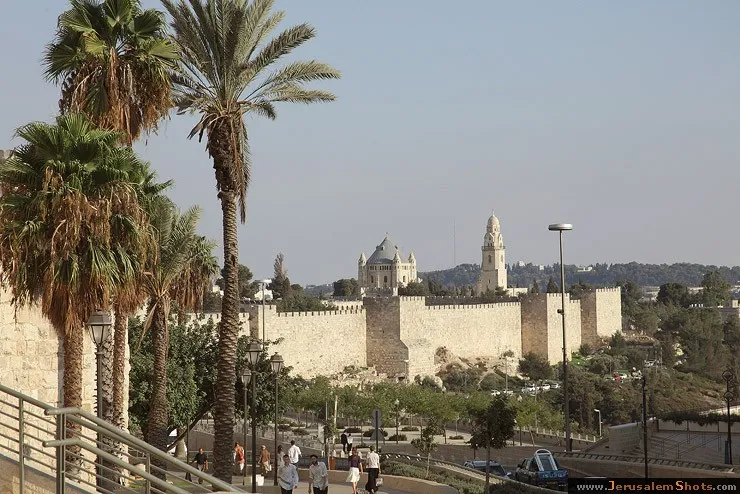
A view of the ancient stone walls of the Old City of Jerusalem, framed by tall palm trees in the foreground.
Beit Hanina, East Jerusalem
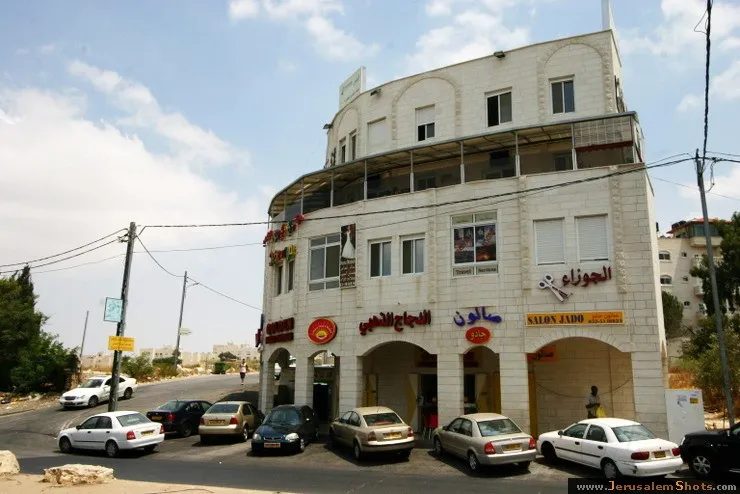
Beit Hanina is a Palestinian neighborhood in East Jerusalem on the road to Ramallah. It is bordered by Hizma to the east, Shuafat to the south, Beit Iksa and Nabi Samwil to the west. The total area of Beit Hanina is 20 sq. kilometers (approximately 9 sq. miles). In 2007, Beit Hanina had a population of over 27,000.
Beit Hanina, East Jerusalem
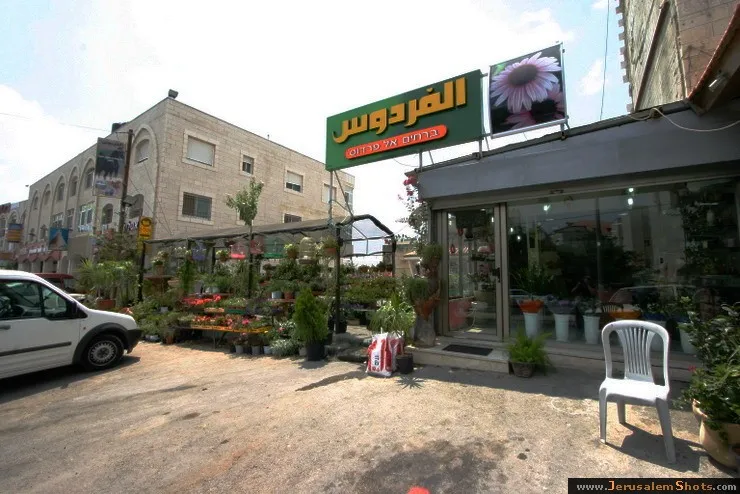
Beit Hanina is a Palestinian neighborhood in East Jerusalem on the road to Ramallah. It is bordered by Hizma to the east, Shuafat to the south, Beit Iksa and Nabi Samwil to the west. The total area of Beit Hanina is 20 sq. kilometers (approximately 9 sq. miles). In 2007, Beit Hanina had a population of over 27,000.
Beit Hanina, East Jerusalem
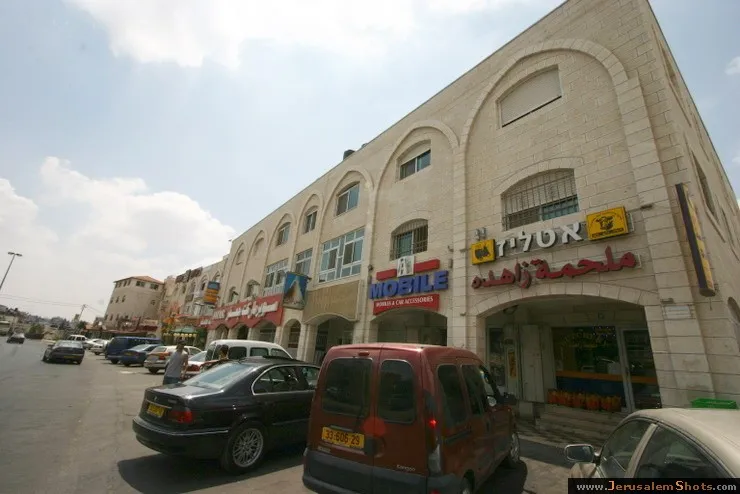
Beit Hanina is a Palestinian neighborhood in East Jerusalem on the road to Ramallah. It is bordered by Hizma to the east, Shuafat to the south, Beit Iksa and Nabi Samwil to the west. The total area of Beit Hanina is 20 sq. kilometers (approximately 9 sq. miles). In 2007, Beit Hanina had a population of over 27,000.
Beit Hanina, East Jerusalem
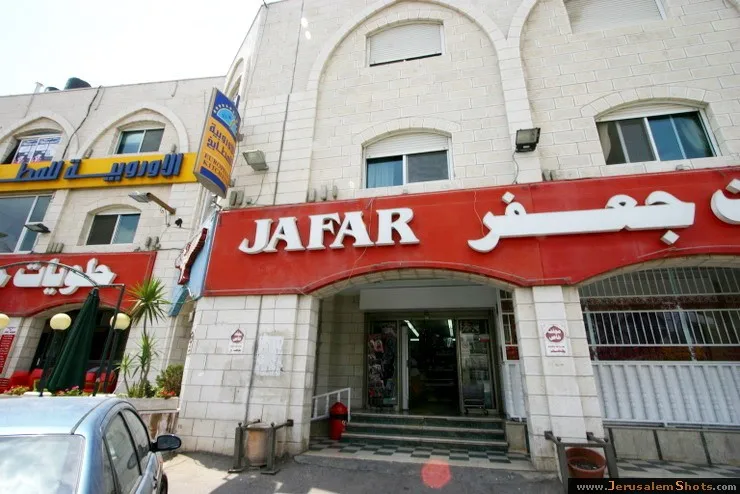
Beit Hanina is a Palestinian neighborhood in East Jerusalem on the road to Ramallah. It is bordered by Hizma to the east, Shuafat to the south, Beit Iksa and Nabi Samwil to the west. The total area of Beit Hanina is 20 sq. kilometers (approximately 9 sq. miles). In 2007, Beit Hanina had a population of over 27,000.
Beit Hanina, East Jerusalem
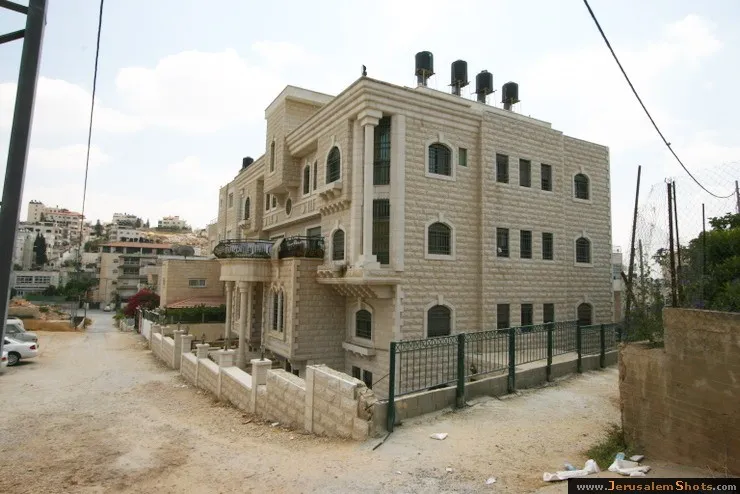
Beit Hanina is a Palestinian neighborhood in East Jerusalem on the road to Ramallah. It is bordered by Hizma to the east, Shuafat to the south, Beit Iksa and Nabi Samwil to the west. The total area of Beit Hanina is 20 sq. kilometers (approximately 9 sq. miles). In 2007, Beit Hanina had a population of over 27,000.
Beit Hanina, East Jerusalem
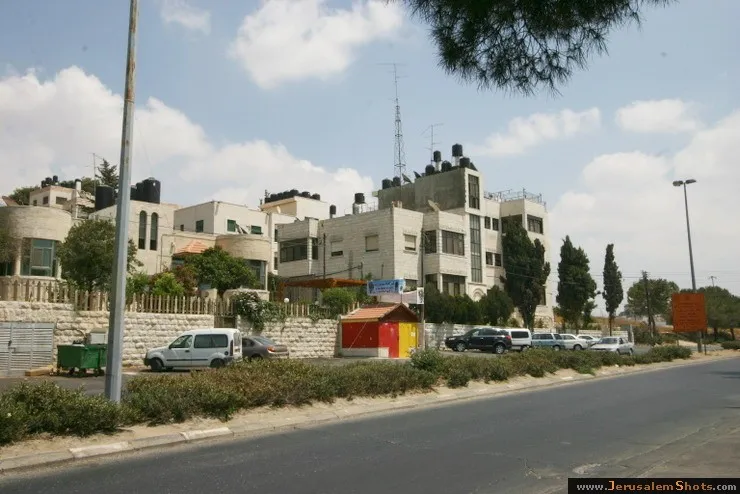
10.08.2009
Beit Hanina is a Palestinian neighborhood in East Jerusalem on the road to Ramallah. It is bordered by Hizma to the east, Shuafat to the south, Beit Iksa and Nabi Samwil to the west. The total area of Beit Hanina is 20 sq. kilometers (approximately 9 sq. miles). In 2007, Beit Hanina had a population of over 27,000.
Beit Hanina is a Palestinian neighborhood in East Jerusalem on the road to Ramallah. It is bordered by Hizma to the east, Shuafat to the south, Beit Iksa and Nabi Samwil to the west. The total area of Beit Hanina is 20 sq. kilometers (approximately 9 sq. miles). In 2007, Beit Hanina had a population of over 27,000.
Beit Hanina, East Jerusalem
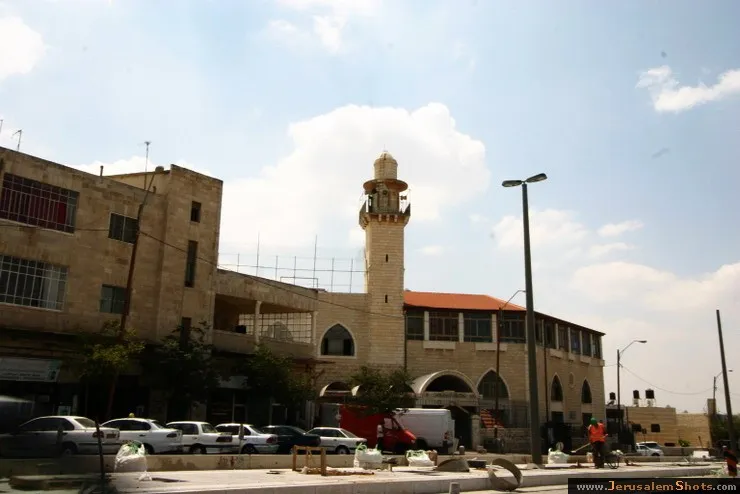
10.08.2009
Beit Hanina is a Palestinian neighborhood in East Jerusalem on the road to Ramallah. It is bordered by Hizma to the east, Shuafat to the south, Beit Iksa and Nabi Samwil to the west. The total area of Beit Hanina is 20 sq. kilometers (approximately 9 sq. miles). In 2007, Beit Hanina had a population of over 27,000.
Beit Hanina is a Palestinian neighborhood in East Jerusalem on the road to Ramallah. It is bordered by Hizma to the east, Shuafat to the south, Beit Iksa and Nabi Samwil to the west. The total area of Beit Hanina is 20 sq. kilometers (approximately 9 sq. miles). In 2007, Beit Hanina had a population of over 27,000.
Beit Hanina, East Jerusalem
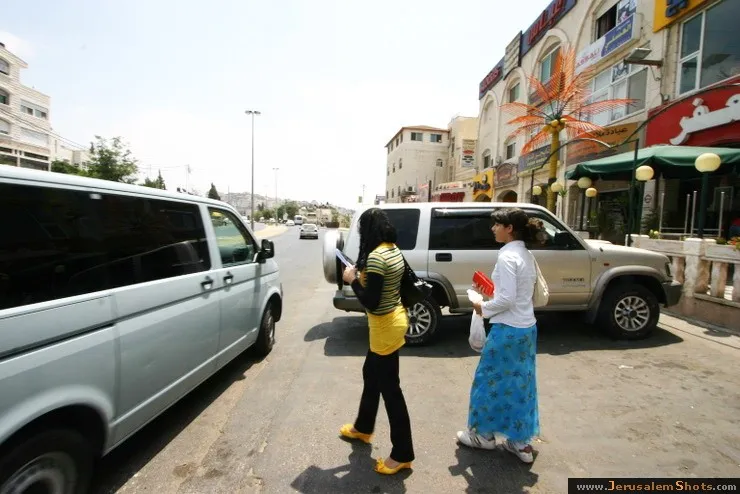
Beit Hanina is a Palestinian neighborhood in East Jerusalem on the road to Ramallah. It is bordered by Hizma to the east, Shuafat to the south, Beit Iksa and Nabi Samwil to the west. The total area of Beit Hanina is 20 sq. kilometers (approximately 9 sq. miles). In 2007, Beit Hanina had a population of over 27,000.
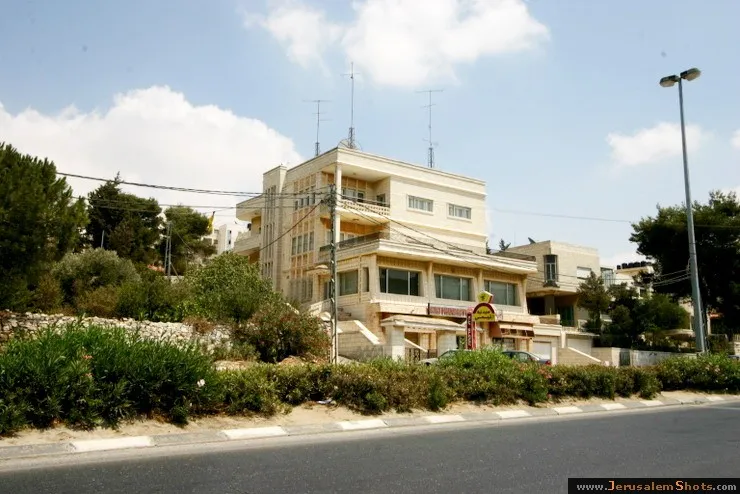
Beit Hanina, East Jerusalem
10.08.2009
Beit Hanina is a Palestinian neighborhood in East Jerusalem on the road to Ramallah. It is bordered by Hizma to the east, Shuafat to the south, Beit Iksa and Nabi Samwil to the west. The total area of Beit Hanina is 20 sq. kilometers (approximately 9 sq. miles). In 2007, Beit Hanina had a population of over 27,000.
Beit Hanina is a Palestinian neighborhood in East Jerusalem on the road to Ramallah. It is bordered by Hizma to the east, Shuafat to the south, Beit Iksa and Nabi Samwil to the west. The total area of Beit Hanina is 20 sq. kilometers (approximately 9 sq. miles). In 2007, Beit Hanina had a population of over 27,000.
Beit Hanina, East Jerusalem

10.08.2009
Beit Hanina is a Palestinian neighborhood in East Jerusalem on the road to Ramallah. It is bordered by Hizma to the east, Shuafat to the south, Beit Iksa and Nabi Samwil to the west. The total area of Beit Hanina is 20 sq. kilometers (approximately 9 sq. miles). In 2007, Beit Hanina had a population of over 27,000.
Beit Hanina is a Palestinian neighborhood in East Jerusalem on the road to Ramallah. It is bordered by Hizma to the east, Shuafat to the south, Beit Iksa and Nabi Samwil to the west. The total area of Beit Hanina is 20 sq. kilometers (approximately 9 sq. miles). In 2007, Beit Hanina had a population of over 27,000.
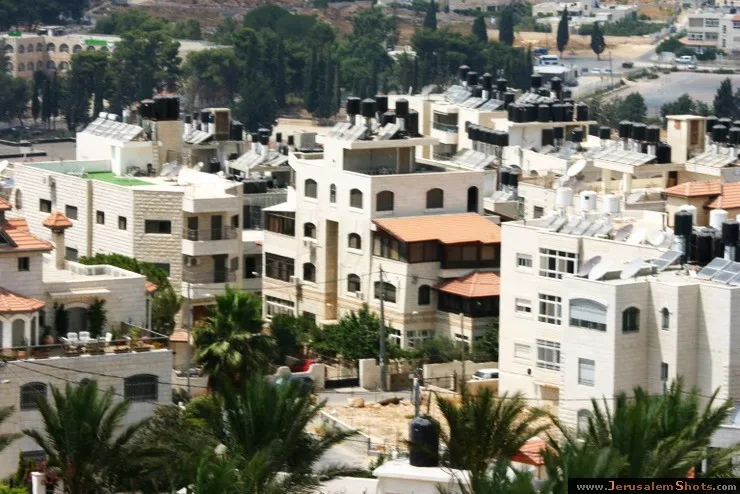
Beit Hanina, East Jerusalem
10.08.2009
Beit Hanina is a Palestinian neighborhood in East Jerusalem on the road to Ramallah. It is bordered by Hizma to the east, Shuafat to the south, Beit Iksa and Nabi Samwil to the west. The total area of Beit Hanina is 20 sq. kilometers (approximately 9 sq. miles). In 2007, Beit Hanina had a population of over 27,000.
Beit Hanina is a Palestinian neighborhood in East Jerusalem on the road to Ramallah. It is bordered by Hizma to the east, Shuafat to the south, Beit Iksa and Nabi Samwil to the west. The total area of Beit Hanina is 20 sq. kilometers (approximately 9 sq. miles). In 2007, Beit Hanina had a population of over 27,000.
The Ancient Synagogue
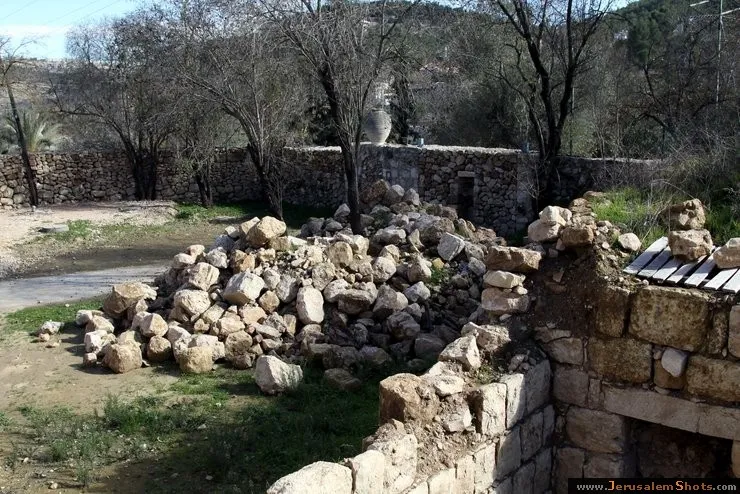
Motza is first mentioned in the Talmud (Tractate Succah) as the place where residents of Jerusalem used to cut their willow branches as one of the four species of fruits and plants required for the Festival of Sukkot.
Motza was rediscovered in 1860, when Shlomo Yecheskel and Yehoshua Yellin, residents of the Old City of Jerusalem, jointly acquired a plot of land in order to initiate and develop agriculture outside the walls of the Old City. Vineyards and trees were planted while using the local spring and well.
Motza was rediscovered in 1860, when Shlomo Yecheskel and Yehoshua Yellin, residents of the Old City of Jerusalem, jointly acquired a plot of land in order to initiate and develop agriculture outside the walls of the Old City. Vineyards and trees were planted while using the local spring and well.
The Ancient Synagogue
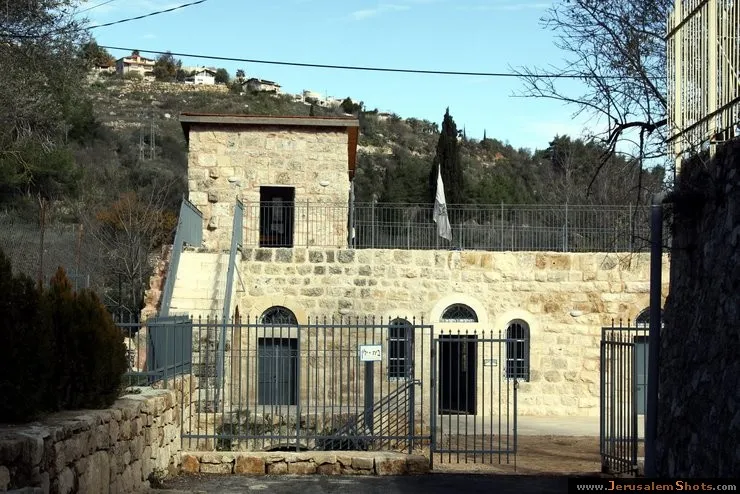
Motza is first mentioned in the Talmud (Tractate Succah) as the place where residents of Jerusalem used to cut their willow branches as one of the four species of fruits and plants required for the Festival of Sukkot.
Motza was rediscovered in 1860, when Shlomo Yecheskel and Yehoshua Yellin, residents of the Old City of Jerusalem, jointly acquired a plot of land in order to initiate and develop agriculture outside the walls of the Old City. Vineyards and trees were planted while using the local spring and well.
Motza was rediscovered in 1860, when Shlomo Yecheskel and Yehoshua Yellin, residents of the Old City of Jerusalem, jointly acquired a plot of land in order to initiate and develop agriculture outside the walls of the Old City. Vineyards and trees were planted while using the local spring and well.
The Ancient Synagogue

Motza is first mentioned in the Talmud (Tractate Succah) as the place where residents of Jerusalem used to cut their willow branches as one of the four species of fruits and plants required for the Festival of Sukkot.
Motza was rediscovered in 1860, when Shlomo Yecheskel and Yehoshua Yellin, residents of the Old City of Jerusalem, jointly acquired a plot of land in order to initiate and develop agriculture outside the walls of the Old City. Vineyards and trees were planted while using the local spring and well.
Motza was rediscovered in 1860, when Shlomo Yecheskel and Yehoshua Yellin, residents of the Old City of Jerusalem, jointly acquired a plot of land in order to initiate and develop agriculture outside the walls of the Old City. Vineyards and trees were planted while using the local spring and well.
The Ancient Synagogue
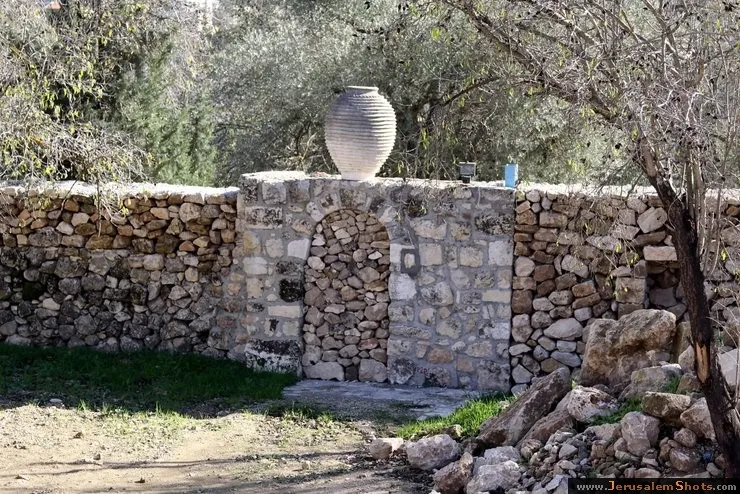
Motza is first mentioned in the Talmud (Tractate Succah) as the place where residents of Jerusalem used to cut their willow branches as one of the four species of fruits and plants required for the Festival of Sukkot.
Motza was rediscovered in 1860, when Shlomo Yecheskel and Yehoshua Yellin, residents of the Old City of Jerusalem, jointly acquired a plot of land in order to initiate and develop agriculture outside the walls of the Old City. Vineyards and trees were planted while using the local spring and well.
Motza was rediscovered in 1860, when Shlomo Yecheskel and Yehoshua Yellin, residents of the Old City of Jerusalem, jointly acquired a plot of land in order to initiate and develop agriculture outside the walls of the Old City. Vineyards and trees were planted while using the local spring and well.
The Ancient Synagogue
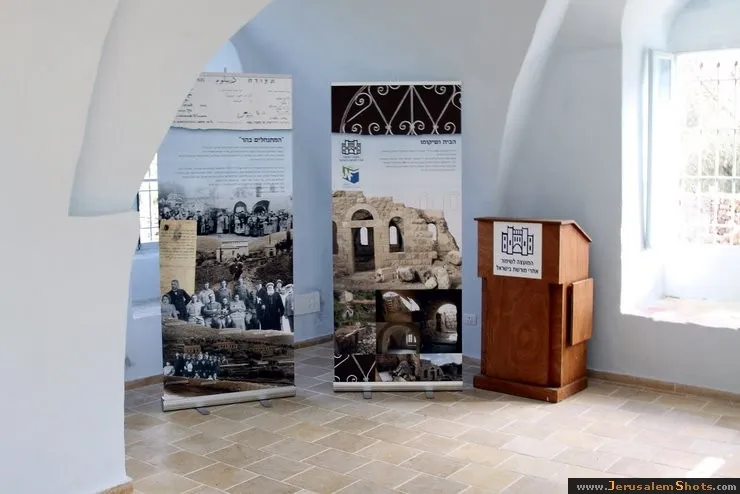
Motza is first mentioned in the Talmud (Tractate Succah) as the place where residents of Jerusalem used to cut their willow branches as one of the four species of fruits and plants required for the Festival of Sukkot.
Motza was rediscovered in 1860, when Shlomo Yecheskel and Yehoshua Yellin, residents of the Old City of Jerusalem, jointly acquired a plot of land in order to initiate and develop agriculture outside the walls of the Old City. Vineyards and trees were planted while using the local spring and well.
Motza was rediscovered in 1860, when Shlomo Yecheskel and Yehoshua Yellin, residents of the Old City of Jerusalem, jointly acquired a plot of land in order to initiate and develop agriculture outside the walls of the Old City. Vineyards and trees were planted while using the local spring and well.
The Ancient Synagogue

Motza is first mentioned in the Talmud (Tractate Succah) as the place where residents of Jerusalem used to cut their willow branches as one of the four species of fruits and plants required for the Festival of Sukkot.
Motza was rediscovered in 1860, when Shlomo Yecheskel and Yehoshua Yellin, residents of the Old City of Jerusalem, jointly acquired a plot of land in order to initiate and develop agriculture outside the walls of the Old City. Vineyards and trees were planted while using the local spring and well.
Motza was rediscovered in 1860, when Shlomo Yecheskel and Yehoshua Yellin, residents of the Old City of Jerusalem, jointly acquired a plot of land in order to initiate and develop agriculture outside the walls of the Old City. Vineyards and trees were planted while using the local spring and well.