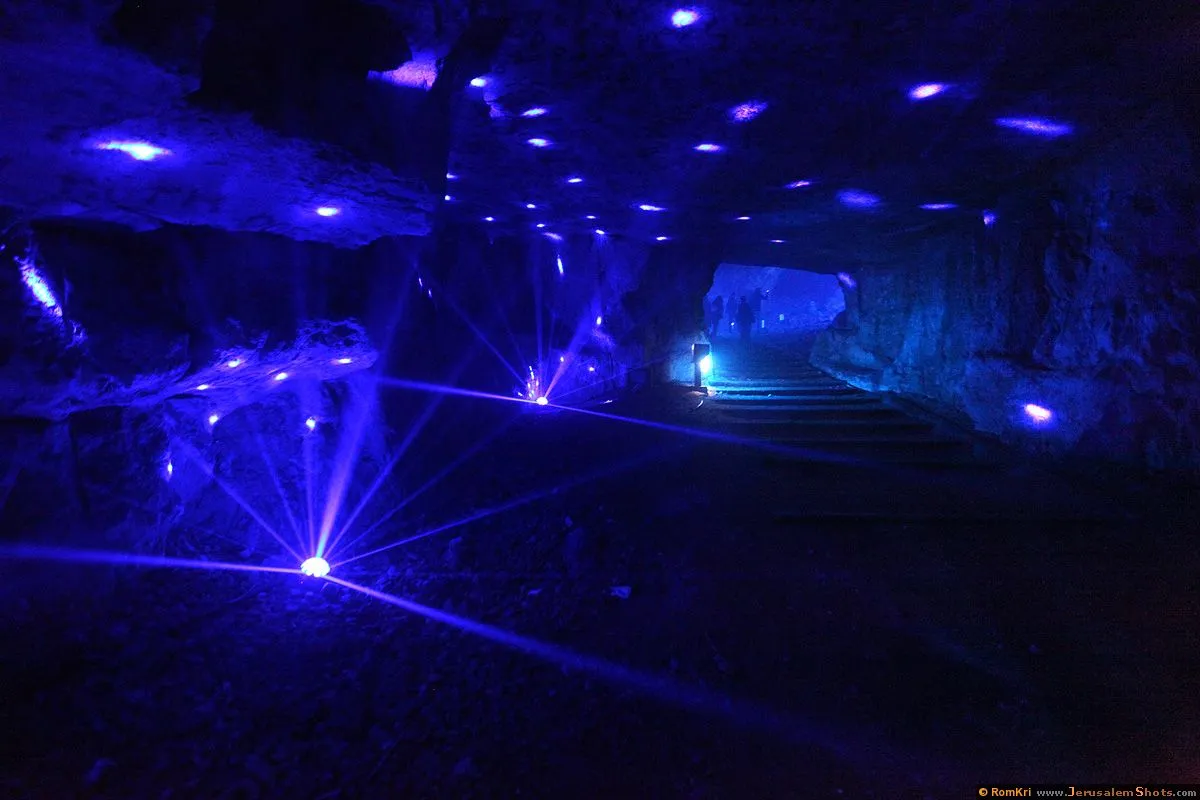
Zedekiah's Cave \ Zedekiah´s Cave in lights like ocean
 © RomKri
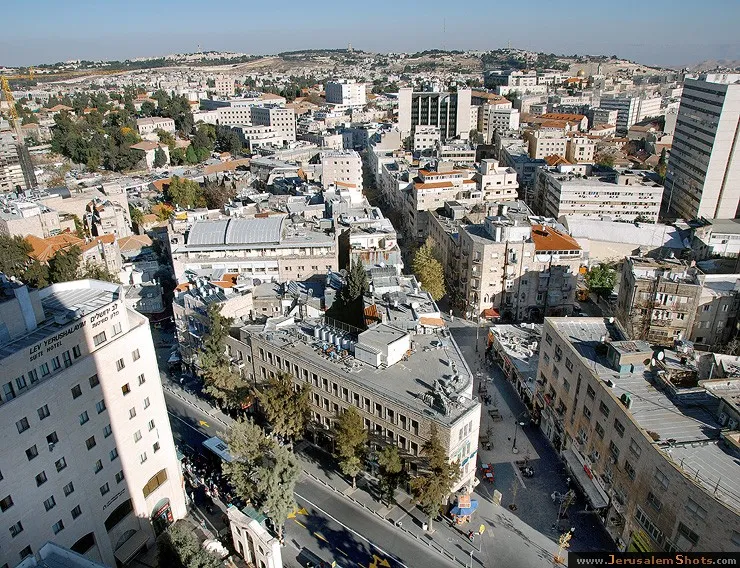
Like the google map
 © Gennadi Zimmerman
The Mandrills
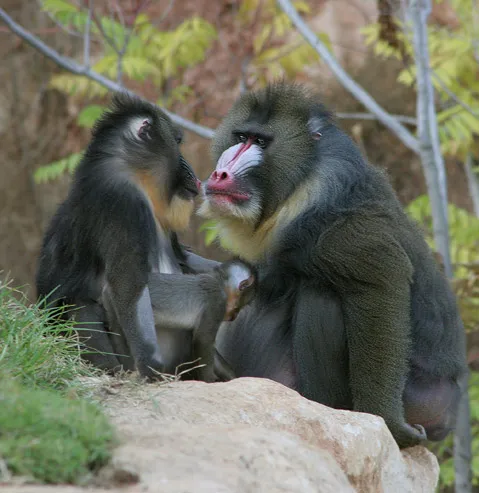
The Jerusalem Biblical Zoo boasts one of the world´s largest troops of captive mandrills. The mandrill (Mandrillus sphinx) is perhaps the most colourful of the primates. The adult male is most conspicuous, thanks to the bold colors on his face and hindquarters, and by virtue of his sheer size, which may be double that of the female. Mandrills are quite common in zoos throughout the world, and the behavior of this species in captivity has been well documented. But recent studies have shown that mandrill populations in the wild have a most intriguing social structure, and that their social behavior bears little resemblance to that of a troop in captivity. Captive adult males dominate and dictate the course of their troop´s daily life; apparently, however, in the wild, mature males are almost entirely solitary, unlike the females, which are exceptionally gregarious. Wild females and juveniles have been found to live in troops that actually number many hundreds of individuals, while the adult males evidently have nothing to do with the troops, except during the relatively short mating season.
http://www.jerusalemzoo.org.il/english/upload/tour/mandrill.html
http://www.jerusalemzoo.org.il/english/upload/tour/mandrill.html
Zedekiah's Cave \ Zedekiah´s Cave in lights like ocean

Panoramic view of the Old City rooftops and domes
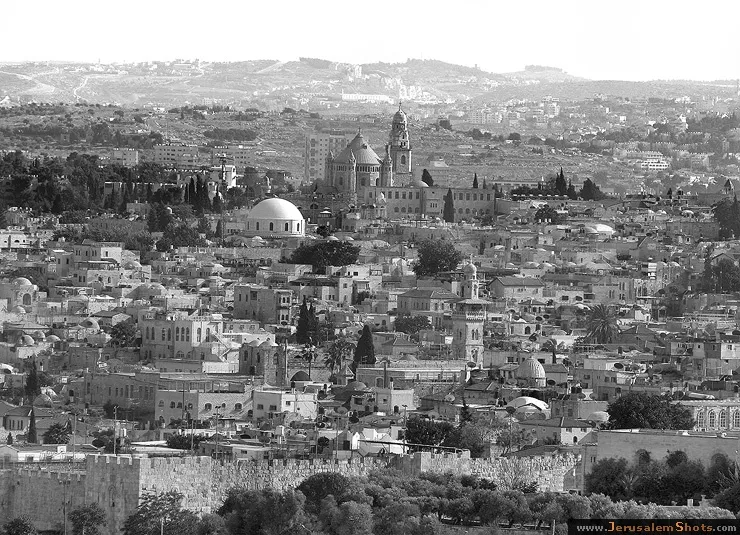
A black and white wide shot showing the dense urban landscape of Jerusalem's Old City, featuring prominent architectural features like domes and towers.
Zedekiah's Cave \ Zedekiah´s Cave in lights like ocean

Zedekiah's Cave \ Zedekiah´s Cave in lights like ocean

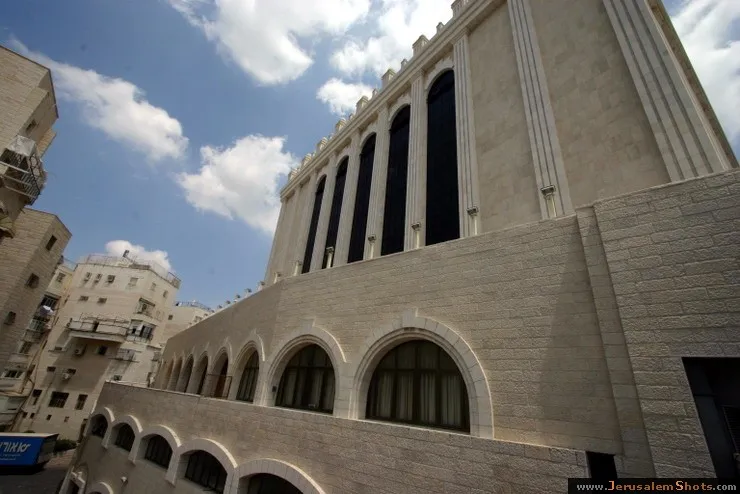
The Belz World Center, Jerusalem
11.08.2009
In the 1980s, Rebbe Yissachar Dov spearheaded plans for a huge synagogue to be erected in the Kiryat Belz neighborhood of Jerusalem. Like the original synagogue of Belz which took 15 years to complete, the new Beis HaMedrash HaGadol ("The Great Synagogue") that now dominates the northern Jerusalem skyline also took 15 years to construct and was dedicated in 2000. Its main sanctuary seats 6000 worshipers (though crowds on the High Holy Days exceed 8000), making it the second largest Jewish house of worship in the world.
In the 1980s, Rebbe Yissachar Dov spearheaded plans for a huge synagogue to be erected in the Kiryat Belz neighborhood of Jerusalem. Like the original synagogue of Belz which took 15 years to complete, the new Beis HaMedrash HaGadol ("The Great Synagogue") that now dominates the northern Jerusalem skyline also took 15 years to construct and was dedicated in 2000. Its main sanctuary seats 6000 worshipers (though crowds on the High Holy Days exceed 8000), making it the second largest Jewish house of worship in the world.


Zedekiah's Cave \ Zedekiah´s Cave in lights like ocean

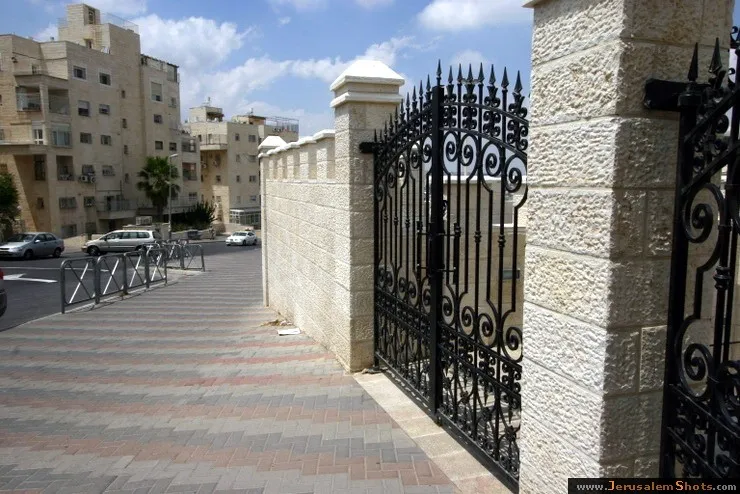
The Belz World Center, Jerusalem
11.08.2009
In the 1980s, Rebbe Yissachar Dov spearheaded plans for a huge synagogue to be erected in the Kiryat Belz neighborhood of Jerusalem. Like the original synagogue of Belz which took 15 years to complete, the new Beis HaMedrash HaGadol ("The Great Synagogue") that now dominates the northern Jerusalem skyline also took 15 years to construct and was dedicated in 2000. Its main sanctuary seats 6000 worshipers (though crowds on the High Holy Days exceed 8000), making it the second largest Jewish house of worship in the world.
In the 1980s, Rebbe Yissachar Dov spearheaded plans for a huge synagogue to be erected in the Kiryat Belz neighborhood of Jerusalem. Like the original synagogue of Belz which took 15 years to complete, the new Beis HaMedrash HaGadol ("The Great Synagogue") that now dominates the northern Jerusalem skyline also took 15 years to construct and was dedicated in 2000. Its main sanctuary seats 6000 worshipers (though crowds on the High Holy Days exceed 8000), making it the second largest Jewish house of worship in the world.
The Belz World Center, Jerusalem

11.08.2009
In the 1980s, Rebbe Yissachar Dov spearheaded plans for a huge synagogue to be erected in the Kiryat Belz neighborhood of Jerusalem. Like the original synagogue of Belz which took 15 years to complete, the new Beis HaMedrash HaGadol ("The Great Synagogue") that now dominates the northern Jerusalem skyline also took 15 years to construct and was dedicated in 2000. Its main sanctuary seats 6000 worshipers (though crowds on the High Holy Days exceed 8000), making it the second largest Jewish house of worship in the world.
In the 1980s, Rebbe Yissachar Dov spearheaded plans for a huge synagogue to be erected in the Kiryat Belz neighborhood of Jerusalem. Like the original synagogue of Belz which took 15 years to complete, the new Beis HaMedrash HaGadol ("The Great Synagogue") that now dominates the northern Jerusalem skyline also took 15 years to construct and was dedicated in 2000. Its main sanctuary seats 6000 worshipers (though crowds on the High Holy Days exceed 8000), making it the second largest Jewish house of worship in the world.
The Belz World Center, Jerusalem

11.08.2009
In the 1980s, Rebbe Yissachar Dov spearheaded plans for a huge synagogue to be erected in the Kiryat Belz neighborhood of Jerusalem. Like the original synagogue of Belz which took 15 years to complete, the new Beis HaMedrash HaGadol ("The Great Synagogue") that now dominates the northern Jerusalem skyline also took 15 years to construct and was dedicated in 2000. Its main sanctuary seats 6000 worshipers (though crowds on the High Holy Days exceed 8000), making it the second largest Jewish house of worship in the world.
In the 1980s, Rebbe Yissachar Dov spearheaded plans for a huge synagogue to be erected in the Kiryat Belz neighborhood of Jerusalem. Like the original synagogue of Belz which took 15 years to complete, the new Beis HaMedrash HaGadol ("The Great Synagogue") that now dominates the northern Jerusalem skyline also took 15 years to construct and was dedicated in 2000. Its main sanctuary seats 6000 worshipers (though crowds on the High Holy Days exceed 8000), making it the second largest Jewish house of worship in the world.
The Belz World Center, Jerusalem

11.08.2009
In the 1980s, Rebbe Yissachar Dov spearheaded plans for a huge synagogue to be erected in the Kiryat Belz neighborhood of Jerusalem. Like the original synagogue of Belz which took 15 years to complete, the new Beis HaMedrash HaGadol ("The Great Synagogue") that now dominates the northern Jerusalem skyline also took 15 years to construct and was dedicated in 2000. Its main sanctuary seats 6000 worshipers (though crowds on the High Holy Days exceed 8000), making it the second largest Jewish house of worship in the world.
In the 1980s, Rebbe Yissachar Dov spearheaded plans for a huge synagogue to be erected in the Kiryat Belz neighborhood of Jerusalem. Like the original synagogue of Belz which took 15 years to complete, the new Beis HaMedrash HaGadol ("The Great Synagogue") that now dominates the northern Jerusalem skyline also took 15 years to construct and was dedicated in 2000. Its main sanctuary seats 6000 worshipers (though crowds on the High Holy Days exceed 8000), making it the second largest Jewish house of worship in the world.
The Belz World Center, Jerusalem

11.08.2009
In the 1980s, Rebbe Yissachar Dov spearheaded plans for a huge synagogue to be erected in the Kiryat Belz neighborhood of Jerusalem. Like the original synagogue of Belz which took 15 years to complete, the new Beis HaMedrash HaGadol ("The Great Synagogue") that now dominates the northern Jerusalem skyline also took 15 years to construct and was dedicated in 2000. Its main sanctuary seats 6000 worshipers (though crowds on the High Holy Days exceed 8000), making it the second largest Jewish house of worship in the world.
In the 1980s, Rebbe Yissachar Dov spearheaded plans for a huge synagogue to be erected in the Kiryat Belz neighborhood of Jerusalem. Like the original synagogue of Belz which took 15 years to complete, the new Beis HaMedrash HaGadol ("The Great Synagogue") that now dominates the northern Jerusalem skyline also took 15 years to construct and was dedicated in 2000. Its main sanctuary seats 6000 worshipers (though crowds on the High Holy Days exceed 8000), making it the second largest Jewish house of worship in the world.
The Belz World Center, Jerusalem

11.08.2009
In the 1980s, Rebbe Yissachar Dov spearheaded plans for a huge synagogue to be erected in the Kiryat Belz neighborhood of Jerusalem. Like the original synagogue of Belz which took 15 years to complete, the new Beis HaMedrash HaGadol ("The Great Synagogue") that now dominates the northern Jerusalem skyline also took 15 years to construct and was dedicated in 2000. Its main sanctuary seats 6000 worshipers (though crowds on the High Holy Days exceed 8000), making it the second largest Jewish house of worship in the world.
In the 1980s, Rebbe Yissachar Dov spearheaded plans for a huge synagogue to be erected in the Kiryat Belz neighborhood of Jerusalem. Like the original synagogue of Belz which took 15 years to complete, the new Beis HaMedrash HaGadol ("The Great Synagogue") that now dominates the northern Jerusalem skyline also took 15 years to construct and was dedicated in 2000. Its main sanctuary seats 6000 worshipers (though crowds on the High Holy Days exceed 8000), making it the second largest Jewish house of worship in the world.
Mar Elias Monastery, Jerusalem

13.08.2009
This Greek Orthodox Monastery stands like a fortress on a hill from which both Jerusalem and Bethlehem can be seen. Mar Elias Monastery is located 5 km to the north of Bethlehem on the way to Jerusalem, and was founded in the 6th century AD and rebuilt by the Emperor Manual Communes in 1160.
Legend has it that the building stands on the site where prophet Elijah (pbuh) rested on his flight from the Vengeance of Queen Jezebel, who was seeking vengeance after Elijah slaughtered the priests of Baal (1 Kings 19:15). Another tradition holds that Greek Bishop Elias of Bethlehem was buried here in 1345, and another holds that it places the sepulcher of St. Elias, an Egyptian monk who became Patriarch of Jerusalem in 494. Mar Elias is believed to answer the prayers of barren women and ailing children. From the monastery, Bethlehem can be seen to the south, Herodion to the southeast and sometimes the Dead Sea across the valley to the east.
This Greek Orthodox Monastery stands like a fortress on a hill from which both Jerusalem and Bethlehem can be seen. Mar Elias Monastery is located 5 km to the north of Bethlehem on the way to Jerusalem, and was founded in the 6th century AD and rebuilt by the Emperor Manual Communes in 1160.
Legend has it that the building stands on the site where prophet Elijah (pbuh) rested on his flight from the Vengeance of Queen Jezebel, who was seeking vengeance after Elijah slaughtered the priests of Baal (1 Kings 19:15). Another tradition holds that Greek Bishop Elias of Bethlehem was buried here in 1345, and another holds that it places the sepulcher of St. Elias, an Egyptian monk who became Patriarch of Jerusalem in 494. Mar Elias is believed to answer the prayers of barren women and ailing children. From the monastery, Bethlehem can be seen to the south, Herodion to the southeast and sometimes the Dead Sea across the valley to the east.
Zedekiah's Cave \ Zedekiah´s Cave in lights like ocean

The Belz World Center, Jerusalem

11.08.2009
In the 1980s, Rebbe Yissachar Dov spearheaded plans for a huge synagogue to be erected in the Kiryat Belz neighborhood of Jerusalem. Like the original synagogue of Belz which took 15 years to complete, the new Beis HaMedrash HaGadol ("The Great Synagogue") that now dominates the northern Jerusalem skyline also took 15 years to construct and was dedicated in 2000. Its main sanctuary seats 6000 worshipers (though crowds on the High Holy Days exceed 8000), making it the second largest Jewish house of worship in the world.
In the 1980s, Rebbe Yissachar Dov spearheaded plans for a huge synagogue to be erected in the Kiryat Belz neighborhood of Jerusalem. Like the original synagogue of Belz which took 15 years to complete, the new Beis HaMedrash HaGadol ("The Great Synagogue") that now dominates the northern Jerusalem skyline also took 15 years to construct and was dedicated in 2000. Its main sanctuary seats 6000 worshipers (though crowds on the High Holy Days exceed 8000), making it the second largest Jewish house of worship in the world.
The Belz World Center, Jerusalem

11.08.2009
In the 1980s, Rebbe Yissachar Dov spearheaded plans for a huge synagogue to be erected in the Kiryat Belz neighborhood of Jerusalem. Like the original synagogue of Belz which took 15 years to complete, the new Beis HaMedrash HaGadol ("The Great Synagogue") that now dominates the northern Jerusalem skyline also took 15 years to construct and was dedicated in 2000. Its main sanctuary seats 6000 worshipers (though crowds on the High Holy Days exceed 8000), making it the second largest Jewish house of worship in the world.
In the 1980s, Rebbe Yissachar Dov spearheaded plans for a huge synagogue to be erected in the Kiryat Belz neighborhood of Jerusalem. Like the original synagogue of Belz which took 15 years to complete, the new Beis HaMedrash HaGadol ("The Great Synagogue") that now dominates the northern Jerusalem skyline also took 15 years to construct and was dedicated in 2000. Its main sanctuary seats 6000 worshipers (though crowds on the High Holy Days exceed 8000), making it the second largest Jewish house of worship in the world.
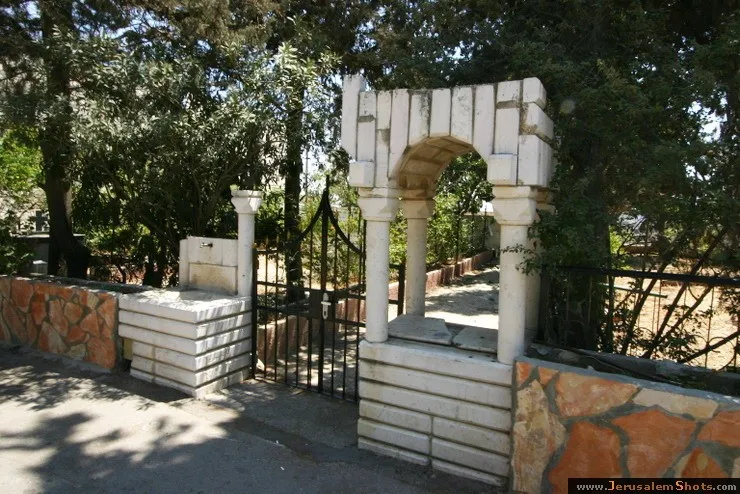
Mar Elias Monastery, Jerusalem
13.08.2009
This Greek Orthodox Monastery stands like a fortress on a hill from which both Jerusalem and Bethlehem can be seen. Mar Elias Monastery is located 5 km to the north of Bethlehem on the way to Jerusalem, and was founded in the 6th century AD and rebuilt by the Emperor Manual Communes in 1160.
Legend has it that the building stands on the site where prophet Elijah (pbuh) rested on his flight from the Vengeance of Queen Jezebel, who was seeking vengeance after Elijah slaughtered the priests of Baal (1 Kings 19:15). Another tradition holds that Greek Bishop Elias of Bethlehem was buried here in 1345, and another holds that it places the sepulcher of St. Elias, an Egyptian monk who became Patriarch of Jerusalem in 494. Mar Elias is believed to answer the prayers of barren women and ailing children. From the monastery, Bethlehem can be seen to the south, Herodion to the southeast and sometimes the Dead Sea across the valley to the east.
This Greek Orthodox Monastery stands like a fortress on a hill from which both Jerusalem and Bethlehem can be seen. Mar Elias Monastery is located 5 km to the north of Bethlehem on the way to Jerusalem, and was founded in the 6th century AD and rebuilt by the Emperor Manual Communes in 1160.
Legend has it that the building stands on the site where prophet Elijah (pbuh) rested on his flight from the Vengeance of Queen Jezebel, who was seeking vengeance after Elijah slaughtered the priests of Baal (1 Kings 19:15). Another tradition holds that Greek Bishop Elias of Bethlehem was buried here in 1345, and another holds that it places the sepulcher of St. Elias, an Egyptian monk who became Patriarch of Jerusalem in 494. Mar Elias is believed to answer the prayers of barren women and ailing children. From the monastery, Bethlehem can be seen to the south, Herodion to the southeast and sometimes the Dead Sea across the valley to the east.
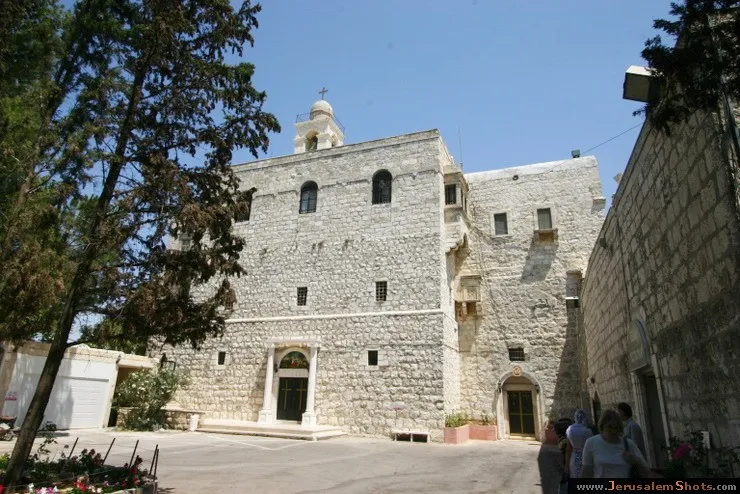
Mar Elias Monastery, Jerusalem
13.08.2009
This Greek Orthodox Monastery stands like a fortress on a hill from which both Jerusalem and Bethlehem can be seen. Mar Elias Monastery is located 5 km to the north of Bethlehem on the way to Jerusalem, and was founded in the 6th century AD and rebuilt by the Emperor Manual Communes in 1160.
Legend has it that the building stands on the site where prophet Elijah (pbuh) rested on his flight from the Vengeance of Queen Jezebel, who was seeking vengeance after Elijah slaughtered the priests of Baal (1 Kings 19:15). Another tradition holds that Greek Bishop Elias of Bethlehem was buried here in 1345, and another holds that it places the sepulcher of St. Elias, an Egyptian monk who became Patriarch of Jerusalem in 494. Mar Elias is believed to answer the prayers of barren women and ailing children. From the monastery, Bethlehem can be seen to the south, Herodion to the southeast and sometimes the Dead Sea across the valley to the east.
This Greek Orthodox Monastery stands like a fortress on a hill from which both Jerusalem and Bethlehem can be seen. Mar Elias Monastery is located 5 km to the north of Bethlehem on the way to Jerusalem, and was founded in the 6th century AD and rebuilt by the Emperor Manual Communes in 1160.
Legend has it that the building stands on the site where prophet Elijah (pbuh) rested on his flight from the Vengeance of Queen Jezebel, who was seeking vengeance after Elijah slaughtered the priests of Baal (1 Kings 19:15). Another tradition holds that Greek Bishop Elias of Bethlehem was buried here in 1345, and another holds that it places the sepulcher of St. Elias, an Egyptian monk who became Patriarch of Jerusalem in 494. Mar Elias is believed to answer the prayers of barren women and ailing children. From the monastery, Bethlehem can be seen to the south, Herodion to the southeast and sometimes the Dead Sea across the valley to the east.
aaron ovadia
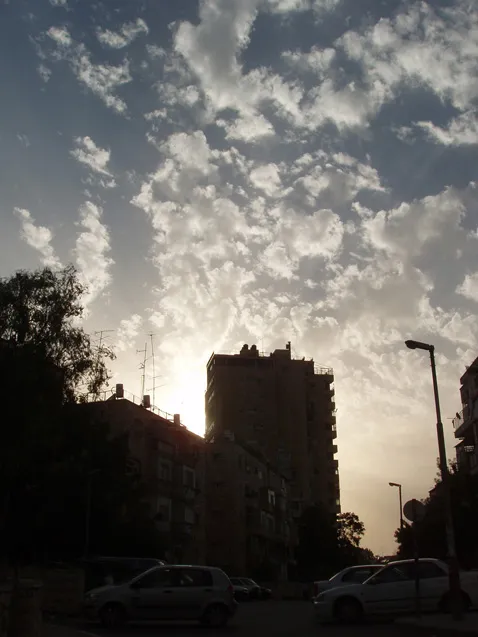
this is sunset like 20 minutes before. beautiful jerusalem.
phototaken in the neighborhood of kiryat moshe..
phototaken in the neighborhood of kiryat moshe..
 © aaron ovadia
Mar Elias Monastery, Jerusalem
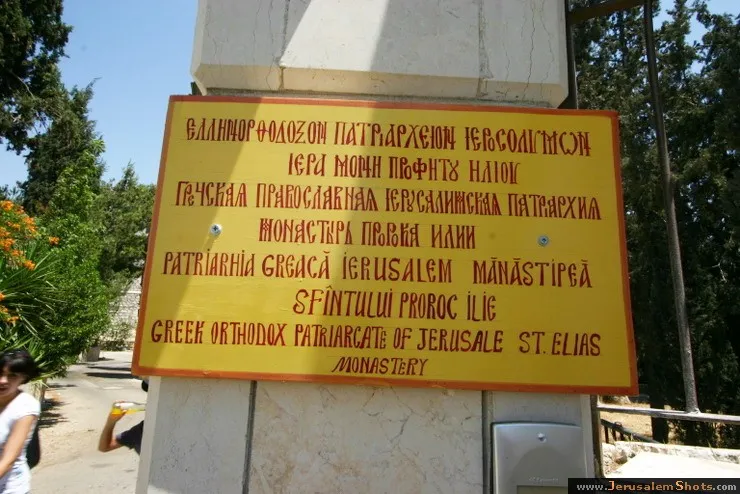
13.08.2009
This Greek Orthodox Monastery stands like a fortress on a hill from which both Jerusalem and Bethlehem can be seen. Mar Elias Monastery is located 5 km to the north of Bethlehem on the way to Jerusalem, and was founded in the 6th century AD and rebuilt by the Emperor Manual Communes in 1160.
Legend has it that the building stands on the site where prophet Elijah (pbuh) rested on his flight from the Vengeance of Queen Jezebel, who was seeking vengeance after Elijah slaughtered the priests of Baal (1 Kings 19:15). Another tradition holds that Greek Bishop Elias of Bethlehem was buried here in 1345, and another holds that it places the sepulcher of St. Elias, an Egyptian monk who became Patriarch of Jerusalem in 494. Mar Elias is believed to answer the prayers of barren women and ailing children. From the monastery, Bethlehem can be seen to the south, Herodion to the southeast and sometimes the Dead Sea across the valley to the east.
This Greek Orthodox Monastery stands like a fortress on a hill from which both Jerusalem and Bethlehem can be seen. Mar Elias Monastery is located 5 km to the north of Bethlehem on the way to Jerusalem, and was founded in the 6th century AD and rebuilt by the Emperor Manual Communes in 1160.
Legend has it that the building stands on the site where prophet Elijah (pbuh) rested on his flight from the Vengeance of Queen Jezebel, who was seeking vengeance after Elijah slaughtered the priests of Baal (1 Kings 19:15). Another tradition holds that Greek Bishop Elias of Bethlehem was buried here in 1345, and another holds that it places the sepulcher of St. Elias, an Egyptian monk who became Patriarch of Jerusalem in 494. Mar Elias is believed to answer the prayers of barren women and ailing children. From the monastery, Bethlehem can be seen to the south, Herodion to the southeast and sometimes the Dead Sea across the valley to the east.
Mar Elias Monastery, Jerusalem

13.08.2009
This Greek Orthodox Monastery stands like a fortress on a hill from which both Jerusalem and Bethlehem can be seen. Mar Elias Monastery is located 5 km to the north of Bethlehem on the way to Jerusalem, and was founded in the 6th century AD and rebuilt by the Emperor Manual Communes in 1160.
Legend has it that the building stands on the site where prophet Elijah (pbuh) rested on his flight from the Vengeance of Queen Jezebel, who was seeking vengeance after Elijah slaughtered the priests of Baal (1 Kings 19:15). Another tradition holds that Greek Bishop Elias of Bethlehem was buried here in 1345, and another holds that it places the sepulcher of St. Elias, an Egyptian monk who became Patriarch of Jerusalem in 494. Mar Elias is believed to answer the prayers of barren women and ailing children. From the monastery, Bethlehem can be seen to the south, Herodion to the southeast and sometimes the Dead Sea across the valley to the east.
This Greek Orthodox Monastery stands like a fortress on a hill from which both Jerusalem and Bethlehem can be seen. Mar Elias Monastery is located 5 km to the north of Bethlehem on the way to Jerusalem, and was founded in the 6th century AD and rebuilt by the Emperor Manual Communes in 1160.
Legend has it that the building stands on the site where prophet Elijah (pbuh) rested on his flight from the Vengeance of Queen Jezebel, who was seeking vengeance after Elijah slaughtered the priests of Baal (1 Kings 19:15). Another tradition holds that Greek Bishop Elias of Bethlehem was buried here in 1345, and another holds that it places the sepulcher of St. Elias, an Egyptian monk who became Patriarch of Jerusalem in 494. Mar Elias is believed to answer the prayers of barren women and ailing children. From the monastery, Bethlehem can be seen to the south, Herodion to the southeast and sometimes the Dead Sea across the valley to the east.
Mar Elias Monastery, Jerusalem

13.08.2009
This Greek Orthodox Monastery stands like a fortress on a hill from which both Jerusalem and Bethlehem can be seen. Mar Elias Monastery is located 5 km to the north of Bethlehem on the way to Jerusalem, and was founded in the 6th century AD and rebuilt by the Emperor Manual Communes in 1160.
Legend has it that the building stands on the site where prophet Elijah (pbuh) rested on his flight from the Vengeance of Queen Jezebel, who was seeking vengeance after Elijah slaughtered the priests of Baal (1 Kings 19:15). Another tradition holds that Greek Bishop Elias of Bethlehem was buried here in 1345, and another holds that it places the sepulcher of St. Elias, an Egyptian monk who became Patriarch of Jerusalem in 494. Mar Elias is believed to answer the prayers of barren women and ailing children. From the monastery, Bethlehem can be seen to the south, Herodion to the southeast and sometimes the Dead Sea across the valley to the east.
This Greek Orthodox Monastery stands like a fortress on a hill from which both Jerusalem and Bethlehem can be seen. Mar Elias Monastery is located 5 km to the north of Bethlehem on the way to Jerusalem, and was founded in the 6th century AD and rebuilt by the Emperor Manual Communes in 1160.
Legend has it that the building stands on the site where prophet Elijah (pbuh) rested on his flight from the Vengeance of Queen Jezebel, who was seeking vengeance after Elijah slaughtered the priests of Baal (1 Kings 19:15). Another tradition holds that Greek Bishop Elias of Bethlehem was buried here in 1345, and another holds that it places the sepulcher of St. Elias, an Egyptian monk who became Patriarch of Jerusalem in 494. Mar Elias is believed to answer the prayers of barren women and ailing children. From the monastery, Bethlehem can be seen to the south, Herodion to the southeast and sometimes the Dead Sea across the valley to the east.
Hello from Jerusalem´s Zoo
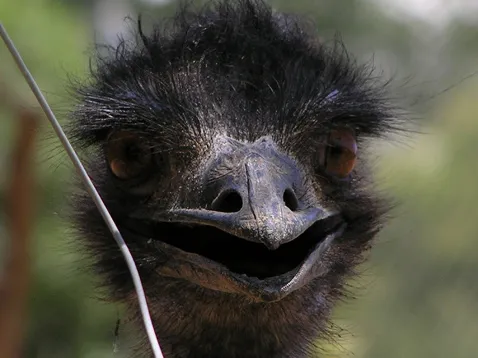
Emu
There are some ten species of ostrich-like birds in the world today. Four of these are represented in our zoo, but for the time being at least, the emu is the only one privileged to have an enclosure of its own. The emu (Dromaius novaehollandiae) can be found in a number of different habitats in Australia, ranging from woodlands to grassy plains. This species is omnivorous, and feeds on seeds, fruit, grasses, and insects. The female is typically polyandrous, that is, she mates with a number of males. However, she will then lay her eggs in the nest of one chosen male. The male is the one that incubates the eggs, and later cares for the chicks that hatch.
http://www.jerusalemzoo.org.il/english/upload/tour/emu.html
There are some ten species of ostrich-like birds in the world today. Four of these are represented in our zoo, but for the time being at least, the emu is the only one privileged to have an enclosure of its own. The emu (Dromaius novaehollandiae) can be found in a number of different habitats in Australia, ranging from woodlands to grassy plains. This species is omnivorous, and feeds on seeds, fruit, grasses, and insects. The female is typically polyandrous, that is, she mates with a number of males. However, she will then lay her eggs in the nest of one chosen male. The male is the one that incubates the eggs, and later cares for the chicks that hatch.
http://www.jerusalemzoo.org.il/english/upload/tour/emu.html
 © I.L.
Asiatic Lion

The lion is the symbol of the modern city of Jerusalem, and until the 12th century, lions lived in the hills surrounding the city. The local inhabitants were both awed and intimidated by the power of this most spectacular of animals. In fact, the Bible uses seven different names to refer to the lion.
Lions have gradually disappeared from many regions of the world as a result of habitat destruction and reckless hunting, as well as exploitation for the purpose of public amusement; in the days of the Roman Empire for instance, lions would be imported to entertain the masses by doing battle with either human gladiators or other animals. Eventually they became extinct throughout much of their former ranges. But unlike many of the populations of African lions that continue to thrive today, the formerly vast population of the Asiatic lion (Panthera leo persica) has now been confined to the Gir Forest of northwest India, where only a few wild remnants still persist. The Asiatic lion is exceptionally rare, and is in extreme danger of extinction. Our Asiatic lions are part of the breeding project of the European Endangered Species Program (EEP).
http://www.jerusalemzoo.org.il/english/upload/tour/lion.html
Lions have gradually disappeared from many regions of the world as a result of habitat destruction and reckless hunting, as well as exploitation for the purpose of public amusement; in the days of the Roman Empire for instance, lions would be imported to entertain the masses by doing battle with either human gladiators or other animals. Eventually they became extinct throughout much of their former ranges. But unlike many of the populations of African lions that continue to thrive today, the formerly vast population of the Asiatic lion (Panthera leo persica) has now been confined to the Gir Forest of northwest India, where only a few wild remnants still persist. The Asiatic lion is exceptionally rare, and is in extreme danger of extinction. Our Asiatic lions are part of the breeding project of the European Endangered Species Program (EEP).
http://www.jerusalemzoo.org.il/english/upload/tour/lion.html
The Mandrills

The Jerusalem Biblical Zoo boasts one of the world's largest troops of captive mandrills. The mandrill (Mandrillus sphinx) is perhaps the most colourful of the primates. The adult male is most conspicuous, thanks to the bold colors on his face and hindquarters, and by virtue of his sheer size, which may be double that of the female. Mandrills are quite common in zoos throughout the world, and the behavior of this species in captivity has been well documented. But recent studies have shown that mandrill populations in the wild have a most intriguing social structure, and that their social behavior bears little resemblance to that of a troop in captivity. Captive adult males dominate and dictate the course of their troop's daily life; apparently, however, in the wild, mature males are almost entirely solitary, unlike the females, which are exceptionally gregarious. Wild females and juveniles have been found to live in troops that actually number many hundreds of individuals, while the adult males evidently have nothing to do with the troops, except during the relatively short mating season.
http://www.jerusalemzoo.org.il/english/upload/tour/mandrill.html
http://www.jerusalemzoo.org.il/english/upload/tour/mandrill.html
Al-Aqsa Mosque

I shotted this picture when I arrived to Jerusalem I found that Mosque (Al-Aqsa) really interesting.
I hope you'll like it.
I think Jerusalem was, is and will be always an Eternal city with that wonderful magic, miracles, culture, but the most important... The steps of Jesus, our Lord.
Greetings from Guadalajara Mexico
I hope you'll like it.
I think Jerusalem was, is and will be always an Eternal city with that wonderful magic, miracles, culture, but the most important... The steps of Jesus, our Lord.
Greetings from Guadalajara Mexico
 © Erick Rodriguez
The Mandrills

The Jerusalem Biblical Zoo boasts one of the world's largest troops of captive mandrills. The mandrill (Mandrillus sphinx) is perhaps the most colourful of the primates. The adult male is most conspicuous, thanks to the bold colors on his face and hindquarters, and by virtue of his sheer size, which may be double that of the female. Mandrills are quite common in zoos throughout the world, and the behavior of this species in captivity has been well documented. But recent studies have shown that mandrill populations in the wild have a most intriguing social structure, and that their social behavior bears little resemblance to that of a troop in captivity. Captive adult males dominate and dictate the course of their troop's daily life; apparently, however, in the wild, mature males are almost entirely solitary, unlike the females, which are exceptionally gregarious. Wild females and juveniles have been found to live in troops that actually number many hundreds of individuals, while the adult males evidently have nothing to do with the troops, except during the relatively short mating season.
http://www.jerusalemzoo.org.il/english/upload/tour/mandrill.html
http://www.jerusalemzoo.org.il/english/upload/tour/mandrill.html
