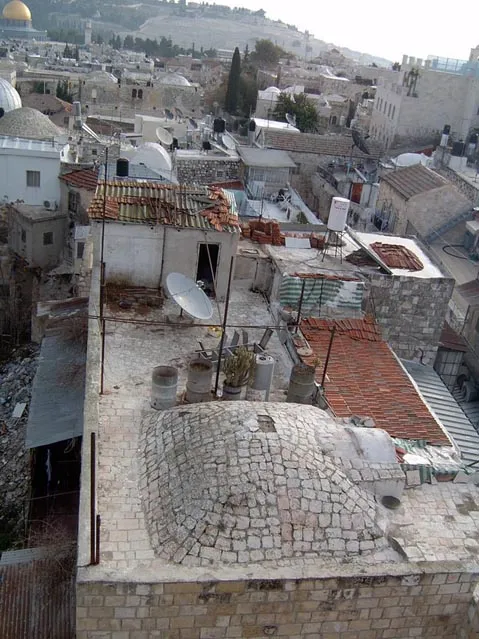
Old City \ Life behind Golgotha..
 © zhilinsky
The Mandrills
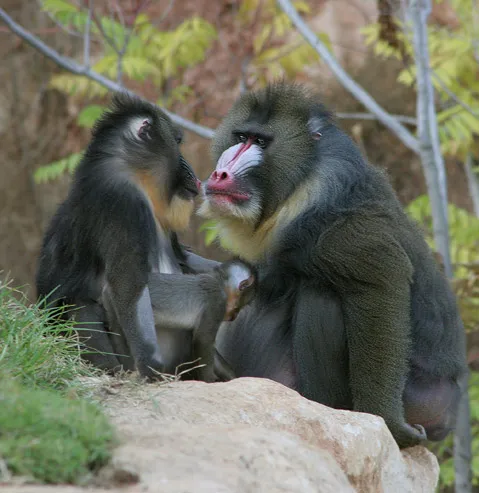
The Jerusalem Biblical Zoo boasts one of the world´s largest troops of captive mandrills. The mandrill (Mandrillus sphinx) is perhaps the most colourful of the primates. The adult male is most conspicuous, thanks to the bold colors on his face and hindquarters, and by virtue of his sheer size, which may be double that of the female. Mandrills are quite common in zoos throughout the world, and the behavior of this species in captivity has been well documented. But recent studies have shown that mandrill populations in the wild have a most intriguing social structure, and that their social behavior bears little resemblance to that of a troop in captivity. Captive adult males dominate and dictate the course of their troop´s daily life; apparently, however, in the wild, mature males are almost entirely solitary, unlike the females, which are exceptionally gregarious. Wild females and juveniles have been found to live in troops that actually number many hundreds of individuals, while the adult males evidently have nothing to do with the troops, except during the relatively short mating season.
http://www.jerusalemzoo.org.il/english/upload/tour/mandrill.html
http://www.jerusalemzoo.org.il/english/upload/tour/mandrill.html
 © RomKri
Gehenna
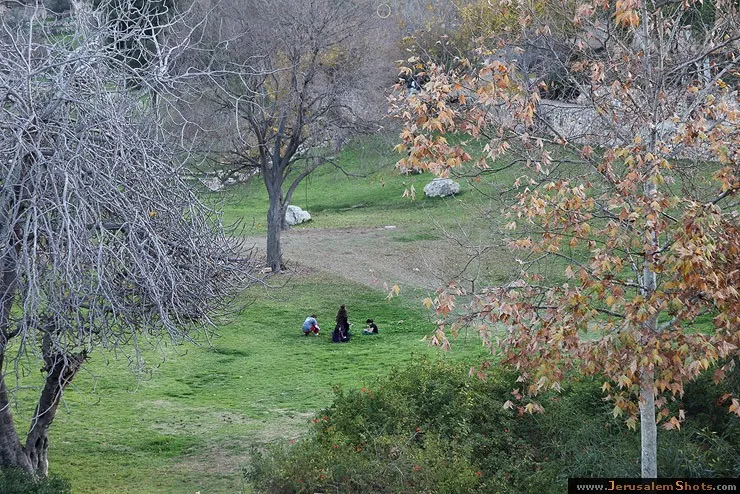
Gehenna, gehinnam, or gehinnom (Hebrew: גהנום, גהנם, Greek γεεννα) are words used in Jewish and Christian writings for the place where evil people go in the afterlife (see Hell). The name is derived from a geographical site in Jerusalem known as the Valley of Hinnom, one of the two principal valleys surrounding the Old City. Initially the site where idolatrous Jews sacrificed their children to the god Molech (2 Chr. 28:3, 33:6; Jer. 7:31, 19:2-6), the valley later became the common wasteyard for all the refuse of Jerusalem. Here the dead bodies of animals and of criminals, and rubbish, were cast and, according to legend, consumed by a constant fire. In time it became the image of the place of everlasting destruction in Jewish tradition[1]. However, Jewish tradition suggests the valley had a 'gate' which led down to a molten lake of fire. (Possibly 'The furnace of Yahweh' in Zion to which Isaiah refers 31:9, 30:33). It is unknown whether this 'gate' was an actual geophysical feature within the valley that provided the focus for cultic activity (2 Kings 23:10) or simply a metaphorical identification with the entrance to the underworld that had come to be associated with the valley.
Gehenna is cited in the New Testament and in early Christian writing to represent the final place where the wicked will be punished or destroyed after resurrection. In both Rabbinical Jewish and Christian writing, Gehenna as a destination of the wicked is different from Sheol or Hades, the abode of the dead.
Taken from wikipedia.org
Gehenna is cited in the New Testament and in early Christian writing to represent the final place where the wicked will be punished or destroyed after resurrection. In both Rabbinical Jewish and Christian writing, Gehenna as a destination of the wicked is different from Sheol or Hades, the abode of the dead.
Taken from wikipedia.org
Gehenna
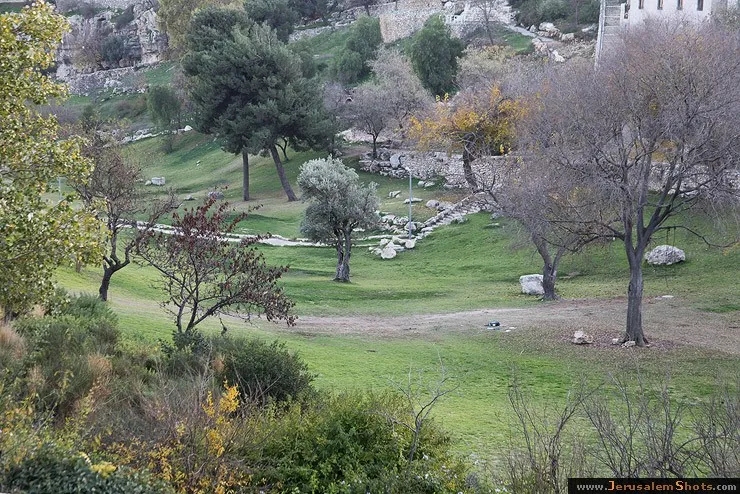
Gehenna, gehinnam, or gehinnom (Hebrew: גהנום, גהנם, Greek γεεννα) are words used in Jewish and Christian writings for the place where evil people go in the afterlife (see Hell). The name is derived from a geographical site in Jerusalem known as the Valley of Hinnom, one of the two principal valleys surrounding the Old City. Initially the site where idolatrous Jews sacrificed their children to the god Molech (2 Chr. 28:3, 33:6; Jer. 7:31, 19:2-6), the valley later became the common wasteyard for all the refuse of Jerusalem. Here the dead bodies of animals and of criminals, and rubbish, were cast and, according to legend, consumed by a constant fire. In time it became the image of the place of everlasting destruction in Jewish tradition[1]. However, Jewish tradition suggests the valley had a 'gate' which led down to a molten lake of fire. (Possibly 'The furnace of Yahweh' in Zion to which Isaiah refers 31:9, 30:33). It is unknown whether this 'gate' was an actual geophysical feature within the valley that provided the focus for cultic activity (2 Kings 23:10) or simply a metaphorical identification with the entrance to the underworld that had come to be associated with the valley.
Gehenna is cited in the New Testament and in early Christian writing to represent the final place where the wicked will be punished or destroyed after resurrection. In both Rabbinical Jewish and Christian writing, Gehenna as a destination of the wicked is different from Sheol or Hades, the abode of the dead.
Taken from wikipedia.org
Gehenna is cited in the New Testament and in early Christian writing to represent the final place where the wicked will be punished or destroyed after resurrection. In both Rabbinical Jewish and Christian writing, Gehenna as a destination of the wicked is different from Sheol or Hades, the abode of the dead.
Taken from wikipedia.org
Gehenna
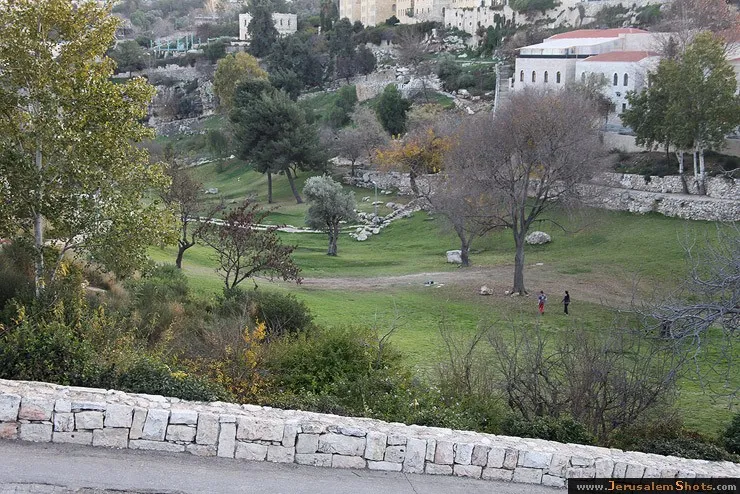
Gehenna, gehinnam, or gehinnom (Hebrew: גהנום, גהנם, Greek γεεννα) are words used in Jewish and Christian writings for the place where evil people go in the afterlife (see Hell). The name is derived from a geographical site in Jerusalem known as the Valley of Hinnom, one of the two principal valleys surrounding the Old City. Initially the site where idolatrous Jews sacrificed their children to the god Molech (2 Chr. 28:3, 33:6; Jer. 7:31, 19:2-6), the valley later became the common wasteyard for all the refuse of Jerusalem. Here the dead bodies of animals and of criminals, and rubbish, were cast and, according to legend, consumed by a constant fire. In time it became the image of the place of everlasting destruction in Jewish tradition[1]. However, Jewish tradition suggests the valley had a 'gate' which led down to a molten lake of fire. (Possibly 'The furnace of Yahweh' in Zion to which Isaiah refers 31:9, 30:33). It is unknown whether this 'gate' was an actual geophysical feature within the valley that provided the focus for cultic activity (2 Kings 23:10) or simply a metaphorical identification with the entrance to the underworld that had come to be associated with the valley.
Gehenna is cited in the New Testament and in early Christian writing to represent the final place where the wicked will be punished or destroyed after resurrection. In both Rabbinical Jewish and Christian writing, Gehenna as a destination of the wicked is different from Sheol or Hades, the abode of the dead.
Taken from wikipedia.org
Gehenna is cited in the New Testament and in early Christian writing to represent the final place where the wicked will be punished or destroyed after resurrection. In both Rabbinical Jewish and Christian writing, Gehenna as a destination of the wicked is different from Sheol or Hades, the abode of the dead.
Taken from wikipedia.org
Jerusalem Botanical Garden

24.04.2006
New Life !
New Life !


 © Valery Dembitsky
Jerusalem Botanical Garden

24.04.2006
New Life !
New Life !
Scabiosa prolifera

http://whitesoul.com
Made With : Nikon D70s
Made With : Nikon D70s
Scabiosa prolifera

http://whitesoul.com
Made With : Nikon D70s
Made With : Nikon D70s
Old City \ The other side of life
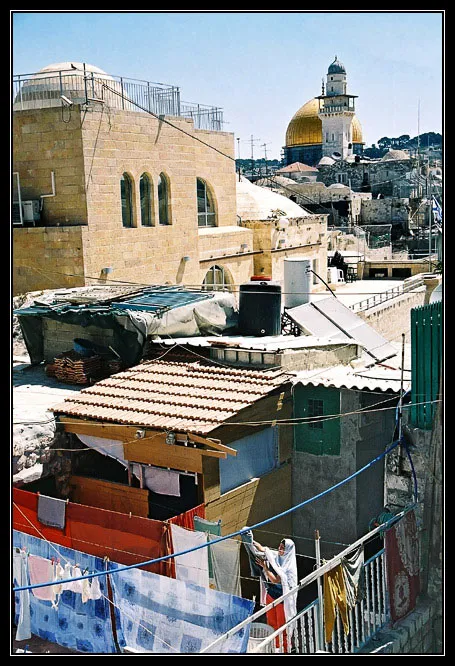
The Mandrills

The Jerusalem Biblical Zoo boasts one of the world's largest troops of captive mandrills. The mandrill (Mandrillus sphinx) is perhaps the most colourful of the primates. The adult male is most conspicuous, thanks to the bold colors on his face and hindquarters, and by virtue of his sheer size, which may be double that of the female. Mandrills are quite common in zoos throughout the world, and the behavior of this species in captivity has been well documented. But recent studies have shown that mandrill populations in the wild have a most intriguing social structure, and that their social behavior bears little resemblance to that of a troop in captivity. Captive adult males dominate and dictate the course of their troop's daily life; apparently, however, in the wild, mature males are almost entirely solitary, unlike the females, which are exceptionally gregarious. Wild females and juveniles have been found to live in troops that actually number many hundreds of individuals, while the adult males evidently have nothing to do with the troops, except during the relatively short mating season.
http://www.jerusalemzoo.org.il/english/upload/tour/mandrill.html
http://www.jerusalemzoo.org.il/english/upload/tour/mandrill.html
The Mandrills

The Jerusalem Biblical Zoo boasts one of the world's largest troops of captive mandrills. The mandrill (Mandrillus sphinx) is perhaps the most colourful of the primates. The adult male is most conspicuous, thanks to the bold colors on his face and hindquarters, and by virtue of his sheer size, which may be double that of the female. Mandrills are quite common in zoos throughout the world, and the behavior of this species in captivity has been well documented. But recent studies have shown that mandrill populations in the wild have a most intriguing social structure, and that their social behavior bears little resemblance to that of a troop in captivity. Captive adult males dominate and dictate the course of their troop's daily life; apparently, however, in the wild, mature males are almost entirely solitary, unlike the females, which are exceptionally gregarious. Wild females and juveniles have been found to live in troops that actually number many hundreds of individuals, while the adult males evidently have nothing to do with the troops, except during the relatively short mating season.
http://www.jerusalemzoo.org.il/english/upload/tour/mandrill.html
http://www.jerusalemzoo.org.il/english/upload/tour/mandrill.html
Mamilla Mall View
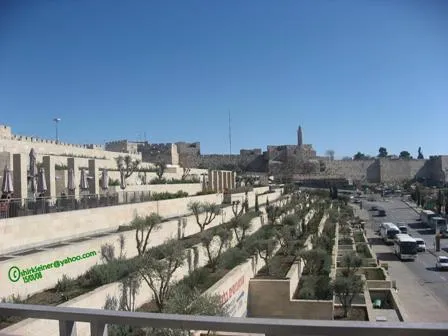
Mamailla Mall View
Its the beautiful view i ever saw in my life,
you can see it from the
store CASTRO in Mamilla Mall,
its just beautiful
Its the beautiful view i ever saw in my life,
you can see it from the
store CASTRO in Mamilla Mall,
its just beautiful
Ein Karem
deep fog came over Hadassa Hospital this weekend, now inside of this building doctors are fighting over Sharon´s life...