Historical sites \ Model of the Second Temple at the Israel Museum
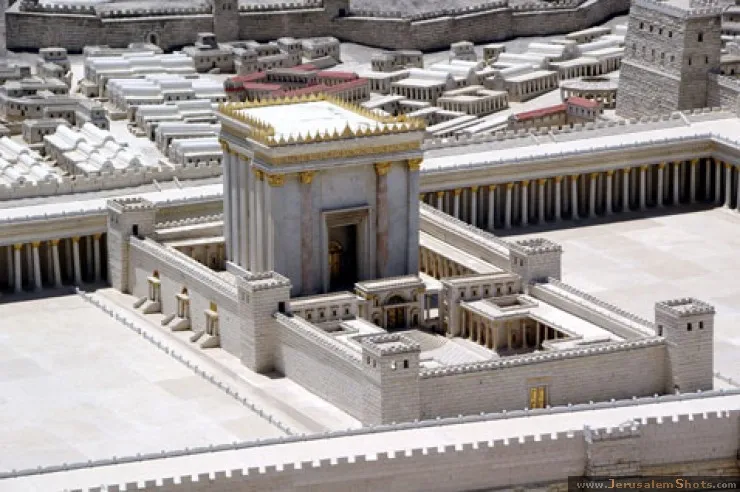
This is in the model of Jerusalem at the time of the Second Temple. It was moved from the Holyland Hotel to the Israel Museum in late 2005.
 © Al Teich
Street lamp
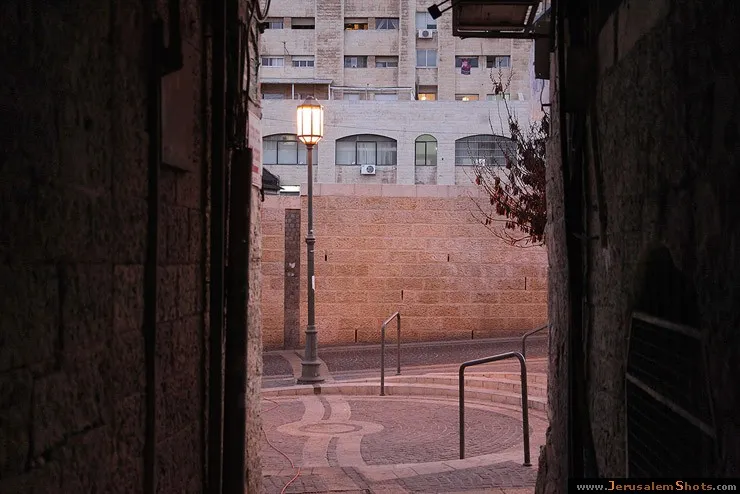
 © RomKri
The Chagall Windows of Marc Chagall, Hadassah, Ein Kerem
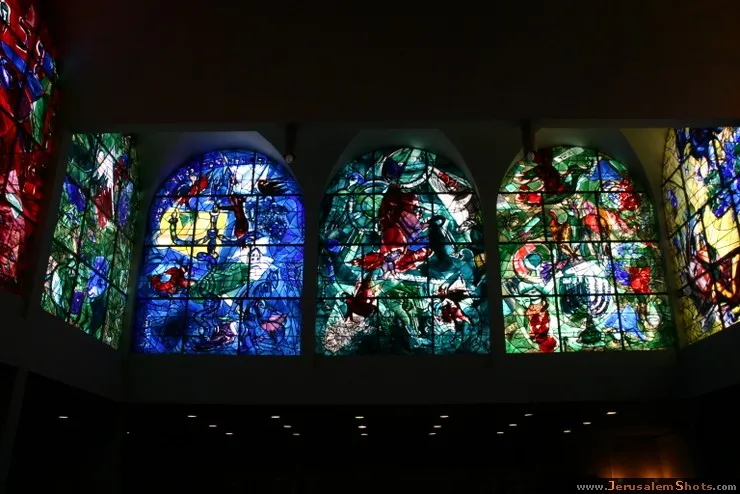
The Windows represents the 12 sons of the Patriarch Jacob, from whom came the Twelve Tribes of Israel. Chagall's Windows are populated by floating figures of animals, fish, flowers, and numerous Jewish symbols.
19 Jule 2009
The Synagogue of the Hadassah-Hebrew University Medical Center was dedicated on February 6th, 1962, as part of Hadassah's Golden Anniversary celebration. The floors and interior walls are made of Jerusalem Stone, and the Synagogue is illuminated by a hanging lantern and by sunlight which streams through the magnificent Chagall Windows.
19 Jule 2009
The Synagogue of the Hadassah-Hebrew University Medical Center was dedicated on February 6th, 1962, as part of Hadassah's Golden Anniversary celebration. The floors and interior walls are made of Jerusalem Stone, and the Synagogue is illuminated by a hanging lantern and by sunlight which streams through the magnificent Chagall Windows.


 © Valery Dembitsky
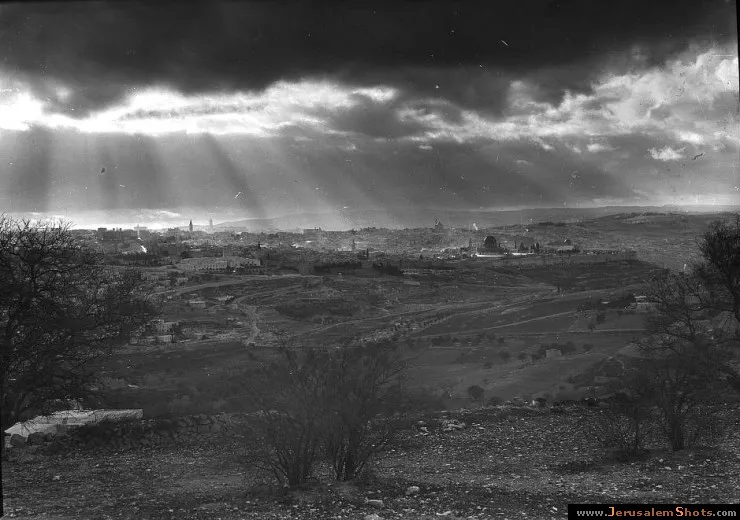
Sun rays over Jerusalem taken from Scopus, late afternoon, 6.2.1942
Historical sites \ Gehenna
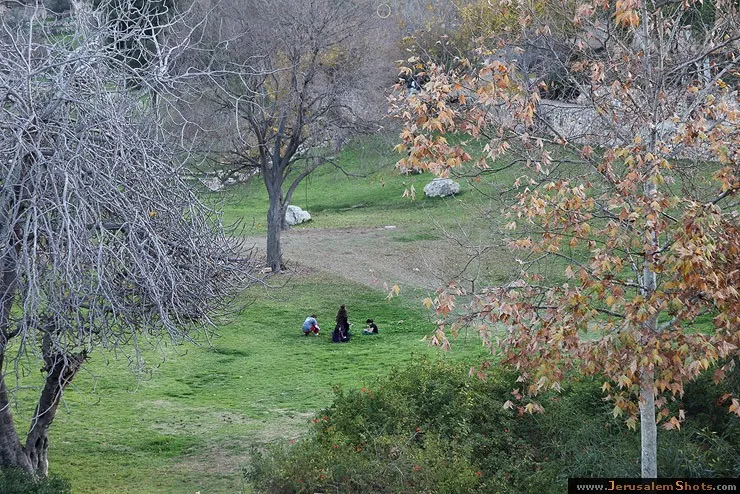
Gehenna, gehinnam, or gehinnom (Hebrew: גהנום, גהנם, Greek γεεννα) are words used in Jewish and Christian writings for the place where evil people go in the afterlife (see Hell). The name is derived from a geographical site in Jerusalem known as the Valley of Hinnom, one of the two principal valleys surrounding the Old City. Initially the site where idolatrous Jews sacrificed their children to the god Molech (2 Chr. 28:3, 33:6; Jer. 7:31, 19:2-6), the valley later became the common wasteyard for all the refuse of Jerusalem. Here the dead bodies of animals and of criminals, and rubbish, were cast and, according to legend, consumed by a constant fire. In time it became the image of the place of everlasting destruction in Jewish tradition[1]. However, Jewish tradition suggests the valley had a 'gate' which led down to a molten lake of fire. (Possibly 'The furnace of Yahweh' in Zion to which Isaiah refers 31:9, 30:33). It is unknown whether this 'gate' was an actual geophysical feature within the valley that provided the focus for cultic activity (2 Kings 23:10) or simply a metaphorical identification with the entrance to the underworld that had come to be associated with the valley.
Gehenna is cited in the New Testament and in early Christian writing to represent the final place where the wicked will be punished or destroyed after resurrection. In both Rabbinical Jewish and Christian writing, Gehenna as a destination of the wicked is different from Sheol or Hades, the abode of the dead.
Taken from wikipedia.org
Gehenna is cited in the New Testament and in early Christian writing to represent the final place where the wicked will be punished or destroyed after resurrection. In both Rabbinical Jewish and Christian writing, Gehenna as a destination of the wicked is different from Sheol or Hades, the abode of the dead.
Taken from wikipedia.org
Historical sites \ Gehenna
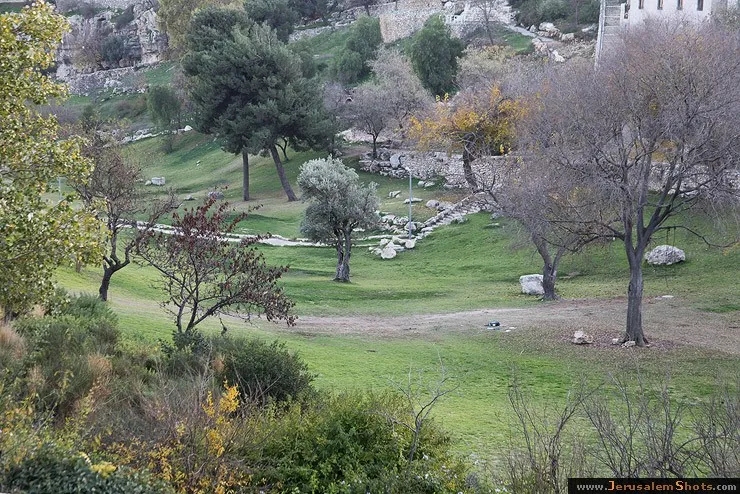
Gehenna, gehinnam, or gehinnom (Hebrew: גהנום, גהנם, Greek γεεννα) are words used in Jewish and Christian writings for the place where evil people go in the afterlife (see Hell). The name is derived from a geographical site in Jerusalem known as the Valley of Hinnom, one of the two principal valleys surrounding the Old City. Initially the site where idolatrous Jews sacrificed their children to the god Molech (2 Chr. 28:3, 33:6; Jer. 7:31, 19:2-6), the valley later became the common wasteyard for all the refuse of Jerusalem. Here the dead bodies of animals and of criminals, and rubbish, were cast and, according to legend, consumed by a constant fire. In time it became the image of the place of everlasting destruction in Jewish tradition[1]. However, Jewish tradition suggests the valley had a 'gate' which led down to a molten lake of fire. (Possibly 'The furnace of Yahweh' in Zion to which Isaiah refers 31:9, 30:33). It is unknown whether this 'gate' was an actual geophysical feature within the valley that provided the focus for cultic activity (2 Kings 23:10) or simply a metaphorical identification with the entrance to the underworld that had come to be associated with the valley.
Gehenna is cited in the New Testament and in early Christian writing to represent the final place where the wicked will be punished or destroyed after resurrection. In both Rabbinical Jewish and Christian writing, Gehenna as a destination of the wicked is different from Sheol or Hades, the abode of the dead.
Taken from wikipedia.org
Gehenna is cited in the New Testament and in early Christian writing to represent the final place where the wicked will be punished or destroyed after resurrection. In both Rabbinical Jewish and Christian writing, Gehenna as a destination of the wicked is different from Sheol or Hades, the abode of the dead.
Taken from wikipedia.org
The Chagall Windows of Marc Chagall, Hadassah, Ein Kerem
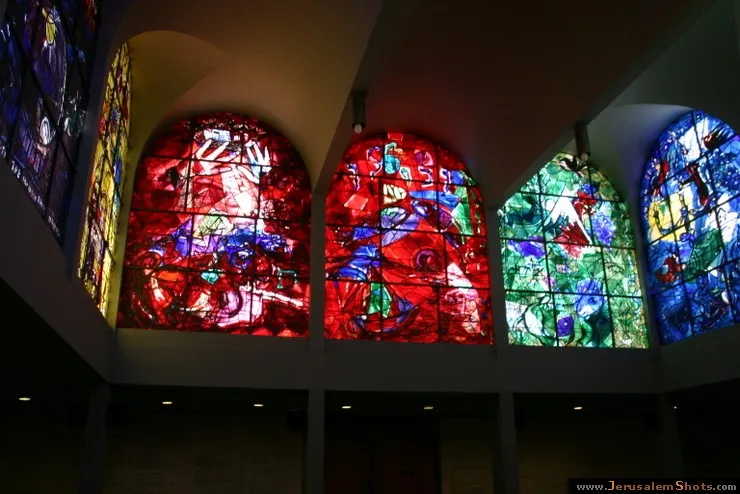
The Windows represents the 12 sons of the Patriarch Jacob, from whom came the Twelve Tribes of Israel. Chagall's Windows are populated by floating figures of animals, fish, flowers, and numerous Jewish symbols.
19 Jule 2009
The Synagogue of the Hadassah-Hebrew University Medical Center was dedicated on February 6th, 1962, as part of Hadassah's Golden Anniversary celebration. The floors and interior walls are made of Jerusalem Stone, and the Synagogue is illuminated by a hanging lantern and by sunlight which streams through the magnificent Chagall Windows.
19 Jule 2009
The Synagogue of the Hadassah-Hebrew University Medical Center was dedicated on February 6th, 1962, as part of Hadassah's Golden Anniversary celebration. The floors and interior walls are made of Jerusalem Stone, and the Synagogue is illuminated by a hanging lantern and by sunlight which streams through the magnificent Chagall Windows.
Historical sites \ Gehenna
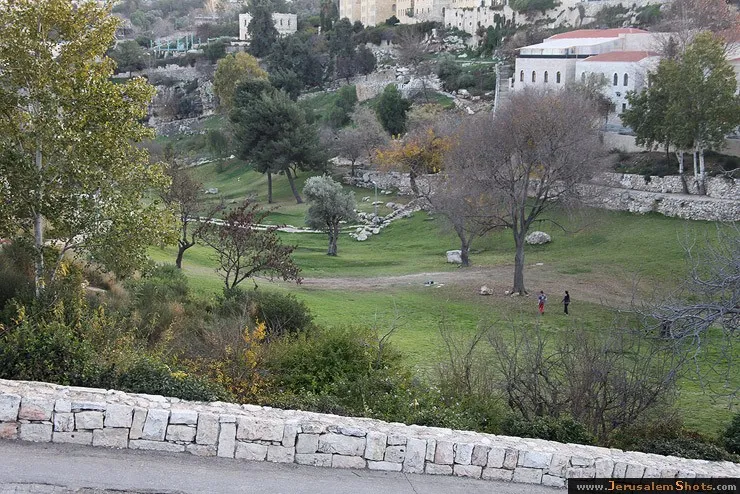
Gehenna, gehinnam, or gehinnom (Hebrew: גהנום, גהנם, Greek γεεννα) are words used in Jewish and Christian writings for the place where evil people go in the afterlife (see Hell). The name is derived from a geographical site in Jerusalem known as the Valley of Hinnom, one of the two principal valleys surrounding the Old City. Initially the site where idolatrous Jews sacrificed their children to the god Molech (2 Chr. 28:3, 33:6; Jer. 7:31, 19:2-6), the valley later became the common wasteyard for all the refuse of Jerusalem. Here the dead bodies of animals and of criminals, and rubbish, were cast and, according to legend, consumed by a constant fire. In time it became the image of the place of everlasting destruction in Jewish tradition[1]. However, Jewish tradition suggests the valley had a 'gate' which led down to a molten lake of fire. (Possibly 'The furnace of Yahweh' in Zion to which Isaiah refers 31:9, 30:33). It is unknown whether this 'gate' was an actual geophysical feature within the valley that provided the focus for cultic activity (2 Kings 23:10) or simply a metaphorical identification with the entrance to the underworld that had come to be associated with the valley.
Gehenna is cited in the New Testament and in early Christian writing to represent the final place where the wicked will be punished or destroyed after resurrection. In both Rabbinical Jewish and Christian writing, Gehenna as a destination of the wicked is different from Sheol or Hades, the abode of the dead.
Taken from wikipedia.org
Gehenna is cited in the New Testament and in early Christian writing to represent the final place where the wicked will be punished or destroyed after resurrection. In both Rabbinical Jewish and Christian writing, Gehenna as a destination of the wicked is different from Sheol or Hades, the abode of the dead.
Taken from wikipedia.org
Old City

Sun rays over Jerusalem taken from Scopus, late afternoon, 6.2.1942

Jerusalem Nightscape with City Walls
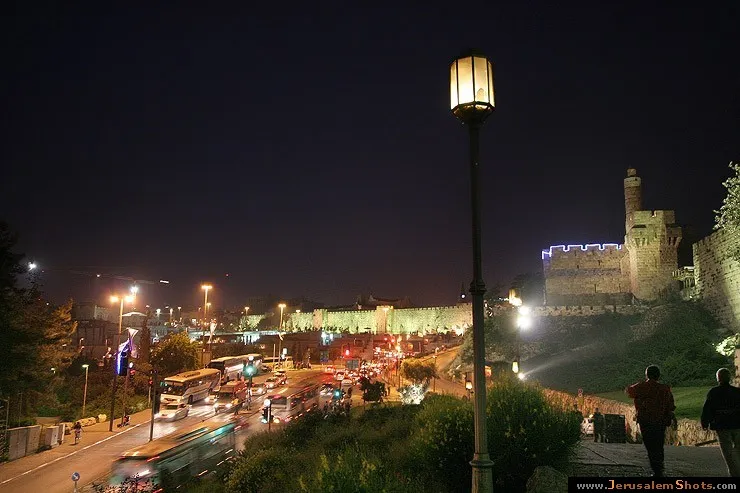
A night view of the illuminated Jerusalem walls and ancient towers, overlooking a busy road with traffic and street lamps.
Narrow Alleyway in the Old City

A quiet, stone-walled alleyway at dusk with glowing street lamps and an Israeli flag hanging from a balcony.
Churbat Midras

November 1994
Jerusalem Area. Churbat Midras (Turkish mosques, medresse, inns and baths?). First The Seljukids, Artuqids and Zangids and later Mamluks and lastly Ottomans. But despite this nearly 850 years long rule the Turkish heritage and contribution is often overlooked and underestimated in the literature.
Jerusalem Area. Churbat Midras (Turkish mosques, medresse, inns and baths?). First The Seljukids, Artuqids and Zangids and later Mamluks and lastly Ottomans. But despite this nearly 850 years long rule the Turkish heritage and contribution is often overlooked and underestimated in the literature.
The Synagogue of the Hadassah-Hebrew University Medical Center

The Windows represents the 12 sons of the Patriarch Jacob, from whom came the Twelve Tribes of Israel. Chagall's Windows are populated by floating figures of animals, fish, flowers, and numerous Jewish symbols.
19 Jule 2009
The Synagogue of the Hadassah-Hebrew University Medical Center was dedicated on February 6th, 1962, as part of Hadassah´s Golden Anniversary celebration. The floors and interior walls are made of Jerusalem Stone, and the Synagogue is illuminated by a hanging lantern and by sunlight which streams through the magnificent Chagall Windows.
19 Jule 2009
The Synagogue of the Hadassah-Hebrew University Medical Center was dedicated on February 6th, 1962, as part of Hadassah´s Golden Anniversary celebration. The floors and interior walls are made of Jerusalem Stone, and the Synagogue is illuminated by a hanging lantern and by sunlight which streams through the magnificent Chagall Windows.
Great Synagogue

As early as 1923 the Chief Rabbis of Israel, Abraham Kook and Jacob Meir, mooted plans for a large central synagogue in Jerusalem. It was over 30 years later in 1958 when Heichal Shlomo, seat of the Israeli Rabbinate, was founded, that a small synagogue was established within the building. As time progressed and the need for more space grew, services were moved and held in the foyer of Heichal Shlomo. Soon afterwards, when the premises could not hold the number of worshippers attending, it was decided that a new, much larger synagogue be built.
The Chagall Windows, Hadassah, Ein Kerem

The Windows represents the 12 sons of the Patriarch Jacob, from whom came the Twelve Tribes of Israel. Chagall's Windows are populated by floating figures of animals, fish, flowers, and numerous Jewish symbols.
19 Jule 2009
The Synagogue of the Hadassah-Hebrew University Medical Center was dedicated on February 6th, 1962, as part of Hadassah's Golden Anniversary celebration. The floors and interior walls are made of Jerusalem Stone, and the Synagogue is illuminated by a hanging lantern and by sunlight which streams through the magnificent Chagall Windows.
19 Jule 2009
The Synagogue of the Hadassah-Hebrew University Medical Center was dedicated on February 6th, 1962, as part of Hadassah's Golden Anniversary celebration. The floors and interior walls are made of Jerusalem Stone, and the Synagogue is illuminated by a hanging lantern and by sunlight which streams through the magnificent Chagall Windows.
The Chagall Windows of Marc Chagall, Hadassah, Ein Kerem
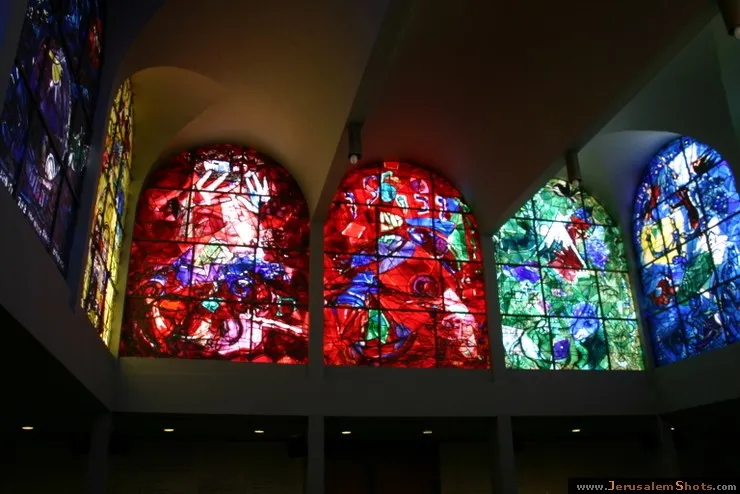
The Windows represents the 12 sons of the Patriarch Jacob, from whom came the Twelve Tribes of Israel. Chagall's Windows are populated by floating figures of animals, fish, flowers, and numerous Jewish symbols.
19 Jule 2009
The Synagogue of the Hadassah-Hebrew University Medical Center was dedicated on February 6th, 1962, as part of Hadassah's Golden Anniversary celebration. The floors and interior walls are made of Jerusalem Stone, and the Synagogue is illuminated by a hanging lantern and by sunlight which streams through the magnificent Chagall Windows.
19 Jule 2009
The Synagogue of the Hadassah-Hebrew University Medical Center was dedicated on February 6th, 1962, as part of Hadassah's Golden Anniversary celebration. The floors and interior walls are made of Jerusalem Stone, and the Synagogue is illuminated by a hanging lantern and by sunlight which streams through the magnificent Chagall Windows.
Hebrew University, Givat Ram Campus
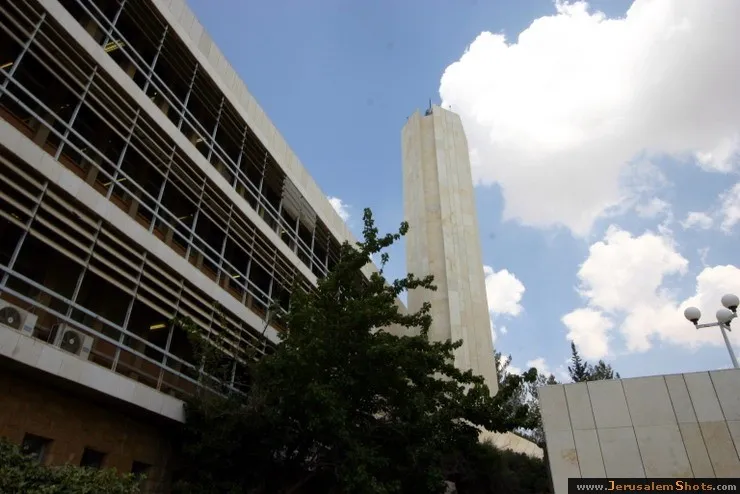
22 July 2009
The cornerstone for the university was laid in 1918, and, seven years later, on April 1, 1925, the Hebrew University campus on Mount Scopus of Jerusalem was opened at a gala ceremony attended by the leaders of the Jewish world, distinguished scholars and public figures, and British dignitaries, including Lord Arthur James Balfour, Viscount Allenby and Sir Herbert Samuel. The university´s first Chancellor was Judah Magnes.
The cornerstone for the university was laid in 1918, and, seven years later, on April 1, 1925, the Hebrew University campus on Mount Scopus of Jerusalem was opened at a gala ceremony attended by the leaders of the Jewish world, distinguished scholars and public figures, and British dignitaries, including Lord Arthur James Balfour, Viscount Allenby and Sir Herbert Samuel. The university´s first Chancellor was Judah Magnes.
Hebrew University, Givat Ram Campus
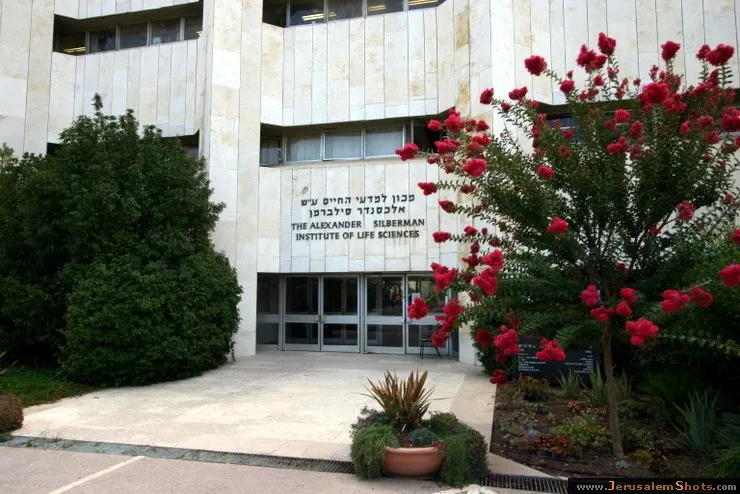
22 July 2009
The cornerstone for the university was laid in 1918, and, seven years later, on April 1, 1925, the Hebrew University campus on Mount Scopus of Jerusalem was opened at a gala ceremony attended by the leaders of the Jewish world, distinguished scholars and public figures, and British dignitaries, including Lord Arthur James Balfour, Viscount Allenby and Sir Herbert Samuel. The university´s first Chancellor was Judah Magnes.
The cornerstone for the university was laid in 1918, and, seven years later, on April 1, 1925, the Hebrew University campus on Mount Scopus of Jerusalem was opened at a gala ceremony attended by the leaders of the Jewish world, distinguished scholars and public figures, and British dignitaries, including Lord Arthur James Balfour, Viscount Allenby and Sir Herbert Samuel. The university´s first Chancellor was Judah Magnes.
Hebrew University, Givat Ram Campus
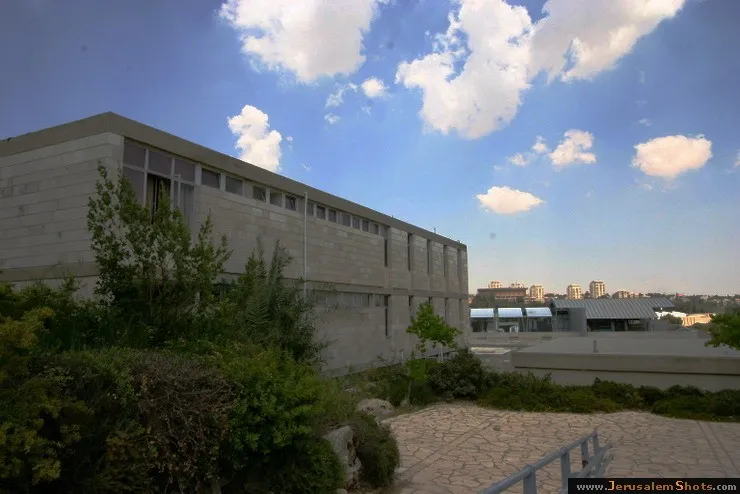
22 July 2009
The cornerstone for the university was laid in 1918, and, seven years later, on April 1, 1925, the Hebrew University campus on Mount Scopus of Jerusalem was opened at a gala ceremony attended by the leaders of the Jewish world, distinguished scholars and public figures, and British dignitaries, including Lord Arthur James Balfour, Viscount Allenby and Sir Herbert Samuel. The university´s first Chancellor was Judah Magnes.
The cornerstone for the university was laid in 1918, and, seven years later, on April 1, 1925, the Hebrew University campus on Mount Scopus of Jerusalem was opened at a gala ceremony attended by the leaders of the Jewish world, distinguished scholars and public figures, and British dignitaries, including Lord Arthur James Balfour, Viscount Allenby and Sir Herbert Samuel. The university´s first Chancellor was Judah Magnes.
Hebrew University, Givat Ram Campus
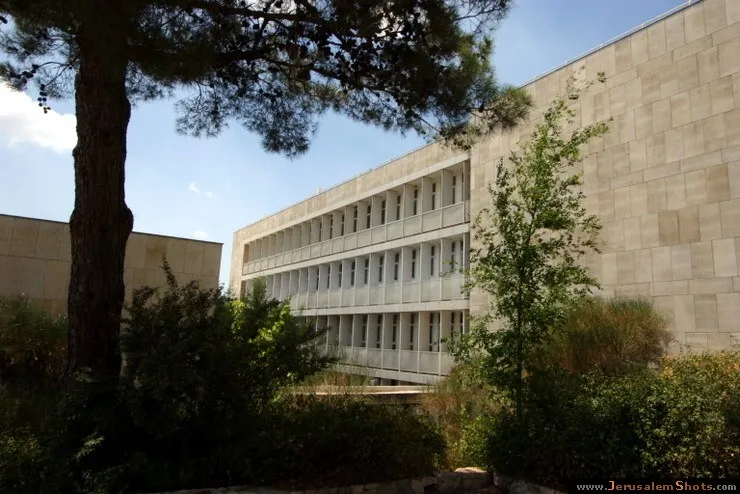
22 July 2009
The cornerstone for the university was laid in 1918, and, seven years later, on April 1, 1925, the Hebrew University campus on Mount Scopus of Jerusalem was opened at a gala ceremony attended by the leaders of the Jewish world, distinguished scholars and public figures, and British dignitaries, including Lord Arthur James Balfour, Viscount Allenby and Sir Herbert Samuel. The university´s first Chancellor was Judah Magnes.
The cornerstone for the university was laid in 1918, and, seven years later, on April 1, 1925, the Hebrew University campus on Mount Scopus of Jerusalem was opened at a gala ceremony attended by the leaders of the Jewish world, distinguished scholars and public figures, and British dignitaries, including Lord Arthur James Balfour, Viscount Allenby and Sir Herbert Samuel. The university´s first Chancellor was Judah Magnes.
Hebrew University, Givat Ram Campus

22 July 2009
The cornerstone for the university was laid in 1918, and, seven years later, on April 1, 1925, the Hebrew University campus on Mount Scopus of Jerusalem was opened at a gala ceremony attended by the leaders of the Jewish world, distinguished scholars and public figures, and British dignitaries, including Lord Arthur James Balfour, Viscount Allenby and Sir Herbert Samuel. The university´s first Chancellor was Judah Magnes.
The cornerstone for the university was laid in 1918, and, seven years later, on April 1, 1925, the Hebrew University campus on Mount Scopus of Jerusalem was opened at a gala ceremony attended by the leaders of the Jewish world, distinguished scholars and public figures, and British dignitaries, including Lord Arthur James Balfour, Viscount Allenby and Sir Herbert Samuel. The university´s first Chancellor was Judah Magnes.
Hello from Jerusalem´s Zoo
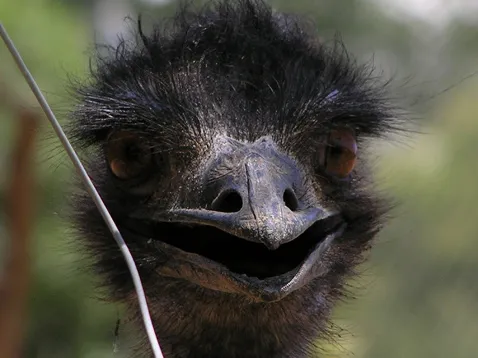
Emu
There are some ten species of ostrich-like birds in the world today. Four of these are represented in our zoo, but for the time being at least, the emu is the only one privileged to have an enclosure of its own. The emu (Dromaius novaehollandiae) can be found in a number of different habitats in Australia, ranging from woodlands to grassy plains. This species is omnivorous, and feeds on seeds, fruit, grasses, and insects. The female is typically polyandrous, that is, she mates with a number of males. However, she will then lay her eggs in the nest of one chosen male. The male is the one that incubates the eggs, and later cares for the chicks that hatch.
http://www.jerusalemzoo.org.il/english/upload/tour/emu.html
There are some ten species of ostrich-like birds in the world today. Four of these are represented in our zoo, but for the time being at least, the emu is the only one privileged to have an enclosure of its own. The emu (Dromaius novaehollandiae) can be found in a number of different habitats in Australia, ranging from woodlands to grassy plains. This species is omnivorous, and feeds on seeds, fruit, grasses, and insects. The female is typically polyandrous, that is, she mates with a number of males. However, she will then lay her eggs in the nest of one chosen male. The male is the one that incubates the eggs, and later cares for the chicks that hatch.
http://www.jerusalemzoo.org.il/english/upload/tour/emu.html
 © I.L.
Aaron Ovadia

6:00 in the morning - as the morning Fog broke through and the sun started to rise it created an Amazing Photograph....Take a look for yourself... in this photo you can see the construction of the new bridge by the entrance to the city - to the left and up is the central bus station -and to the right up a bit is Binyanei Hauma. Flames in Yerushalayim - I hope not. (This photo was not manipulated in photoshop in any way)This is a real shot.
Jerusalem Sunrise - or - Jerusalem in Flames??
Jerusalem Sunrise - or - Jerusalem in Flames??
 © Aaron Ovadia
Doorplate
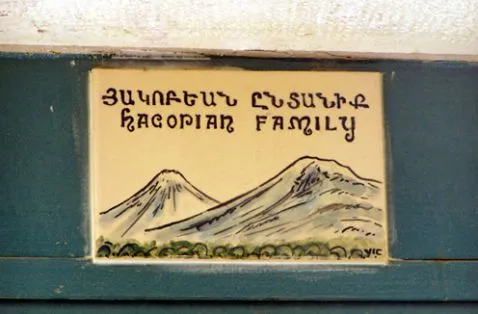
Lanterns of Jerusalem.
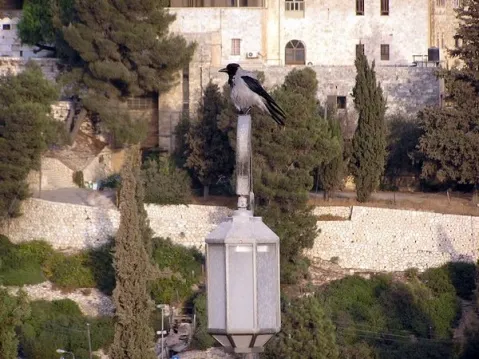
(Once I went and considered a raven...)
Stone Steps to the Western Wall at Night

A night view framed by stone walls, looking down a staircase with a metal railing towards the illuminated Western Wall plaza. Warm streetlights cast a glow on the ancient stones as people walk in the distance.
Jerusalem. Center City. On May, 9th!

Before visitors mayor of Jerusalem has acted, it has congratulated veterans on a holiday!
Churbat Midras
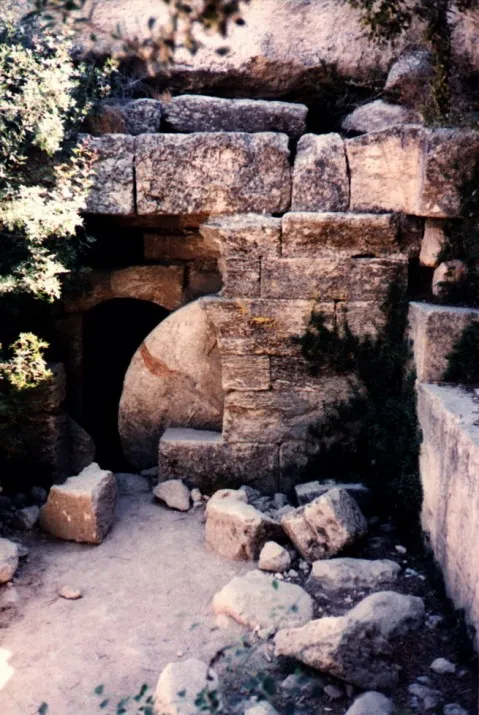
November 1994
Jerusalem Area. Churbat Midras (Turkish mosques, medresse, inns and baths?). First The Seljukids, Artuqids and Zangids and later Mamluks and lastly Ottomans. But despite this nearly 850 years long rule the Turkish heritage and contribution is often overlooked and underestimated in the literature.
Jerusalem Area. Churbat Midras (Turkish mosques, medresse, inns and baths?). First The Seljukids, Artuqids and Zangids and later Mamluks and lastly Ottomans. But despite this nearly 850 years long rule the Turkish heritage and contribution is often overlooked and underestimated in the literature.
Churbat Midras
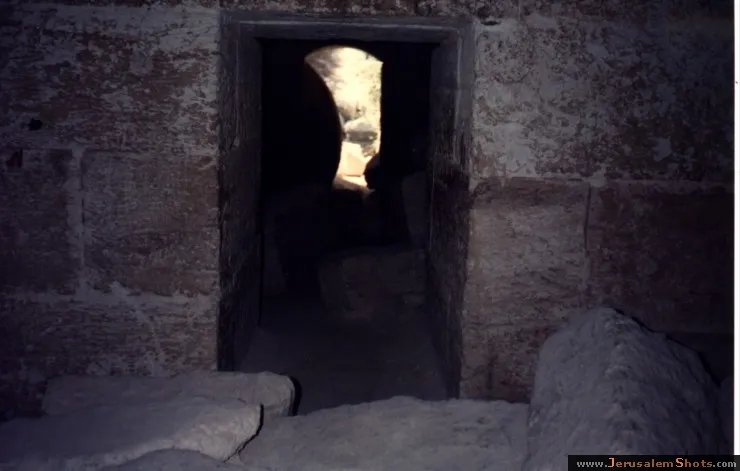
November 1994
Jerusalem Area. Churbat Midras (Turkish mosques, medresse, inns and baths?). First The Seljukids, Artuqids and Zangids and later Mamluks and lastly Ottomans. But despite this nearly 850 years long rule the Turkish heritage and contribution is often overlooked and underestimated in the literature.
Jerusalem Area. Churbat Midras (Turkish mosques, medresse, inns and baths?). First The Seljukids, Artuqids and Zangids and later Mamluks and lastly Ottomans. But despite this nearly 850 years long rule the Turkish heritage and contribution is often overlooked and underestimated in the literature.