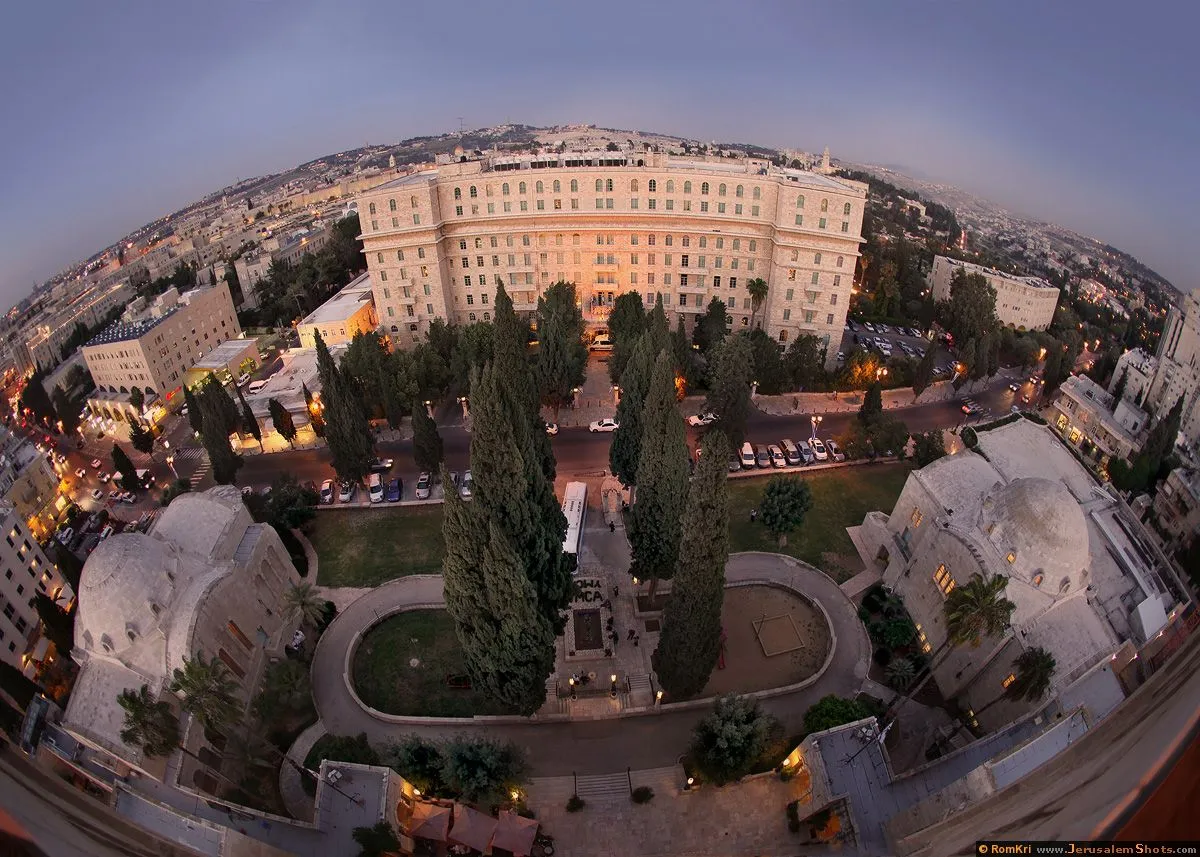
Jerusalem Hotels \ King David
 © RomKri
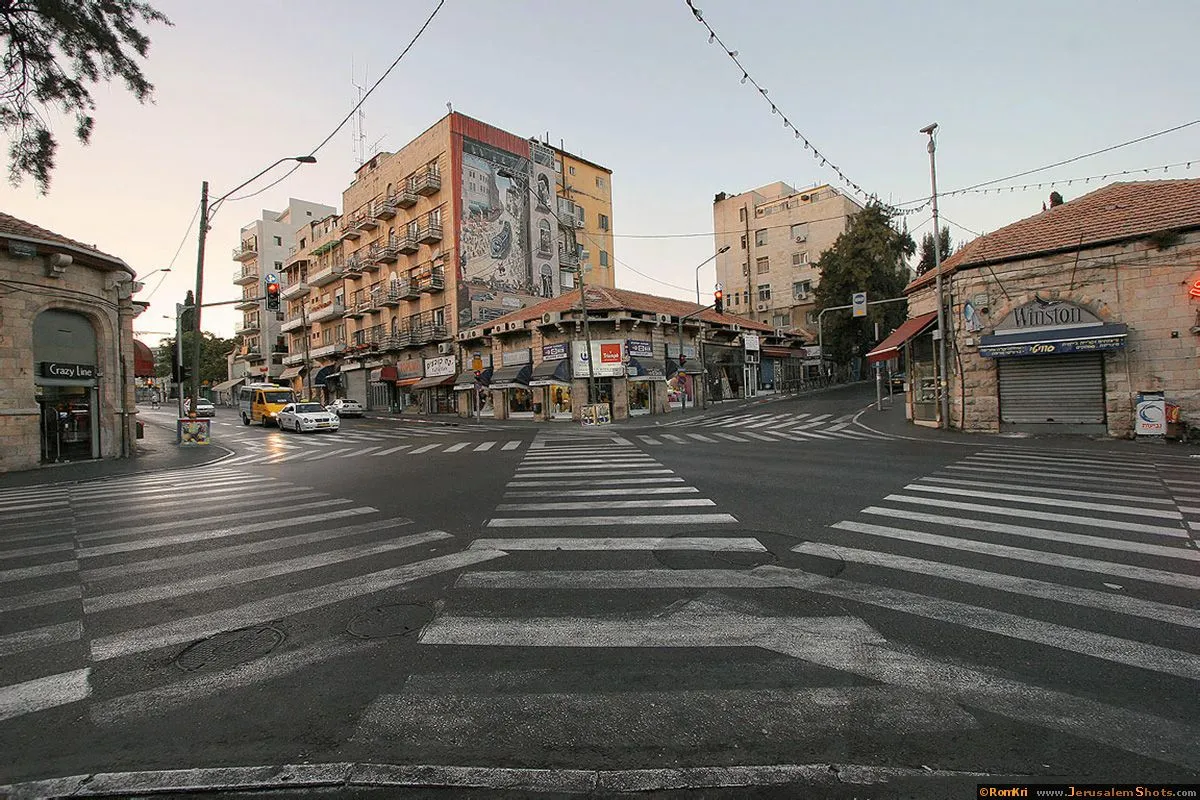
Crossroad - Jafa & King George
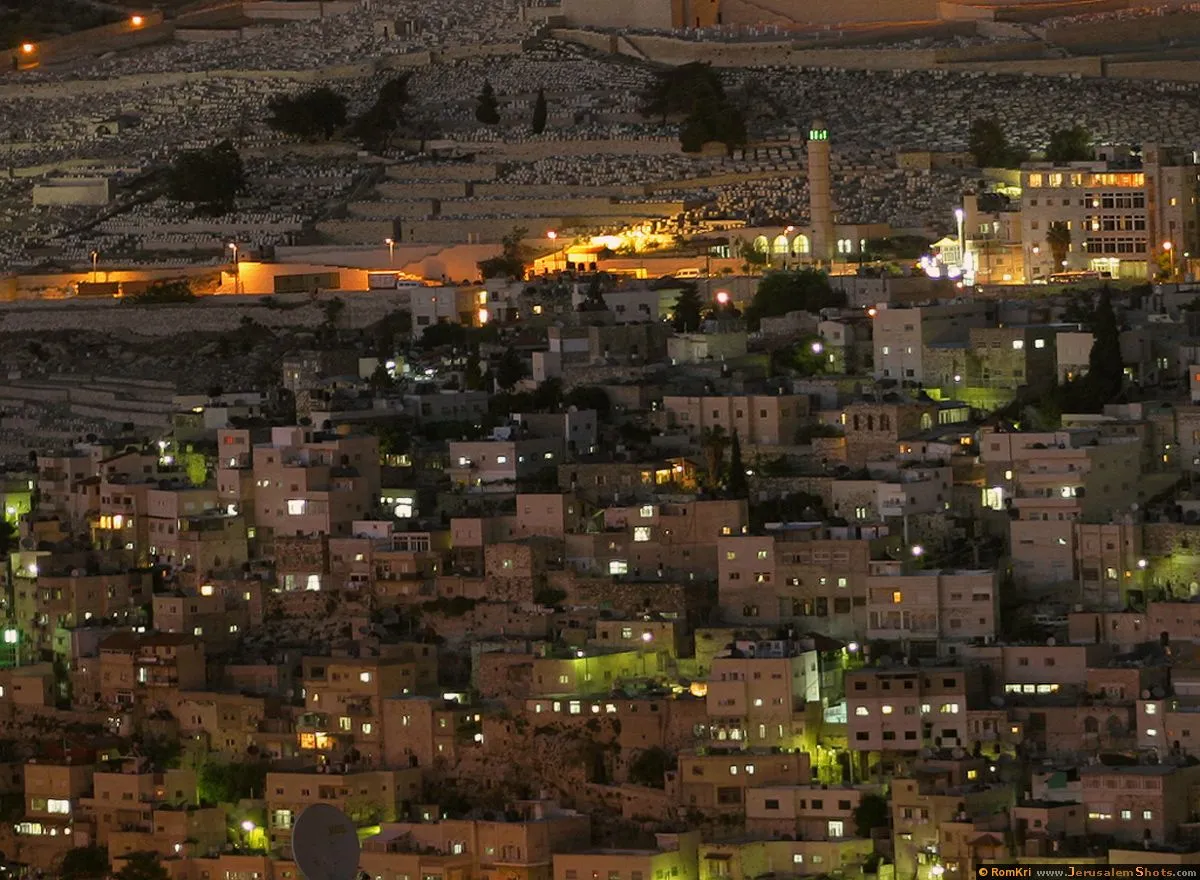
Mount of Olives
BURIED IN MONT OLIVE CEMETERY IN AUGUST 1974
SERVED AS CHIEF RABBI OF EGYPT FROM 1960 IN THE TIME OF 1967 SIX DAYS WAR ,WHERE MOST OF THE COMMUNITY MEMBERS WERE TAKING TO PRISON
HE LEFT EGYPT IN MARCH 1972 AFTER EVERY PRISONER WAS RELEASED AND LEFT EGYPT WITH THEIR FAMILIES
LEAVING BEHIND A COMMUNITY OF ABOUT 300 PERSONS
ESTIMATE NUMBER FROM 1948 100,000.00
SERVED AS CHIEF RABBI OF EGYPT FROM 1960 IN THE TIME OF 1967 SIX DAYS WAR ,WHERE MOST OF THE COMMUNITY MEMBERS WERE TAKING TO PRISON
HE LEFT EGYPT IN MARCH 1972 AFTER EVERY PRISONER WAS RELEASED AND LEFT EGYPT WITH THEIR FAMILIES
LEAVING BEHIND A COMMUNITY OF ABOUT 300 PERSONS
ESTIMATE NUMBER FROM 1948 100,000.00
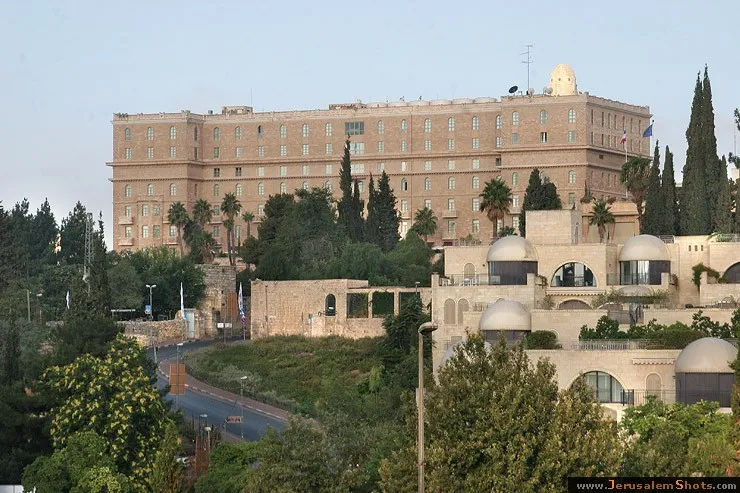
Jerusalem Hotels \ King David Hotel

Jerusalem Hotels \ King David Jerusalem Hotel -
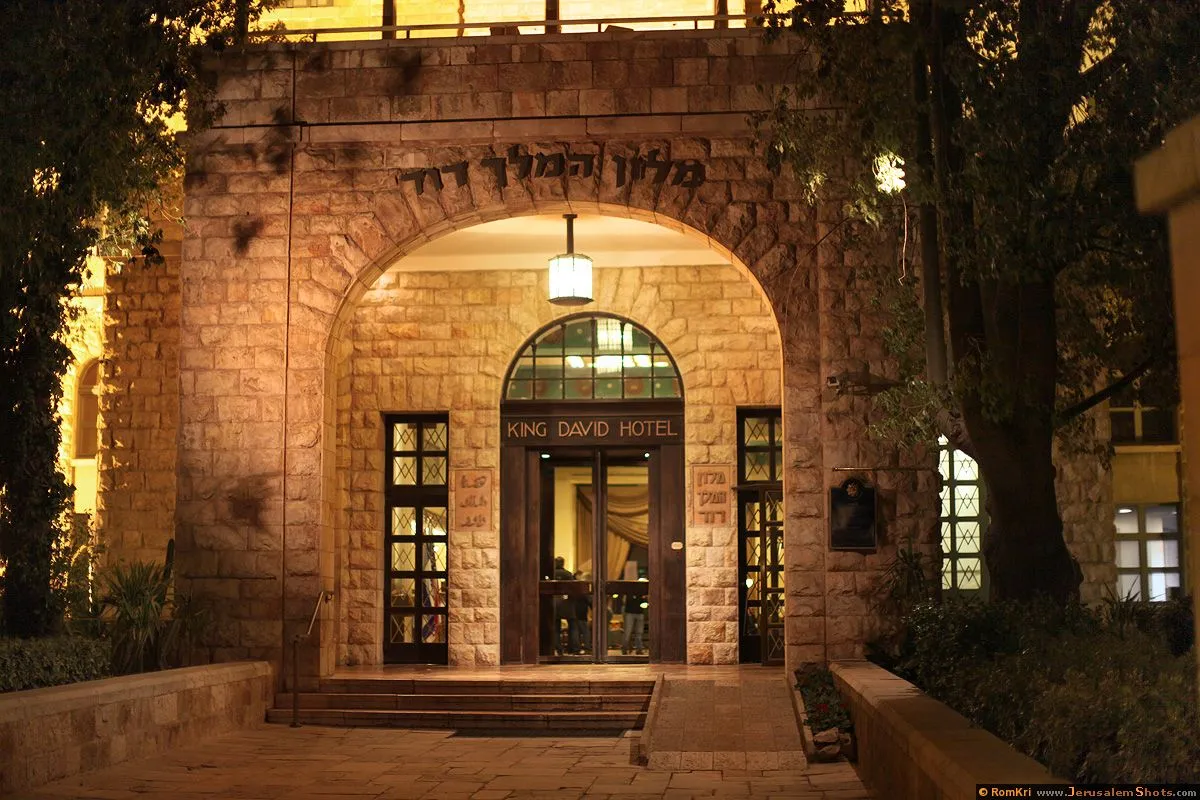
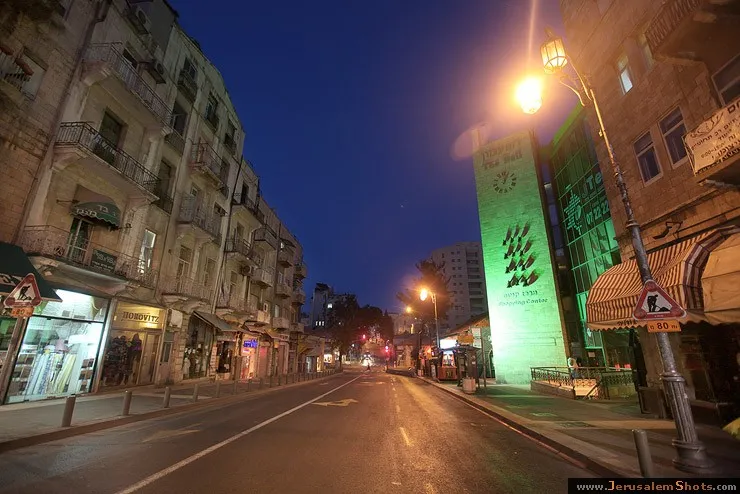
King George street

King George street
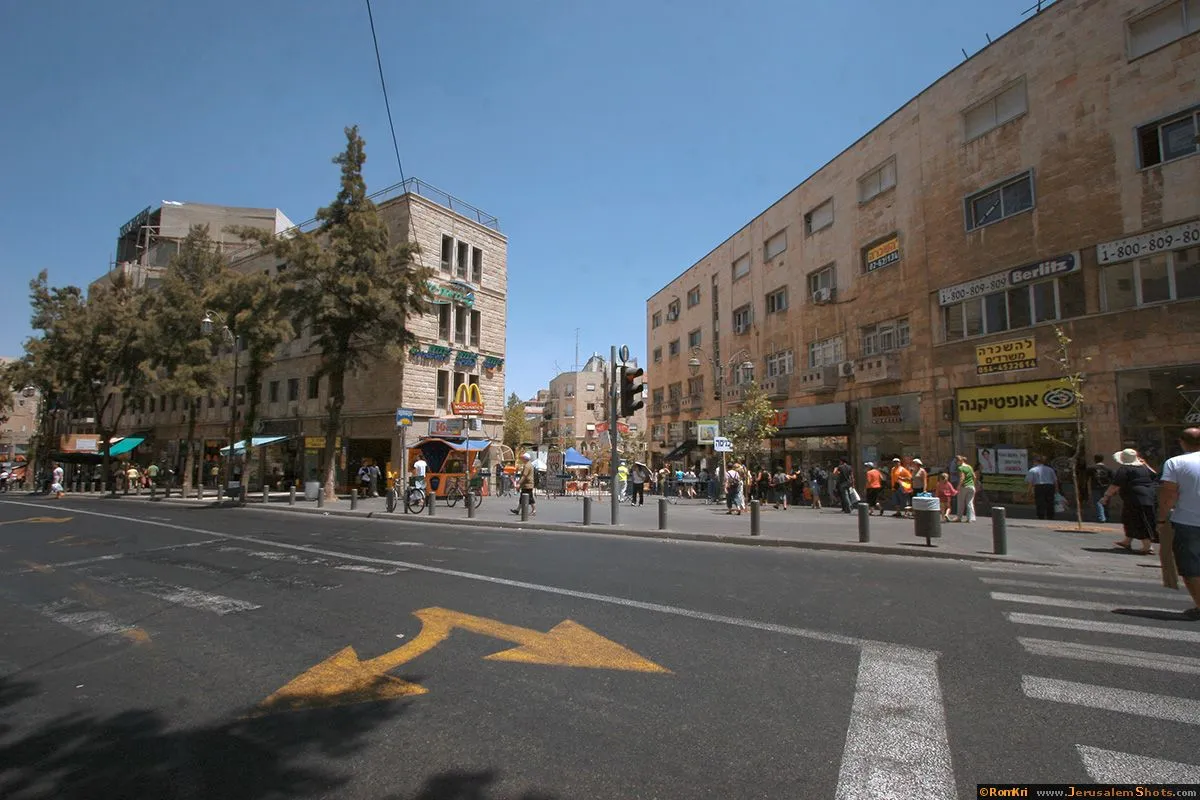
Night photos
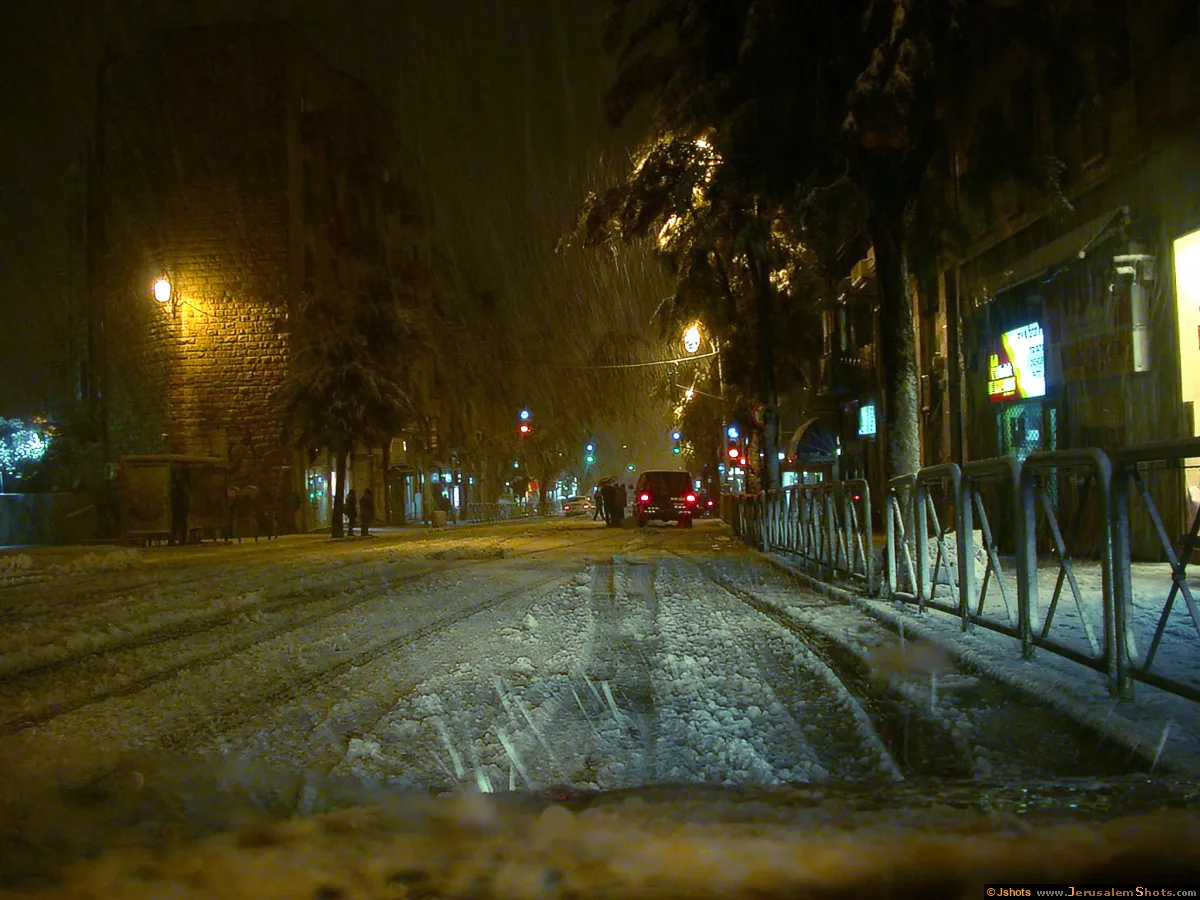
Jerusalem Hotels \ King David Hotel

Jerusalem Hotels \ King David Hotel
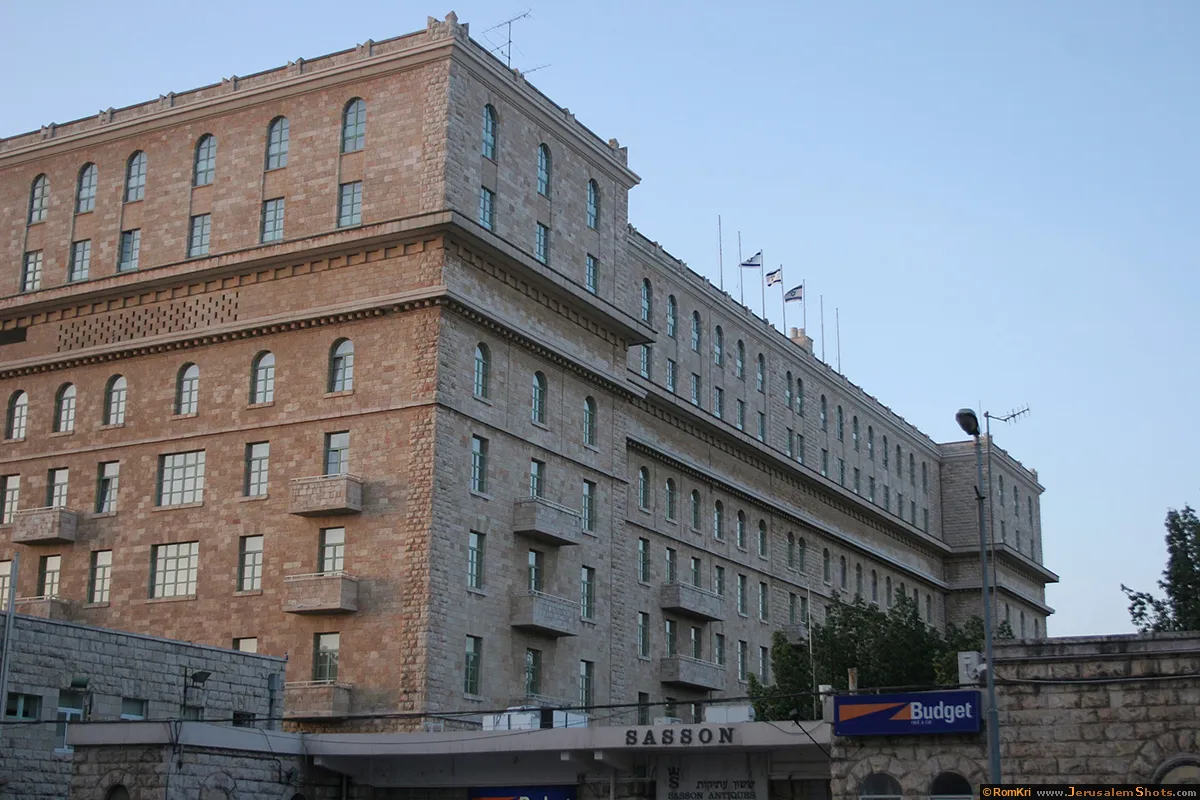
Jerusalem Hotels \ Prima Kings Hotel

Tomb of Absalom
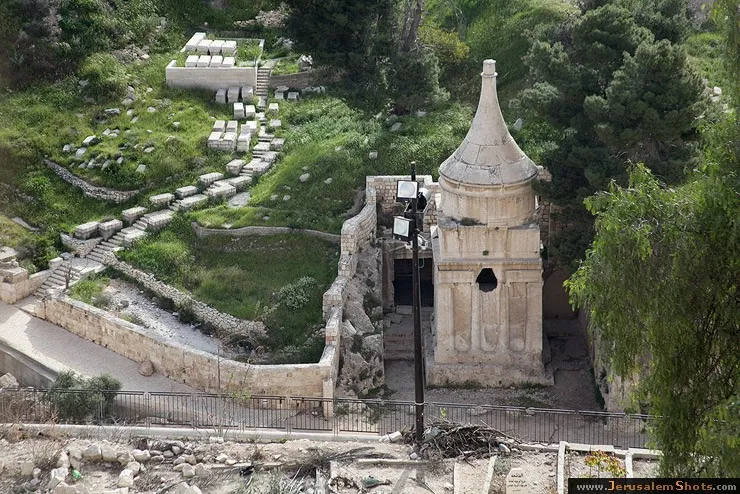
Tomb of Absalom (Hebrew: יד אבשלום, Transl. Yad Avshalom; literally Absalom´s Shrine), also called Absalom´s Pillar, is an ancient stone monument with a conical roof located in the Kidron Valley in Jerusalem, Israel. Although traditionally ascribed to Absalom, the rebellious son of King David of Israel (circa 1000 B.C.E.), recent scholarship has attributed it to the first century C.E.
(Wikipedia.org)
(Wikipedia.org)
Elad Sherman
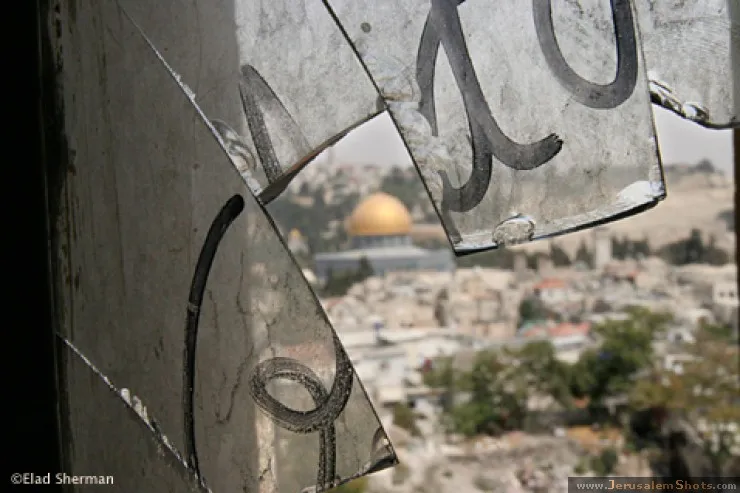
The Temple Mount - Breaking view
www.eladsherman.co.uk
www.eladsherman.co.uk

 © Elad Sherman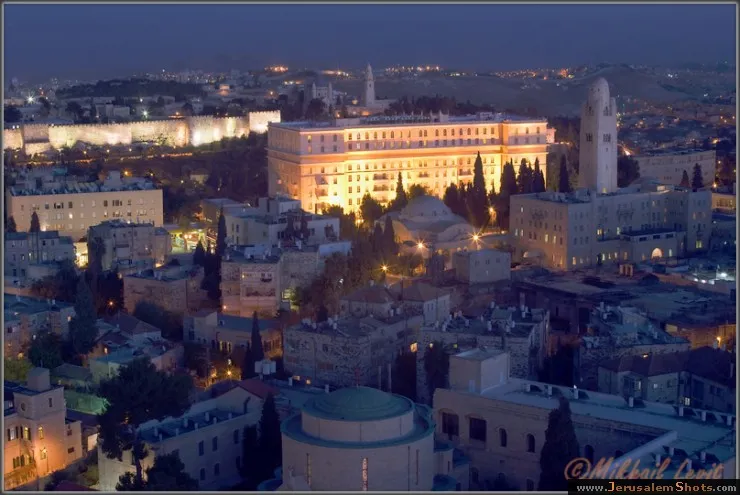

 © Mikhail Levit
Newer Jerusalem. Y.M.C.A. and King David Hotel, 1931
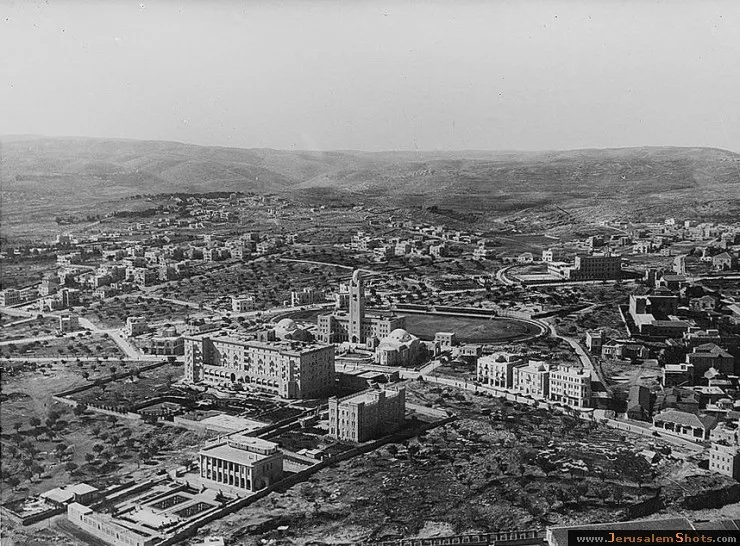
 © G. Eric and Edith Matson
King David Hotel
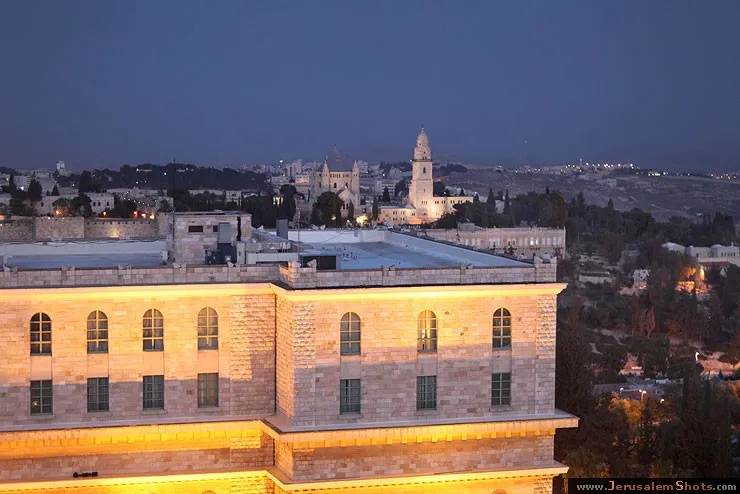
City Center
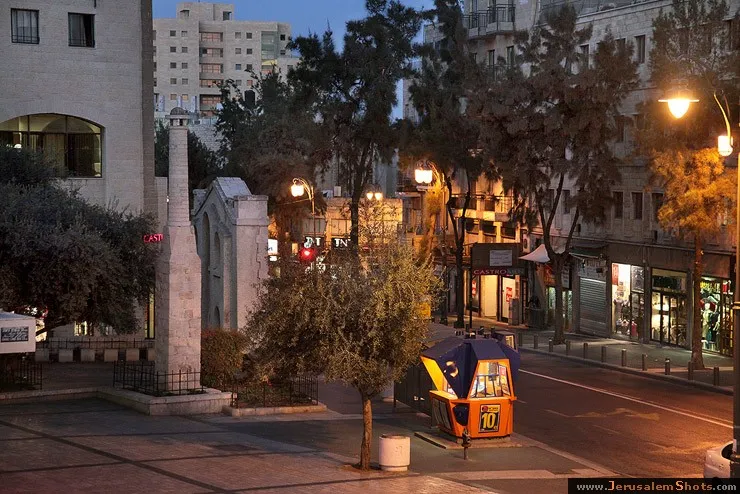
Tomb of King David

The Church of All Nations

The chapel was built between 1919 and 1924 using funds donated from many different countries. The respective coat-of-arms of each donating country are incorporated into the glass of the ceiling, each in a separate, small dome, and also into the interior mosaics. The countries honored in this way are; starting from the left side, beginning with the apse: Argentina, Brazil, Chile and Mexico; in the middle of the church are memorialized: Italy, France, Spain and the United Kingdom, and to the right: Belgium, Canada, Germany, and the United States of America. The mosaics in the apses were donated by Ireland, Hungary, and Poland. The crown around the bedrock itself was a gift of Australia. These multi-national donations give the church its present title as the Church of "All Nations".
King George street
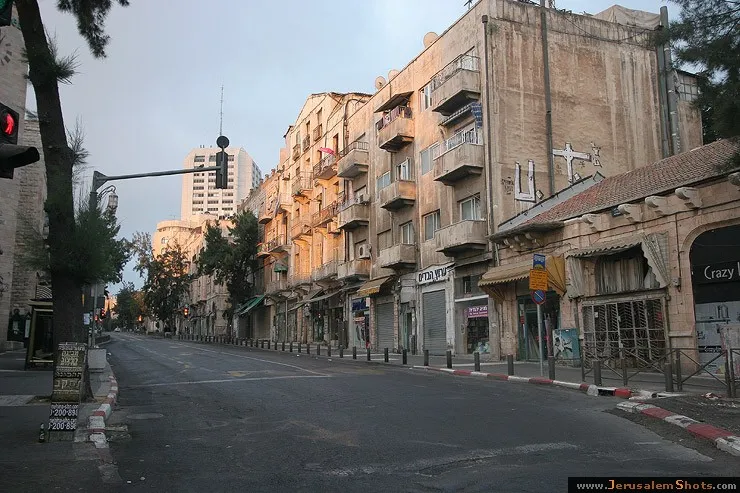
King George street
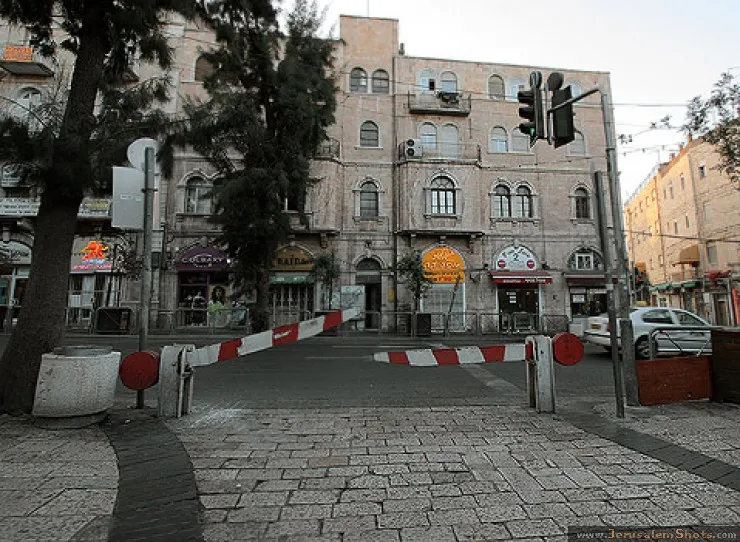
Jerusalem Hotels \ Park behind King David Hotel
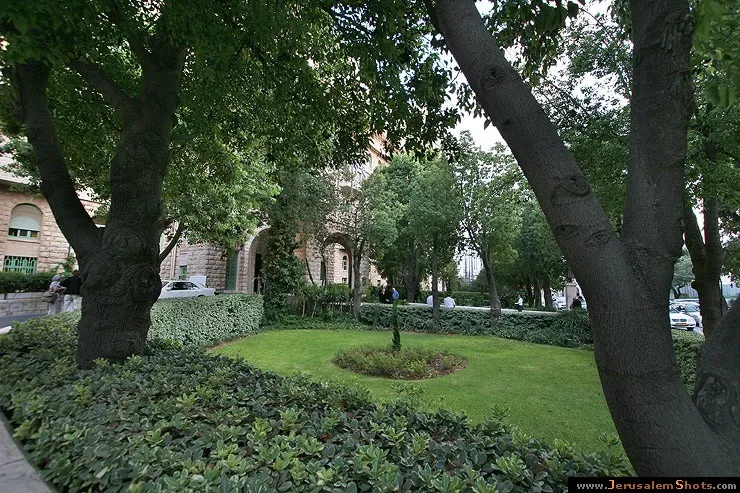
Night view of the Old City walls and plaza
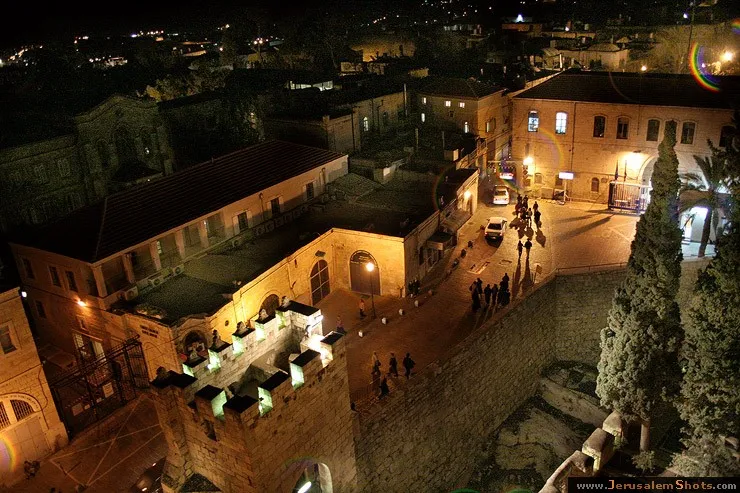
An elevated view of the stone walls and ancient buildings at night, with people walking through the plaza.
King George street
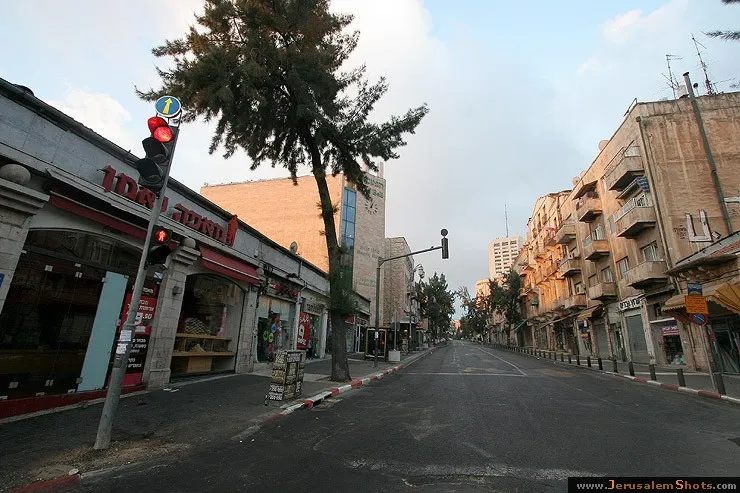
King George street
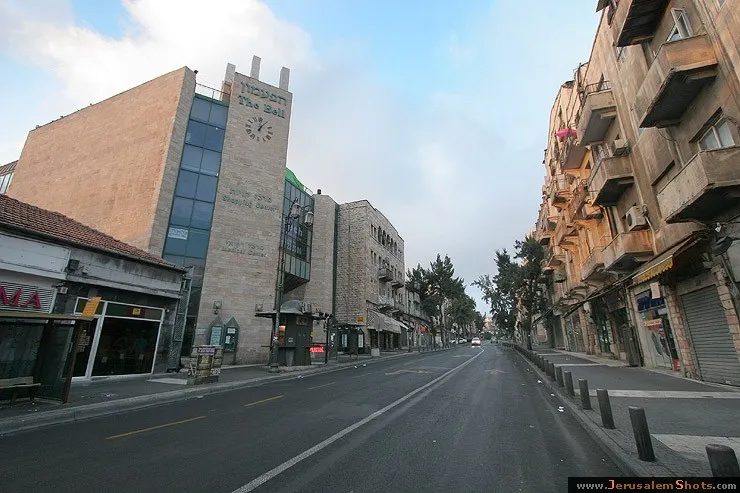
King George Street
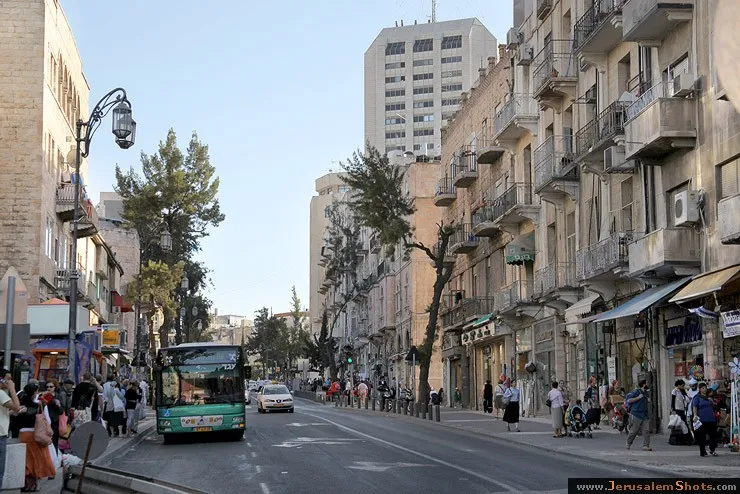
Jerusalem Hotels \ King David Hotel
Gehenna
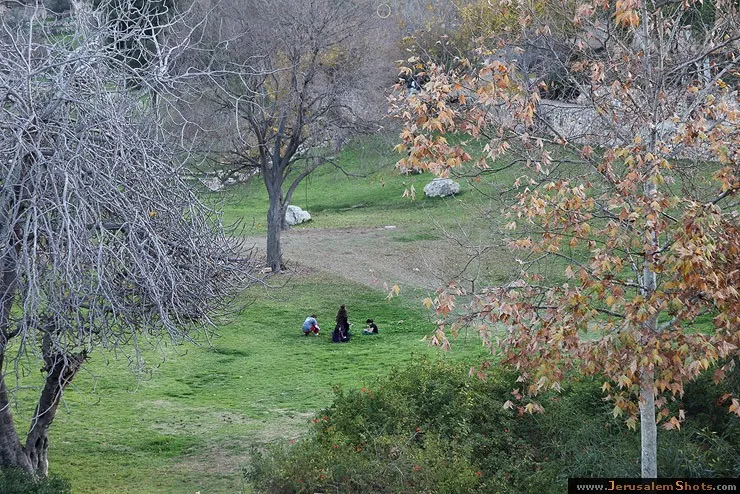
Gehenna, gehinnam, or gehinnom (Hebrew: גהנום, גהנם, Greek γεεννα) are words used in Jewish and Christian writings for the place where evil people go in the afterlife (see Hell). The name is derived from a geographical site in Jerusalem known as the Valley of Hinnom, one of the two principal valleys surrounding the Old City. Initially the site where idolatrous Jews sacrificed their children to the god Molech (2 Chr. 28:3, 33:6; Jer. 7:31, 19:2-6), the valley later became the common wasteyard for all the refuse of Jerusalem. Here the dead bodies of animals and of criminals, and rubbish, were cast and, according to legend, consumed by a constant fire. In time it became the image of the place of everlasting destruction in Jewish tradition[1]. However, Jewish tradition suggests the valley had a 'gate' which led down to a molten lake of fire. (Possibly 'The furnace of Yahweh' in Zion to which Isaiah refers 31:9, 30:33). It is unknown whether this 'gate' was an actual geophysical feature within the valley that provided the focus for cultic activity (2 Kings 23:10) or simply a metaphorical identification with the entrance to the underworld that had come to be associated with the valley.
Gehenna is cited in the New Testament and in early Christian writing to represent the final place where the wicked will be punished or destroyed after resurrection. In both Rabbinical Jewish and Christian writing, Gehenna as a destination of the wicked is different from Sheol or Hades, the abode of the dead.
Taken from wikipedia.org
Gehenna is cited in the New Testament and in early Christian writing to represent the final place where the wicked will be punished or destroyed after resurrection. In both Rabbinical Jewish and Christian writing, Gehenna as a destination of the wicked is different from Sheol or Hades, the abode of the dead.
Taken from wikipedia.org
Gehenna
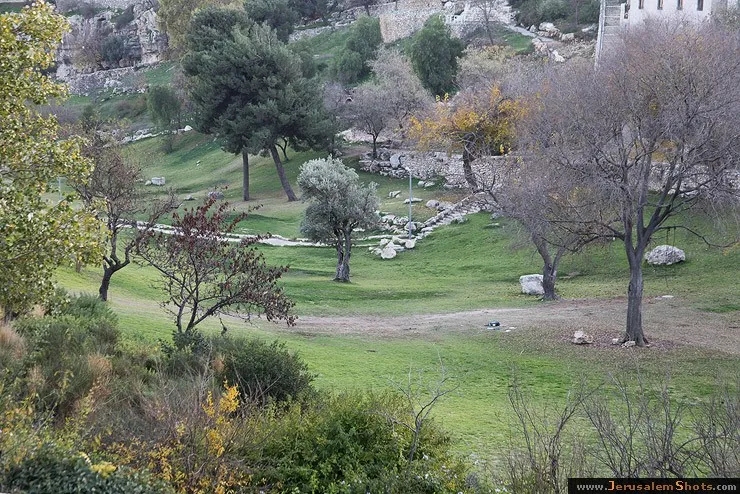
Gehenna, gehinnam, or gehinnom (Hebrew: גהנום, גהנם, Greek γεεννα) are words used in Jewish and Christian writings for the place where evil people go in the afterlife (see Hell). The name is derived from a geographical site in Jerusalem known as the Valley of Hinnom, one of the two principal valleys surrounding the Old City. Initially the site where idolatrous Jews sacrificed their children to the god Molech (2 Chr. 28:3, 33:6; Jer. 7:31, 19:2-6), the valley later became the common wasteyard for all the refuse of Jerusalem. Here the dead bodies of animals and of criminals, and rubbish, were cast and, according to legend, consumed by a constant fire. In time it became the image of the place of everlasting destruction in Jewish tradition[1]. However, Jewish tradition suggests the valley had a 'gate' which led down to a molten lake of fire. (Possibly 'The furnace of Yahweh' in Zion to which Isaiah refers 31:9, 30:33). It is unknown whether this 'gate' was an actual geophysical feature within the valley that provided the focus for cultic activity (2 Kings 23:10) or simply a metaphorical identification with the entrance to the underworld that had come to be associated with the valley.
Gehenna is cited in the New Testament and in early Christian writing to represent the final place where the wicked will be punished or destroyed after resurrection. In both Rabbinical Jewish and Christian writing, Gehenna as a destination of the wicked is different from Sheol or Hades, the abode of the dead.
Taken from wikipedia.org
Gehenna is cited in the New Testament and in early Christian writing to represent the final place where the wicked will be punished or destroyed after resurrection. In both Rabbinical Jewish and Christian writing, Gehenna as a destination of the wicked is different from Sheol or Hades, the abode of the dead.
Taken from wikipedia.org
King George street
Tomb of King David
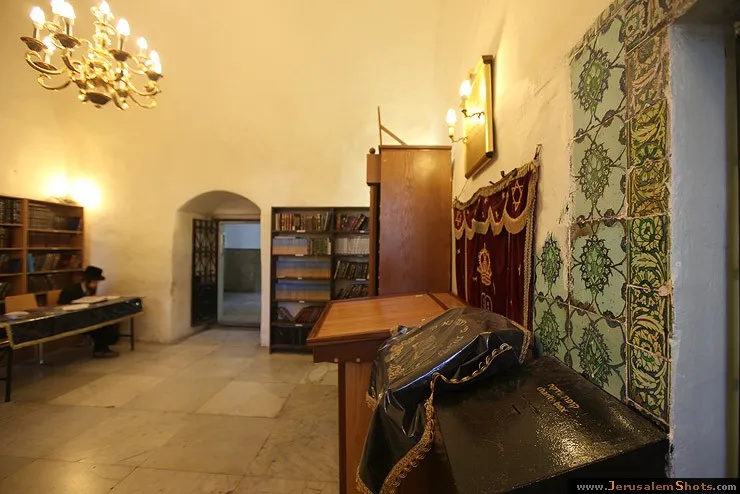
Jerusalem. Center City.
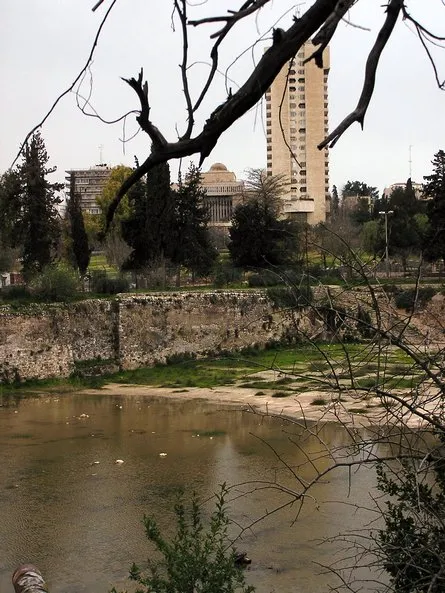
Pools of king Salomon.
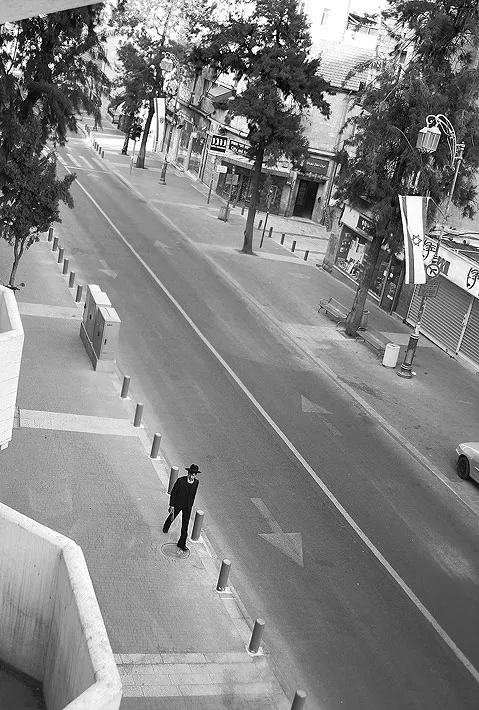
Shabbat on King George street
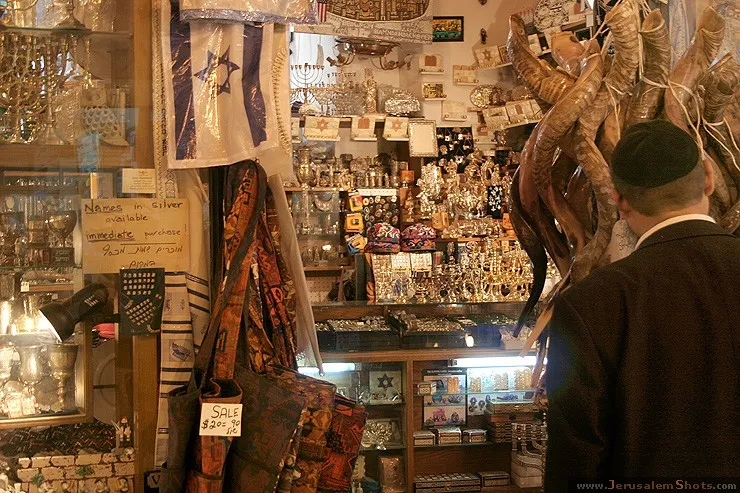
Relign man looking in the shop (Old City, Cardo street)
The Belz World Center, Jerusalem
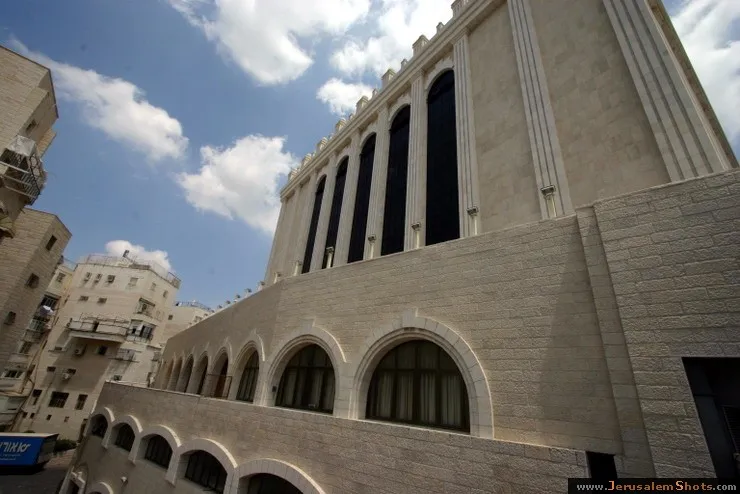
11.08.2009
In the 1980s, Rebbe Yissachar Dov spearheaded plans for a huge synagogue to be erected in the Kiryat Belz neighborhood of Jerusalem. Like the original synagogue of Belz which took 15 years to complete, the new Beis HaMedrash HaGadol ("The Great Synagogue") that now dominates the northern Jerusalem skyline also took 15 years to construct and was dedicated in 2000. Its main sanctuary seats 6000 worshipers (though crowds on the High Holy Days exceed 8000), making it the second largest Jewish house of worship in the world.
In the 1980s, Rebbe Yissachar Dov spearheaded plans for a huge synagogue to be erected in the Kiryat Belz neighborhood of Jerusalem. Like the original synagogue of Belz which took 15 years to complete, the new Beis HaMedrash HaGadol ("The Great Synagogue") that now dominates the northern Jerusalem skyline also took 15 years to construct and was dedicated in 2000. Its main sanctuary seats 6000 worshipers (though crowds on the High Holy Days exceed 8000), making it the second largest Jewish house of worship in the world.
King George street
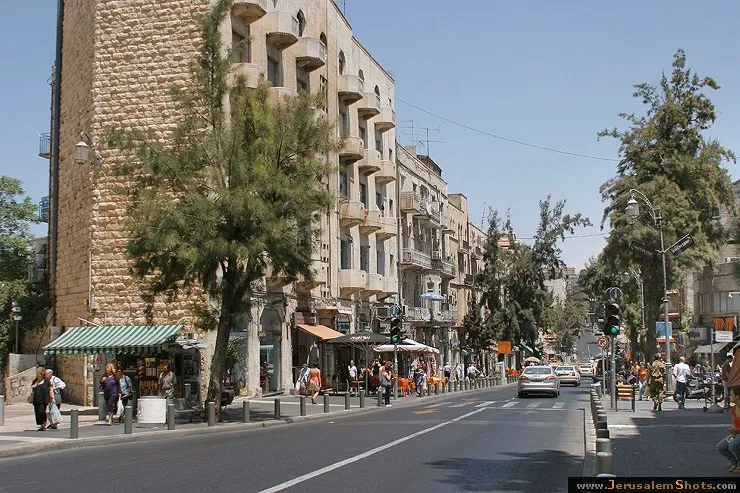
Jerusalem Hotels \ king david hotel view of the walls

Gehenna
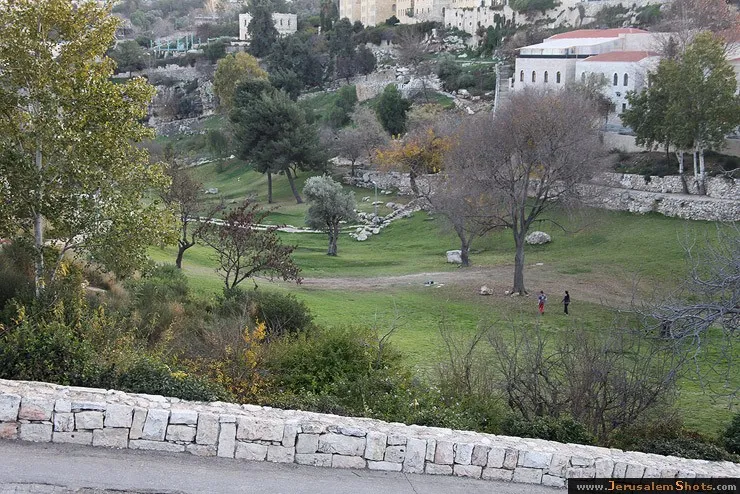
Gehenna, gehinnam, or gehinnom (Hebrew: גהנום, גהנם, Greek γεεννα) are words used in Jewish and Christian writings for the place where evil people go in the afterlife (see Hell). The name is derived from a geographical site in Jerusalem known as the Valley of Hinnom, one of the two principal valleys surrounding the Old City. Initially the site where idolatrous Jews sacrificed their children to the god Molech (2 Chr. 28:3, 33:6; Jer. 7:31, 19:2-6), the valley later became the common wasteyard for all the refuse of Jerusalem. Here the dead bodies of animals and of criminals, and rubbish, were cast and, according to legend, consumed by a constant fire. In time it became the image of the place of everlasting destruction in Jewish tradition[1]. However, Jewish tradition suggests the valley had a 'gate' which led down to a molten lake of fire. (Possibly 'The furnace of Yahweh' in Zion to which Isaiah refers 31:9, 30:33). It is unknown whether this 'gate' was an actual geophysical feature within the valley that provided the focus for cultic activity (2 Kings 23:10) or simply a metaphorical identification with the entrance to the underworld that had come to be associated with the valley.
Gehenna is cited in the New Testament and in early Christian writing to represent the final place where the wicked will be punished or destroyed after resurrection. In both Rabbinical Jewish and Christian writing, Gehenna as a destination of the wicked is different from Sheol or Hades, the abode of the dead.
Taken from wikipedia.org
Gehenna is cited in the New Testament and in early Christian writing to represent the final place where the wicked will be punished or destroyed after resurrection. In both Rabbinical Jewish and Christian writing, Gehenna as a destination of the wicked is different from Sheol or Hades, the abode of the dead.
Taken from wikipedia.org
King David Hotel at night
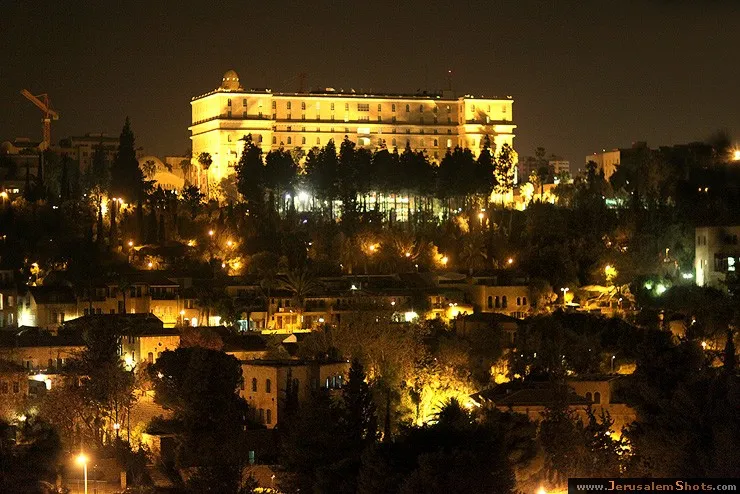
Jerusalem Hotels \ King David Hotel
