Nahlaot \ Agripas street at early morning
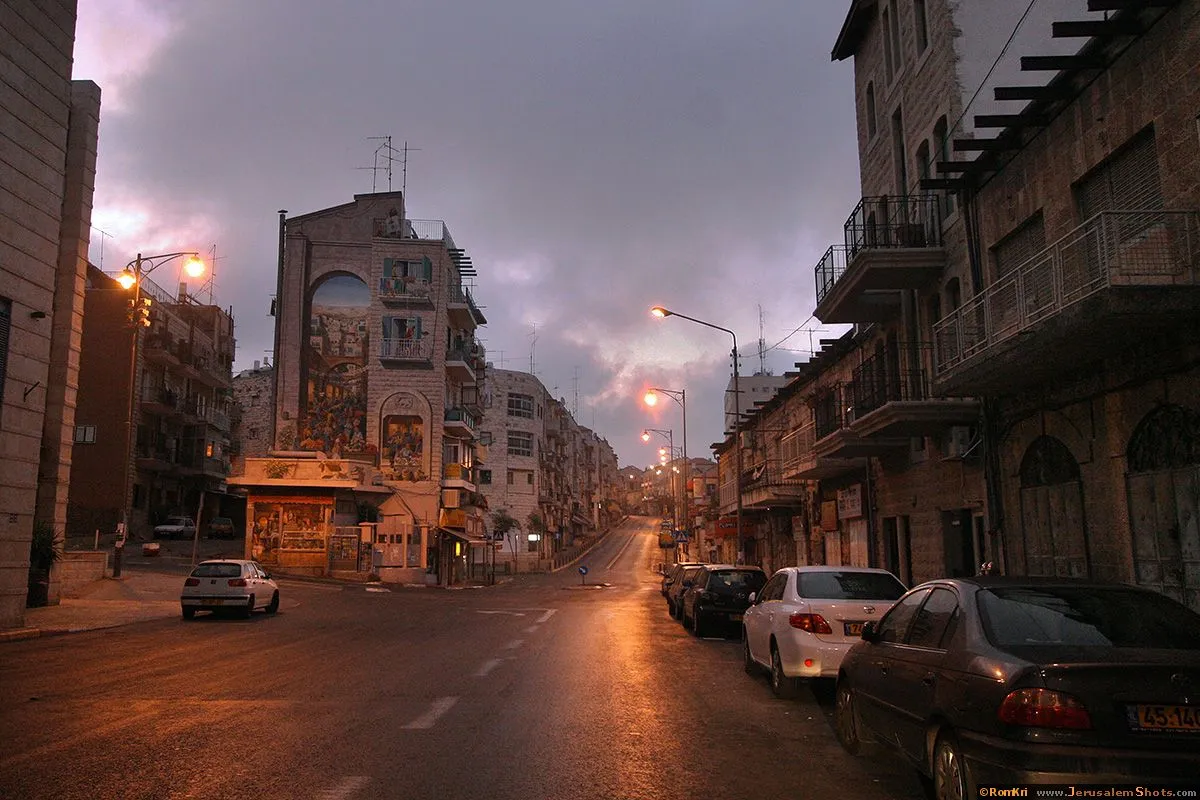
 © RomKri
Nahlaot \ Agripas street at early morning
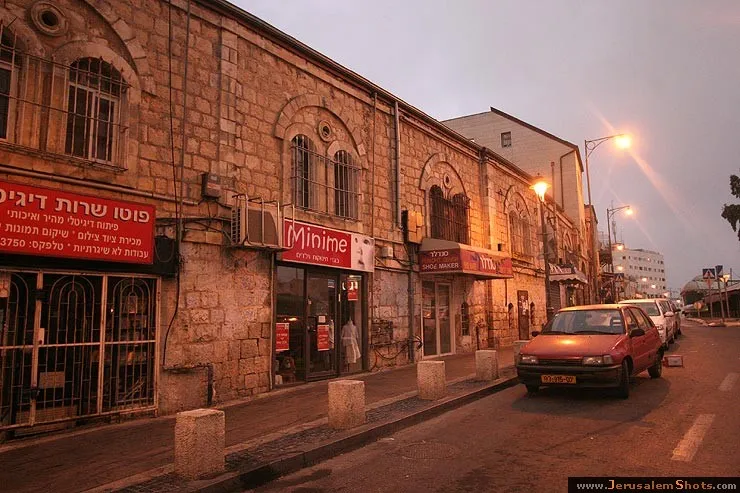
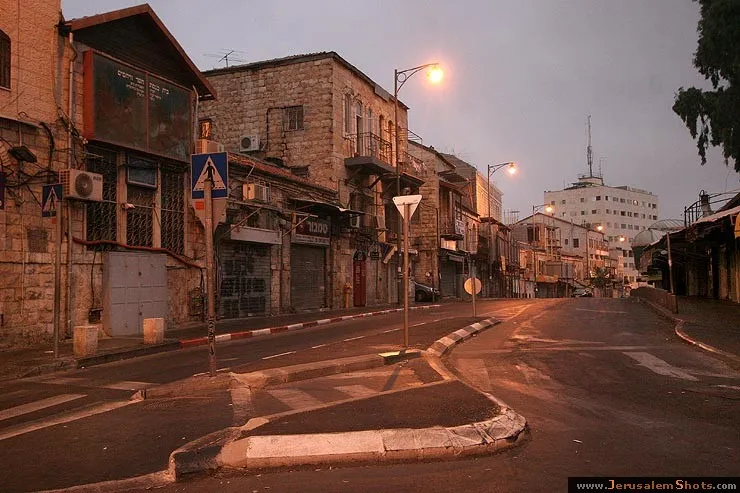
Nahlaot \ Agripas street at early morning
Gehenna
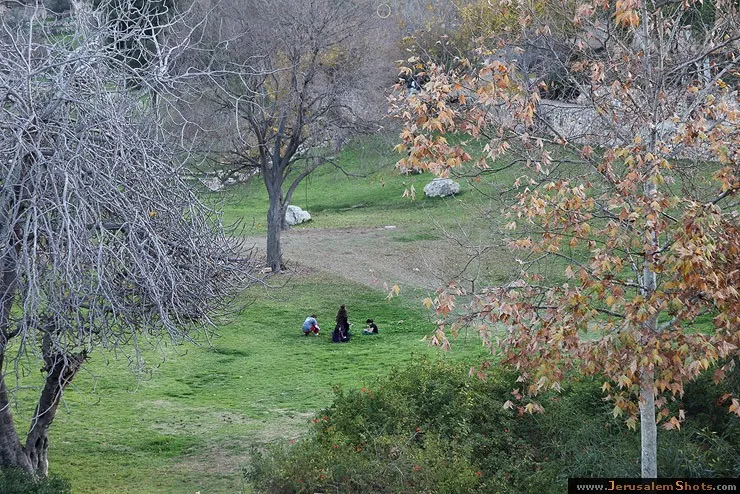
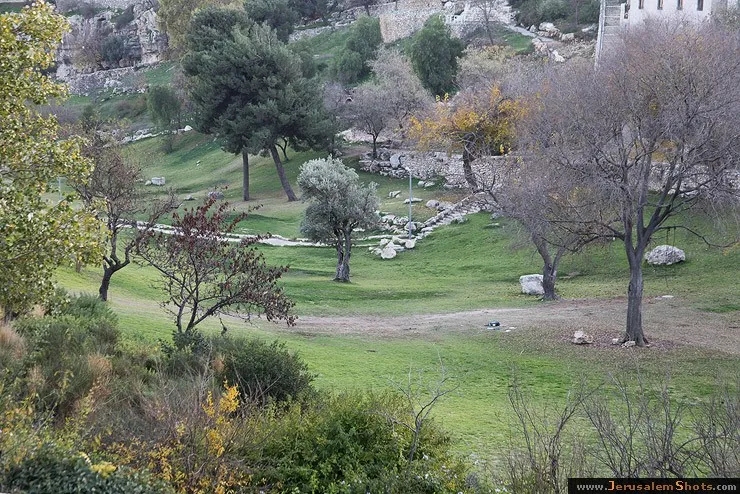
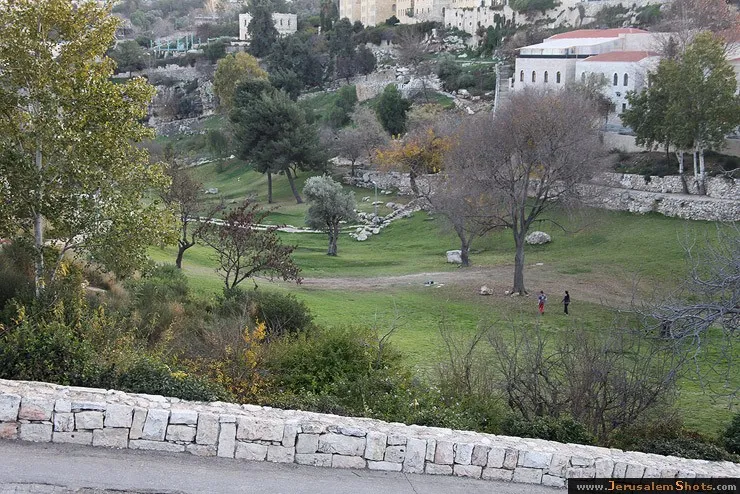
Gehenna, gehinnam, or gehinnom (Hebrew: גהנום, גהנם, Greek γεεννα) are words used in Jewish and Christian writings for the place where evil people go in the afterlife (see Hell). The name is derived from a geographical site in Jerusalem known as the Valley of Hinnom, one of the two principal valleys surrounding the Old City. Initially the site where idolatrous Jews sacrificed their children to the god Molech (2 Chr. 28:3, 33:6; Jer. 7:31, 19:2-6), the valley later became the common wasteyard for all the refuse of Jerusalem. Here the dead bodies of animals and of criminals, and rubbish, were cast and, according to legend, consumed by a constant fire. In time it became the image of the place of everlasting destruction in Jewish tradition[1]. However, Jewish tradition suggests the valley had a 'gate' which led down to a molten lake of fire. (Possibly 'The furnace of Yahweh' in Zion to which Isaiah refers 31:9, 30:33). It is unknown whether this 'gate' was an actual geophysical feature within the valley that provided the focus for cultic activity (2 Kings 23:10) or simply a metaphorical identification with the entrance to the underworld that had come to be associated with the valley.
Gehenna is cited in the New Testament and in early Christian writing to represent the final place where the wicked will be punished or destroyed after resurrection. In both Rabbinical Jewish and Christian writing, Gehenna as a destination of the wicked is different from Sheol or Hades, the abode of the dead.
Taken from wikipedia.org
Gehenna is cited in the New Testament and in early Christian writing to represent the final place where the wicked will be punished or destroyed after resurrection. In both Rabbinical Jewish and Christian writing, Gehenna as a destination of the wicked is different from Sheol or Hades, the abode of the dead.
Taken from wikipedia.org
Gehenna
Gehenna, gehinnam, or gehinnom (Hebrew: גהנום, גהנם, Greek γεεννα) are words used in Jewish and Christian writings for the place where evil people go in the afterlife (see Hell). The name is derived from a geographical site in Jerusalem known as the Valley of Hinnom, one of the two principal valleys surrounding the Old City. Initially the site where idolatrous Jews sacrificed their children to the god Molech (2 Chr. 28:3, 33:6; Jer. 7:31, 19:2-6), the valley later became the common wasteyard for all the refuse of Jerusalem. Here the dead bodies of animals and of criminals, and rubbish, were cast and, according to legend, consumed by a constant fire. In time it became the image of the place of everlasting destruction in Jewish tradition[1]. However, Jewish tradition suggests the valley had a 'gate' which led down to a molten lake of fire. (Possibly 'The furnace of Yahweh' in Zion to which Isaiah refers 31:9, 30:33). It is unknown whether this 'gate' was an actual geophysical feature within the valley that provided the focus for cultic activity (2 Kings 23:10) or simply a metaphorical identification with the entrance to the underworld that had come to be associated with the valley.
Gehenna is cited in the New Testament and in early Christian writing to represent the final place where the wicked will be punished or destroyed after resurrection. In both Rabbinical Jewish and Christian writing, Gehenna as a destination of the wicked is different from Sheol or Hades, the abode of the dead.
Taken from wikipedia.org
Gehenna is cited in the New Testament and in early Christian writing to represent the final place where the wicked will be punished or destroyed after resurrection. In both Rabbinical Jewish and Christian writing, Gehenna as a destination of the wicked is different from Sheol or Hades, the abode of the dead.
Taken from wikipedia.org
Gehenna
Gehenna, gehinnam, or gehinnom (Hebrew: גהנום, גהנם, Greek γεεννα) are words used in Jewish and Christian writings for the place where evil people go in the afterlife (see Hell). The name is derived from a geographical site in Jerusalem known as the Valley of Hinnom, one of the two principal valleys surrounding the Old City. Initially the site where idolatrous Jews sacrificed their children to the god Molech (2 Chr. 28:3, 33:6; Jer. 7:31, 19:2-6), the valley later became the common wasteyard for all the refuse of Jerusalem. Here the dead bodies of animals and of criminals, and rubbish, were cast and, according to legend, consumed by a constant fire. In time it became the image of the place of everlasting destruction in Jewish tradition[1]. However, Jewish tradition suggests the valley had a 'gate' which led down to a molten lake of fire. (Possibly 'The furnace of Yahweh' in Zion to which Isaiah refers 31:9, 30:33). It is unknown whether this 'gate' was an actual geophysical feature within the valley that provided the focus for cultic activity (2 Kings 23:10) or simply a metaphorical identification with the entrance to the underworld that had come to be associated with the valley.
Gehenna is cited in the New Testament and in early Christian writing to represent the final place where the wicked will be punished or destroyed after resurrection. In both Rabbinical Jewish and Christian writing, Gehenna as a destination of the wicked is different from Sheol or Hades, the abode of the dead.
Taken from wikipedia.org
Gehenna is cited in the New Testament and in early Christian writing to represent the final place where the wicked will be punished or destroyed after resurrection. In both Rabbinical Jewish and Christian writing, Gehenna as a destination of the wicked is different from Sheol or Hades, the abode of the dead.
Taken from wikipedia.org
Churbat Midras

November 1994
Jerusalem Area. Churbat Midras (Turkish mosques, medresse, inns and baths?). First The Seljukids, Artuqids and Zangids and later Mamluks and lastly Ottomans. But despite this nearly 850 years long rule the Turkish heritage and contribution is often overlooked and underestimated in the literature.
Jerusalem Area. Churbat Midras (Turkish mosques, medresse, inns and baths?). First The Seljukids, Artuqids and Zangids and later Mamluks and lastly Ottomans. But despite this nearly 850 years long rule the Turkish heritage and contribution is often overlooked and underestimated in the literature.


 © Valery Dembitsky
Great Synagogue

As early as 1923 the Chief Rabbis of Israel, Abraham Kook and Jacob Meir, mooted plans for a large central synagogue in Jerusalem. It was over 30 years later in 1958 when Heichal Shlomo, seat of the Israeli Rabbinate, was founded, that a small synagogue was established within the building. As time progressed and the need for more space grew, services were moved and held in the foyer of Heichal Shlomo. Soon afterwards, when the premises could not hold the number of worshippers attending, it was decided that a new, much larger synagogue be built.
Syrian Brown Bear

In the early part of the twentieth century, the Syrian brown bear (Ursus arctos syriacus) disappeared from the landscape of the Land of Israel. In the distant past, bears were quite common in this country, and the Biblical literature suggests that once upon a time, the human inhabitants of the region would frequently encounter these beasts. The bears in the zoo are among the last survivors of this subspecies, which is now thought to be extinct in the wild. Incidentally, these bears are generally regarded today as members of the same species as the Grizzlies.
The family of bears in our exhibit is relatively large, very active, and quite irrepressible. At times you can meet the keepers at this exhibit, and hear interesting stories about the individual bears. On any day, you can see them frolic in the water, and see unmistakable evidence of their keen intelligence.
http://www.jerusalemzoo.org.il/english/upload/tour/bear.html
The family of bears in our exhibit is relatively large, very active, and quite irrepressible. At times you can meet the keepers at this exhibit, and hear interesting stories about the individual bears. On any day, you can see them frolic in the water, and see unmistakable evidence of their keen intelligence.
http://www.jerusalemzoo.org.il/english/upload/tour/bear.html
Gorny Convent - Ein Karem - (Construkction)

Early morning...
Jerusalem. Pisgat Zeev.
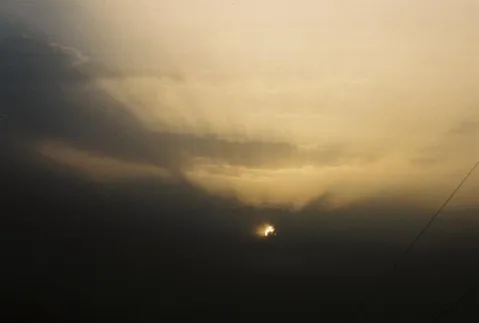
I have seen such sky once early in the morning, having looked out from a window...
Jerusalem. Ein Karem.

Early morning...
Temple Mount: A view from the east
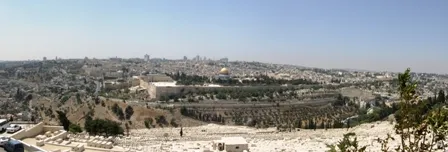
This panorama is a composite of 3 shots taken from the Mount of Olives in early Sept. '05.
 © Tzvi Escott
Churbat Midras
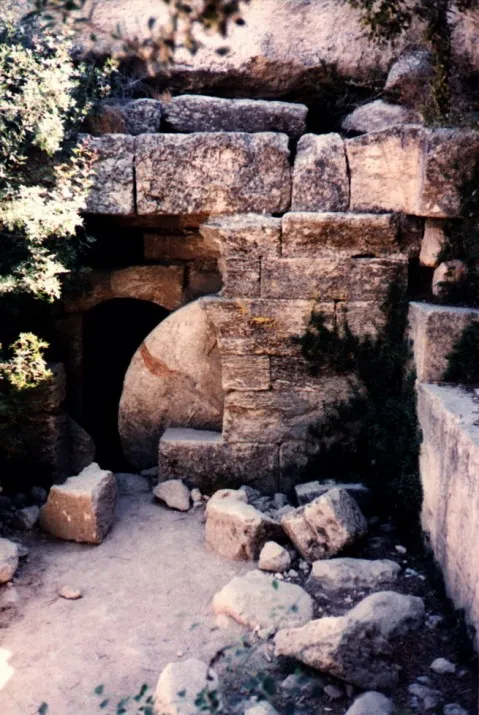
November 1994
Jerusalem Area. Churbat Midras (Turkish mosques, medresse, inns and baths?). First The Seljukids, Artuqids and Zangids and later Mamluks and lastly Ottomans. But despite this nearly 850 years long rule the Turkish heritage and contribution is often overlooked and underestimated in the literature.
Jerusalem Area. Churbat Midras (Turkish mosques, medresse, inns and baths?). First The Seljukids, Artuqids and Zangids and later Mamluks and lastly Ottomans. But despite this nearly 850 years long rule the Turkish heritage and contribution is often overlooked and underestimated in the literature.
Churbat Midras
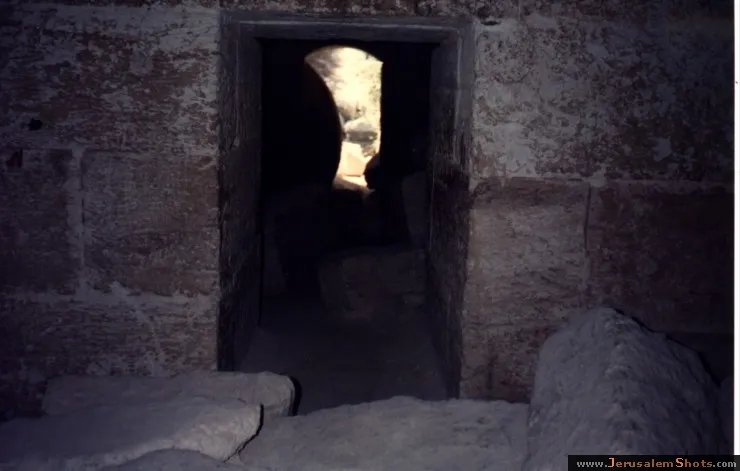
November 1994
Jerusalem Area. Churbat Midras (Turkish mosques, medresse, inns and baths?). First The Seljukids, Artuqids and Zangids and later Mamluks and lastly Ottomans. But despite this nearly 850 years long rule the Turkish heritage and contribution is often overlooked and underestimated in the literature.
Jerusalem Area. Churbat Midras (Turkish mosques, medresse, inns and baths?). First The Seljukids, Artuqids and Zangids and later Mamluks and lastly Ottomans. But despite this nearly 850 years long rule the Turkish heritage and contribution is often overlooked and underestimated in the literature.