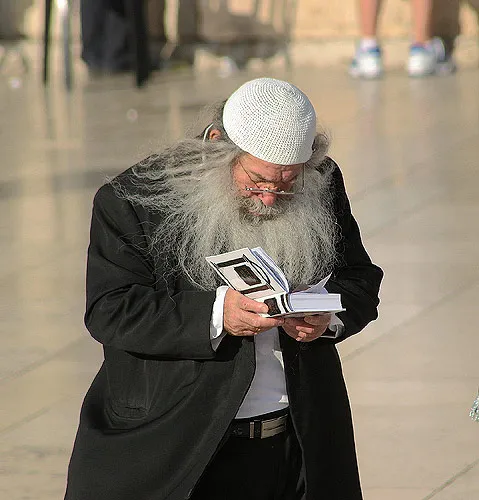
People \ People around the Kotel
 © RomKri
The Church of All Nations

The chapel was built between 1919 and 1924 using funds donated from many different countries. The respective coat-of-arms of each donating country are incorporated into the glass of the ceiling, each in a separate, small dome, and also into the interior mosaics. The countries honored in this way are; starting from the left side, beginning with the apse: Argentina, Brazil, Chile and Mexico; in the middle of the church are memorialized: Italy, France, Spain and the United Kingdom, and to the right: Belgium, Canada, Germany, and the United States of America. The mosaics in the apses were donated by Ireland, Hungary, and Poland. The crown around the bedrock itself was a gift of Australia. These multi-national donations give the church its present title as the Church of "All Nations".


 © Valery Dembitsky
The Church of All Nations

The chapel was built between 1919 and 1924 using funds donated from many different countries. The respective coat-of-arms of each donating country are incorporated into the glass of the ceiling, each in a separate, small dome, and also into the interior mosaics. The countries honored in this way are; starting from the left side, beginning with the apse: Argentina, Brazil, Chile and Mexico; in the middle of the church are memorialized: Italy, France, Spain and the United Kingdom, and to the right: Belgium, Canada, Germany, and the United States of America. The mosaics in the apses were donated by Ireland, Hungary, and Poland. The crown around the bedrock itself was a gift of Australia. These multi-national donations give the church its present title as the Church of "All Nations".
The Church of All Nations
The chapel was built between 1919 and 1924 using funds donated from many different countries. The respective coat-of-arms of each donating country are incorporated into the glass of the ceiling, each in a separate, small dome, and also into the interior mosaics. The countries honored in this way are; starting from the left side, beginning with the apse: Argentina, Brazil, Chile and Mexico; in the middle of the church are memorialized: Italy, France, Spain and the United Kingdom, and to the right: Belgium, Canada, Germany, and the United States of America. The mosaics in the apses were donated by Ireland, Hungary, and Poland. The crown around the bedrock itself was a gift of Australia. These multi-national donations give the church its present title as the Church of "All Nations".
The Church of All Nations

The chapel was built between 1919 and 1924 using funds donated from many different countries. The respective coat-of-arms of each donating country are incorporated into the glass of the ceiling, each in a separate, small dome, and also into the interior mosaics. The countries honored in this way are; starting from the left side, beginning with the apse: Argentina, Brazil, Chile and Mexico; in the middle of the church are memorialized: Italy, France, Spain and the United Kingdom, and to the right: Belgium, Canada, Germany, and the United States of America. The mosaics in the apses were donated by Ireland, Hungary, and Poland. The crown around the bedrock itself was a gift of Australia. These multi-national donations give the church its present title as the Church of "All Nations".
Around the Old City

People \ People around the Kotel

People \ People around the Kotel

People \ People around the Kotel

People \ People around the Kotel

People \ People around the Kotel

People \ People around the Kotel

Botanical Garden, Jerusalem
18.09.2008
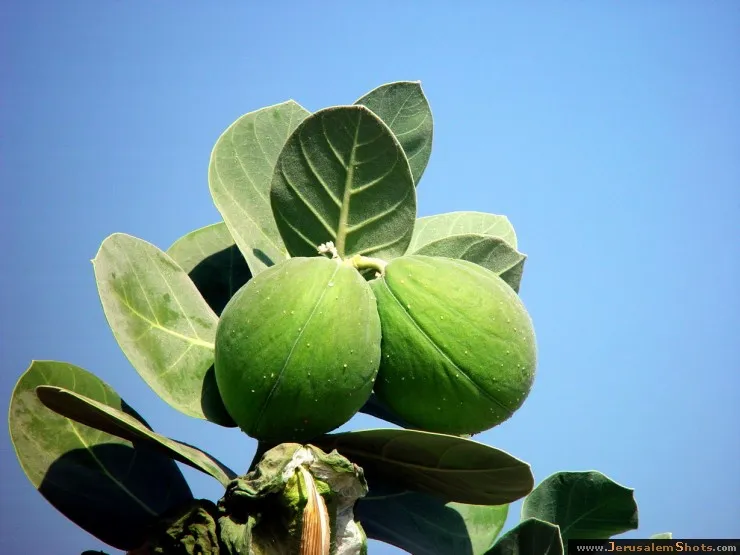
One of Israel's weirdest plants is the Sodom apple (Ptilat hamidbar) which grows in the hot oases around the Dead Sea and Jordan Valley regions. It is not a 'human friendly' plant, touching it can result in a rash as the sap of the plant is a skin irritant, while the juice is highly poisonous.
One of Israel's weirdest plants is the Sodom apple (Ptilat hamidbar) which grows in the hot oases around the Dead Sea and Jordan Valley regions. It is not a 'human friendly' plant, touching it can result in a rash as the sap of the plant is a skin irritant, while the juice is highly poisonous.
Botanical Garden, Jerusalem
18.09.2008
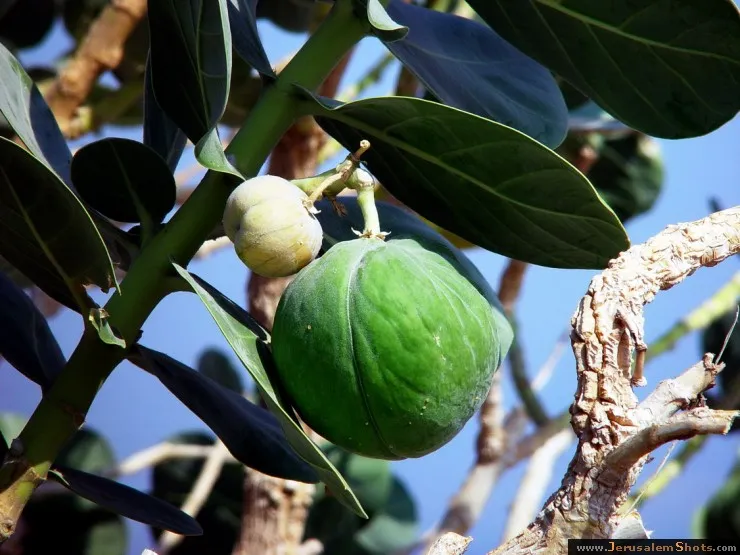
One of Israel's weirdest plants is the Sodom apple (Ptilat hamidbar) which grows in the hot oases around the Dead Sea and Jordan Valley regions. It is not a 'human friendly' plant, touching it can result in a rash as the sap of the plant is a skin irritant, while the juice is highly poisonous.
One of Israel's weirdest plants is the Sodom apple (Ptilat hamidbar) which grows in the hot oases around the Dead Sea and Jordan Valley regions. It is not a 'human friendly' plant, touching it can result in a rash as the sap of the plant is a skin irritant, while the juice is highly poisonous.
Around the Old City
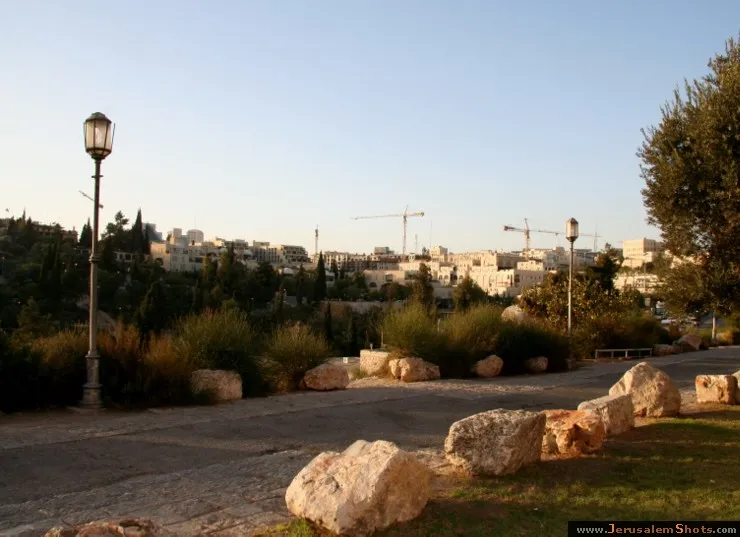
Around the Old City

Around the Old City

The Wailing Wall
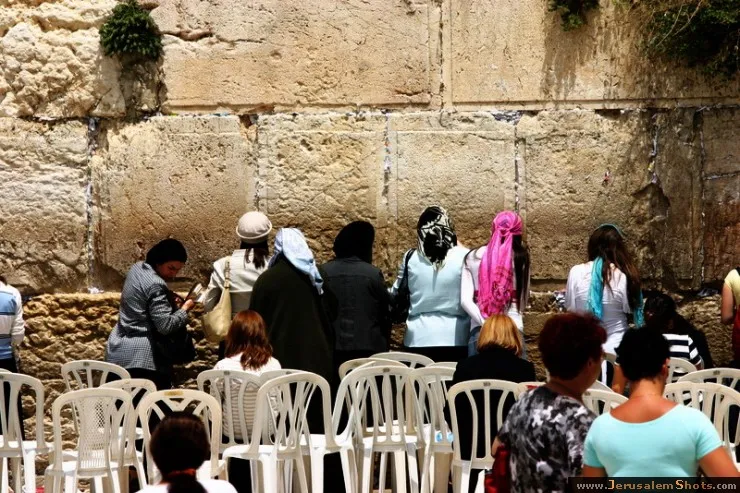
The Women Division (Right Part)
16.05.2008
The Western Wall sometimes referred to as the Wailing Wall or simply the Kotel (lit. Wall; Ashkenazic pronunciation: Kosel), and as al-Buraaq Wall by Muslims, is an important Jewish religious site located in the Old City of Jerusalem. Just over half the wall, including its 17 courses located below street level, dates from the end of the Second Temple period, being constructed around 19 BCE by Herod the Great.
16.05.2008
The Western Wall sometimes referred to as the Wailing Wall or simply the Kotel (lit. Wall; Ashkenazic pronunciation: Kosel), and as al-Buraaq Wall by Muslims, is an important Jewish religious site located in the Old City of Jerusalem. Just over half the wall, including its 17 courses located below street level, dates from the end of the Second Temple period, being constructed around 19 BCE by Herod the Great.
LIONS PARK JERUSALEM

Photographs of 'Bronze Lions in the Park' around a'Water Fountain' in 2010 AD.
Photographer Erina Kaika
Photographer Erina Kaika
 © Erina Kaika
LIONS PARK JERUSALEM

Photographs of 'Bronze Lions in the Park' around a'Water Fountain' in 2010 AD.
Photographer Erina Kaika
Photographer Erina Kaika
Around the Old City
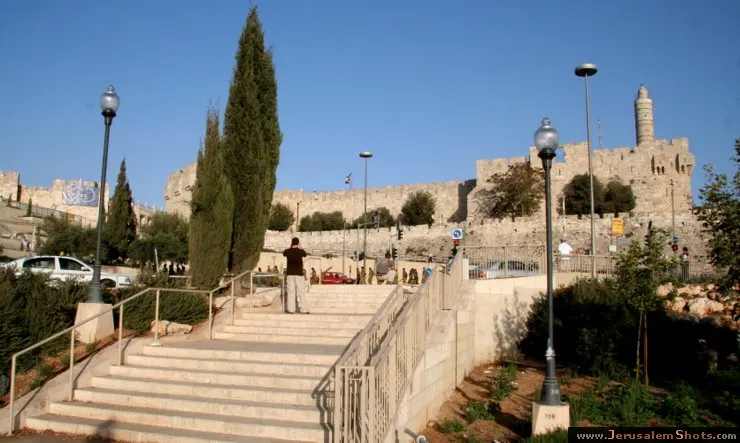
People \ People around the Kotel

Jerusalem and around

 © Barak Sekeles
13km from Jerusalem
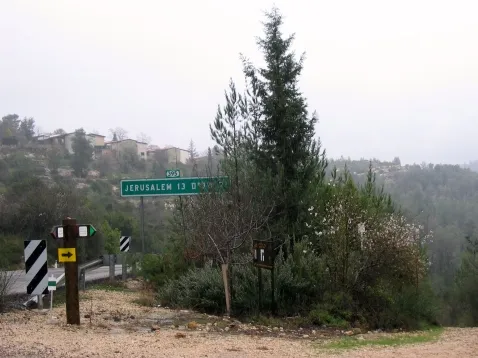
Jerusalem and around
Sataf in the rain
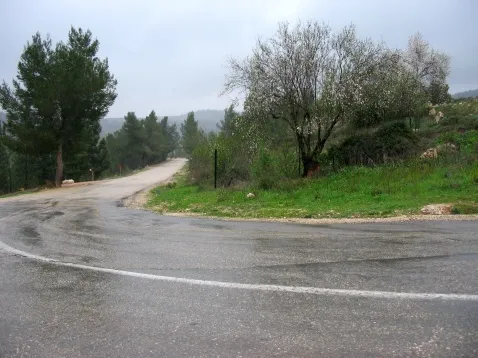
Just around Jerusalem
Aaron Ovadia
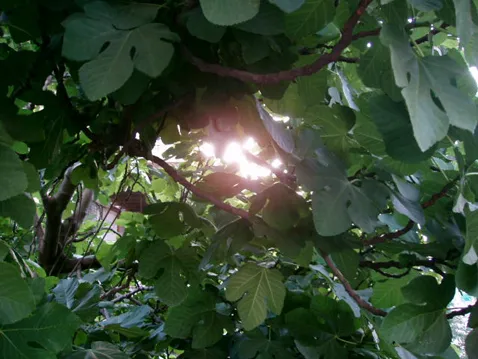
A light unto the nations.
This was a photo taken a little before sunset - around the spring time.
This was a photo taken a little before sunset - around the spring time.
 © Aaron Ovadia
Jerusalem.
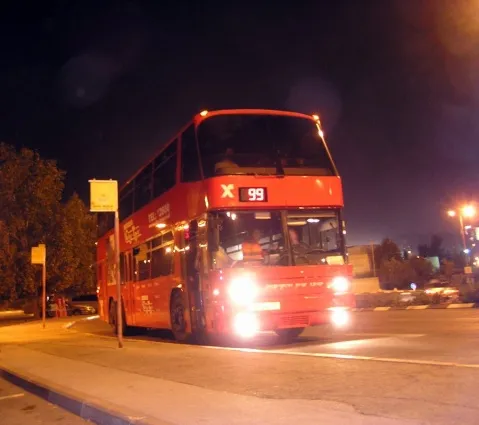
Line 99 around Jerusalem.
Egged in cooperation with "City-Tour" Company is inviting you to take a panoramic tour passes through all central tourist and historical sites in Jerusalem. The passengers can get off/on the bus at any of 27 stations (besides, the passengers who bought single-ride/night excursion ticket) at any hour of the line operation and unlimitedly. The bus is equipped with the stereo system (incl. personal earphones), which enable passengers listening to the explanations in 8 languages: Hebrew, Arabic, English, French, German, Russian, Italian and Spanish.
The tickets may be purchased from bus drivers or hotel reception desc.
Egged in cooperation with "City-Tour" Company is inviting you to take a panoramic tour passes through all central tourist and historical sites in Jerusalem. The passengers can get off/on the bus at any of 27 stations (besides, the passengers who bought single-ride/night excursion ticket) at any hour of the line operation and unlimitedly. The bus is equipped with the stereo system (incl. personal earphones), which enable passengers listening to the explanations in 8 languages: Hebrew, Arabic, English, French, German, Russian, Italian and Spanish.
The tickets may be purchased from bus drivers or hotel reception desc.
Klil Ha Choresh
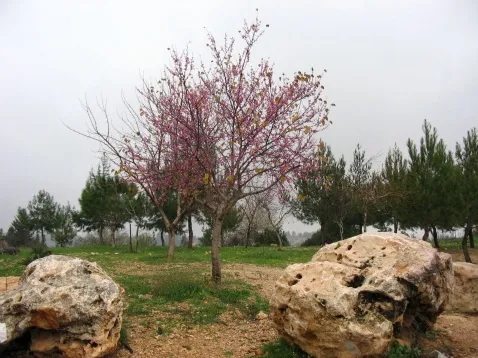
Just around Jerusalem