Night photos \ 9 May - Har Hertzel
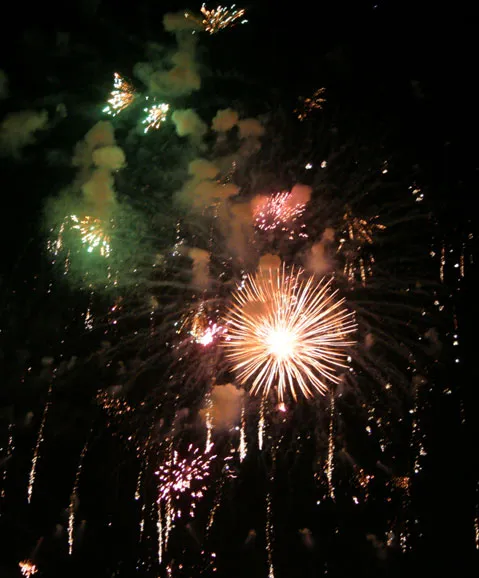
60 years since the Allied victory over Nazi Germany in World War II
 © RomKri
The Mandrills

The Jerusalem Biblical Zoo boasts one of the world´s largest troops of captive mandrills. The mandrill (Mandrillus sphinx) is perhaps the most colourful of the primates. The adult male is most conspicuous, thanks to the bold colors on his face and hindquarters, and by virtue of his sheer size, which may be double that of the female. Mandrills are quite common in zoos throughout the world, and the behavior of this species in captivity has been well documented. But recent studies have shown that mandrill populations in the wild have a most intriguing social structure, and that their social behavior bears little resemblance to that of a troop in captivity. Captive adult males dominate and dictate the course of their troop´s daily life; apparently, however, in the wild, mature males are almost entirely solitary, unlike the females, which are exceptionally gregarious. Wild females and juveniles have been found to live in troops that actually number many hundreds of individuals, while the adult males evidently have nothing to do with the troops, except during the relatively short mating season.
http://www.jerusalemzoo.org.il/english/upload/tour/mandrill.html
http://www.jerusalemzoo.org.il/english/upload/tour/mandrill.html
The Scroll of Fire

The Scroll of Fire is one of the most beautiful sculptures in Israel. Located in what is the single largest memorial to the Holocaust in the world, the Martyrs Forest, it is an imposing work rich in detail and history – it tells the story of the rebirth of the nation from the Holocaust up to the Six Day War. The sculpture commands a spectacular view of its surroundings.


 © Valery Dembitsky
Gehenna
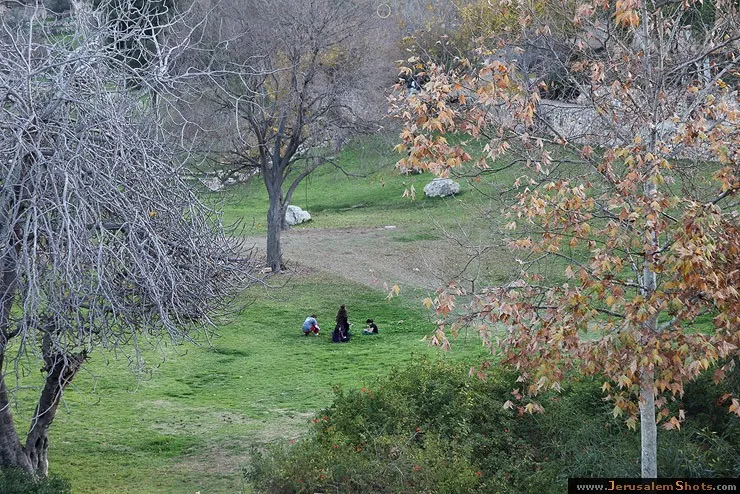
Gehenna, gehinnam, or gehinnom (Hebrew: גהנום, גהנם, Greek γεεννα) are words used in Jewish and Christian writings for the place where evil people go in the afterlife (see Hell). The name is derived from a geographical site in Jerusalem known as the Valley of Hinnom, one of the two principal valleys surrounding the Old City. Initially the site where idolatrous Jews sacrificed their children to the god Molech (2 Chr. 28:3, 33:6; Jer. 7:31, 19:2-6), the valley later became the common wasteyard for all the refuse of Jerusalem. Here the dead bodies of animals and of criminals, and rubbish, were cast and, according to legend, consumed by a constant fire. In time it became the image of the place of everlasting destruction in Jewish tradition[1]. However, Jewish tradition suggests the valley had a 'gate' which led down to a molten lake of fire. (Possibly 'The furnace of Yahweh' in Zion to which Isaiah refers 31:9, 30:33). It is unknown whether this 'gate' was an actual geophysical feature within the valley that provided the focus for cultic activity (2 Kings 23:10) or simply a metaphorical identification with the entrance to the underworld that had come to be associated with the valley.
Gehenna is cited in the New Testament and in early Christian writing to represent the final place where the wicked will be punished or destroyed after resurrection. In both Rabbinical Jewish and Christian writing, Gehenna as a destination of the wicked is different from Sheol or Hades, the abode of the dead.
Taken from wikipedia.org
Gehenna is cited in the New Testament and in early Christian writing to represent the final place where the wicked will be punished or destroyed after resurrection. In both Rabbinical Jewish and Christian writing, Gehenna as a destination of the wicked is different from Sheol or Hades, the abode of the dead.
Taken from wikipedia.org
Gehenna
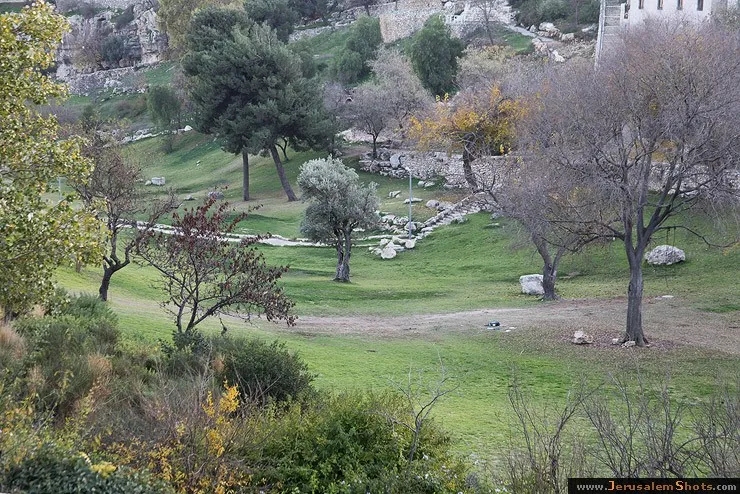
Gehenna, gehinnam, or gehinnom (Hebrew: גהנום, גהנם, Greek γεεννα) are words used in Jewish and Christian writings for the place where evil people go in the afterlife (see Hell). The name is derived from a geographical site in Jerusalem known as the Valley of Hinnom, one of the two principal valleys surrounding the Old City. Initially the site where idolatrous Jews sacrificed their children to the god Molech (2 Chr. 28:3, 33:6; Jer. 7:31, 19:2-6), the valley later became the common wasteyard for all the refuse of Jerusalem. Here the dead bodies of animals and of criminals, and rubbish, were cast and, according to legend, consumed by a constant fire. In time it became the image of the place of everlasting destruction in Jewish tradition[1]. However, Jewish tradition suggests the valley had a 'gate' which led down to a molten lake of fire. (Possibly 'The furnace of Yahweh' in Zion to which Isaiah refers 31:9, 30:33). It is unknown whether this 'gate' was an actual geophysical feature within the valley that provided the focus for cultic activity (2 Kings 23:10) or simply a metaphorical identification with the entrance to the underworld that had come to be associated with the valley.
Gehenna is cited in the New Testament and in early Christian writing to represent the final place where the wicked will be punished or destroyed after resurrection. In both Rabbinical Jewish and Christian writing, Gehenna as a destination of the wicked is different from Sheol or Hades, the abode of the dead.
Taken from wikipedia.org
Gehenna is cited in the New Testament and in early Christian writing to represent the final place where the wicked will be punished or destroyed after resurrection. In both Rabbinical Jewish and Christian writing, Gehenna as a destination of the wicked is different from Sheol or Hades, the abode of the dead.
Taken from wikipedia.org
Jerusalem War Cemetery
04.08.2009
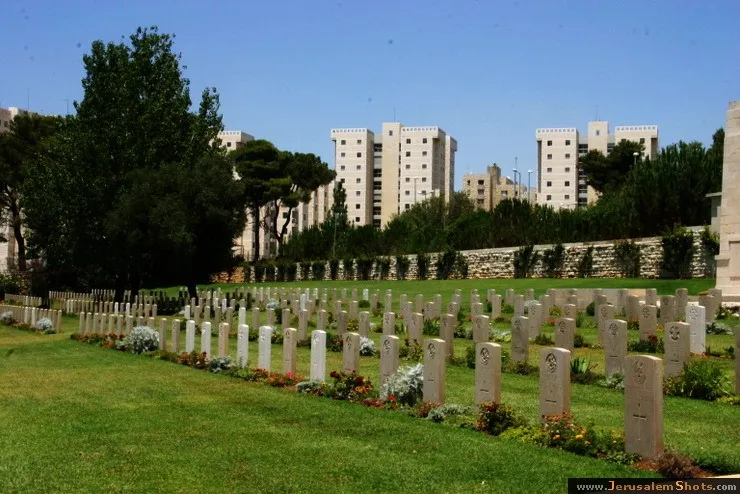
The Jerusalem War Cemetery, which is located on Mount Scopus in Jerusalem, is the final resting place of soldiers from Great Britain who fell in World War I.
The Jerusalem War Cemetery, which is located on Mount Scopus in Jerusalem, is the final resting place of soldiers from Great Britain who fell in World War I.
The Belz World Center, Jerusalem
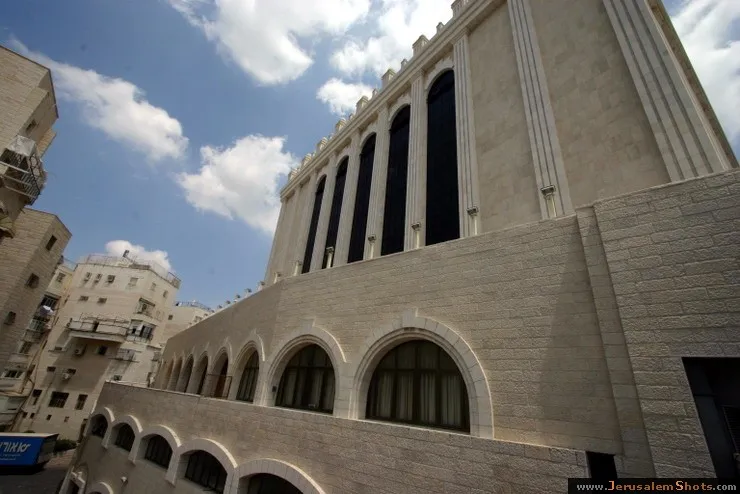
11.08.2009
In the 1980s, Rebbe Yissachar Dov spearheaded plans for a huge synagogue to be erected in the Kiryat Belz neighborhood of Jerusalem. Like the original synagogue of Belz which took 15 years to complete, the new Beis HaMedrash HaGadol ("The Great Synagogue") that now dominates the northern Jerusalem skyline also took 15 years to construct and was dedicated in 2000. Its main sanctuary seats 6000 worshipers (though crowds on the High Holy Days exceed 8000), making it the second largest Jewish house of worship in the world.
In the 1980s, Rebbe Yissachar Dov spearheaded plans for a huge synagogue to be erected in the Kiryat Belz neighborhood of Jerusalem. Like the original synagogue of Belz which took 15 years to complete, the new Beis HaMedrash HaGadol ("The Great Synagogue") that now dominates the northern Jerusalem skyline also took 15 years to construct and was dedicated in 2000. Its main sanctuary seats 6000 worshipers (though crowds on the High Holy Days exceed 8000), making it the second largest Jewish house of worship in the world.
The Scroll of Fire

The Scroll of Fire is one of the most beautiful sculptures in Israel. Located in what is the single largest memorial to the Holocaust in the world, the Martyrs Forest, it is an imposing work rich in detail and history – it tells the story of the rebirth of the nation from the Holocaust up to the Six Day War. The sculpture commands a spectacular view of its surroundings.
Gehenna
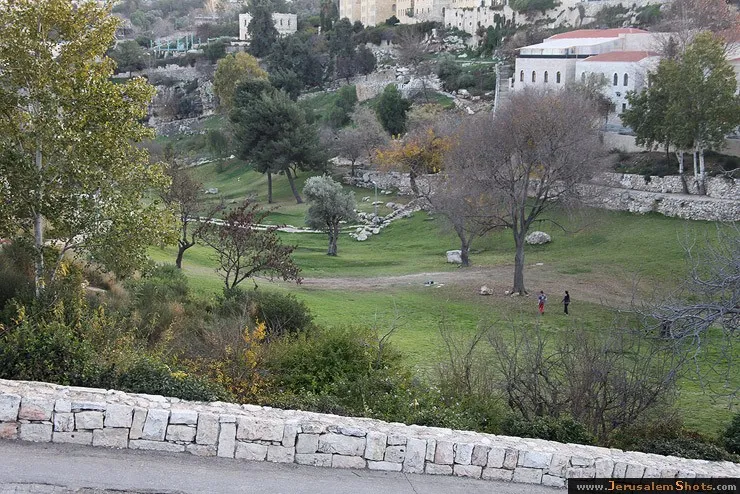
Gehenna, gehinnam, or gehinnom (Hebrew: גהנום, גהנם, Greek γεεννα) are words used in Jewish and Christian writings for the place where evil people go in the afterlife (see Hell). The name is derived from a geographical site in Jerusalem known as the Valley of Hinnom, one of the two principal valleys surrounding the Old City. Initially the site where idolatrous Jews sacrificed their children to the god Molech (2 Chr. 28:3, 33:6; Jer. 7:31, 19:2-6), the valley later became the common wasteyard for all the refuse of Jerusalem. Here the dead bodies of animals and of criminals, and rubbish, were cast and, according to legend, consumed by a constant fire. In time it became the image of the place of everlasting destruction in Jewish tradition[1]. However, Jewish tradition suggests the valley had a 'gate' which led down to a molten lake of fire. (Possibly 'The furnace of Yahweh' in Zion to which Isaiah refers 31:9, 30:33). It is unknown whether this 'gate' was an actual geophysical feature within the valley that provided the focus for cultic activity (2 Kings 23:10) or simply a metaphorical identification with the entrance to the underworld that had come to be associated with the valley.
Gehenna is cited in the New Testament and in early Christian writing to represent the final place where the wicked will be punished or destroyed after resurrection. In both Rabbinical Jewish and Christian writing, Gehenna as a destination of the wicked is different from Sheol or Hades, the abode of the dead.
Taken from wikipedia.org
Gehenna is cited in the New Testament and in early Christian writing to represent the final place where the wicked will be punished or destroyed after resurrection. In both Rabbinical Jewish and Christian writing, Gehenna as a destination of the wicked is different from Sheol or Hades, the abode of the dead.
Taken from wikipedia.org
The Christian World: Jerusalem

Some details
Old City, Jerusalem, Church of Jesus Christ
Old City, Jerusalem, Church of Jesus Christ
The Christian World: Jerusalem

Some details
Old City, Jerusalem, Church of Jesus Christ
Old City, Jerusalem, Church of Jesus Christ
The Christian World: Jerusalem

Some details
Old City, Jerusalem, Church of Jesus Christ
Old City, Jerusalem, Church of Jesus Christ
The Christian World: Jerusalem
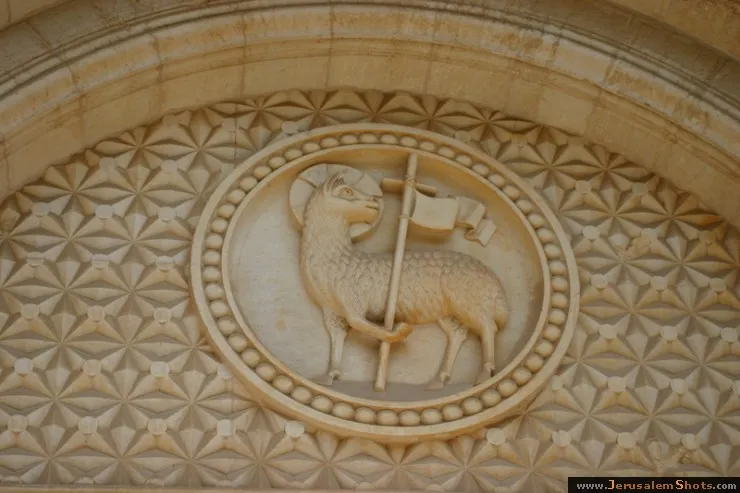
Church of Jesus Christ
The Belz World Center, Jerusalem
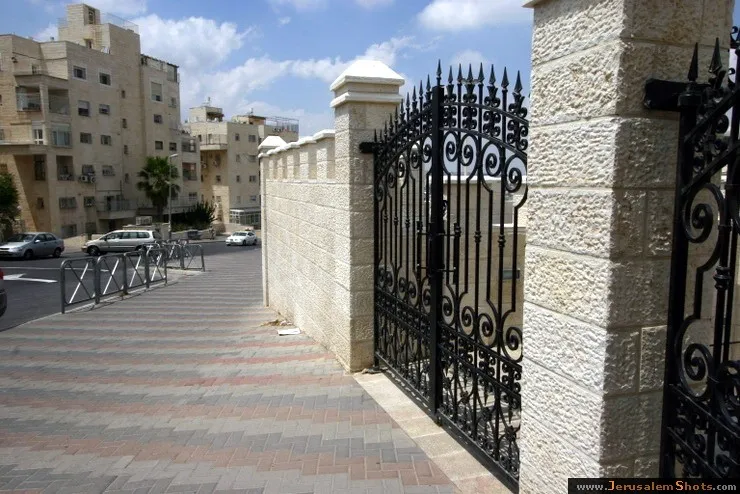
11.08.2009
In the 1980s, Rebbe Yissachar Dov spearheaded plans for a huge synagogue to be erected in the Kiryat Belz neighborhood of Jerusalem. Like the original synagogue of Belz which took 15 years to complete, the new Beis HaMedrash HaGadol ("The Great Synagogue") that now dominates the northern Jerusalem skyline also took 15 years to construct and was dedicated in 2000. Its main sanctuary seats 6000 worshipers (though crowds on the High Holy Days exceed 8000), making it the second largest Jewish house of worship in the world.
In the 1980s, Rebbe Yissachar Dov spearheaded plans for a huge synagogue to be erected in the Kiryat Belz neighborhood of Jerusalem. Like the original synagogue of Belz which took 15 years to complete, the new Beis HaMedrash HaGadol ("The Great Synagogue") that now dominates the northern Jerusalem skyline also took 15 years to construct and was dedicated in 2000. Its main sanctuary seats 6000 worshipers (though crowds on the High Holy Days exceed 8000), making it the second largest Jewish house of worship in the world.
The Belz World Center, Jerusalem

11.08.2009
In the 1980s, Rebbe Yissachar Dov spearheaded plans for a huge synagogue to be erected in the Kiryat Belz neighborhood of Jerusalem. Like the original synagogue of Belz which took 15 years to complete, the new Beis HaMedrash HaGadol ("The Great Synagogue") that now dominates the northern Jerusalem skyline also took 15 years to construct and was dedicated in 2000. Its main sanctuary seats 6000 worshipers (though crowds on the High Holy Days exceed 8000), making it the second largest Jewish house of worship in the world.
In the 1980s, Rebbe Yissachar Dov spearheaded plans for a huge synagogue to be erected in the Kiryat Belz neighborhood of Jerusalem. Like the original synagogue of Belz which took 15 years to complete, the new Beis HaMedrash HaGadol ("The Great Synagogue") that now dominates the northern Jerusalem skyline also took 15 years to construct and was dedicated in 2000. Its main sanctuary seats 6000 worshipers (though crowds on the High Holy Days exceed 8000), making it the second largest Jewish house of worship in the world.
The Christian World: Jerusalem
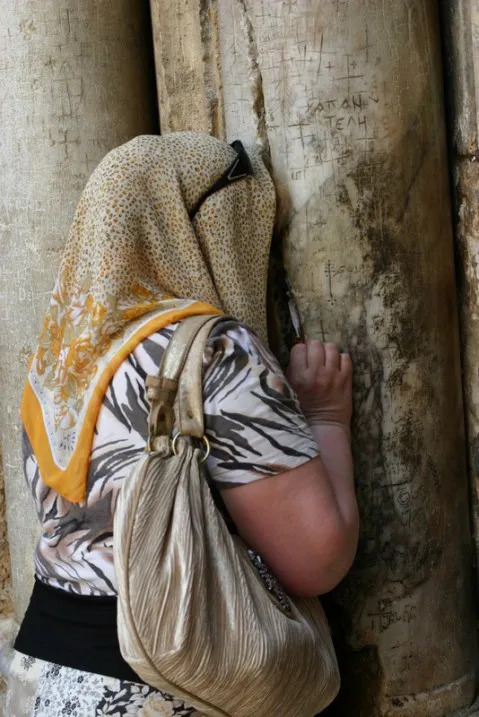
Church of Jesus Christ, Jerusalem
The Belz World Center, Jerusalem

11.08.2009
In the 1980s, Rebbe Yissachar Dov spearheaded plans for a huge synagogue to be erected in the Kiryat Belz neighborhood of Jerusalem. Like the original synagogue of Belz which took 15 years to complete, the new Beis HaMedrash HaGadol ("The Great Synagogue") that now dominates the northern Jerusalem skyline also took 15 years to construct and was dedicated in 2000. Its main sanctuary seats 6000 worshipers (though crowds on the High Holy Days exceed 8000), making it the second largest Jewish house of worship in the world.
In the 1980s, Rebbe Yissachar Dov spearheaded plans for a huge synagogue to be erected in the Kiryat Belz neighborhood of Jerusalem. Like the original synagogue of Belz which took 15 years to complete, the new Beis HaMedrash HaGadol ("The Great Synagogue") that now dominates the northern Jerusalem skyline also took 15 years to construct and was dedicated in 2000. Its main sanctuary seats 6000 worshipers (though crowds on the High Holy Days exceed 8000), making it the second largest Jewish house of worship in the world.
The Belz World Center, Jerusalem

11.08.2009
In the 1980s, Rebbe Yissachar Dov spearheaded plans for a huge synagogue to be erected in the Kiryat Belz neighborhood of Jerusalem. Like the original synagogue of Belz which took 15 years to complete, the new Beis HaMedrash HaGadol ("The Great Synagogue") that now dominates the northern Jerusalem skyline also took 15 years to construct and was dedicated in 2000. Its main sanctuary seats 6000 worshipers (though crowds on the High Holy Days exceed 8000), making it the second largest Jewish house of worship in the world.
In the 1980s, Rebbe Yissachar Dov spearheaded plans for a huge synagogue to be erected in the Kiryat Belz neighborhood of Jerusalem. Like the original synagogue of Belz which took 15 years to complete, the new Beis HaMedrash HaGadol ("The Great Synagogue") that now dominates the northern Jerusalem skyline also took 15 years to construct and was dedicated in 2000. Its main sanctuary seats 6000 worshipers (though crowds on the High Holy Days exceed 8000), making it the second largest Jewish house of worship in the world.
The Belz World Center, Jerusalem

11.08.2009
In the 1980s, Rebbe Yissachar Dov spearheaded plans for a huge synagogue to be erected in the Kiryat Belz neighborhood of Jerusalem. Like the original synagogue of Belz which took 15 years to complete, the new Beis HaMedrash HaGadol ("The Great Synagogue") that now dominates the northern Jerusalem skyline also took 15 years to construct and was dedicated in 2000. Its main sanctuary seats 6000 worshipers (though crowds on the High Holy Days exceed 8000), making it the second largest Jewish house of worship in the world.
In the 1980s, Rebbe Yissachar Dov spearheaded plans for a huge synagogue to be erected in the Kiryat Belz neighborhood of Jerusalem. Like the original synagogue of Belz which took 15 years to complete, the new Beis HaMedrash HaGadol ("The Great Synagogue") that now dominates the northern Jerusalem skyline also took 15 years to construct and was dedicated in 2000. Its main sanctuary seats 6000 worshipers (though crowds on the High Holy Days exceed 8000), making it the second largest Jewish house of worship in the world.
The Belz World Center, Jerusalem

11.08.2009
In the 1980s, Rebbe Yissachar Dov spearheaded plans for a huge synagogue to be erected in the Kiryat Belz neighborhood of Jerusalem. Like the original synagogue of Belz which took 15 years to complete, the new Beis HaMedrash HaGadol ("The Great Synagogue") that now dominates the northern Jerusalem skyline also took 15 years to construct and was dedicated in 2000. Its main sanctuary seats 6000 worshipers (though crowds on the High Holy Days exceed 8000), making it the second largest Jewish house of worship in the world.
In the 1980s, Rebbe Yissachar Dov spearheaded plans for a huge synagogue to be erected in the Kiryat Belz neighborhood of Jerusalem. Like the original synagogue of Belz which took 15 years to complete, the new Beis HaMedrash HaGadol ("The Great Synagogue") that now dominates the northern Jerusalem skyline also took 15 years to construct and was dedicated in 2000. Its main sanctuary seats 6000 worshipers (though crowds on the High Holy Days exceed 8000), making it the second largest Jewish house of worship in the world.
The Scroll of Fire
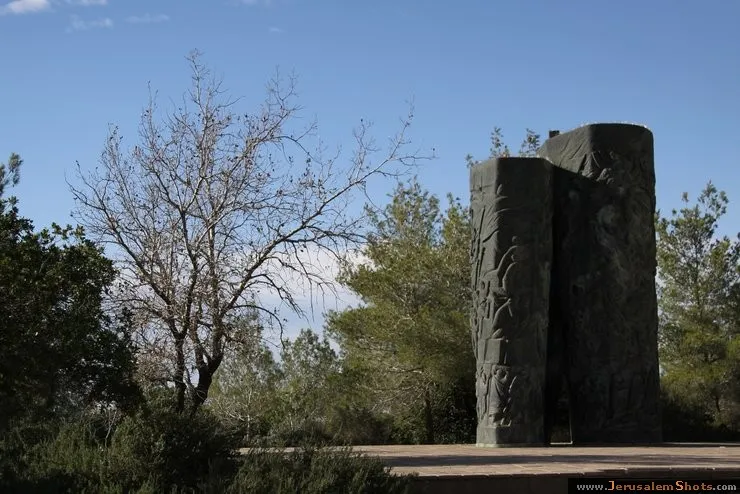
The Scroll of Fire is one of the most beautiful sculptures in Israel. Located in what is the single largest memorial to the Holocaust in the world, the Martyrs Forest, it is an imposing work rich in detail and history – it tells the story of the rebirth of the nation from the Holocaust up to the Six Day War. The sculpture commands a spectacular view of its surroundings.
The Belz World Center, Jerusalem

11.08.2009
In the 1980s, Rebbe Yissachar Dov spearheaded plans for a huge synagogue to be erected in the Kiryat Belz neighborhood of Jerusalem. Like the original synagogue of Belz which took 15 years to complete, the new Beis HaMedrash HaGadol ("The Great Synagogue") that now dominates the northern Jerusalem skyline also took 15 years to construct and was dedicated in 2000. Its main sanctuary seats 6000 worshipers (though crowds on the High Holy Days exceed 8000), making it the second largest Jewish house of worship in the world.
In the 1980s, Rebbe Yissachar Dov spearheaded plans for a huge synagogue to be erected in the Kiryat Belz neighborhood of Jerusalem. Like the original synagogue of Belz which took 15 years to complete, the new Beis HaMedrash HaGadol ("The Great Synagogue") that now dominates the northern Jerusalem skyline also took 15 years to construct and was dedicated in 2000. Its main sanctuary seats 6000 worshipers (though crowds on the High Holy Days exceed 8000), making it the second largest Jewish house of worship in the world.
The Belz World Center, Jerusalem

11.08.2009
In the 1980s, Rebbe Yissachar Dov spearheaded plans for a huge synagogue to be erected in the Kiryat Belz neighborhood of Jerusalem. Like the original synagogue of Belz which took 15 years to complete, the new Beis HaMedrash HaGadol ("The Great Synagogue") that now dominates the northern Jerusalem skyline also took 15 years to construct and was dedicated in 2000. Its main sanctuary seats 6000 worshipers (though crowds on the High Holy Days exceed 8000), making it the second largest Jewish house of worship in the world.
In the 1980s, Rebbe Yissachar Dov spearheaded plans for a huge synagogue to be erected in the Kiryat Belz neighborhood of Jerusalem. Like the original synagogue of Belz which took 15 years to complete, the new Beis HaMedrash HaGadol ("The Great Synagogue") that now dominates the northern Jerusalem skyline also took 15 years to construct and was dedicated in 2000. Its main sanctuary seats 6000 worshipers (though crowds on the High Holy Days exceed 8000), making it the second largest Jewish house of worship in the world.
The Christian World: Jerusalem

Church of Jesus Christ
The Christian World: Jerusalem
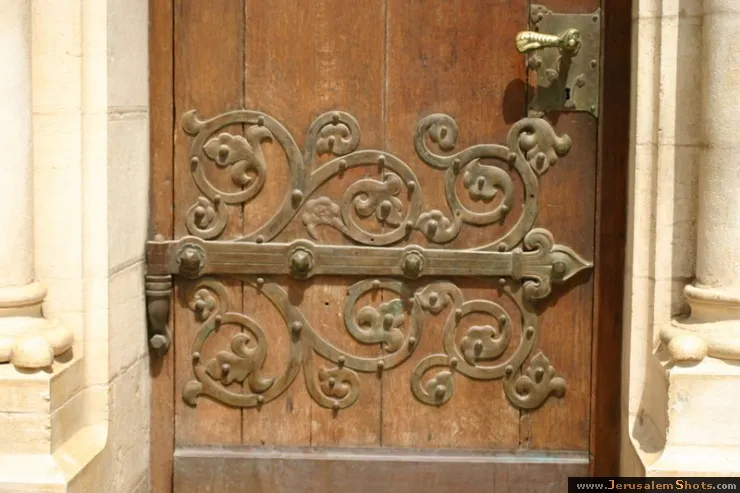
Church of Jesus Christ
The Scroll of Fire
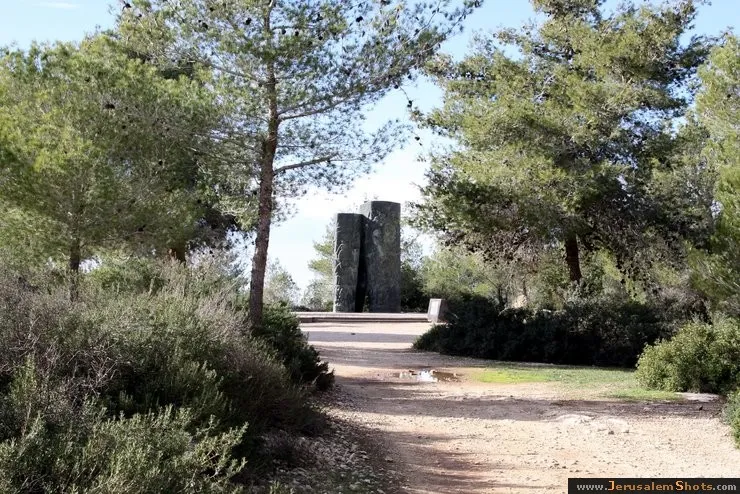
The Scroll of Fire is one of the most beautiful sculptures in Israel. Located in what is the single largest memorial to the Holocaust in the world, the Martyrs Forest, it is an imposing work rich in detail and history – it tells the story of the rebirth of the nation from the Holocaust up to the Six Day War. The sculpture commands a spectacular view of its surroundings.
Augusta Victoria Hospital

Since 1950 the Augusta Victoria Hospital (AVH) has been a project of the Lutheran World Federation. It's main task has been to provide services for Palestinian Refugees in cooperation with UNRWA, the United Nations agency that has been responsible for the refugee-programs in the region since 1948. Today, the hospital continues to develop services for the Palestinian community, mostly on a charitable basis.
Winter
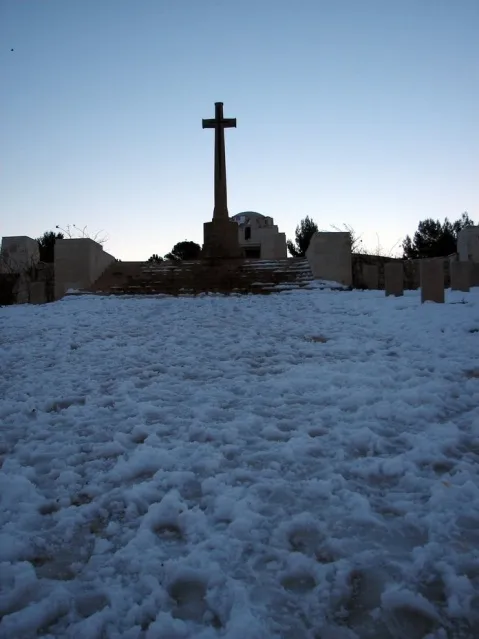
English military cemetery of times of the First world war.
Winter
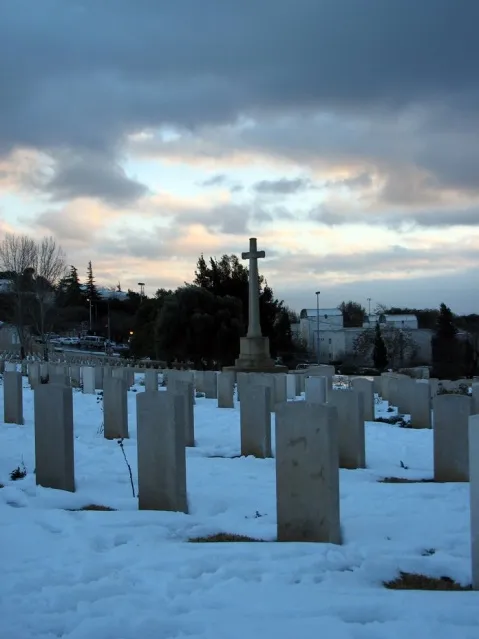
English military cemetery of times of the First world war.
The Christian World: Jerusalem
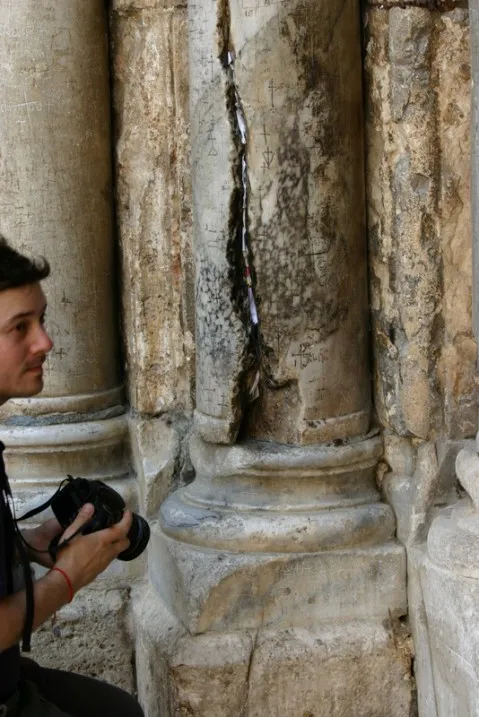
Some details
Old City, Jerusalem, Church of Jesus Christ
Old City, Jerusalem, Church of Jesus Christ
The Christian World: Jerusalem

Church of Jesus Christ, Jerusalem
The Christian World: Jerusalem
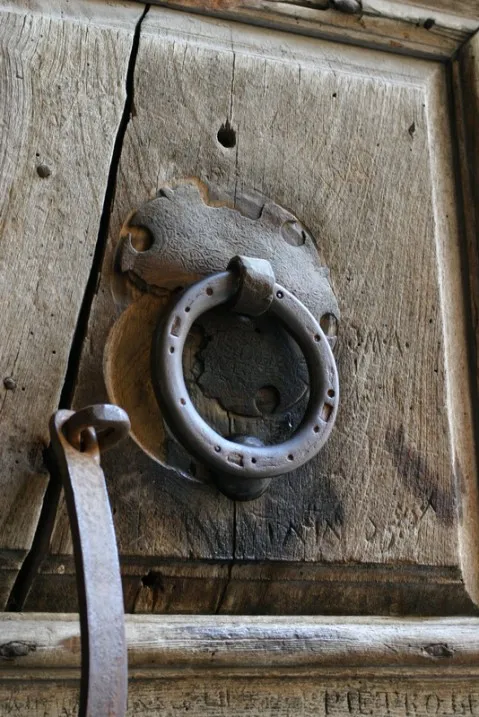
Church of Jesus Christ, Jerusalem
The Christian World: Jerusalem
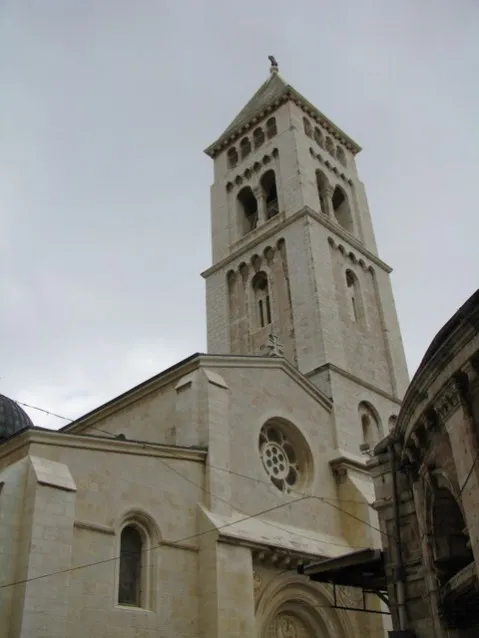
16 May 2006
Church of Jesus Christ
Church of Jesus Christ
Hebrew University, Givat Ram Campus
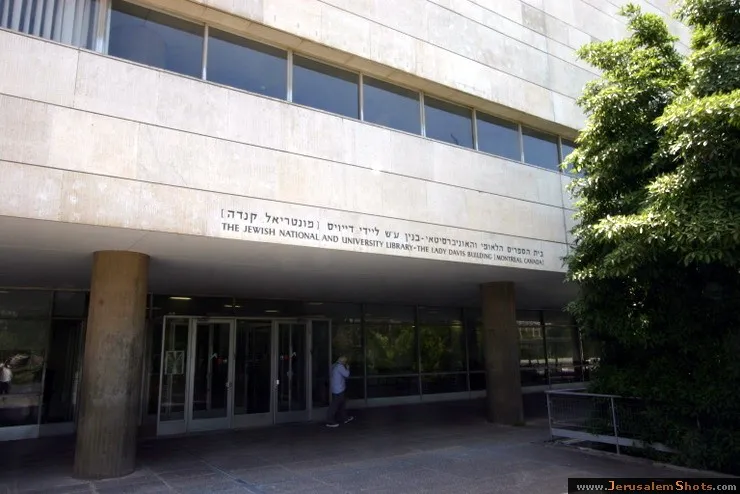
22 July 2009
The Hebrew University of Jerusalem is Israel´s oldest university. The Hebrew University is consistently ranked in Academic Ranking of World Universities as the top university in Israel and in the top 100 in the world. The Givat Ram campus, named for Edmond Safra, contains the scientific departments, as well as the Jewish National Library.
The Hebrew University of Jerusalem is Israel´s oldest university. The Hebrew University is consistently ranked in Academic Ranking of World Universities as the top university in Israel and in the top 100 in the world. The Givat Ram campus, named for Edmond Safra, contains the scientific departments, as well as the Jewish National Library.
Hebrew University, Givat Ram Campus
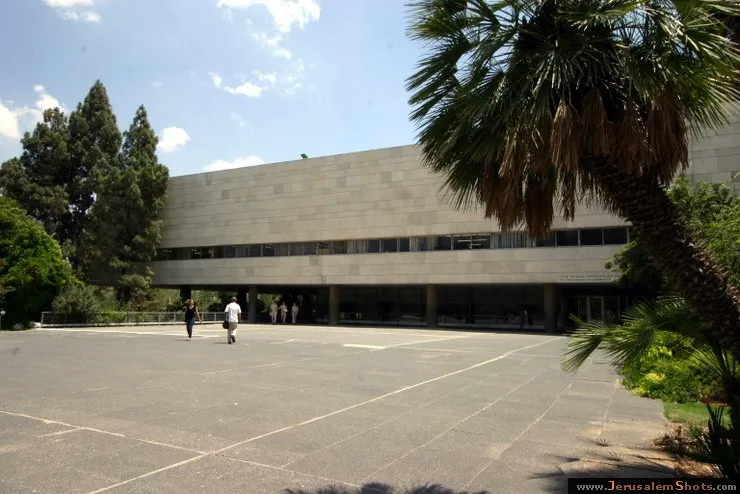
22 July 2009
The Hebrew University of Jerusalem is Israel´s oldest university. The Hebrew University is consistently ranked in Academic Ranking of World Universities as the top university in Israel and in the top 100 in the world. The Givat Ram campus, named for Edmond Safra, contains the scientific departments, as well as the Jewish National Library.
The Hebrew University of Jerusalem is Israel´s oldest university. The Hebrew University is consistently ranked in Academic Ranking of World Universities as the top university in Israel and in the top 100 in the world. The Givat Ram campus, named for Edmond Safra, contains the scientific departments, as well as the Jewish National Library.
Hebrew University, Givat Ram Campus

22 July 2009
The Hebrew University of Jerusalem is Israel´s oldest university. The Hebrew University is consistently ranked in Academic Ranking of World Universities as the top university in Israel and in the top 100 in the world. The Givat Ram campus, named for Edmond Safra, contains the scientific departments, as well as the Jewish National Library.
The Hebrew University of Jerusalem is Israel´s oldest university. The Hebrew University is consistently ranked in Academic Ranking of World Universities as the top university in Israel and in the top 100 in the world. The Givat Ram campus, named for Edmond Safra, contains the scientific departments, as well as the Jewish National Library.
Hebrew University, Givat Ram Campus
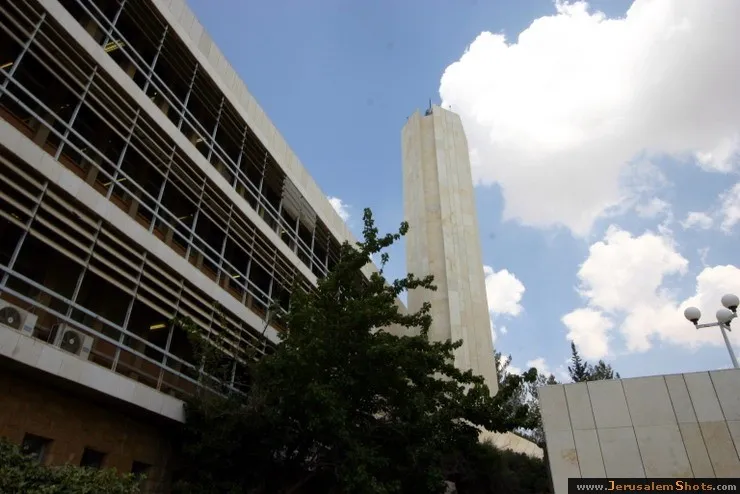
22 July 2009
The cornerstone for the university was laid in 1918, and, seven years later, on April 1, 1925, the Hebrew University campus on Mount Scopus of Jerusalem was opened at a gala ceremony attended by the leaders of the Jewish world, distinguished scholars and public figures, and British dignitaries, including Lord Arthur James Balfour, Viscount Allenby and Sir Herbert Samuel. The university´s first Chancellor was Judah Magnes.
The cornerstone for the university was laid in 1918, and, seven years later, on April 1, 1925, the Hebrew University campus on Mount Scopus of Jerusalem was opened at a gala ceremony attended by the leaders of the Jewish world, distinguished scholars and public figures, and British dignitaries, including Lord Arthur James Balfour, Viscount Allenby and Sir Herbert Samuel. The university´s first Chancellor was Judah Magnes.
Hebrew University, Givat Ram Campus
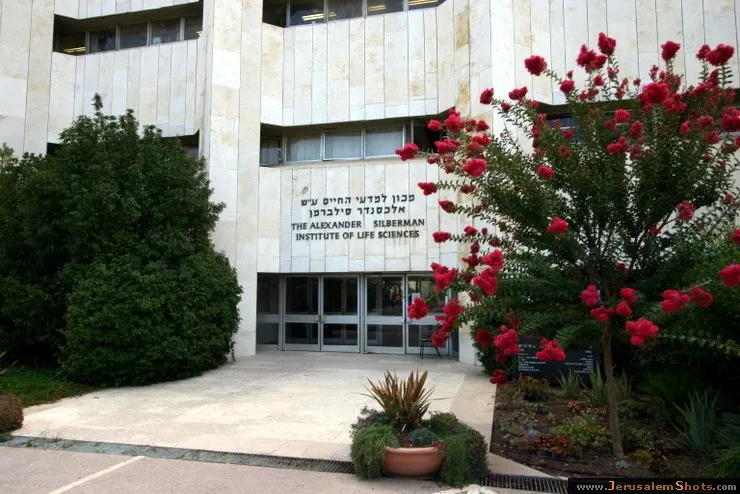
22 July 2009
The cornerstone for the university was laid in 1918, and, seven years later, on April 1, 1925, the Hebrew University campus on Mount Scopus of Jerusalem was opened at a gala ceremony attended by the leaders of the Jewish world, distinguished scholars and public figures, and British dignitaries, including Lord Arthur James Balfour, Viscount Allenby and Sir Herbert Samuel. The university´s first Chancellor was Judah Magnes.
The cornerstone for the university was laid in 1918, and, seven years later, on April 1, 1925, the Hebrew University campus on Mount Scopus of Jerusalem was opened at a gala ceremony attended by the leaders of the Jewish world, distinguished scholars and public figures, and British dignitaries, including Lord Arthur James Balfour, Viscount Allenby and Sir Herbert Samuel. The university´s first Chancellor was Judah Magnes.
Hebrew University, Givat Ram Campus
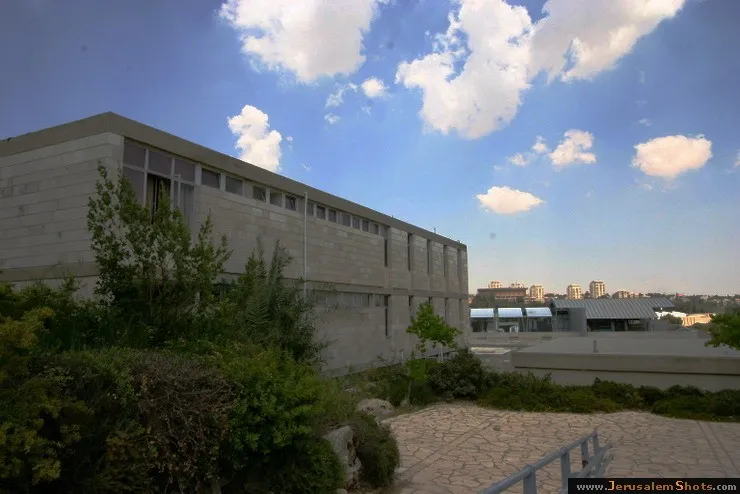
22 July 2009
The cornerstone for the university was laid in 1918, and, seven years later, on April 1, 1925, the Hebrew University campus on Mount Scopus of Jerusalem was opened at a gala ceremony attended by the leaders of the Jewish world, distinguished scholars and public figures, and British dignitaries, including Lord Arthur James Balfour, Viscount Allenby and Sir Herbert Samuel. The university´s first Chancellor was Judah Magnes.
The cornerstone for the university was laid in 1918, and, seven years later, on April 1, 1925, the Hebrew University campus on Mount Scopus of Jerusalem was opened at a gala ceremony attended by the leaders of the Jewish world, distinguished scholars and public figures, and British dignitaries, including Lord Arthur James Balfour, Viscount Allenby and Sir Herbert Samuel. The university´s first Chancellor was Judah Magnes.
Hebrew University, Givat Ram Campus
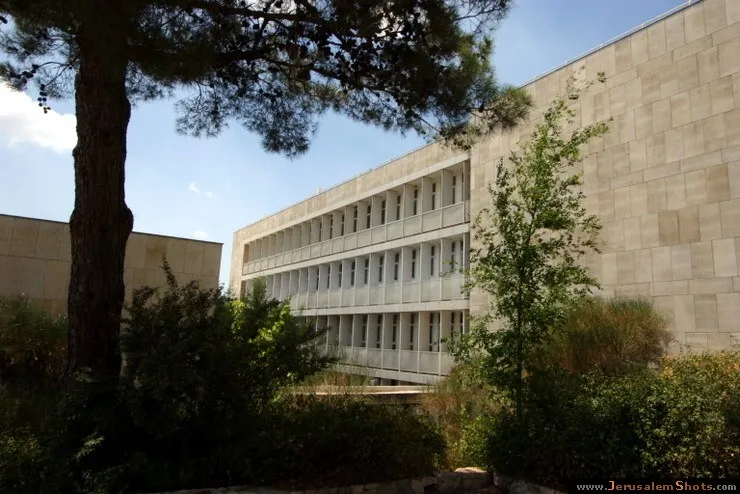
22 July 2009
The cornerstone for the university was laid in 1918, and, seven years later, on April 1, 1925, the Hebrew University campus on Mount Scopus of Jerusalem was opened at a gala ceremony attended by the leaders of the Jewish world, distinguished scholars and public figures, and British dignitaries, including Lord Arthur James Balfour, Viscount Allenby and Sir Herbert Samuel. The university´s first Chancellor was Judah Magnes.
The cornerstone for the university was laid in 1918, and, seven years later, on April 1, 1925, the Hebrew University campus on Mount Scopus of Jerusalem was opened at a gala ceremony attended by the leaders of the Jewish world, distinguished scholars and public figures, and British dignitaries, including Lord Arthur James Balfour, Viscount Allenby and Sir Herbert Samuel. The university´s first Chancellor was Judah Magnes.