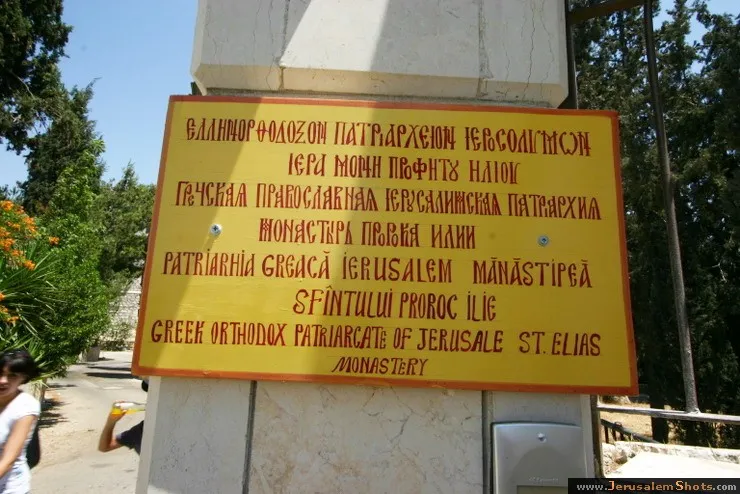
Gilo \ Mar Elias Monastery, Jerusalem

13.08.2009
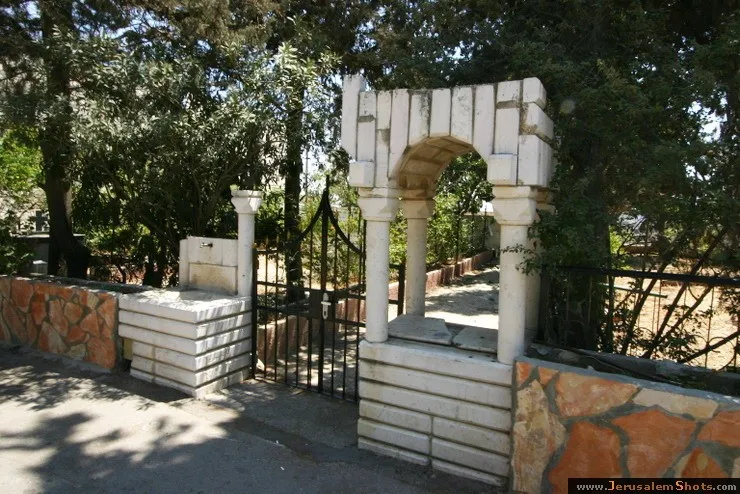
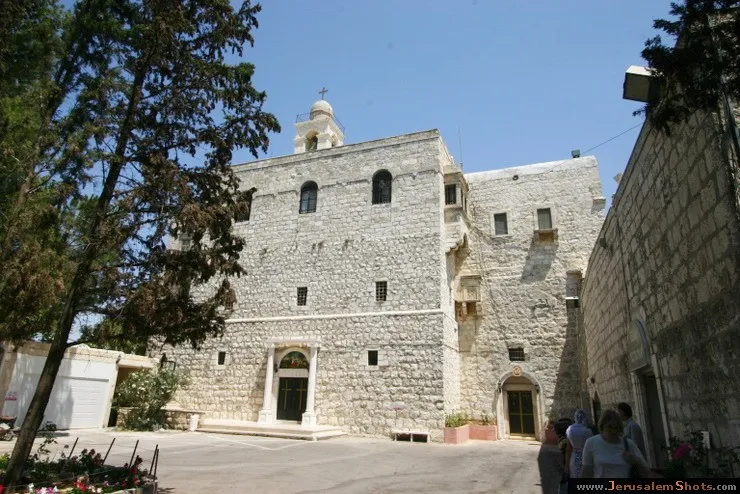
This Greek Orthodox Monastery stands like a fortress on a hill from which both Jerusalem and Bethlehem can be seen. Mar Elias Monastery is located 5 km to the north of Bethlehem on the way to Jerusalem, and was founded in the 6th century AD and rebuilt by the Emperor Manual Communes in 1160.
Legend has it that the building stands on the site where prophet Elijah (pbuh) rested on his flight from the Vengeance of Queen Jezebel, who was seeking vengeance after Elijah slaughtered the priests of Baal (1 Kings 19:15). Another tradition holds that Greek Bishop Elias of Bethlehem was buried here in 1345, and another holds that it places the sepulcher of St. Elias, an Egyptian monk who became Patriarch of Jerusalem in 494. Mar Elias is believed to answer the prayers of barren women and ailing children. From the monastery, Bethlehem can be seen to the south, Herodion to the southeast and sometimes the Dead Sea across the valley to the east.
This Greek Orthodox Monastery stands like a fortress on a hill from which both Jerusalem and Bethlehem can be seen. Mar Elias Monastery is located 5 km to the north of Bethlehem on the way to Jerusalem, and was founded in the 6th century AD and rebuilt by the Emperor Manual Communes in 1160.
Legend has it that the building stands on the site where prophet Elijah (pbuh) rested on his flight from the Vengeance of Queen Jezebel, who was seeking vengeance after Elijah slaughtered the priests of Baal (1 Kings 19:15). Another tradition holds that Greek Bishop Elias of Bethlehem was buried here in 1345, and another holds that it places the sepulcher of St. Elias, an Egyptian monk who became Patriarch of Jerusalem in 494. Mar Elias is believed to answer the prayers of barren women and ailing children. From the monastery, Bethlehem can be seen to the south, Herodion to the southeast and sometimes the Dead Sea across the valley to the east.


 © Valery Dembitsky
The Cardo

Two stylish young Israeli women walking down the Cardo.
 © Al Teich
Gilo \ Mar Elias Monastery, Jerusalem
13.08.2009
This Greek Orthodox Monastery stands like a fortress on a hill from which both Jerusalem and Bethlehem can be seen. Mar Elias Monastery is located 5 km to the north of Bethlehem on the way to Jerusalem, and was founded in the 6th century AD and rebuilt by the Emperor Manual Communes in 1160.
Legend has it that the building stands on the site where prophet Elijah (pbuh) rested on his flight from the Vengeance of Queen Jezebel, who was seeking vengeance after Elijah slaughtered the priests of Baal (1 Kings 19:15). Another tradition holds that Greek Bishop Elias of Bethlehem was buried here in 1345, and another holds that it places the sepulcher of St. Elias, an Egyptian monk who became Patriarch of Jerusalem in 494. Mar Elias is believed to answer the prayers of barren women and ailing children. From the monastery, Bethlehem can be seen to the south, Herodion to the southeast and sometimes the Dead Sea across the valley to the east.
This Greek Orthodox Monastery stands like a fortress on a hill from which both Jerusalem and Bethlehem can be seen. Mar Elias Monastery is located 5 km to the north of Bethlehem on the way to Jerusalem, and was founded in the 6th century AD and rebuilt by the Emperor Manual Communes in 1160.
Legend has it that the building stands on the site where prophet Elijah (pbuh) rested on his flight from the Vengeance of Queen Jezebel, who was seeking vengeance after Elijah slaughtered the priests of Baal (1 Kings 19:15). Another tradition holds that Greek Bishop Elias of Bethlehem was buried here in 1345, and another holds that it places the sepulcher of St. Elias, an Egyptian monk who became Patriarch of Jerusalem in 494. Mar Elias is believed to answer the prayers of barren women and ailing children. From the monastery, Bethlehem can be seen to the south, Herodion to the southeast and sometimes the Dead Sea across the valley to the east.
Gilo \ Mar Elias Monastery, Jerusalem
13.08.2009
This Greek Orthodox Monastery stands like a fortress on a hill from which both Jerusalem and Bethlehem can be seen. Mar Elias Monastery is located 5 km to the north of Bethlehem on the way to Jerusalem, and was founded in the 6th century AD and rebuilt by the Emperor Manual Communes in 1160.
Legend has it that the building stands on the site where prophet Elijah (pbuh) rested on his flight from the Vengeance of Queen Jezebel, who was seeking vengeance after Elijah slaughtered the priests of Baal (1 Kings 19:15). Another tradition holds that Greek Bishop Elias of Bethlehem was buried here in 1345, and another holds that it places the sepulcher of St. Elias, an Egyptian monk who became Patriarch of Jerusalem in 494. Mar Elias is believed to answer the prayers of barren women and ailing children. From the monastery, Bethlehem can be seen to the south, Herodion to the southeast and sometimes the Dead Sea across the valley to the east.
This Greek Orthodox Monastery stands like a fortress on a hill from which both Jerusalem and Bethlehem can be seen. Mar Elias Monastery is located 5 km to the north of Bethlehem on the way to Jerusalem, and was founded in the 6th century AD and rebuilt by the Emperor Manual Communes in 1160.
Legend has it that the building stands on the site where prophet Elijah (pbuh) rested on his flight from the Vengeance of Queen Jezebel, who was seeking vengeance after Elijah slaughtered the priests of Baal (1 Kings 19:15). Another tradition holds that Greek Bishop Elias of Bethlehem was buried here in 1345, and another holds that it places the sepulcher of St. Elias, an Egyptian monk who became Patriarch of Jerusalem in 494. Mar Elias is believed to answer the prayers of barren women and ailing children. From the monastery, Bethlehem can be seen to the south, Herodion to the southeast and sometimes the Dead Sea across the valley to the east.
Gilo \ Mar Elias Monastery, Jerusalem
13.08.2009
This Greek Orthodox Monastery stands like a fortress on a hill from which both Jerusalem and Bethlehem can be seen. Mar Elias Monastery is located 5 km to the north of Bethlehem on the way to Jerusalem, and was founded in the 6th century AD and rebuilt by the Emperor Manual Communes in 1160.
Legend has it that the building stands on the site where prophet Elijah (pbuh) rested on his flight from the Vengeance of Queen Jezebel, who was seeking vengeance after Elijah slaughtered the priests of Baal (1 Kings 19:15). Another tradition holds that Greek Bishop Elias of Bethlehem was buried here in 1345, and another holds that it places the sepulcher of St. Elias, an Egyptian monk who became Patriarch of Jerusalem in 494. Mar Elias is believed to answer the prayers of barren women and ailing children. From the monastery, Bethlehem can be seen to the south, Herodion to the southeast and sometimes the Dead Sea across the valley to the east.
This Greek Orthodox Monastery stands like a fortress on a hill from which both Jerusalem and Bethlehem can be seen. Mar Elias Monastery is located 5 km to the north of Bethlehem on the way to Jerusalem, and was founded in the 6th century AD and rebuilt by the Emperor Manual Communes in 1160.
Legend has it that the building stands on the site where prophet Elijah (pbuh) rested on his flight from the Vengeance of Queen Jezebel, who was seeking vengeance after Elijah slaughtered the priests of Baal (1 Kings 19:15). Another tradition holds that Greek Bishop Elias of Bethlehem was buried here in 1345, and another holds that it places the sepulcher of St. Elias, an Egyptian monk who became Patriarch of Jerusalem in 494. Mar Elias is believed to answer the prayers of barren women and ailing children. From the monastery, Bethlehem can be seen to the south, Herodion to the southeast and sometimes the Dead Sea across the valley to the east.
Gilo \ Mar Elias Monastery, Jerusalem

13.08.2009
This Greek Orthodox Monastery stands like a fortress on a hill from which both Jerusalem and Bethlehem can be seen. Mar Elias Monastery is located 5 km to the north of Bethlehem on the way to Jerusalem, and was founded in the 6th century AD and rebuilt by the Emperor Manual Communes in 1160.
Legend has it that the building stands on the site where prophet Elijah (pbuh) rested on his flight from the Vengeance of Queen Jezebel, who was seeking vengeance after Elijah slaughtered the priests of Baal (1 Kings 19:15). Another tradition holds that Greek Bishop Elias of Bethlehem was buried here in 1345, and another holds that it places the sepulcher of St. Elias, an Egyptian monk who became Patriarch of Jerusalem in 494. Mar Elias is believed to answer the prayers of barren women and ailing children. From the monastery, Bethlehem can be seen to the south, Herodion to the southeast and sometimes the Dead Sea across the valley to the east.
This Greek Orthodox Monastery stands like a fortress on a hill from which both Jerusalem and Bethlehem can be seen. Mar Elias Monastery is located 5 km to the north of Bethlehem on the way to Jerusalem, and was founded in the 6th century AD and rebuilt by the Emperor Manual Communes in 1160.
Legend has it that the building stands on the site where prophet Elijah (pbuh) rested on his flight from the Vengeance of Queen Jezebel, who was seeking vengeance after Elijah slaughtered the priests of Baal (1 Kings 19:15). Another tradition holds that Greek Bishop Elias of Bethlehem was buried here in 1345, and another holds that it places the sepulcher of St. Elias, an Egyptian monk who became Patriarch of Jerusalem in 494. Mar Elias is believed to answer the prayers of barren women and ailing children. From the monastery, Bethlehem can be seen to the south, Herodion to the southeast and sometimes the Dead Sea across the valley to the east.
Gilo \ Mar Elias Monastery, Jerusalem

13.08.2009
This Greek Orthodox Monastery stands like a fortress on a hill from which both Jerusalem and Bethlehem can be seen. Mar Elias Monastery is located 5 km to the north of Bethlehem on the way to Jerusalem, and was founded in the 6th century AD and rebuilt by the Emperor Manual Communes in 1160.
Legend has it that the building stands on the site where prophet Elijah (pbuh) rested on his flight from the Vengeance of Queen Jezebel, who was seeking vengeance after Elijah slaughtered the priests of Baal (1 Kings 19:15). Another tradition holds that Greek Bishop Elias of Bethlehem was buried here in 1345, and another holds that it places the sepulcher of St. Elias, an Egyptian monk who became Patriarch of Jerusalem in 494. Mar Elias is believed to answer the prayers of barren women and ailing children. From the monastery, Bethlehem can be seen to the south, Herodion to the southeast and sometimes the Dead Sea across the valley to the east.
This Greek Orthodox Monastery stands like a fortress on a hill from which both Jerusalem and Bethlehem can be seen. Mar Elias Monastery is located 5 km to the north of Bethlehem on the way to Jerusalem, and was founded in the 6th century AD and rebuilt by the Emperor Manual Communes in 1160.
Legend has it that the building stands on the site where prophet Elijah (pbuh) rested on his flight from the Vengeance of Queen Jezebel, who was seeking vengeance after Elijah slaughtered the priests of Baal (1 Kings 19:15). Another tradition holds that Greek Bishop Elias of Bethlehem was buried here in 1345, and another holds that it places the sepulcher of St. Elias, an Egyptian monk who became Patriarch of Jerusalem in 494. Mar Elias is believed to answer the prayers of barren women and ailing children. From the monastery, Bethlehem can be seen to the south, Herodion to the southeast and sometimes the Dead Sea across the valley to the east.
Women in the City
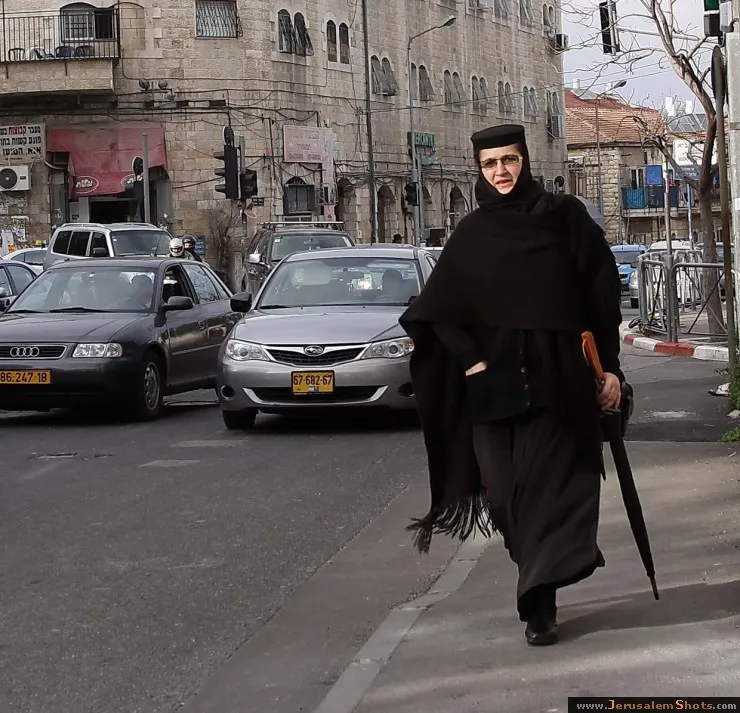
a pilgrim women outside the Holy Sepulcher
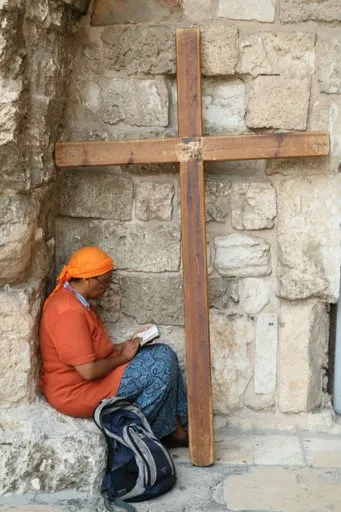
 © Isabel Rzeszewska
The Wailing Wall
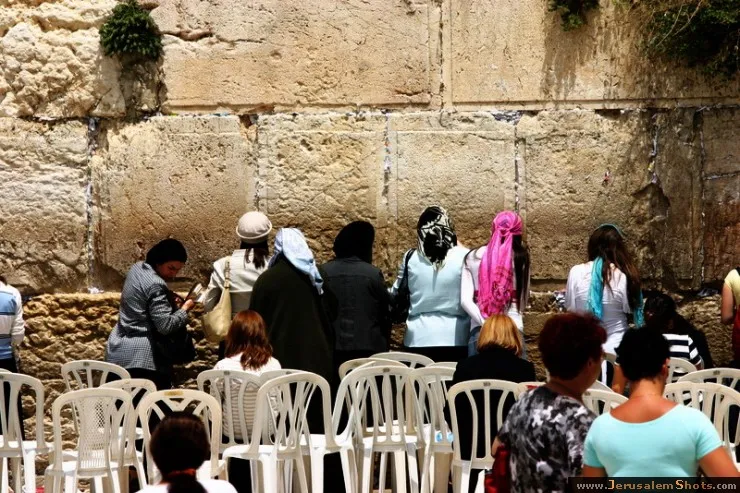
The Women Division (Right Part)
16.05.2008
The Western Wall sometimes referred to as the Wailing Wall or simply the Kotel (lit. Wall; Ashkenazic pronunciation: Kosel), and as al-Buraaq Wall by Muslims, is an important Jewish religious site located in the Old City of Jerusalem. Just over half the wall, including its 17 courses located below street level, dates from the end of the Second Temple period, being constructed around 19 BCE by Herod the Great.
16.05.2008
The Western Wall sometimes referred to as the Wailing Wall or simply the Kotel (lit. Wall; Ashkenazic pronunciation: Kosel), and as al-Buraaq Wall by Muslims, is an important Jewish religious site located in the Old City of Jerusalem. Just over half the wall, including its 17 courses located below street level, dates from the end of the Second Temple period, being constructed around 19 BCE by Herod the Great.
Young women in the Old City
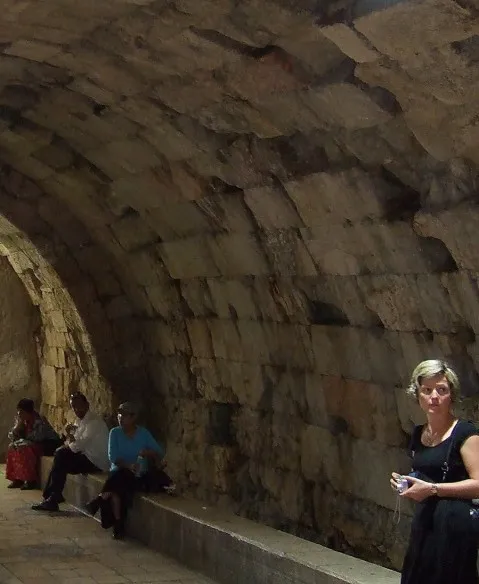
Here Jesus Meets the Holy Women of Jerusalem

 © RomKri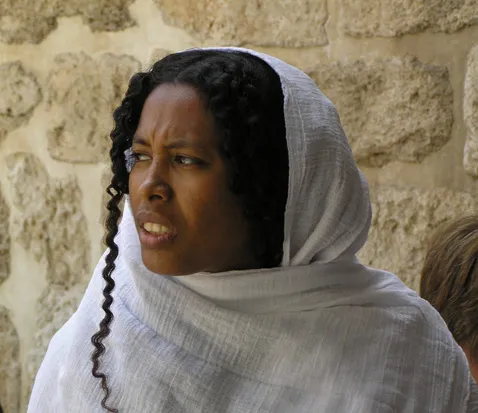
 © I.L.