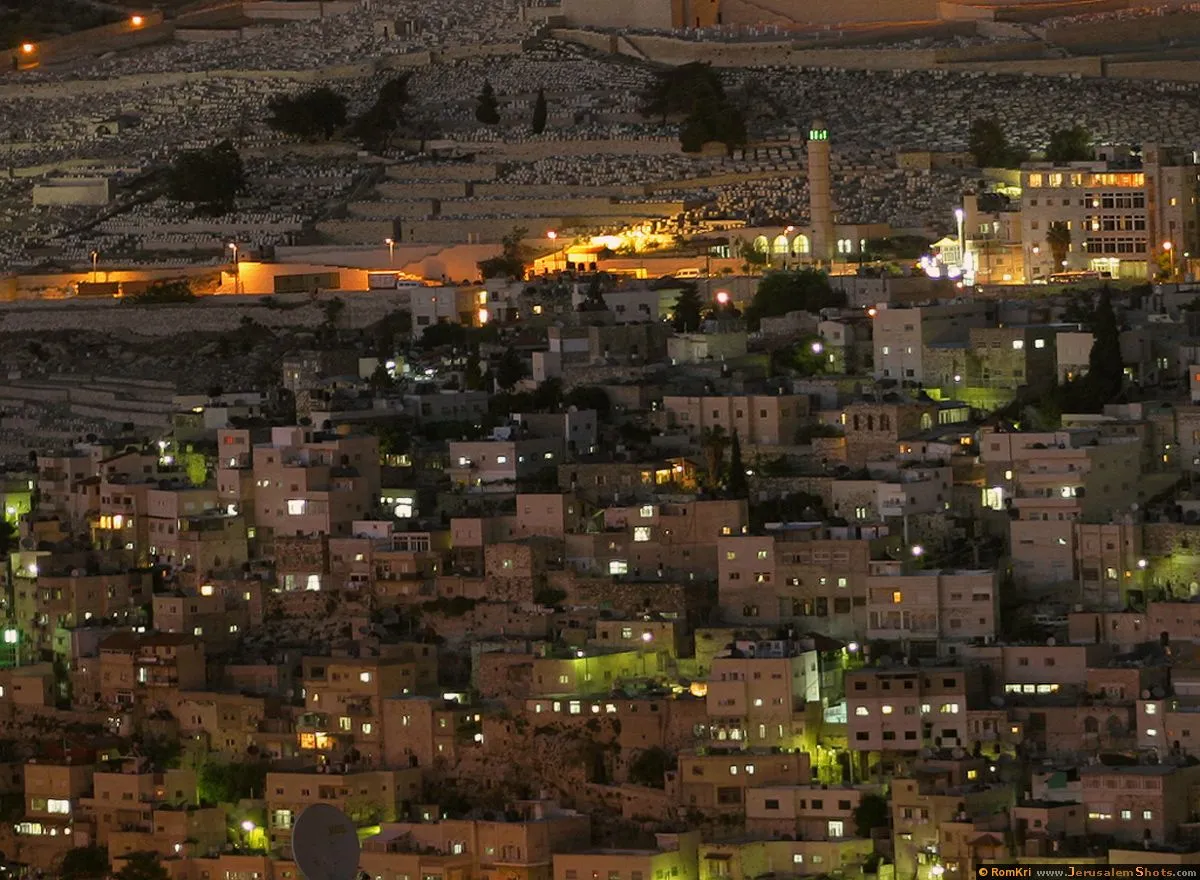
Night photos \ Mount of Olives
BURIED IN MONT OLIVE CEMETERY IN AUGUST 1974
SERVED AS CHIEF RABBI OF EGYPT FROM 1960 IN THE TIME OF 1967 SIX DAYS WAR ,WHERE MOST OF THE COMMUNITY MEMBERS WERE TAKING TO PRISON
HE LEFT EGYPT IN MARCH 1972 AFTER EVERY PRISONER WAS RELEASED AND LEFT EGYPT WITH THEIR FAMILIES
LEAVING BEHIND A COMMUNITY OF ABOUT 300 PERSONS
ESTIMATE NUMBER FROM 1948 100,000.00
SERVED AS CHIEF RABBI OF EGYPT FROM 1960 IN THE TIME OF 1967 SIX DAYS WAR ,WHERE MOST OF THE COMMUNITY MEMBERS WERE TAKING TO PRISON
HE LEFT EGYPT IN MARCH 1972 AFTER EVERY PRISONER WAS RELEASED AND LEFT EGYPT WITH THEIR FAMILIES
LEAVING BEHIND A COMMUNITY OF ABOUT 300 PERSONS
ESTIMATE NUMBER FROM 1948 100,000.00
 © RomKri
Hagia Maria Sion Abbey (The place where Mary

Chapel - Place where Christ said to Mary Magdalene "Touch me not" - Church of the Holy Sepulchre

Hagia Maria Sion Abbey (The place where Mary

Neve Yaakov
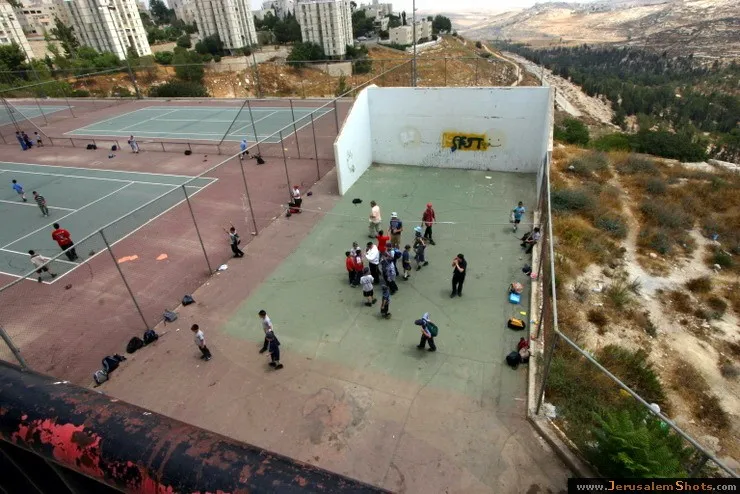
10.08.2009
Neve Yaakov also Neve Ya'aqov, is a neighbourhood at the northeastern tip of Jerusalem. It was initially founded in 1924, largely abandoned during the 1948 Arab-Israeli War and then rebuilt after the 1967 Six-Day War, where it today houses more than 30,000. Neve Yaakov is located north of Pisgat Ze'ev and south of al-Ram. Since it is located on territory annexed by Israel after the Six-Day War in 1967, it is considered an Israeli settlement by the UN although Israel, the United States and others dispute this.
Neve Yaakov also Neve Ya'aqov, is a neighbourhood at the northeastern tip of Jerusalem. It was initially founded in 1924, largely abandoned during the 1948 Arab-Israeli War and then rebuilt after the 1967 Six-Day War, where it today houses more than 30,000. Neve Yaakov is located north of Pisgat Ze'ev and south of al-Ram. Since it is located on territory annexed by Israel after the Six-Day War in 1967, it is considered an Israeli settlement by the UN although Israel, the United States and others dispute this.


 © Valery Dembitsky
Neve Yaakov
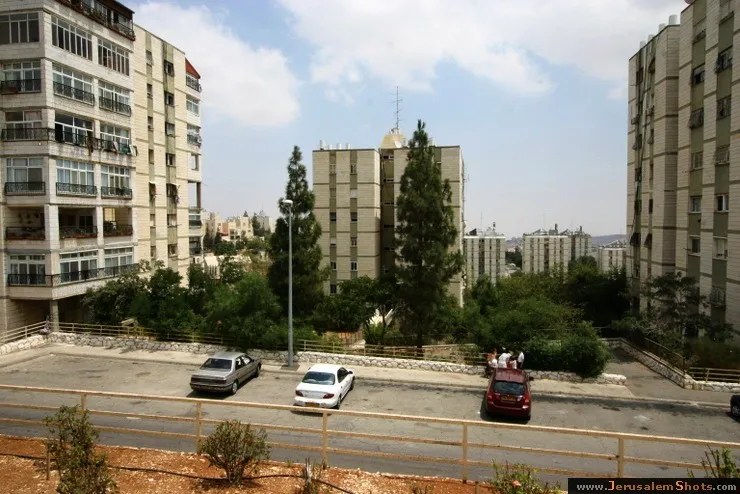
10.08.2009
Neve Yaakov also Neve Ya'aqov, is a neighbourhood at the northeastern tip of Jerusalem. It was initially founded in 1924, largely abandoned during the 1948 Arab-Israeli War and then rebuilt after the 1967 Six-Day War, where it today houses more than 30,000. Neve Yaakov is located north of Pisgat Ze'ev and south of al-Ram. Since it is located on territory annexed by Israel after the Six-Day War in 1967, it is considered an Israeli settlement by the UN although Israel, the United States and others dispute this.Neve Yaakov also Neve Ya'aqov, is a neighbourhood at the northeastern tip of Jerusalem. It was initially founded in 1924, largely abandoned during the 1948 Arab-Israeli War and then rebuilt after the 1967 Six-Day War, where it today houses more than 30,000. Neve Yaakov is located north of Pisgat Ze'ev and south of al-Ram. Since it is located on territory annexed by Israel after the Six-Day War in 1967, it is considered an Israeli settlement by the UN although Israel, the United States and others dispute this.Neve Yaakov also Neve Ya'aqov, is a neighbourhood at the northeastern tip of Jerusalem. It was initially founded in 1924, largely abandoned during the 1948 Arab-Israeli War and then rebuilt after the 1967 Six-Day War, where it today houses more than 30,000. Neve Yaakov is located north of Pisgat Ze'ev and south of al-Ram. Since it is located on territory annexed by Israel after the Six-Day War in 1967, it is considered an Israeli settlement by the UN although Israel, the United States and others dispute this.
Neve Yaakov also Neve Ya'aqov, is a neighbourhood at the northeastern tip of Jerusalem. It was initially founded in 1924, largely abandoned during the 1948 Arab-Israeli War and then rebuilt after the 1967 Six-Day War, where it today houses more than 30,000. Neve Yaakov is located north of Pisgat Ze'ev and south of al-Ram. Since it is located on territory annexed by Israel after the Six-Day War in 1967, it is considered an Israeli settlement by the UN although Israel, the United States and others dispute this.Neve Yaakov also Neve Ya'aqov, is a neighbourhood at the northeastern tip of Jerusalem. It was initially founded in 1924, largely abandoned during the 1948 Arab-Israeli War and then rebuilt after the 1967 Six-Day War, where it today houses more than 30,000. Neve Yaakov is located north of Pisgat Ze'ev and south of al-Ram. Since it is located on territory annexed by Israel after the Six-Day War in 1967, it is considered an Israeli settlement by the UN although Israel, the United States and others dispute this.Neve Yaakov also Neve Ya'aqov, is a neighbourhood at the northeastern tip of Jerusalem. It was initially founded in 1924, largely abandoned during the 1948 Arab-Israeli War and then rebuilt after the 1967 Six-Day War, where it today houses more than 30,000. Neve Yaakov is located north of Pisgat Ze'ev and south of al-Ram. Since it is located on territory annexed by Israel after the Six-Day War in 1967, it is considered an Israeli settlement by the UN although Israel, the United States and others dispute this.
Neve Yaakov
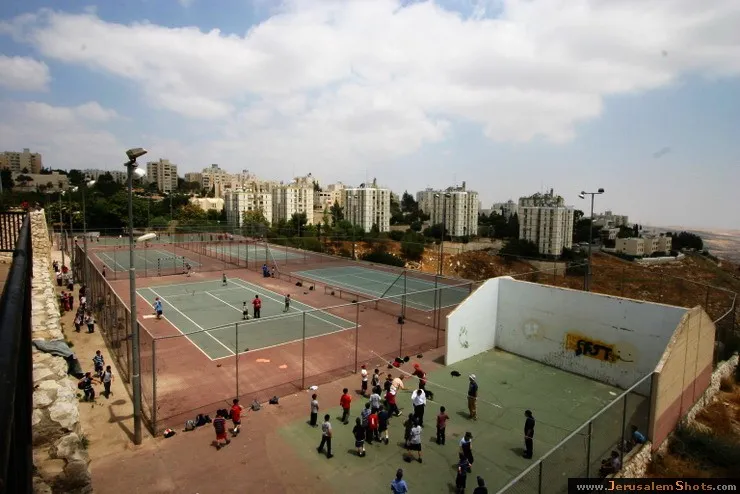
10.08.2009
Neve Yaakov also Neve Ya'aqov, is a neighbourhood at the northeastern tip of Jerusalem. It was initially founded in 1924, largely abandoned during the 1948 Arab-Israeli War and then rebuilt after the 1967 Six-Day War, where it today houses more than 30,000. Neve Yaakov is located north of Pisgat Ze'ev and south of al-Ram. Since it is located on territory annexed by Israel after the Six-Day War in 1967, it is considered an Israeli settlement by the UN although Israel, the United States and others dispute this.
Neve Yaakov also Neve Ya'aqov, is a neighbourhood at the northeastern tip of Jerusalem. It was initially founded in 1924, largely abandoned during the 1948 Arab-Israeli War and then rebuilt after the 1967 Six-Day War, where it today houses more than 30,000. Neve Yaakov is located north of Pisgat Ze'ev and south of al-Ram. Since it is located on territory annexed by Israel after the Six-Day War in 1967, it is considered an Israeli settlement by the UN although Israel, the United States and others dispute this.
Neve Yaakov

10.08.2009
Neve Yaakov also Neve Ya'aqov, is a neighbourhood at the northeastern tip of Jerusalem. It was initially founded in 1924, largely abandoned during the 1948 Arab-Israeli War and then rebuilt after the 1967 Six-Day War, where it today houses more than 30,000. Neve Yaakov is located north of Pisgat Ze'ev and south of al-Ram. Since it is located on territory annexed by Israel after the Six-Day War in 1967, it is considered an Israeli settlement by the UN although Israel, the United States and others dispute this.
Neve Yaakov also Neve Ya'aqov, is a neighbourhood at the northeastern tip of Jerusalem. It was initially founded in 1924, largely abandoned during the 1948 Arab-Israeli War and then rebuilt after the 1967 Six-Day War, where it today houses more than 30,000. Neve Yaakov is located north of Pisgat Ze'ev and south of al-Ram. Since it is located on territory annexed by Israel after the Six-Day War in 1967, it is considered an Israeli settlement by the UN although Israel, the United States and others dispute this.
Neve Yaakov

10.08.2009
Neve Yaakov also Neve Ya'aqov, is a neighbourhood at the northeastern tip of Jerusalem. It was initially founded in 1924, largely abandoned during the 1948 Arab-Israeli War and then rebuilt after the 1967 Six-Day War, where it today houses more than 30,000. Neve Yaakov is located north of Pisgat Ze'ev and south of al-Ram. Since it is located on territory annexed by Israel after the Six-Day War in 1967, it is considered an Israeli settlement by the UN although Israel, the United States and others dispute this.
Neve Yaakov also Neve Ya'aqov, is a neighbourhood at the northeastern tip of Jerusalem. It was initially founded in 1924, largely abandoned during the 1948 Arab-Israeli War and then rebuilt after the 1967 Six-Day War, where it today houses more than 30,000. Neve Yaakov is located north of Pisgat Ze'ev and south of al-Ram. Since it is located on territory annexed by Israel after the Six-Day War in 1967, it is considered an Israeli settlement by the UN although Israel, the United States and others dispute this.
Neve Yaakov

10.08.2009
Neve Yaakov also Neve Ya'aqov, is a neighbourhood at the northeastern tip of Jerusalem. It was initially founded in 1924, largely abandoned during the 1948 Arab-Israeli War and then rebuilt after the 1967 Six-Day War, where it today houses more than 30,000. Neve Yaakov is located north of Pisgat Ze'ev and south of al-Ram. Since it is located on territory annexed by Israel after the Six-Day War in 1967, it is considered an Israeli settlement by the UN although Israel, the United States and others dispute this.Neve Yaakov also Neve Ya'aqov, is a neighbourhood at the northeastern tip of Jerusalem. It was initially founded in 1924, largely abandoned during the 1948 Arab-Israeli War and then rebuilt after the 1967 Six-Day War, where it today houses more than 30,000. Neve Yaakov is located north of Pisgat Ze'ev and south of al-Ram. Since it is located on territory annexed by Israel after the Six-Day War in 1967, it is considered an Israeli settlement by the UN although Israel, the United States and others dispute this.Neve Yaakov also Neve Ya'aqov, is a neighbourhood at the northeastern tip of Jerusalem. It was initially founded in 1924, largely abandoned during the 1948 Arab-Israeli War and then rebuilt after the 1967 Six-Day War, where it today houses more than 30,000. Neve Yaakov is located north of Pisgat Ze'ev and south of al-Ram. Since it is located on territory annexed by Israel after the Six-Day War in 1967, it is considered an Israeli settlement by the UN although Israel, the United States and others dispute this.
Neve Yaakov also Neve Ya'aqov, is a neighbourhood at the northeastern tip of Jerusalem. It was initially founded in 1924, largely abandoned during the 1948 Arab-Israeli War and then rebuilt after the 1967 Six-Day War, where it today houses more than 30,000. Neve Yaakov is located north of Pisgat Ze'ev and south of al-Ram. Since it is located on territory annexed by Israel after the Six-Day War in 1967, it is considered an Israeli settlement by the UN although Israel, the United States and others dispute this.Neve Yaakov also Neve Ya'aqov, is a neighbourhood at the northeastern tip of Jerusalem. It was initially founded in 1924, largely abandoned during the 1948 Arab-Israeli War and then rebuilt after the 1967 Six-Day War, where it today houses more than 30,000. Neve Yaakov is located north of Pisgat Ze'ev and south of al-Ram. Since it is located on territory annexed by Israel after the Six-Day War in 1967, it is considered an Israeli settlement by the UN although Israel, the United States and others dispute this.Neve Yaakov also Neve Ya'aqov, is a neighbourhood at the northeastern tip of Jerusalem. It was initially founded in 1924, largely abandoned during the 1948 Arab-Israeli War and then rebuilt after the 1967 Six-Day War, where it today houses more than 30,000. Neve Yaakov is located north of Pisgat Ze'ev and south of al-Ram. Since it is located on territory annexed by Israel after the Six-Day War in 1967, it is considered an Israeli settlement by the UN although Israel, the United States and others dispute this.
Gehenna
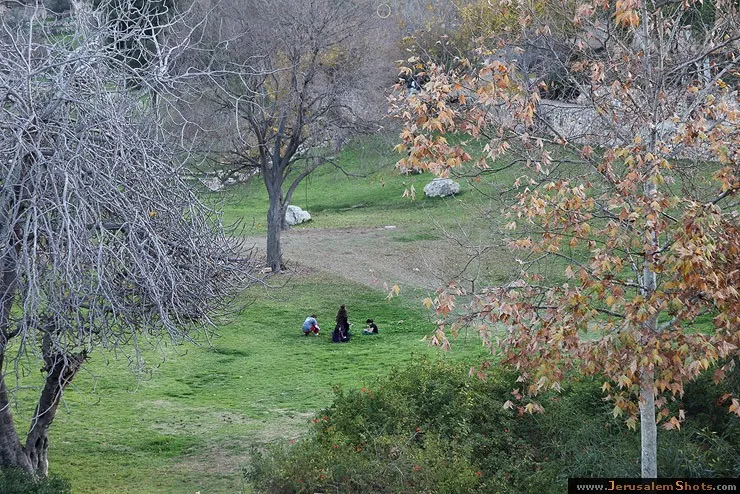
Gehenna, gehinnam, or gehinnom (Hebrew: גהנום, גהנם, Greek γεεννα) are words used in Jewish and Christian writings for the place where evil people go in the afterlife (see Hell). The name is derived from a geographical site in Jerusalem known as the Valley of Hinnom, one of the two principal valleys surrounding the Old City. Initially the site where idolatrous Jews sacrificed their children to the god Molech (2 Chr. 28:3, 33:6; Jer. 7:31, 19:2-6), the valley later became the common wasteyard for all the refuse of Jerusalem. Here the dead bodies of animals and of criminals, and rubbish, were cast and, according to legend, consumed by a constant fire. In time it became the image of the place of everlasting destruction in Jewish tradition[1]. However, Jewish tradition suggests the valley had a 'gate' which led down to a molten lake of fire. (Possibly 'The furnace of Yahweh' in Zion to which Isaiah refers 31:9, 30:33). It is unknown whether this 'gate' was an actual geophysical feature within the valley that provided the focus for cultic activity (2 Kings 23:10) or simply a metaphorical identification with the entrance to the underworld that had come to be associated with the valley.
Gehenna is cited in the New Testament and in early Christian writing to represent the final place where the wicked will be punished or destroyed after resurrection. In both Rabbinical Jewish and Christian writing, Gehenna as a destination of the wicked is different from Sheol or Hades, the abode of the dead.
Taken from wikipedia.org
Gehenna is cited in the New Testament and in early Christian writing to represent the final place where the wicked will be punished or destroyed after resurrection. In both Rabbinical Jewish and Christian writing, Gehenna as a destination of the wicked is different from Sheol or Hades, the abode of the dead.
Taken from wikipedia.org
Gehenna
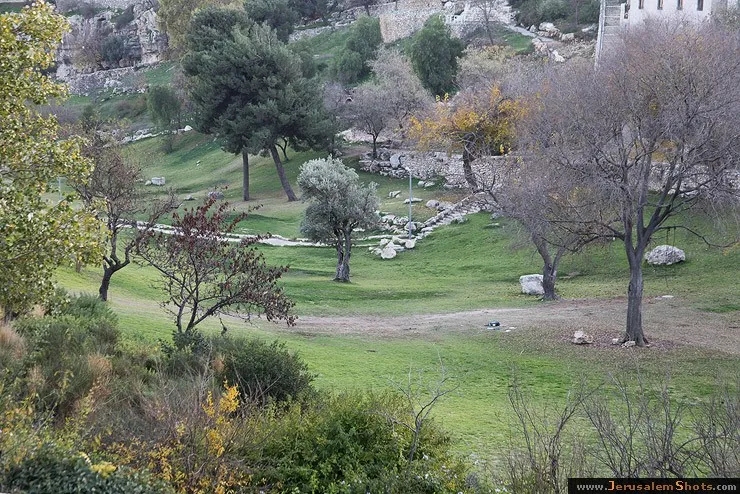
Gehenna, gehinnam, or gehinnom (Hebrew: גהנום, גהנם, Greek γεεννα) are words used in Jewish and Christian writings for the place where evil people go in the afterlife (see Hell). The name is derived from a geographical site in Jerusalem known as the Valley of Hinnom, one of the two principal valleys surrounding the Old City. Initially the site where idolatrous Jews sacrificed their children to the god Molech (2 Chr. 28:3, 33:6; Jer. 7:31, 19:2-6), the valley later became the common wasteyard for all the refuse of Jerusalem. Here the dead bodies of animals and of criminals, and rubbish, were cast and, according to legend, consumed by a constant fire. In time it became the image of the place of everlasting destruction in Jewish tradition[1]. However, Jewish tradition suggests the valley had a 'gate' which led down to a molten lake of fire. (Possibly 'The furnace of Yahweh' in Zion to which Isaiah refers 31:9, 30:33). It is unknown whether this 'gate' was an actual geophysical feature within the valley that provided the focus for cultic activity (2 Kings 23:10) or simply a metaphorical identification with the entrance to the underworld that had come to be associated with the valley.
Gehenna is cited in the New Testament and in early Christian writing to represent the final place where the wicked will be punished or destroyed after resurrection. In both Rabbinical Jewish and Christian writing, Gehenna as a destination of the wicked is different from Sheol or Hades, the abode of the dead.
Taken from wikipedia.org
Gehenna is cited in the New Testament and in early Christian writing to represent the final place where the wicked will be punished or destroyed after resurrection. In both Rabbinical Jewish and Christian writing, Gehenna as a destination of the wicked is different from Sheol or Hades, the abode of the dead.
Taken from wikipedia.org
Chapel - Place where Christ said to Mary Magdalene "Touch me not" - Church of the Holy Sepulchre

Nebi Samwil (The Prophet Samuel)
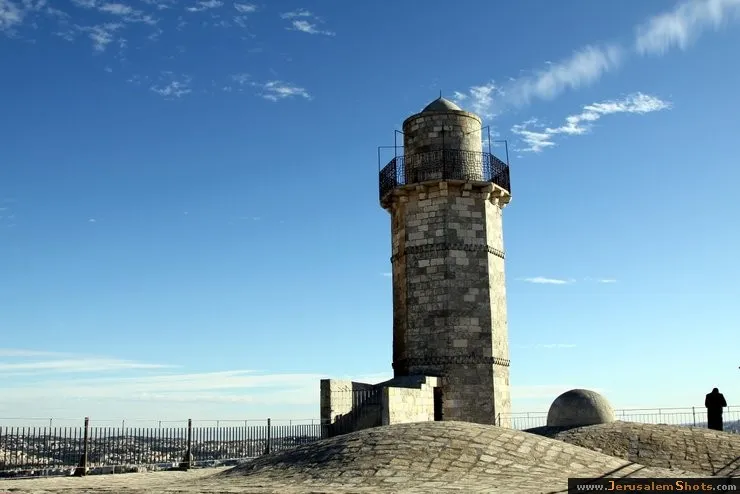
The Tomb of Samuel, (Arabic: نبي صموئيل, translit. Nebi Samwil Hebrew: קבר שמואל, translit. Kever Shmuel;), is the traditional burial site of the biblical Hebrew prophet Samuel, atop a steep hill at an elevation of 908 meters above sea level. It is situated to the north of the Jerusalem neighborhood of Ramot. On the site is a building containing a mosque built in the 18th century that was formerly a church. The tomb itself is located in an underground chamber where a small synagogue is located.
Gehenna
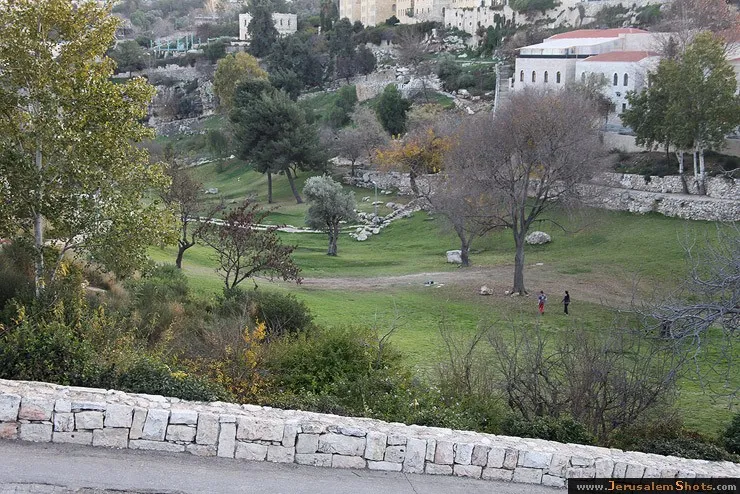
Gehenna, gehinnam, or gehinnom (Hebrew: גהנום, גהנם, Greek γεεννα) are words used in Jewish and Christian writings for the place where evil people go in the afterlife (see Hell). The name is derived from a geographical site in Jerusalem known as the Valley of Hinnom, one of the two principal valleys surrounding the Old City. Initially the site where idolatrous Jews sacrificed their children to the god Molech (2 Chr. 28:3, 33:6; Jer. 7:31, 19:2-6), the valley later became the common wasteyard for all the refuse of Jerusalem. Here the dead bodies of animals and of criminals, and rubbish, were cast and, according to legend, consumed by a constant fire. In time it became the image of the place of everlasting destruction in Jewish tradition[1]. However, Jewish tradition suggests the valley had a 'gate' which led down to a molten lake of fire. (Possibly 'The furnace of Yahweh' in Zion to which Isaiah refers 31:9, 30:33). It is unknown whether this 'gate' was an actual geophysical feature within the valley that provided the focus for cultic activity (2 Kings 23:10) or simply a metaphorical identification with the entrance to the underworld that had come to be associated with the valley.
Gehenna is cited in the New Testament and in early Christian writing to represent the final place where the wicked will be punished or destroyed after resurrection. In both Rabbinical Jewish and Christian writing, Gehenna as a destination of the wicked is different from Sheol or Hades, the abode of the dead.
Taken from wikipedia.org
Gehenna is cited in the New Testament and in early Christian writing to represent the final place where the wicked will be punished or destroyed after resurrection. In both Rabbinical Jewish and Christian writing, Gehenna as a destination of the wicked is different from Sheol or Hades, the abode of the dead.
Taken from wikipedia.org
Neve Yaakov
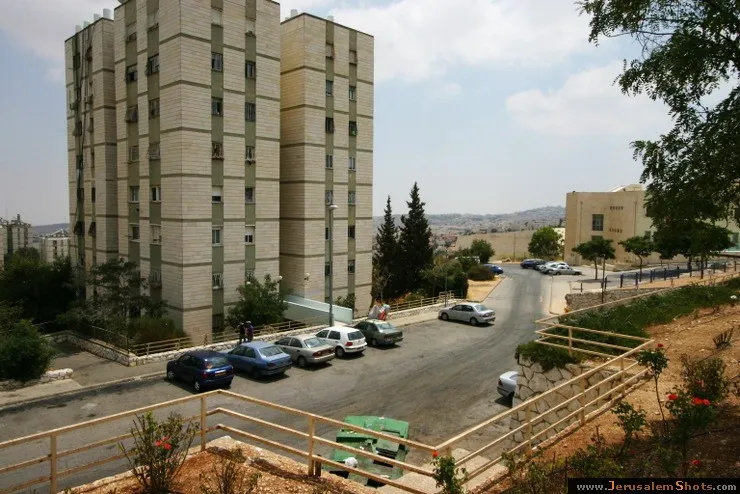
10.08.2009
Neve Yaakov also Neve Ya'aqov, is a neighbourhood at the northeastern tip of Jerusalem. It was initially founded in 1924, largely abandoned during the 1948 Arab-Israeli War and then rebuilt after the 1967 Six-Day War, where it today houses more than 30,000. Neve Yaakov is located north of Pisgat Ze'ev and south of al-Ram. Since it is located on territory annexed by Israel after the Six-Day War in 1967, it is considered an Israeli settlement by the UN although Israel, the United States and others dispute this.Neve Yaakov also Neve Ya'aqov, is a neighbourhood at the northeastern tip of Jerusalem. It was initially founded in 1924, largely abandoned during the 1948 Arab-Israeli War and then rebuilt after the 1967 Six-Day War, where it today houses more than 30,000. Neve Yaakov is located north of Pisgat Ze'ev and south of al-Ram. Since it is located on territory annexed by Israel after the Six-Day War in 1967, it is considered an Israeli settlement by the UN although Israel, the United States and others dispute this.Neve Yaakov also Neve Ya'aqov, is a neighbourhood at the northeastern tip of Jerusalem. It was initially founded in 1924, largely abandoned during the 1948 Arab-Israeli War and then rebuilt after the 1967 Six-Day War, where it today houses more than 30,000. Neve Yaakov is located north of Pisgat Ze'ev and south of al-Ram. Since it is located on territory annexed by Israel after the Six-Day War in 1967, it is considered an Israeli settlement by the UN although Israel, the United States and others dispute this.
Neve Yaakov also Neve Ya'aqov, is a neighbourhood at the northeastern tip of Jerusalem. It was initially founded in 1924, largely abandoned during the 1948 Arab-Israeli War and then rebuilt after the 1967 Six-Day War, where it today houses more than 30,000. Neve Yaakov is located north of Pisgat Ze'ev and south of al-Ram. Since it is located on territory annexed by Israel after the Six-Day War in 1967, it is considered an Israeli settlement by the UN although Israel, the United States and others dispute this.Neve Yaakov also Neve Ya'aqov, is a neighbourhood at the northeastern tip of Jerusalem. It was initially founded in 1924, largely abandoned during the 1948 Arab-Israeli War and then rebuilt after the 1967 Six-Day War, where it today houses more than 30,000. Neve Yaakov is located north of Pisgat Ze'ev and south of al-Ram. Since it is located on territory annexed by Israel after the Six-Day War in 1967, it is considered an Israeli settlement by the UN although Israel, the United States and others dispute this.Neve Yaakov also Neve Ya'aqov, is a neighbourhood at the northeastern tip of Jerusalem. It was initially founded in 1924, largely abandoned during the 1948 Arab-Israeli War and then rebuilt after the 1967 Six-Day War, where it today houses more than 30,000. Neve Yaakov is located north of Pisgat Ze'ev and south of al-Ram. Since it is located on territory annexed by Israel after the Six-Day War in 1967, it is considered an Israeli settlement by the UN although Israel, the United States and others dispute this.
Neve Yaakov
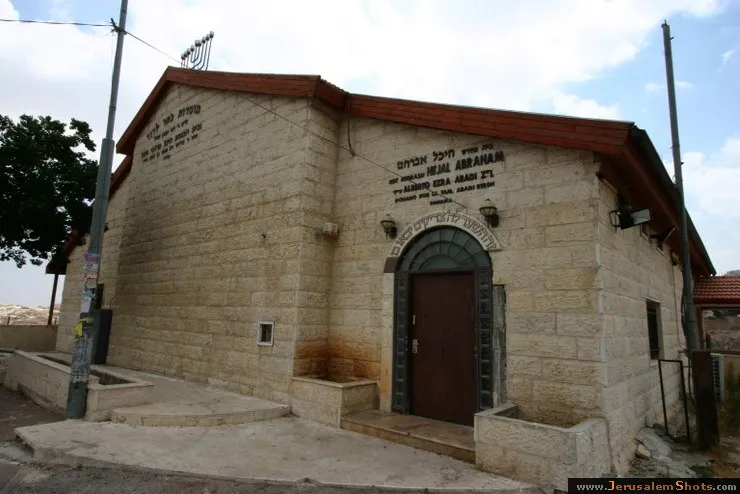
10.08.2009
Neve Yaakov also Neve Ya'aqov, is a neighbourhood at the northeastern tip of Jerusalem. It was initially founded in 1924, largely abandoned during the 1948 Arab-Israeli War and then rebuilt after the 1967 Six-Day War, where it today houses more than 30,000. Neve Yaakov is located north of Pisgat Ze'ev and south of al-Ram. Since it is located on territory annexed by Israel after the Six-Day War in 1967, it is considered an Israeli settlement by the UN although Israel, the United States and others dispute this.Neve Yaakov also Neve Ya'aqov, is a neighbourhood at the northeastern tip of Jerusalem. It was initially founded in 1924, largely abandoned during the 1948 Arab-Israeli War and then rebuilt after the 1967 Six-Day War, where it today houses more than 30,000. Neve Yaakov is located north of Pisgat Ze'ev and south of al-Ram. Since it is located on territory annexed by Israel after the Six-Day War in 1967, it is considered an Israeli settlement by the UN although Israel, the United States and others dispute this.Neve Yaakov also Neve Ya'aqov, is a neighbourhood at the northeastern tip of Jerusalem. It was initially founded in 1924, largely abandoned during the 1948 Arab-Israeli War and then rebuilt after the 1967 Six-Day War, where it today houses more than 30,000. Neve Yaakov is located north of Pisgat Ze'ev and south of al-Ram. Since it is located on territory annexed by Israel after the Six-Day War in 1967, it is considered an Israeli settlement by the UN although Israel, the United States and others dispute this.
Neve Yaakov also Neve Ya'aqov, is a neighbourhood at the northeastern tip of Jerusalem. It was initially founded in 1924, largely abandoned during the 1948 Arab-Israeli War and then rebuilt after the 1967 Six-Day War, where it today houses more than 30,000. Neve Yaakov is located north of Pisgat Ze'ev and south of al-Ram. Since it is located on territory annexed by Israel after the Six-Day War in 1967, it is considered an Israeli settlement by the UN although Israel, the United States and others dispute this.Neve Yaakov also Neve Ya'aqov, is a neighbourhood at the northeastern tip of Jerusalem. It was initially founded in 1924, largely abandoned during the 1948 Arab-Israeli War and then rebuilt after the 1967 Six-Day War, where it today houses more than 30,000. Neve Yaakov is located north of Pisgat Ze'ev and south of al-Ram. Since it is located on territory annexed by Israel after the Six-Day War in 1967, it is considered an Israeli settlement by the UN although Israel, the United States and others dispute this.Neve Yaakov also Neve Ya'aqov, is a neighbourhood at the northeastern tip of Jerusalem. It was initially founded in 1924, largely abandoned during the 1948 Arab-Israeli War and then rebuilt after the 1967 Six-Day War, where it today houses more than 30,000. Neve Yaakov is located north of Pisgat Ze'ev and south of al-Ram. Since it is located on territory annexed by Israel after the Six-Day War in 1967, it is considered an Israeli settlement by the UN although Israel, the United States and others dispute this.
The Ancient Synagogue
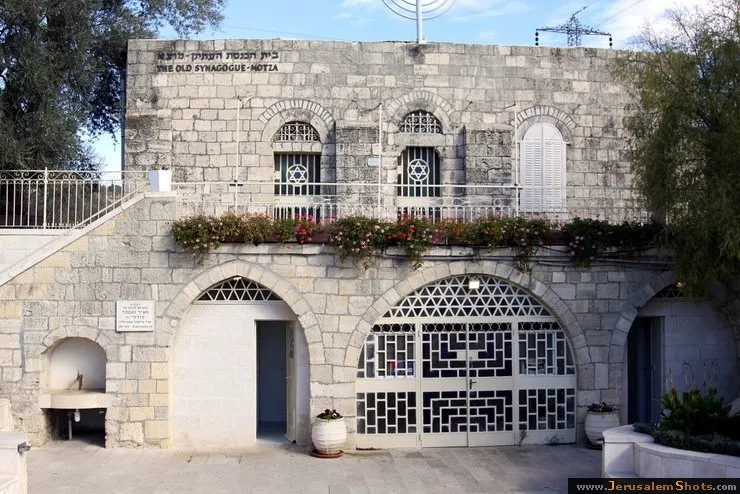
Motza is first mentioned in the Talmud (Tractate Succah) as the place where residents of Jerusalem used to cut their willow branches as one of the four species of fruits and plants required for the Festival of Sukkot.
Motza was rediscovered in 1860, when Shlomo Yecheskel and Yehoshua Yellin, residents of the Old City of Jerusalem, jointly acquired a plot of land in order to initiate and develop agriculture outside the walls of the Old City. Vineyards and trees were planted while using the local spring and well.
Motza was rediscovered in 1860, when Shlomo Yecheskel and Yehoshua Yellin, residents of the Old City of Jerusalem, jointly acquired a plot of land in order to initiate and develop agriculture outside the walls of the Old City. Vineyards and trees were planted while using the local spring and well.
Neve Yaakov
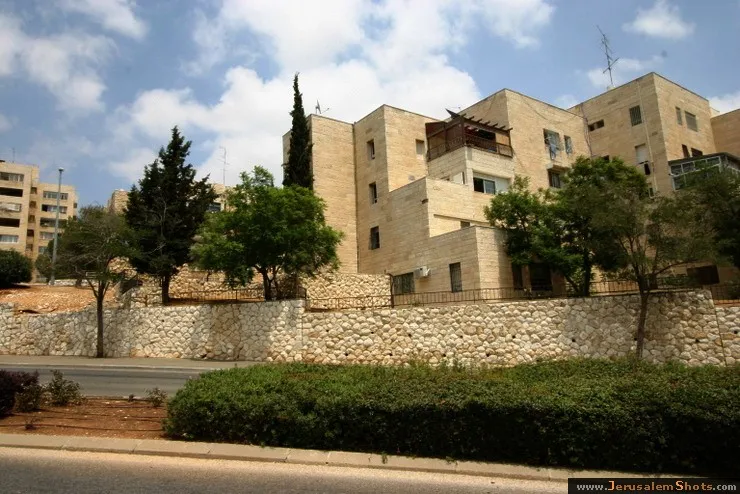
10.08.2009
Neve Yaakov also Neve Ya'aqov, is a neighbourhood at the northeastern tip of Jerusalem. It was initially founded in 1924, largely abandoned during the 1948 Arab-Israeli War and then rebuilt after the 1967 Six-Day War, where it today houses more than 30,000. Neve Yaakov is located north of Pisgat Ze'ev and south of al-Ram. Since it is located on territory annexed by Israel after the Six-Day War in 1967, it is considered an Israeli settlement by the UN although Israel, the United States and others dispute this.Neve Yaakov also Neve Ya'aqov, is a neighbourhood at the northeastern tip of Jerusalem. It was initially founded in 1924, largely abandoned during the 1948 Arab-Israeli War and then rebuilt after the 1967 Six-Day War, where it today houses more than 30,000. Neve Yaakov is located north of Pisgat Ze'ev and south of al-Ram. Since it is located on territory annexed by Israel after the Six-Day War in 1967, it is considered an Israeli settlement by the UN although Israel, the United States and others dispute this.Neve Yaakov also Neve Ya'aqov, is a neighbourhood at the northeastern tip of Jerusalem. It was initially founded in 1924, largely abandoned during the 1948 Arab-Israeli War and then rebuilt after the 1967 Six-Day War, where it today houses more than 30,000. Neve Yaakov is located north of Pisgat Ze'ev and south of al-Ram. Since it is located on territory annexed by Israel after the Six-Day War in 1967, it is considered an Israeli settlement by the UN although Israel, the United States and others dispute this.
Neve Yaakov also Neve Ya'aqov, is a neighbourhood at the northeastern tip of Jerusalem. It was initially founded in 1924, largely abandoned during the 1948 Arab-Israeli War and then rebuilt after the 1967 Six-Day War, where it today houses more than 30,000. Neve Yaakov is located north of Pisgat Ze'ev and south of al-Ram. Since it is located on territory annexed by Israel after the Six-Day War in 1967, it is considered an Israeli settlement by the UN although Israel, the United States and others dispute this.Neve Yaakov also Neve Ya'aqov, is a neighbourhood at the northeastern tip of Jerusalem. It was initially founded in 1924, largely abandoned during the 1948 Arab-Israeli War and then rebuilt after the 1967 Six-Day War, where it today houses more than 30,000. Neve Yaakov is located north of Pisgat Ze'ev and south of al-Ram. Since it is located on territory annexed by Israel after the Six-Day War in 1967, it is considered an Israeli settlement by the UN although Israel, the United States and others dispute this.Neve Yaakov also Neve Ya'aqov, is a neighbourhood at the northeastern tip of Jerusalem. It was initially founded in 1924, largely abandoned during the 1948 Arab-Israeli War and then rebuilt after the 1967 Six-Day War, where it today houses more than 30,000. Neve Yaakov is located north of Pisgat Ze'ev and south of al-Ram. Since it is located on territory annexed by Israel after the Six-Day War in 1967, it is considered an Israeli settlement by the UN although Israel, the United States and others dispute this.
Where Marys´ Stood - Church of Holy Sepulcher

Har HaHoma, Jerusalem
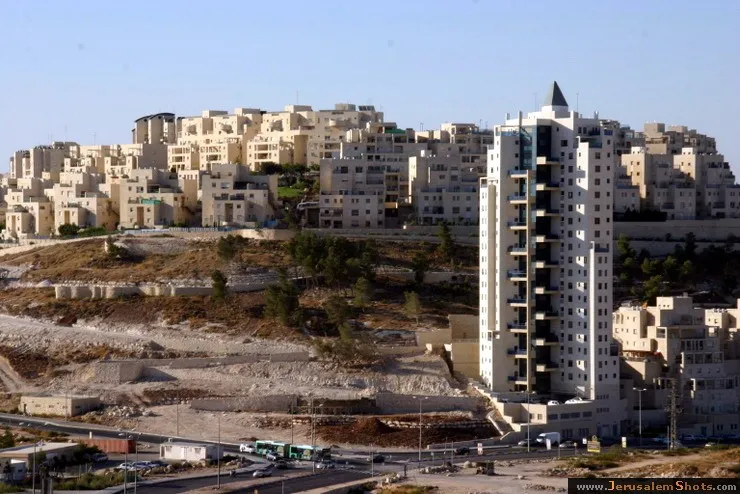
05.08.2009
The "atrocity" of Har HaHoma, a neighborhood in Jerusalem where Israel decided to build housing.
The "atrocity" of Har HaHoma, a neighborhood in Jerusalem where Israel decided to build housing.
Neve Yaakov
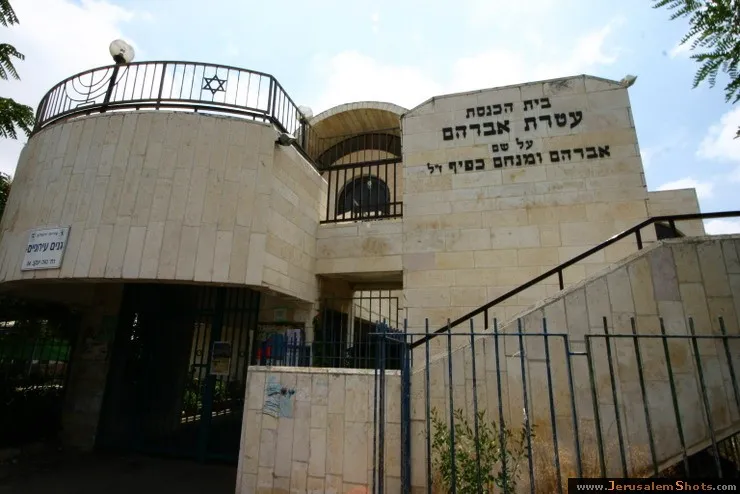
10.08.2009
Neve Yaakov also Neve Ya'aqov, is a neighbourhood at the northeastern tip of Jerusalem. It was initially founded in 1924, largely abandoned during the 1948 Arab-Israeli War and then rebuilt after the 1967 Six-Day War, where it today houses more than 30,000. Neve Yaakov is located north of Pisgat Ze'ev and south of al-Ram. Since it is located on territory annexed by Israel after the Six-Day War in 1967, it is considered an Israeli settlement by the UN although Israel, the United States and others dispute this.
Neve Yaakov also Neve Ya'aqov, is a neighbourhood at the northeastern tip of Jerusalem. It was initially founded in 1924, largely abandoned during the 1948 Arab-Israeli War and then rebuilt after the 1967 Six-Day War, where it today houses more than 30,000. Neve Yaakov is located north of Pisgat Ze'ev and south of al-Ram. Since it is located on territory annexed by Israel after the Six-Day War in 1967, it is considered an Israeli settlement by the UN although Israel, the United States and others dispute this.
Neve Yaakov

10.08.2009
Neve Yaakov also Neve Ya'aqov, is a neighbourhood at the northeastern tip of Jerusalem. It was initially founded in 1924, largely abandoned during the 1948 Arab-Israeli War and then rebuilt after the 1967 Six-Day War, where it today houses more than 30,000. Neve Yaakov is located north of Pisgat Ze'ev and south of al-Ram. Since it is located on territory annexed by Israel after the Six-Day War in 1967, it is considered an Israeli settlement by the UN although Israel, the United States and others dispute this.Neve Yaakov also Neve Ya'aqov, is a neighbourhood at the northeastern tip of Jerusalem. It was initially founded in 1924, largely abandoned during the 1948 Arab-Israeli War and then rebuilt after the 1967 Six-Day War, where it today houses more than 30,000. Neve Yaakov is located north of Pisgat Ze'ev and south of al-Ram. Since it is located on territory annexed by Israel after the Six-Day War in 1967, it is considered an Israeli settlement by the UN although Israel, the United States and others dispute this.Neve Yaakov also Neve Ya'aqov, is a neighbourhood at the northeastern tip of Jerusalem. It was initially founded in 1924, largely abandoned during the 1948 Arab-Israeli War and then rebuilt after the 1967 Six-Day War, where it today houses more than 30,000. Neve Yaakov is located north of Pisgat Ze'ev and south of al-Ram. Since it is located on territory annexed by Israel after the Six-Day War in 1967, it is considered an Israeli settlement by the UN although Israel, the United States and others dispute this.
Neve Yaakov also Neve Ya'aqov, is a neighbourhood at the northeastern tip of Jerusalem. It was initially founded in 1924, largely abandoned during the 1948 Arab-Israeli War and then rebuilt after the 1967 Six-Day War, where it today houses more than 30,000. Neve Yaakov is located north of Pisgat Ze'ev and south of al-Ram. Since it is located on territory annexed by Israel after the Six-Day War in 1967, it is considered an Israeli settlement by the UN although Israel, the United States and others dispute this.Neve Yaakov also Neve Ya'aqov, is a neighbourhood at the northeastern tip of Jerusalem. It was initially founded in 1924, largely abandoned during the 1948 Arab-Israeli War and then rebuilt after the 1967 Six-Day War, where it today houses more than 30,000. Neve Yaakov is located north of Pisgat Ze'ev and south of al-Ram. Since it is located on territory annexed by Israel after the Six-Day War in 1967, it is considered an Israeli settlement by the UN although Israel, the United States and others dispute this.Neve Yaakov also Neve Ya'aqov, is a neighbourhood at the northeastern tip of Jerusalem. It was initially founded in 1924, largely abandoned during the 1948 Arab-Israeli War and then rebuilt after the 1967 Six-Day War, where it today houses more than 30,000. Neve Yaakov is located north of Pisgat Ze'ev and south of al-Ram. Since it is located on territory annexed by Israel after the Six-Day War in 1967, it is considered an Israeli settlement by the UN although Israel, the United States and others dispute this.
Neve Yaakov
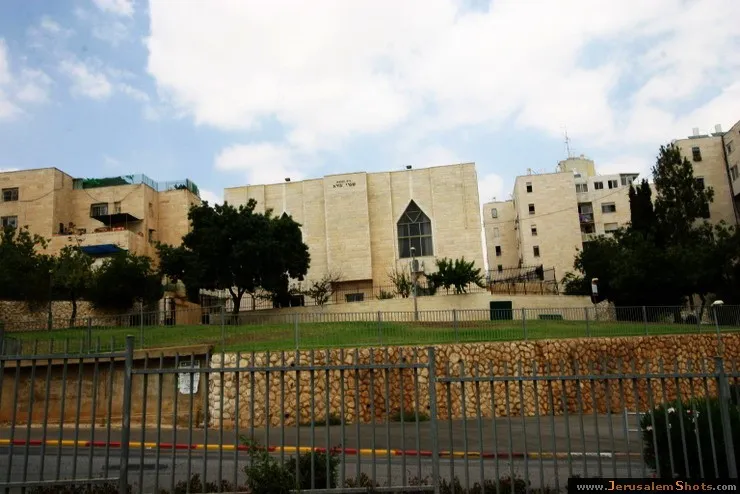
10.08.2009
Neve Yaakov also Neve Ya'aqov, is a neighbourhood at the northeastern tip of Jerusalem. It was initially founded in 1924, largely abandoned during the 1948 Arab-Israeli War and then rebuilt after the 1967 Six-Day War, where it today houses more than 30,000. Neve Yaakov is located north of Pisgat Ze'ev and south of al-Ram. Since it is located on territory annexed by Israel after the Six-Day War in 1967, it is considered an Israeli settlement by the UN although Israel, the United States and others dispute this.Neve Yaakov also Neve Ya'aqov, is a neighbourhood at the northeastern tip of Jerusalem. It was initially founded in 1924, largely abandoned during the 1948 Arab-Israeli War and then rebuilt after the 1967 Six-Day War, where it today houses more than 30,000. Neve Yaakov is located north of Pisgat Ze'ev and south of al-Ram. Since it is located on territory annexed by Israel after the Six-Day War in 1967, it is considered an Israeli settlement by the UN although Israel, the United States and others dispute this.Neve Yaakov also Neve Ya'aqov, is a neighbourhood at the northeastern tip of Jerusalem. It was initially founded in 1924, largely abandoned during the 1948 Arab-Israeli War and then rebuilt after the 1967 Six-Day War, where it today houses more than 30,000. Neve Yaakov is located north of Pisgat Ze'ev and south of al-Ram. Since it is located on territory annexed by Israel after the Six-Day War in 1967, it is considered an Israeli settlement by the UN although Israel, the United States and others dispute this.
Neve Yaakov also Neve Ya'aqov, is a neighbourhood at the northeastern tip of Jerusalem. It was initially founded in 1924, largely abandoned during the 1948 Arab-Israeli War and then rebuilt after the 1967 Six-Day War, where it today houses more than 30,000. Neve Yaakov is located north of Pisgat Ze'ev and south of al-Ram. Since it is located on territory annexed by Israel after the Six-Day War in 1967, it is considered an Israeli settlement by the UN although Israel, the United States and others dispute this.Neve Yaakov also Neve Ya'aqov, is a neighbourhood at the northeastern tip of Jerusalem. It was initially founded in 1924, largely abandoned during the 1948 Arab-Israeli War and then rebuilt after the 1967 Six-Day War, where it today houses more than 30,000. Neve Yaakov is located north of Pisgat Ze'ev and south of al-Ram. Since it is located on territory annexed by Israel after the Six-Day War in 1967, it is considered an Israeli settlement by the UN although Israel, the United States and others dispute this.Neve Yaakov also Neve Ya'aqov, is a neighbourhood at the northeastern tip of Jerusalem. It was initially founded in 1924, largely abandoned during the 1948 Arab-Israeli War and then rebuilt after the 1967 Six-Day War, where it today houses more than 30,000. Neve Yaakov is located north of Pisgat Ze'ev and south of al-Ram. Since it is located on territory annexed by Israel after the Six-Day War in 1967, it is considered an Israeli settlement by the UN although Israel, the United States and others dispute this.
Hagia Maria Sion Abbey (The place where Mary

Neve Yaakov
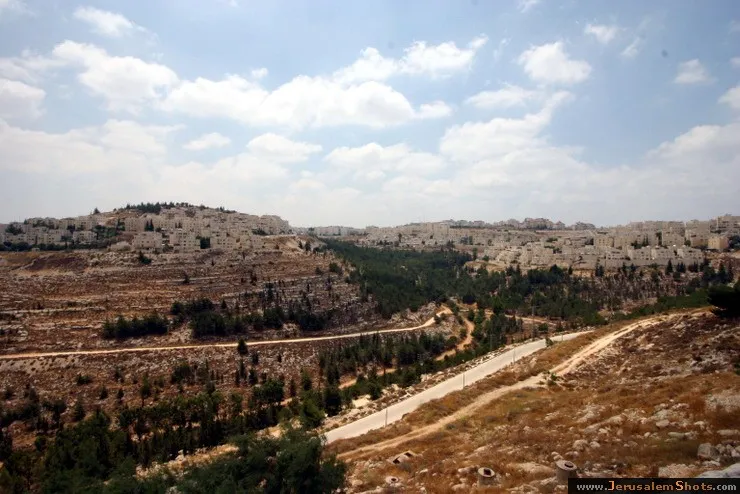
10.08.2009
Neve Yaakov also Neve Ya'aqov, is a neighbourhood at the northeastern tip of Jerusalem. It was initially founded in 1924, largely abandoned during the 1948 Arab-Israeli War and then rebuilt after the 1967 Six-Day War, where it today houses more than 30,000. Neve Yaakov is located north of Pisgat Ze'ev and south of al-Ram. Since it is located on territory annexed by Israel after the Six-Day War in 1967, it is considered an Israeli settlement by the UN although Israel, the United States and others dispute this.
Neve Yaakov also Neve Ya'aqov, is a neighbourhood at the northeastern tip of Jerusalem. It was initially founded in 1924, largely abandoned during the 1948 Arab-Israeli War and then rebuilt after the 1967 Six-Day War, where it today houses more than 30,000. Neve Yaakov is located north of Pisgat Ze'ev and south of al-Ram. Since it is located on territory annexed by Israel after the Six-Day War in 1967, it is considered an Israeli settlement by the UN although Israel, the United States and others dispute this.
Neve Yaakov
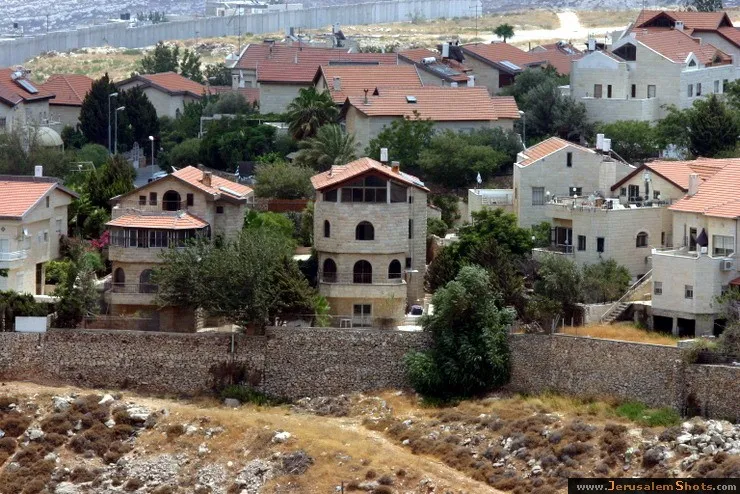
10.08.2009
Neve Yaakov also Neve Ya'aqov, is a neighbourhood at the northeastern tip of Jerusalem. It was initially founded in 1924, largely abandoned during the 1948 Arab-Israeli War and then rebuilt after the 1967 Six-Day War, where it today houses more than 30,000. Neve Yaakov is located north of Pisgat Ze'ev and south of al-Ram. Since it is located on territory annexed by Israel after the Six-Day War in 1967, it is considered an Israeli settlement by the UN although Israel, the United States and others dispute this.
Neve Yaakov also Neve Ya'aqov, is a neighbourhood at the northeastern tip of Jerusalem. It was initially founded in 1924, largely abandoned during the 1948 Arab-Israeli War and then rebuilt after the 1967 Six-Day War, where it today houses more than 30,000. Neve Yaakov is located north of Pisgat Ze'ev and south of al-Ram. Since it is located on territory annexed by Israel after the Six-Day War in 1967, it is considered an Israeli settlement by the UN although Israel, the United States and others dispute this.
Mar Elias Monastery, Jerusalem

13.08.2009
This Greek Orthodox Monastery stands like a fortress on a hill from which both Jerusalem and Bethlehem can be seen. Mar Elias Monastery is located 5 km to the north of Bethlehem on the way to Jerusalem, and was founded in the 6th century AD and rebuilt by the Emperor Manual Communes in 1160.
Legend has it that the building stands on the site where prophet Elijah (pbuh) rested on his flight from the Vengeance of Queen Jezebel, who was seeking vengeance after Elijah slaughtered the priests of Baal (1 Kings 19:15). Another tradition holds that Greek Bishop Elias of Bethlehem was buried here in 1345, and another holds that it places the sepulcher of St. Elias, an Egyptian monk who became Patriarch of Jerusalem in 494. Mar Elias is believed to answer the prayers of barren women and ailing children. From the monastery, Bethlehem can be seen to the south, Herodion to the southeast and sometimes the Dead Sea across the valley to the east.
This Greek Orthodox Monastery stands like a fortress on a hill from which both Jerusalem and Bethlehem can be seen. Mar Elias Monastery is located 5 km to the north of Bethlehem on the way to Jerusalem, and was founded in the 6th century AD and rebuilt by the Emperor Manual Communes in 1160.
Legend has it that the building stands on the site where prophet Elijah (pbuh) rested on his flight from the Vengeance of Queen Jezebel, who was seeking vengeance after Elijah slaughtered the priests of Baal (1 Kings 19:15). Another tradition holds that Greek Bishop Elias of Bethlehem was buried here in 1345, and another holds that it places the sepulcher of St. Elias, an Egyptian monk who became Patriarch of Jerusalem in 494. Mar Elias is believed to answer the prayers of barren women and ailing children. From the monastery, Bethlehem can be seen to the south, Herodion to the southeast and sometimes the Dead Sea across the valley to the east.
The Wall of Gethsemane Garden
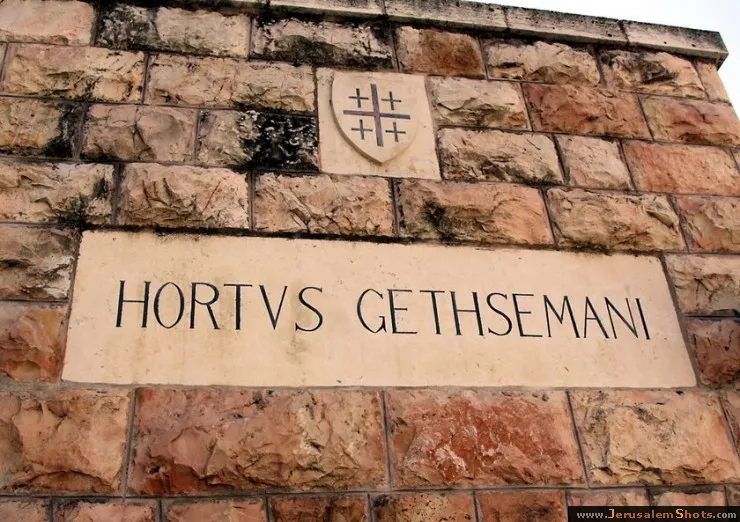
Gethsemane is a garden at the foot of the Mt. Olives in Jerusalem most famous as the place where Jesus and his disciples prayed the night before Jesus' crucifixion.
Neve Yaakov

10.08.2009
Neve Yaakov also Neve Ya'aqov, is a neighbourhood at the northeastern tip of Jerusalem. It was initially founded in 1924, largely abandoned during the 1948 Arab-Israeli War and then rebuilt after the 1967 Six-Day War, where it today houses more than 30,000. Neve Yaakov is located north of Pisgat Ze'ev and south of al-Ram. Since it is located on territory annexed by Israel after the Six-Day War in 1967, it is considered an Israeli settlement by the UN although Israel, the United States and others dispute this.
Neve Yaakov also Neve Ya'aqov, is a neighbourhood at the northeastern tip of Jerusalem. It was initially founded in 1924, largely abandoned during the 1948 Arab-Israeli War and then rebuilt after the 1967 Six-Day War, where it today houses more than 30,000. Neve Yaakov is located north of Pisgat Ze'ev and south of al-Ram. Since it is located on territory annexed by Israel after the Six-Day War in 1967, it is considered an Israeli settlement by the UN although Israel, the United States and others dispute this.
Pigat Zeev, veiw from Neve Yaakov
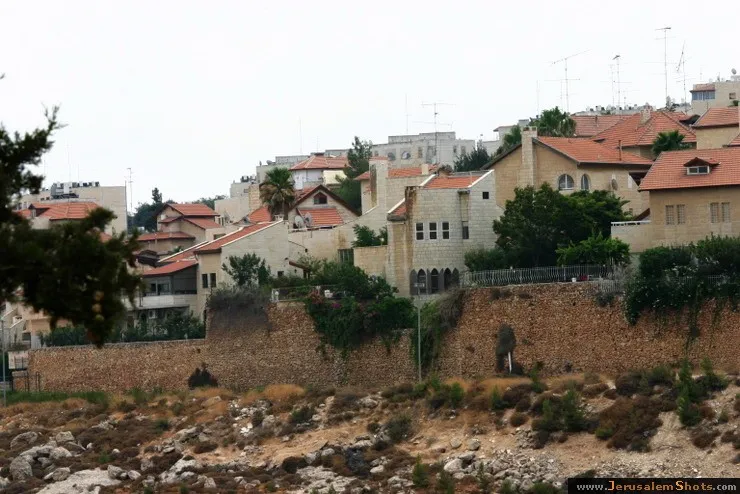
10.08.2009
Neve Yaakov also Neve Ya´aqov, is a neighbourhood at the northeastern tip of Jerusalem. It was initially founded in 1924, largely abandoned during the 1948 Arab-Israeli War and then rebuilt after the 1967 Six-Day War, where it today houses more than 30,000. Neve Yaakov is located north of Pisgat Ze´ev and south of al-Ram. Since it is located on territory annexed by Israel after the Six-Day War in 1967, it is considered an Israeli settlement by the UN although Israel, the United States and others dispute this.Neve Yaakov also Neve Ya´aqov, is a neighbourhood at the northeastern tip of Jerusalem. It was initially founded in 1924, largely abandoned during the 1948 Arab-Israeli War and then rebuilt after the 1967 Six-Day War, where it today houses more than 30,000. Neve Yaakov is located north of Pisgat Ze´ev and south of al-Ram. Since it is located on territory annexed by Israel after the Six-Day War in 1967, it is considered an Israeli settlement by the UN although Israel, the United States and others dispute this.Neve Yaakov also Neve Ya´aqov, is a neighbourhood at the northeastern tip of Jerusalem. It was initially founded in 1924, largely abandoned during the 1948 Arab-Israeli War and then rebuilt after the 1967 Six-Day War, where it today houses more than 30,000. Neve Yaakov is located north of Pisgat Ze´ev and south of al-Ram. Since it is located on territory annexed by Israel after the Six-Day War in 1967, it is considered an Israeli settlement by the UN although Israel, the United States and others dispute this.
Neve Yaakov also Neve Ya´aqov, is a neighbourhood at the northeastern tip of Jerusalem. It was initially founded in 1924, largely abandoned during the 1948 Arab-Israeli War and then rebuilt after the 1967 Six-Day War, where it today houses more than 30,000. Neve Yaakov is located north of Pisgat Ze´ev and south of al-Ram. Since it is located on territory annexed by Israel after the Six-Day War in 1967, it is considered an Israeli settlement by the UN although Israel, the United States and others dispute this.Neve Yaakov also Neve Ya´aqov, is a neighbourhood at the northeastern tip of Jerusalem. It was initially founded in 1924, largely abandoned during the 1948 Arab-Israeli War and then rebuilt after the 1967 Six-Day War, where it today houses more than 30,000. Neve Yaakov is located north of Pisgat Ze´ev and south of al-Ram. Since it is located on territory annexed by Israel after the Six-Day War in 1967, it is considered an Israeli settlement by the UN although Israel, the United States and others dispute this.Neve Yaakov also Neve Ya´aqov, is a neighbourhood at the northeastern tip of Jerusalem. It was initially founded in 1924, largely abandoned during the 1948 Arab-Israeli War and then rebuilt after the 1967 Six-Day War, where it today houses more than 30,000. Neve Yaakov is located north of Pisgat Ze´ev and south of al-Ram. Since it is located on territory annexed by Israel after the Six-Day War in 1967, it is considered an Israeli settlement by the UN although Israel, the United States and others dispute this.
Neve Yaakov
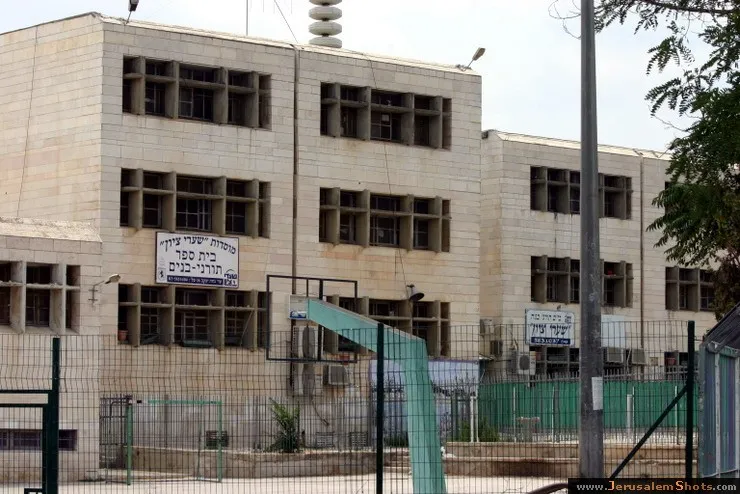
10.08.2009
Neve Yaakov also Neve Ya'aqov, is a neighbourhood at the northeastern tip of Jerusalem. It was initially founded in 1924, largely abandoned during the 1948 Arab-Israeli War and then rebuilt after the 1967 Six-Day War, where it today houses more than 30,000. Neve Yaakov is located north of Pisgat Ze'ev and south of al-Ram. Since it is located on territory annexed by Israel after the Six-Day War in 1967, it is considered an Israeli settlement by the UN although Israel, the United States and others dispute this.
Neve Yaakov also Neve Ya'aqov, is a neighbourhood at the northeastern tip of Jerusalem. It was initially founded in 1924, largely abandoned during the 1948 Arab-Israeli War and then rebuilt after the 1967 Six-Day War, where it today houses more than 30,000. Neve Yaakov is located north of Pisgat Ze'ev and south of al-Ram. Since it is located on territory annexed by Israel after the Six-Day War in 1967, it is considered an Israeli settlement by the UN although Israel, the United States and others dispute this.
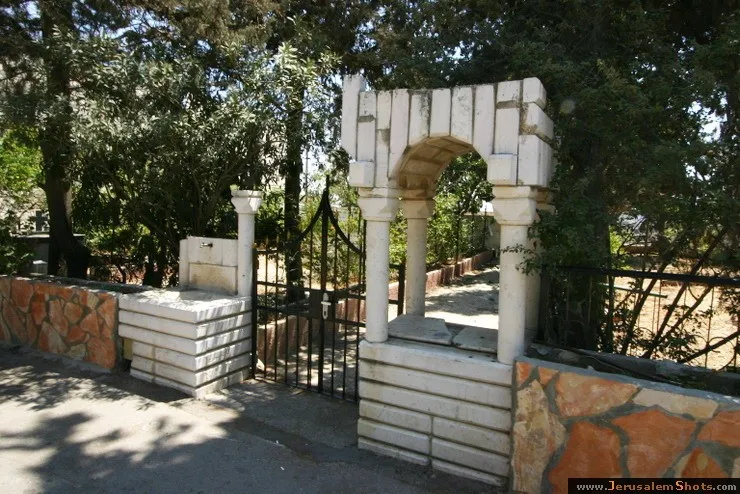
Mar Elias Monastery, Jerusalem
13.08.2009
This Greek Orthodox Monastery stands like a fortress on a hill from which both Jerusalem and Bethlehem can be seen. Mar Elias Monastery is located 5 km to the north of Bethlehem on the way to Jerusalem, and was founded in the 6th century AD and rebuilt by the Emperor Manual Communes in 1160.
Legend has it that the building stands on the site where prophet Elijah (pbuh) rested on his flight from the Vengeance of Queen Jezebel, who was seeking vengeance after Elijah slaughtered the priests of Baal (1 Kings 19:15). Another tradition holds that Greek Bishop Elias of Bethlehem was buried here in 1345, and another holds that it places the sepulcher of St. Elias, an Egyptian monk who became Patriarch of Jerusalem in 494. Mar Elias is believed to answer the prayers of barren women and ailing children. From the monastery, Bethlehem can be seen to the south, Herodion to the southeast and sometimes the Dead Sea across the valley to the east.
This Greek Orthodox Monastery stands like a fortress on a hill from which both Jerusalem and Bethlehem can be seen. Mar Elias Monastery is located 5 km to the north of Bethlehem on the way to Jerusalem, and was founded in the 6th century AD and rebuilt by the Emperor Manual Communes in 1160.
Legend has it that the building stands on the site where prophet Elijah (pbuh) rested on his flight from the Vengeance of Queen Jezebel, who was seeking vengeance after Elijah slaughtered the priests of Baal (1 Kings 19:15). Another tradition holds that Greek Bishop Elias of Bethlehem was buried here in 1345, and another holds that it places the sepulcher of St. Elias, an Egyptian monk who became Patriarch of Jerusalem in 494. Mar Elias is believed to answer the prayers of barren women and ailing children. From the monastery, Bethlehem can be seen to the south, Herodion to the southeast and sometimes the Dead Sea across the valley to the east.
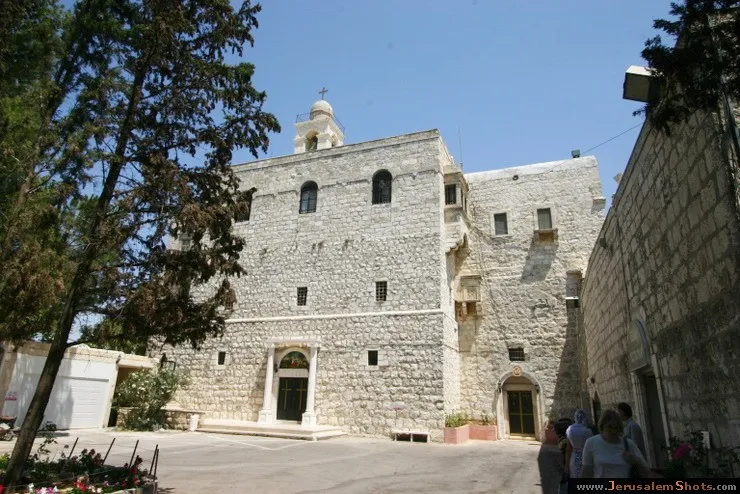
Mar Elias Monastery, Jerusalem
13.08.2009
This Greek Orthodox Monastery stands like a fortress on a hill from which both Jerusalem and Bethlehem can be seen. Mar Elias Monastery is located 5 km to the north of Bethlehem on the way to Jerusalem, and was founded in the 6th century AD and rebuilt by the Emperor Manual Communes in 1160.
Legend has it that the building stands on the site where prophet Elijah (pbuh) rested on his flight from the Vengeance of Queen Jezebel, who was seeking vengeance after Elijah slaughtered the priests of Baal (1 Kings 19:15). Another tradition holds that Greek Bishop Elias of Bethlehem was buried here in 1345, and another holds that it places the sepulcher of St. Elias, an Egyptian monk who became Patriarch of Jerusalem in 494. Mar Elias is believed to answer the prayers of barren women and ailing children. From the monastery, Bethlehem can be seen to the south, Herodion to the southeast and sometimes the Dead Sea across the valley to the east.
This Greek Orthodox Monastery stands like a fortress on a hill from which both Jerusalem and Bethlehem can be seen. Mar Elias Monastery is located 5 km to the north of Bethlehem on the way to Jerusalem, and was founded in the 6th century AD and rebuilt by the Emperor Manual Communes in 1160.
Legend has it that the building stands on the site where prophet Elijah (pbuh) rested on his flight from the Vengeance of Queen Jezebel, who was seeking vengeance after Elijah slaughtered the priests of Baal (1 Kings 19:15). Another tradition holds that Greek Bishop Elias of Bethlehem was buried here in 1345, and another holds that it places the sepulcher of St. Elias, an Egyptian monk who became Patriarch of Jerusalem in 494. Mar Elias is believed to answer the prayers of barren women and ailing children. From the monastery, Bethlehem can be seen to the south, Herodion to the southeast and sometimes the Dead Sea across the valley to the east.
Nebi Samwil (The Prophet Samuel)
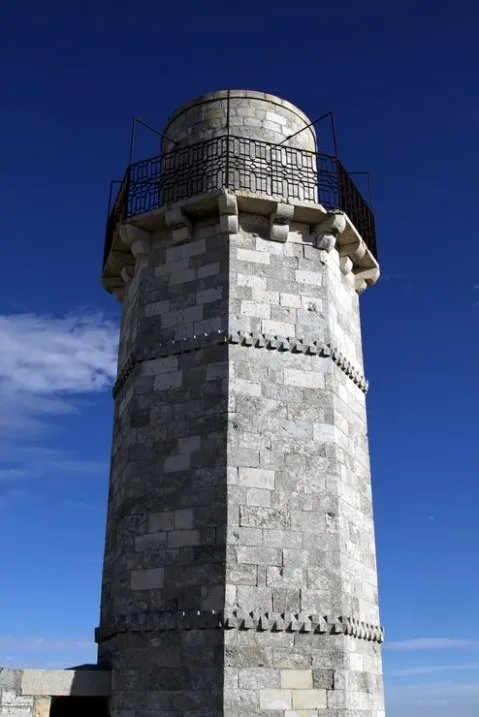
The Tomb of Samuel, (Arabic: نبي صموئيل, translit. Nebi Samwil Hebrew: קבר שמואל, translit. Kever Shmuel;), is the traditional burial site of the biblical Hebrew prophet Samuel, atop a steep hill at an elevation of 908 meters above sea level. It is situated to the north of the Jerusalem neighborhood of Ramot. On the site is a building containing a mosque built in the 18th century that was formerly a church. The tomb itself is located in an underground chamber where a small synagogue is located.
Place where stone sealed Christ´s tomb - Church of the Holy Sepulchure

Site where the Mary´s stood watching the Crucifixion

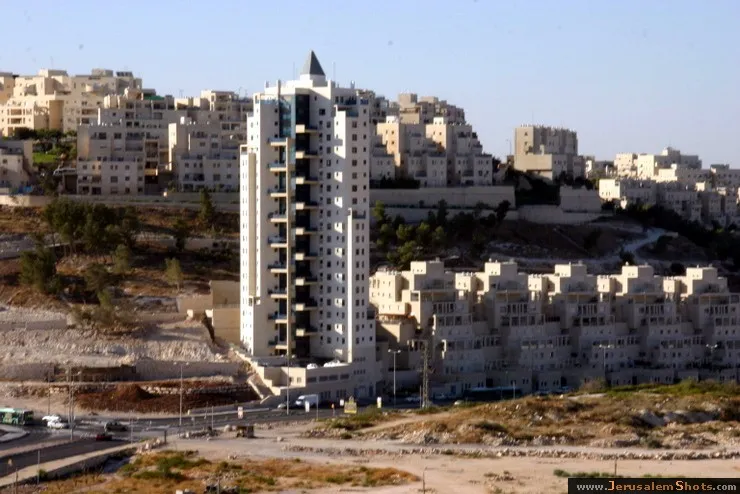
Har HaHoma, Jerusalem
05.08.2009
The "atrocity" of Har HaHoma, a neighborhood in Jerusalem where Israel decided to build housing.
The "atrocity" of Har HaHoma, a neighborhood in Jerusalem where Israel decided to build housing.
Neve Yaakov
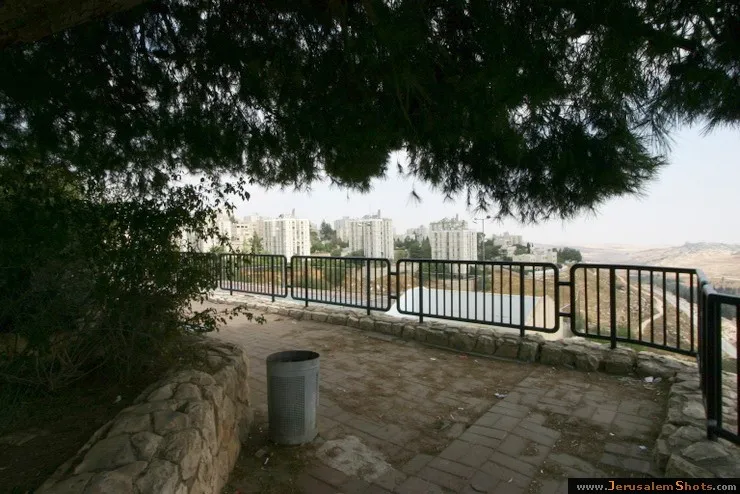
10.08.2009
Neve Yaakov also Neve Ya'aqov, is a neighbourhood at the northeastern tip of Jerusalem. It was initially founded in 1924, largely abandoned during the 1948 Arab-Israeli War and then rebuilt after the 1967 Six-Day War, where it today houses more than 30,000. Neve Yaakov is located north of Pisgat Ze'ev and south of al-Ram. Since it is located on territory annexed by Israel after the Six-Day War in 1967, it is considered an Israeli settlement by the UN although Israel, the United States and others dispute this.
Neve Yaakov also Neve Ya'aqov, is a neighbourhood at the northeastern tip of Jerusalem. It was initially founded in 1924, largely abandoned during the 1948 Arab-Israeli War and then rebuilt after the 1967 Six-Day War, where it today houses more than 30,000. Neve Yaakov is located north of Pisgat Ze'ev and south of al-Ram. Since it is located on territory annexed by Israel after the Six-Day War in 1967, it is considered an Israeli settlement by the UN although Israel, the United States and others dispute this.
Neve Yaakov
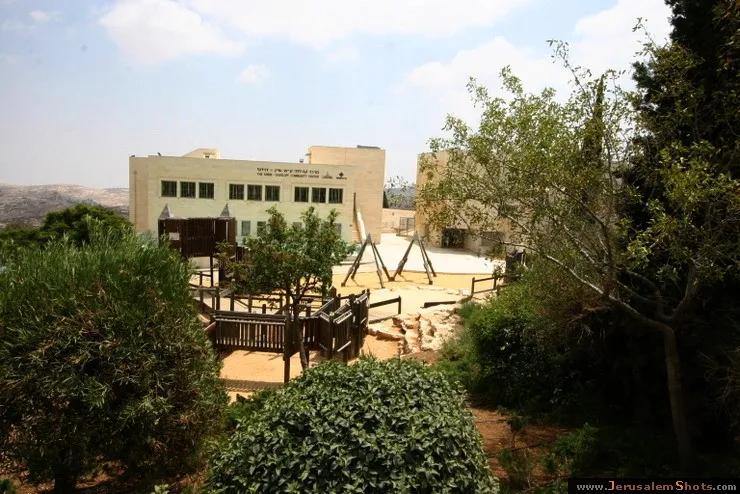
10.08.2009
Neve Yaakov also Neve Ya'aqov, is a neighbourhood at the northeastern tip of Jerusalem. It was initially founded in 1924, largely abandoned during the 1948 Arab-Israeli War and then rebuilt after the 1967 Six-Day War, where it today houses more than 30,000. Neve Yaakov is located north of Pisgat Ze'ev and south of al-Ram. Since it is located on territory annexed by Israel after the Six-Day War in 1967, it is considered an Israeli settlement by the UN although Israel, the United States and others dispute this.
Neve Yaakov also Neve Ya'aqov, is a neighbourhood at the northeastern tip of Jerusalem. It was initially founded in 1924, largely abandoned during the 1948 Arab-Israeli War and then rebuilt after the 1967 Six-Day War, where it today houses more than 30,000. Neve Yaakov is located north of Pisgat Ze'ev and south of al-Ram. Since it is located on territory annexed by Israel after the Six-Day War in 1967, it is considered an Israeli settlement by the UN although Israel, the United States and others dispute this.