 © יובל אדלר
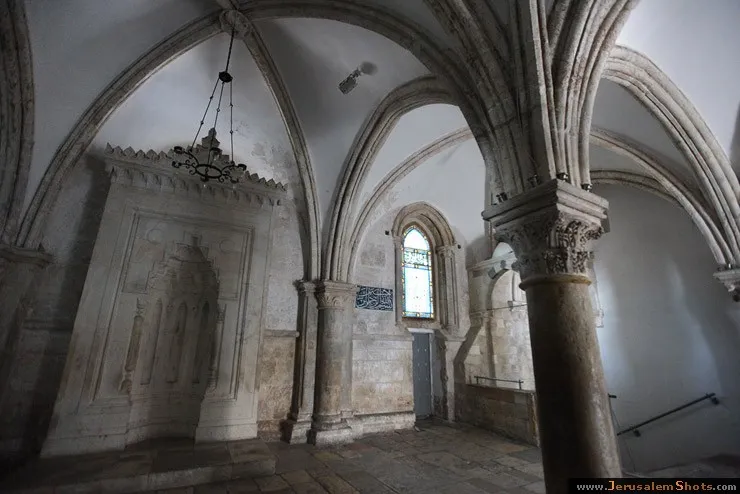
Last Supper Room
 © RomKri
Last Supper Room

Last Supper Room

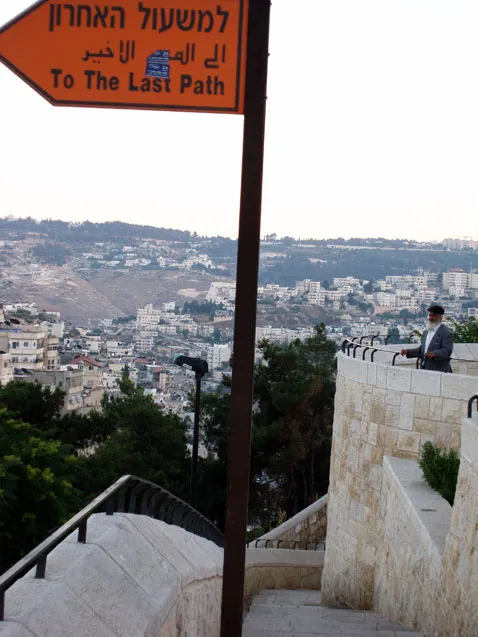
To The Last Path
 © Roman
Gehenna
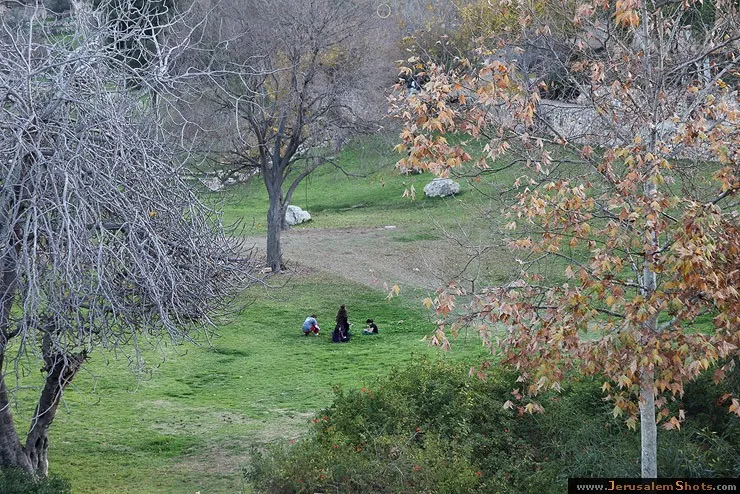
Gehenna, gehinnam, or gehinnom (Hebrew: גהנום, גהנם, Greek γεεννα) are words used in Jewish and Christian writings for the place where evil people go in the afterlife (see Hell). The name is derived from a geographical site in Jerusalem known as the Valley of Hinnom, one of the two principal valleys surrounding the Old City. Initially the site where idolatrous Jews sacrificed their children to the god Molech (2 Chr. 28:3, 33:6; Jer. 7:31, 19:2-6), the valley later became the common wasteyard for all the refuse of Jerusalem. Here the dead bodies of animals and of criminals, and rubbish, were cast and, according to legend, consumed by a constant fire. In time it became the image of the place of everlasting destruction in Jewish tradition[1]. However, Jewish tradition suggests the valley had a 'gate' which led down to a molten lake of fire. (Possibly 'The furnace of Yahweh' in Zion to which Isaiah refers 31:9, 30:33). It is unknown whether this 'gate' was an actual geophysical feature within the valley that provided the focus for cultic activity (2 Kings 23:10) or simply a metaphorical identification with the entrance to the underworld that had come to be associated with the valley.
Gehenna is cited in the New Testament and in early Christian writing to represent the final place where the wicked will be punished or destroyed after resurrection. In both Rabbinical Jewish and Christian writing, Gehenna as a destination of the wicked is different from Sheol or Hades, the abode of the dead.
Taken from wikipedia.org
Gehenna is cited in the New Testament and in early Christian writing to represent the final place where the wicked will be punished or destroyed after resurrection. In both Rabbinical Jewish and Christian writing, Gehenna as a destination of the wicked is different from Sheol or Hades, the abode of the dead.
Taken from wikipedia.org
Gehenna
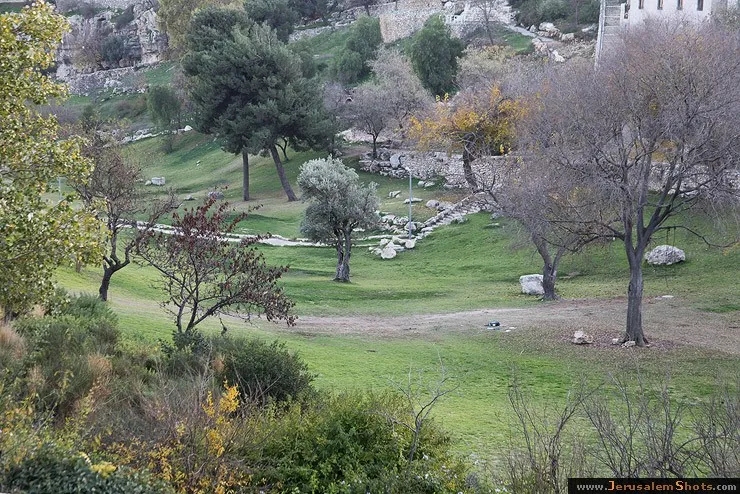
Gehenna, gehinnam, or gehinnom (Hebrew: גהנום, גהנם, Greek γεεννα) are words used in Jewish and Christian writings for the place where evil people go in the afterlife (see Hell). The name is derived from a geographical site in Jerusalem known as the Valley of Hinnom, one of the two principal valleys surrounding the Old City. Initially the site where idolatrous Jews sacrificed their children to the god Molech (2 Chr. 28:3, 33:6; Jer. 7:31, 19:2-6), the valley later became the common wasteyard for all the refuse of Jerusalem. Here the dead bodies of animals and of criminals, and rubbish, were cast and, according to legend, consumed by a constant fire. In time it became the image of the place of everlasting destruction in Jewish tradition[1]. However, Jewish tradition suggests the valley had a 'gate' which led down to a molten lake of fire. (Possibly 'The furnace of Yahweh' in Zion to which Isaiah refers 31:9, 30:33). It is unknown whether this 'gate' was an actual geophysical feature within the valley that provided the focus for cultic activity (2 Kings 23:10) or simply a metaphorical identification with the entrance to the underworld that had come to be associated with the valley.
Gehenna is cited in the New Testament and in early Christian writing to represent the final place where the wicked will be punished or destroyed after resurrection. In both Rabbinical Jewish and Christian writing, Gehenna as a destination of the wicked is different from Sheol or Hades, the abode of the dead.
Taken from wikipedia.org
Gehenna is cited in the New Testament and in early Christian writing to represent the final place where the wicked will be punished or destroyed after resurrection. In both Rabbinical Jewish and Christian writing, Gehenna as a destination of the wicked is different from Sheol or Hades, the abode of the dead.
Taken from wikipedia.org
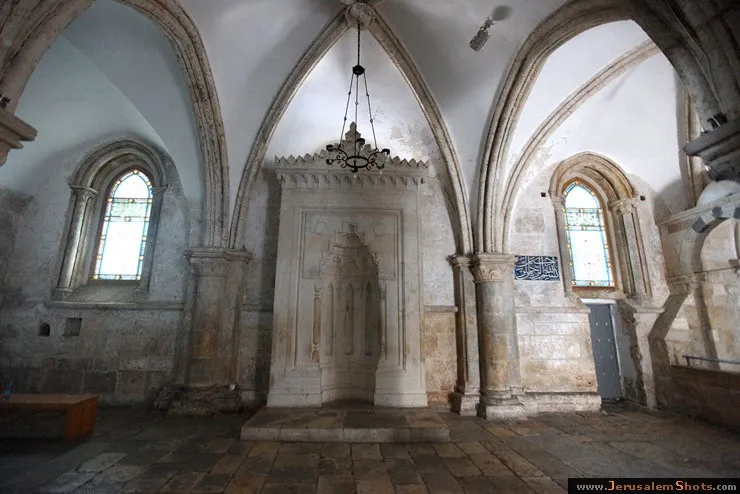
Last Supper Room
Gehenna
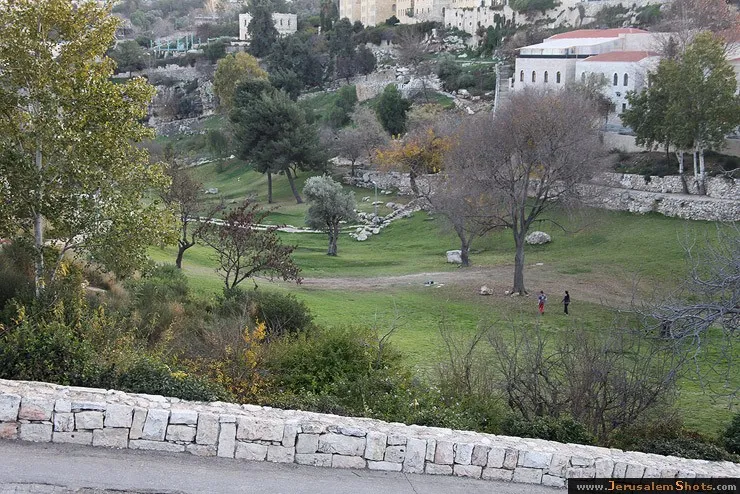
Gehenna, gehinnam, or gehinnom (Hebrew: גהנום, גהנם, Greek γεεννα) are words used in Jewish and Christian writings for the place where evil people go in the afterlife (see Hell). The name is derived from a geographical site in Jerusalem known as the Valley of Hinnom, one of the two principal valleys surrounding the Old City. Initially the site where idolatrous Jews sacrificed their children to the god Molech (2 Chr. 28:3, 33:6; Jer. 7:31, 19:2-6), the valley later became the common wasteyard for all the refuse of Jerusalem. Here the dead bodies of animals and of criminals, and rubbish, were cast and, according to legend, consumed by a constant fire. In time it became the image of the place of everlasting destruction in Jewish tradition[1]. However, Jewish tradition suggests the valley had a 'gate' which led down to a molten lake of fire. (Possibly 'The furnace of Yahweh' in Zion to which Isaiah refers 31:9, 30:33). It is unknown whether this 'gate' was an actual geophysical feature within the valley that provided the focus for cultic activity (2 Kings 23:10) or simply a metaphorical identification with the entrance to the underworld that had come to be associated with the valley.
Gehenna is cited in the New Testament and in early Christian writing to represent the final place where the wicked will be punished or destroyed after resurrection. In both Rabbinical Jewish and Christian writing, Gehenna as a destination of the wicked is different from Sheol or Hades, the abode of the dead.
Taken from wikipedia.org
Gehenna is cited in the New Testament and in early Christian writing to represent the final place where the wicked will be punished or destroyed after resurrection. In both Rabbinical Jewish and Christian writing, Gehenna as a destination of the wicked is different from Sheol or Hades, the abode of the dead.
Taken from wikipedia.org
Last Supper Room

Last Supper Room

Old City


 © Mikhail Levit
Last Supper Room

Churbat Midras

November 1994
Jerusalem Area. Churbat Midras (Turkish mosques, medresse, inns and baths?). First The Seljukids, Artuqids and Zangids and later Mamluks and lastly Ottomans. But despite this nearly 850 years long rule the Turkish heritage and contribution is often overlooked and underestimated in the literature.
Jerusalem Area. Churbat Midras (Turkish mosques, medresse, inns and baths?). First The Seljukids, Artuqids and Zangids and later Mamluks and lastly Ottomans. But despite this nearly 850 years long rule the Turkish heritage and contribution is often overlooked and underestimated in the literature.

A narrow street in the Old City

A view of a narrow, stone-paved paved street with old buildings and shops at the corner of a stone building. corner of a stone building.
Night Walk in the Old City
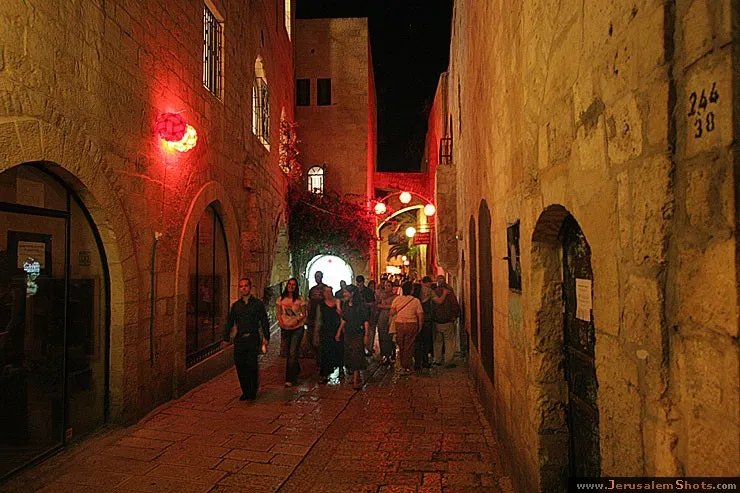
People walking through a narrow, stone-paved street at night, illuminated by warm light.
Path Along the City Walls
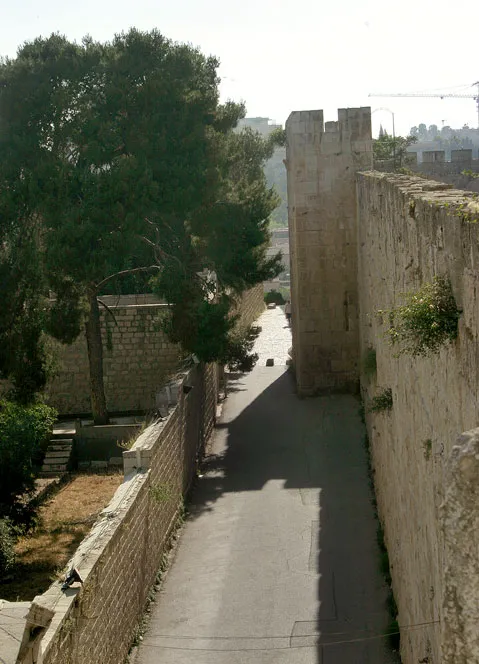
A paved walkway runs beside the high stone fortifications of the Old City. Large pine trees cast shadows on the left, while the ancient wall rises on the right, with modern buildings and a crane visible in the distance.
Syrian Brown Bear

In the early part of the twentieth century, the Syrian brown bear (Ursus arctos syriacus) disappeared from the landscape of the Land of Israel. In the distant past, bears were quite common in this country, and the Biblical literature suggests that once upon a time, the human inhabitants of the region would frequently encounter these beasts. The bears in the zoo are among the last survivors of this subspecies, which is now thought to be extinct in the wild. Incidentally, these bears are generally regarded today as members of the same species as the Grizzlies.
The family of bears in our exhibit is relatively large, very active, and quite irrepressible. At times you can meet the keepers at this exhibit, and hear interesting stories about the individual bears. On any day, you can see them frolic in the water, and see unmistakable evidence of their keen intelligence.
http://www.jerusalemzoo.org.il/english/upload/tour/bear.html
The family of bears in our exhibit is relatively large, very active, and quite irrepressible. At times you can meet the keepers at this exhibit, and hear interesting stories about the individual bears. On any day, you can see them frolic in the water, and see unmistakable evidence of their keen intelligence.
http://www.jerusalemzoo.org.il/english/upload/tour/bear.html
Last Supper Room (Coenaculum) - Mount Zion
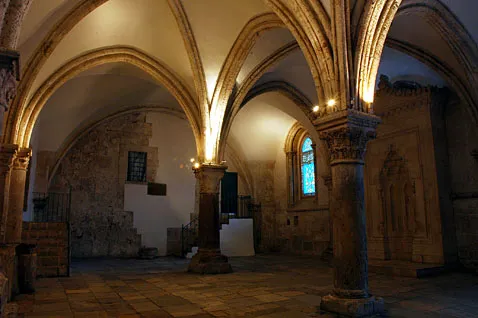
Made With : Nikon D70s
Last Supper Room (Coenaculum) - Mount Zion
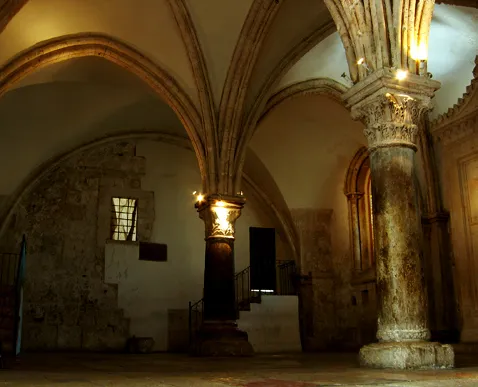
last sonn

Market Street in the Old City

A narrow, stone-paved alleyway lined with souvenir shops displaying various goods. Pedestrians, including tourists and Orthodox Jewish men, stroll through the bustling market atmosphere.
Churbat Midras
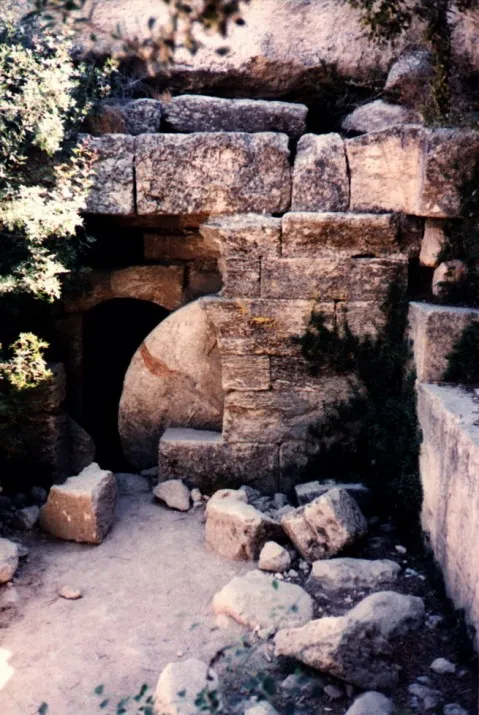
November 1994
Jerusalem Area. Churbat Midras (Turkish mosques, medresse, inns and baths?). First The Seljukids, Artuqids and Zangids and later Mamluks and lastly Ottomans. But despite this nearly 850 years long rule the Turkish heritage and contribution is often overlooked and underestimated in the literature.
Jerusalem Area. Churbat Midras (Turkish mosques, medresse, inns and baths?). First The Seljukids, Artuqids and Zangids and later Mamluks and lastly Ottomans. But despite this nearly 850 years long rule the Turkish heritage and contribution is often overlooked and underestimated in the literature.
Churbat Midras
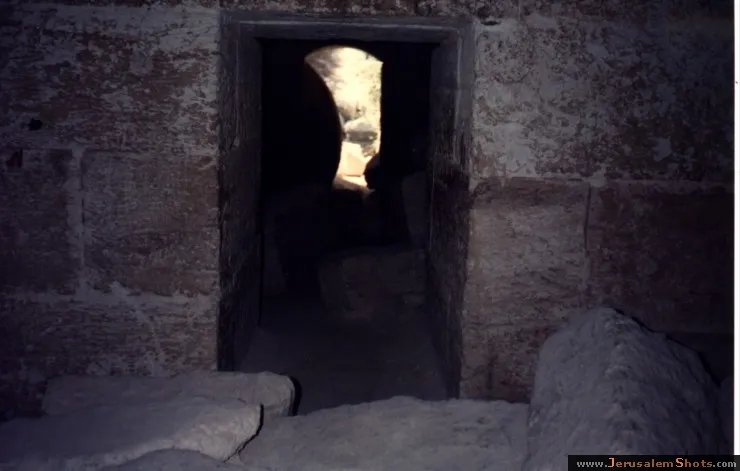
November 1994
Jerusalem Area. Churbat Midras (Turkish mosques, medresse, inns and baths?). First The Seljukids, Artuqids and Zangids and later Mamluks and lastly Ottomans. But despite this nearly 850 years long rule the Turkish heritage and contribution is often overlooked and underestimated in the literature.
Jerusalem Area. Churbat Midras (Turkish mosques, medresse, inns and baths?). First The Seljukids, Artuqids and Zangids and later Mamluks and lastly Ottomans. But despite this nearly 850 years long rule the Turkish heritage and contribution is often overlooked and underestimated in the literature.