 © RomKri
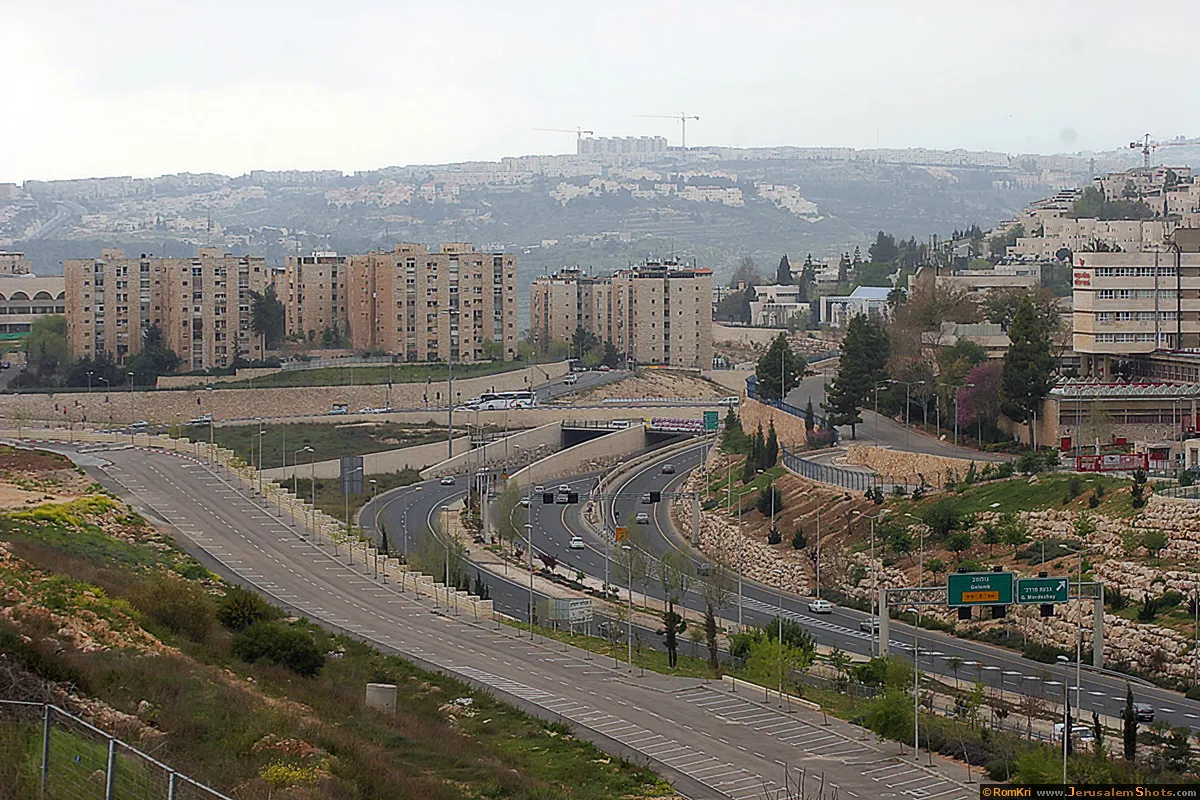
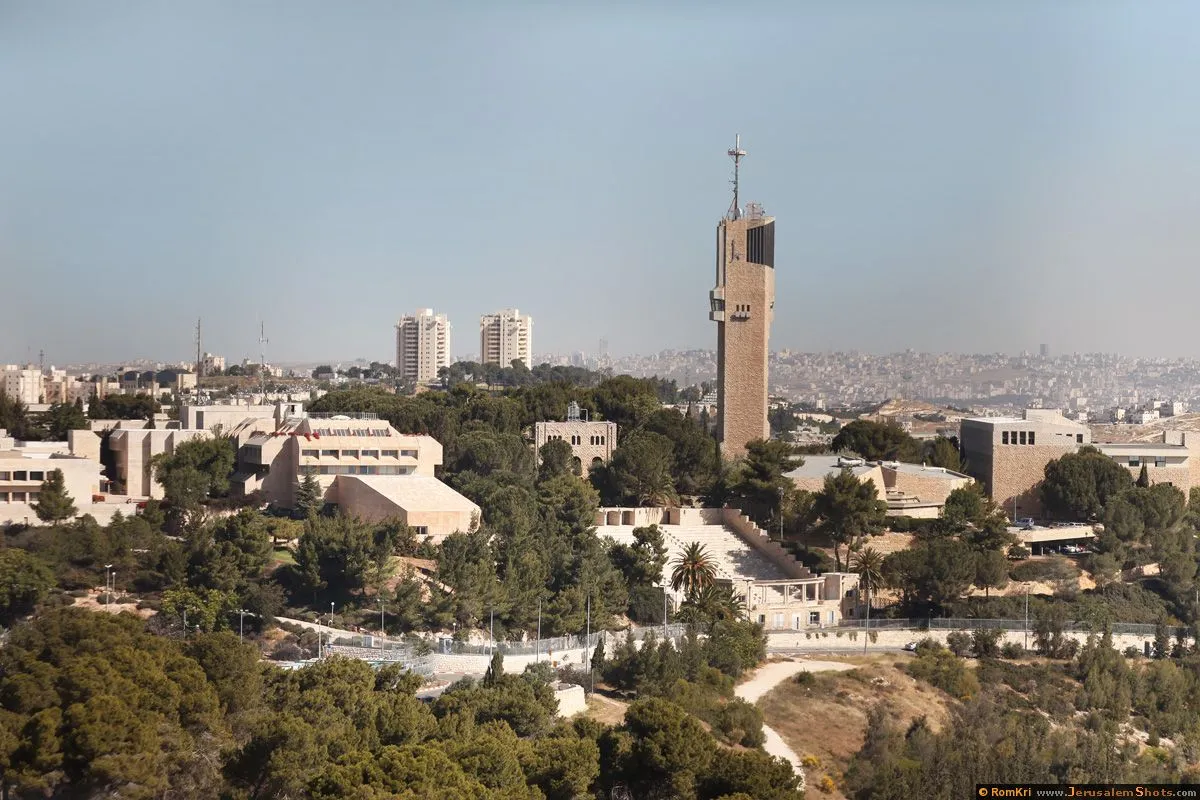
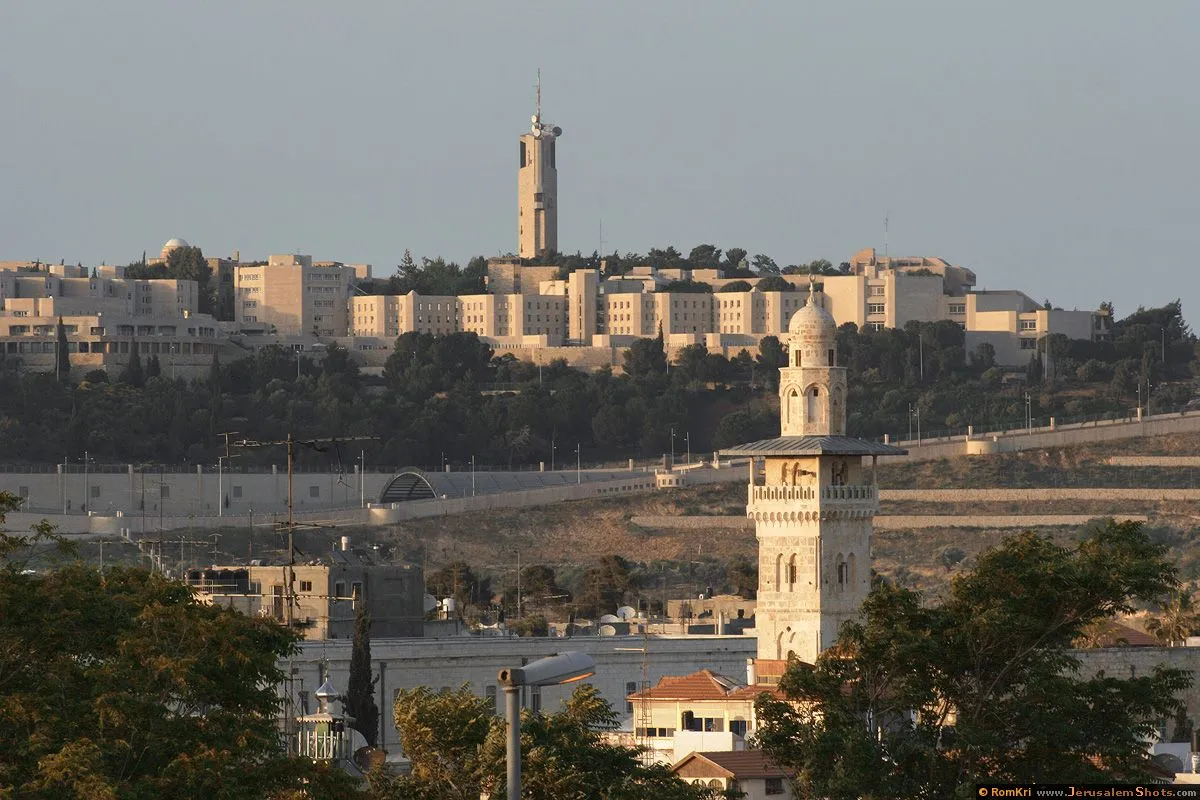
Hebrew University Scopus \ Hebrew University Scopus, Old City, Mount Scopus

 © Ron Peled
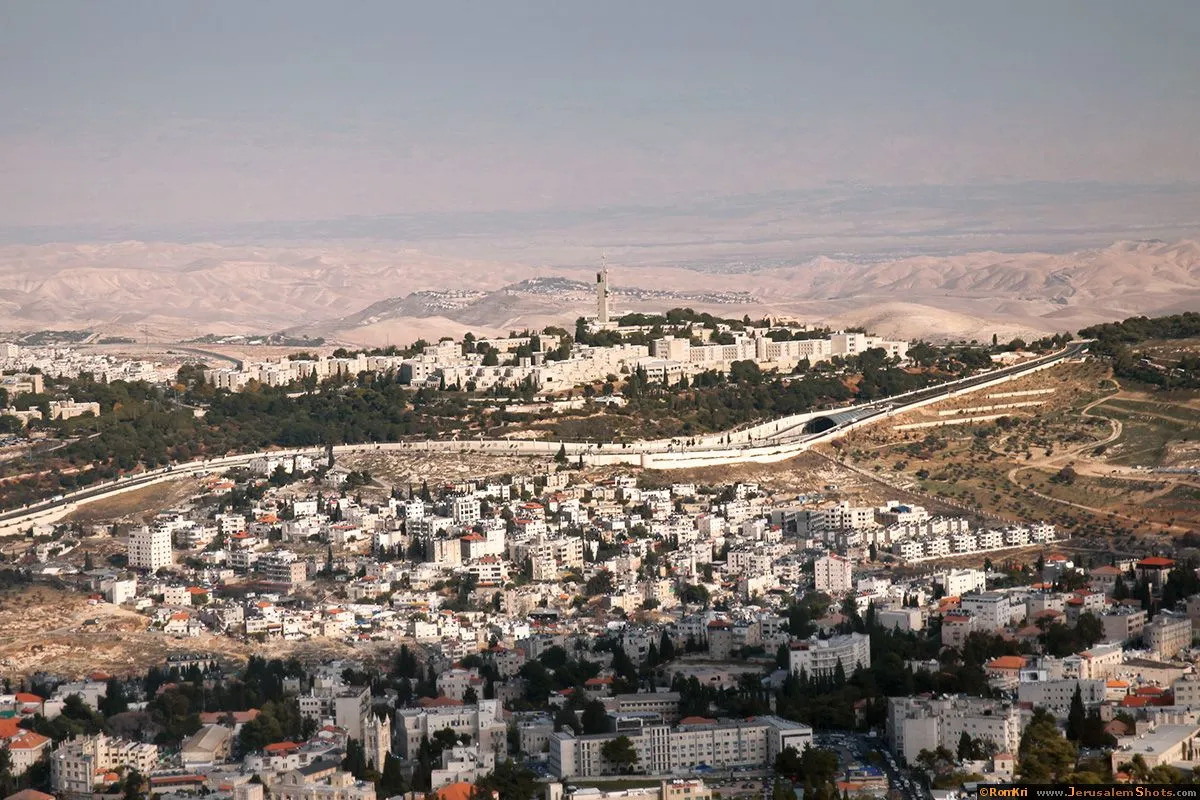

Hebrew University Scopus \ Hayat Hotel
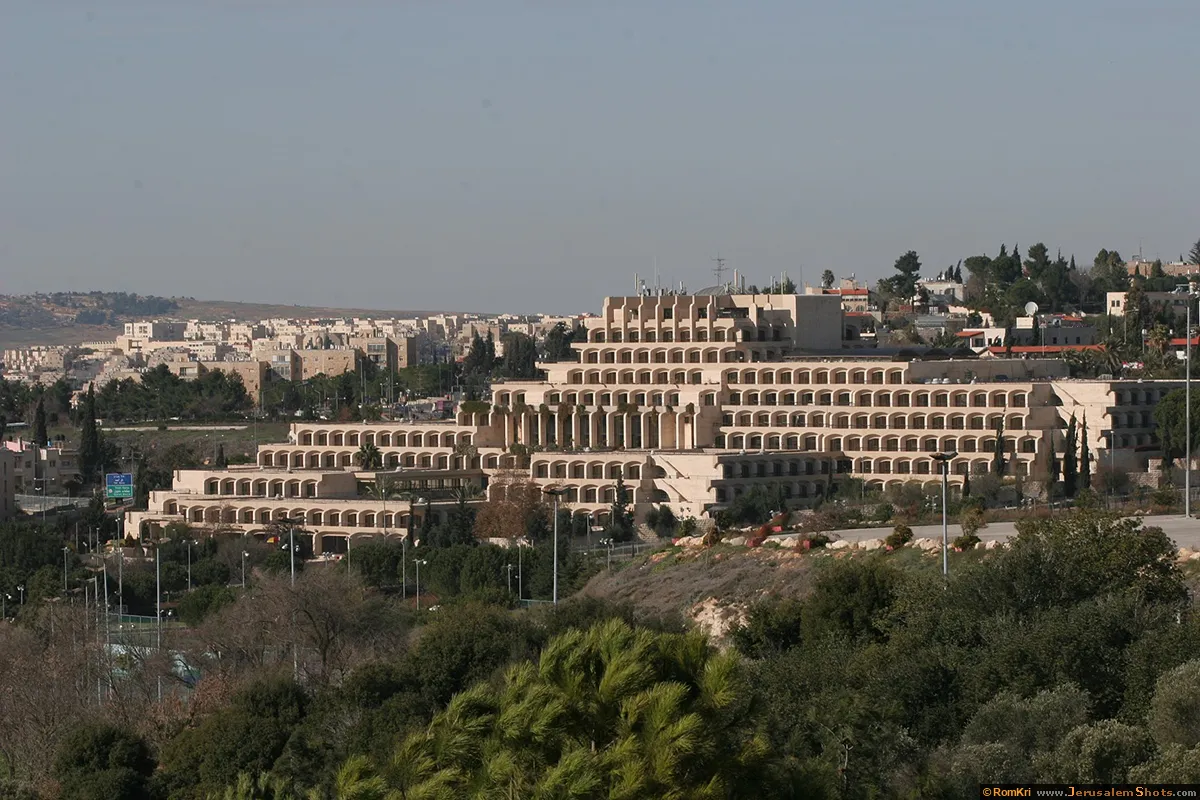
Hebrew University Scopus \ Idelson - Student hall of residence

Tomb of Absalom
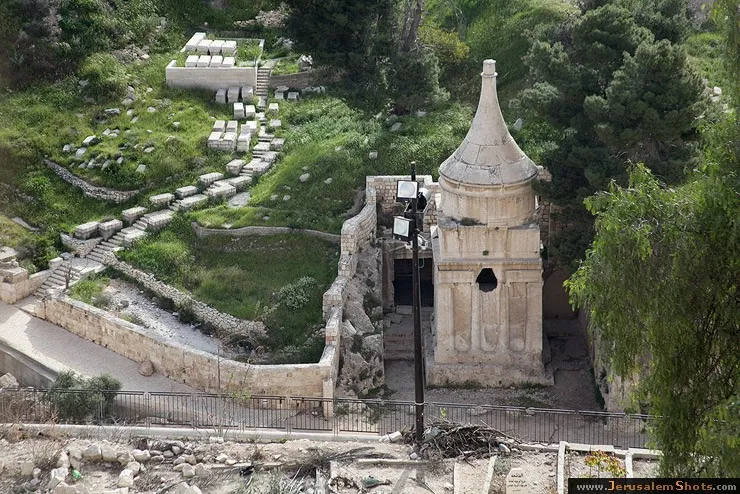
Tomb of Absalom (Hebrew: יד אבשלום, Transl. Yad Avshalom; literally Absalom´s Shrine), also called Absalom´s Pillar, is an ancient stone monument with a conical roof located in the Kidron Valley in Jerusalem, Israel. Although traditionally ascribed to Absalom, the rebellious son of King David of Israel (circa 1000 B.C.E.), recent scholarship has attributed it to the first century C.E.
(Wikipedia.org)
(Wikipedia.org)
Hebrew University Scopus \ Hebrew University, Mt. Scopus

09.08.2009
Construction of the Mount Scopus campus of the Hebrew University began in 1918 on land purchased from the Gray Hill estate. The dedication ceremony was held in 1925 in the presence of many dignitaries. A design for the university campus by Sir Patrick Geddes positioned the university buildings on the slopes of the mount, below a domed, hexagonal Great Hall recalling the Star of David, as a counterpoint to the octagonal Dome of the Rock in the Old City. This plan was never implemented, but Geddes designed the university Library, today the Hebrew University Faculty of Law on Mount Scopus. By 1947, the university was a solid research and teaching institution with humanities, science, medicine, education and agriculture departments (in Rehovot), a national library, a university press and an adult education center. The university had a student population of over 1,000 and 200 faculty members.
Construction of the Mount Scopus campus of the Hebrew University began in 1918 on land purchased from the Gray Hill estate. The dedication ceremony was held in 1925 in the presence of many dignitaries. A design for the university campus by Sir Patrick Geddes positioned the university buildings on the slopes of the mount, below a domed, hexagonal Great Hall recalling the Star of David, as a counterpoint to the octagonal Dome of the Rock in the Old City. This plan was never implemented, but Geddes designed the university Library, today the Hebrew University Faculty of Law on Mount Scopus. By 1947, the university was a solid research and teaching institution with humanities, science, medicine, education and agriculture departments (in Rehovot), a national library, a university press and an adult education center. The university had a student population of over 1,000 and 200 faculty members.


 © Valery Dembitsky
Hebrew University Scopus
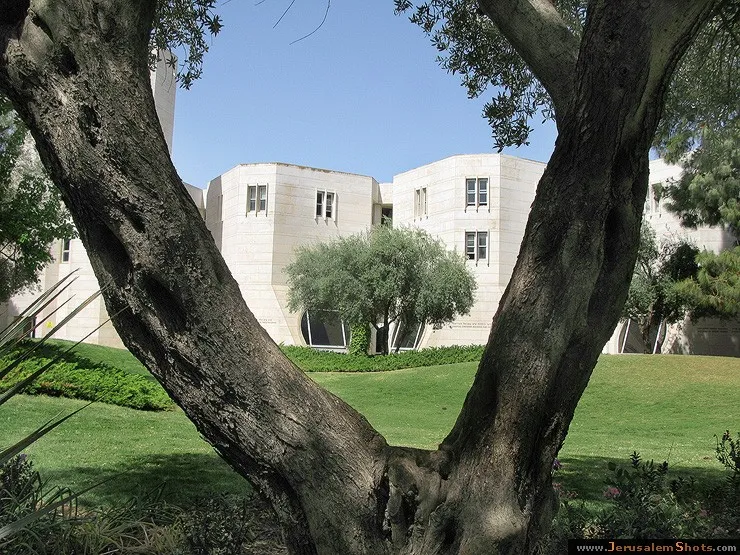
Hebrew University Scopus \ Hebrew University, Mt. Scopus
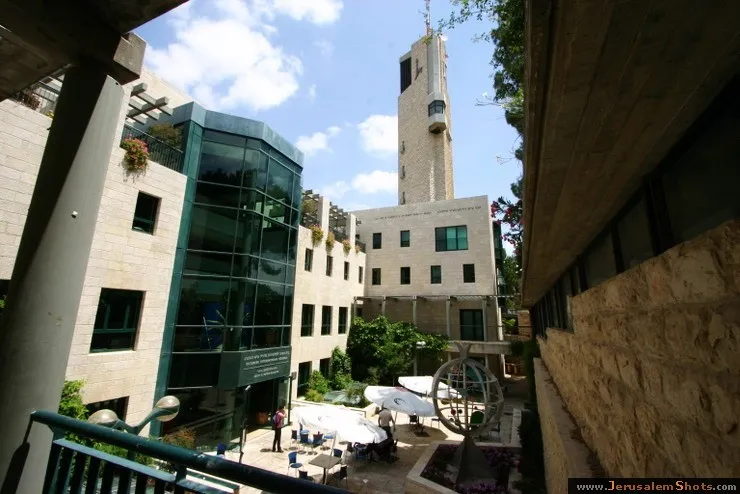
09.08.2009
Construction of the Mount Scopus campus of the Hebrew University began in 1918 on land purchased from the Gray Hill estate. The dedication ceremony was held in 1925 in the presence of many dignitaries. A design for the university campus by Sir Patrick Geddes positioned the university buildings on the slopes of the mount, below a domed, hexagonal Great Hall recalling the Star of David, as a counterpoint to the octagonal Dome of the Rock in the Old City. This plan was never implemented, but Geddes designed the university Library, today the Hebrew University Faculty of Law on Mount Scopus. By 1947, the university was a solid research and teaching institution with humanities, science, medicine, education and agriculture departments (in Rehovot), a national library, a university press and an adult education center. The university had a student population of over 1,000 and 200 faculty members.
Construction of the Mount Scopus campus of the Hebrew University began in 1918 on land purchased from the Gray Hill estate. The dedication ceremony was held in 1925 in the presence of many dignitaries. A design for the university campus by Sir Patrick Geddes positioned the university buildings on the slopes of the mount, below a domed, hexagonal Great Hall recalling the Star of David, as a counterpoint to the octagonal Dome of the Rock in the Old City. This plan was never implemented, but Geddes designed the university Library, today the Hebrew University Faculty of Law on Mount Scopus. By 1947, the university was a solid research and teaching institution with humanities, science, medicine, education and agriculture departments (in Rehovot), a national library, a university press and an adult education center. The university had a student population of over 1,000 and 200 faculty members.

The Chagall Windows of Marc Chagall, Hadassah, Ein Kerem
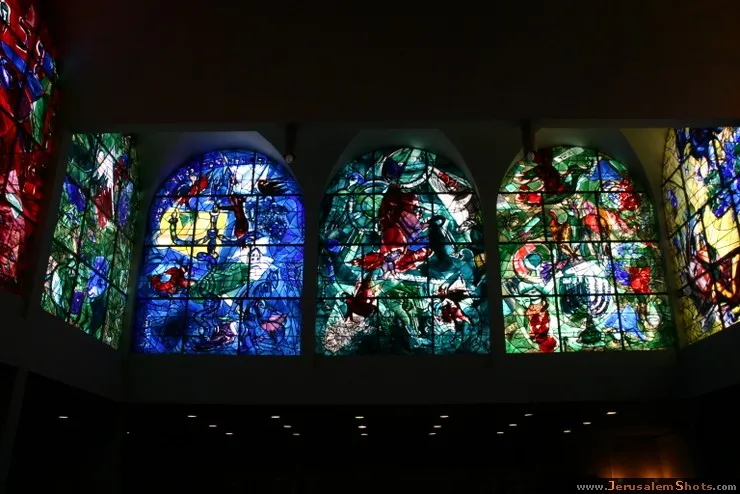
The Windows represents the 12 sons of the Patriarch Jacob, from whom came the Twelve Tribes of Israel. Chagall's Windows are populated by floating figures of animals, fish, flowers, and numerous Jewish symbols.
19 Jule 2009
The Synagogue of the Hadassah-Hebrew University Medical Center was dedicated on February 6th, 1962, as part of Hadassah's Golden Anniversary celebration. The floors and interior walls are made of Jerusalem Stone, and the Synagogue is illuminated by a hanging lantern and by sunlight which streams through the magnificent Chagall Windows.
19 Jule 2009
The Synagogue of the Hadassah-Hebrew University Medical Center was dedicated on February 6th, 1962, as part of Hadassah's Golden Anniversary celebration. The floors and interior walls are made of Jerusalem Stone, and the Synagogue is illuminated by a hanging lantern and by sunlight which streams through the magnificent Chagall Windows.
Hebrew University Scopus \ Hebrew University, Mt. Scopus

09.08.2009
Construction of the Mount Scopus campus of the Hebrew University began in 1918 on land purchased from the Gray Hill estate. The dedication ceremony was held in 1925 in the presence of many dignitaries. A design for the university campus by Sir Patrick Geddes positioned the university buildings on the slopes of the mount, below a domed, hexagonal Great Hall recalling the Star of David, as a counterpoint to the octagonal Dome of the Rock in the Old City. This plan was never implemented, but Geddes designed the university Library, today the Hebrew University Faculty of Law on Mount Scopus. By 1947, the university was a solid research and teaching institution with humanities, science, medicine, education and agriculture departments (in Rehovot), a national library, a university press and an adult education center. The university had a student population of over 1,000 and 200 faculty members.
Construction of the Mount Scopus campus of the Hebrew University began in 1918 on land purchased from the Gray Hill estate. The dedication ceremony was held in 1925 in the presence of many dignitaries. A design for the university campus by Sir Patrick Geddes positioned the university buildings on the slopes of the mount, below a domed, hexagonal Great Hall recalling the Star of David, as a counterpoint to the octagonal Dome of the Rock in the Old City. This plan was never implemented, but Geddes designed the university Library, today the Hebrew University Faculty of Law on Mount Scopus. By 1947, the university was a solid research and teaching institution with humanities, science, medicine, education and agriculture departments (in Rehovot), a national library, a university press and an adult education center. The university had a student population of over 1,000 and 200 faculty members.
Hebrew University Scopus \ Hebrew University, Mt. Scopus

09.08.2009
Construction of the Mount Scopus campus of the Hebrew University began in 1918 on land purchased from the Gray Hill estate. The dedication ceremony was held in 1925 in the presence of many dignitaries. A design for the university campus by Sir Patrick Geddes positioned the university buildings on the slopes of the mount, below a domed, hexagonal Great Hall recalling the Star of David, as a counterpoint to the octagonal Dome of the Rock in the Old City. This plan was never implemented, but Geddes designed the university Library, today the Hebrew University Faculty of Law on Mount Scopus. By 1947, the university was a solid research and teaching institution with humanities, science, medicine, education and agriculture departments (in Rehovot), a national library, a university press and an adult education center. The university had a student population of over 1,000 and 200 faculty members.
Construction of the Mount Scopus campus of the Hebrew University began in 1918 on land purchased from the Gray Hill estate. The dedication ceremony was held in 1925 in the presence of many dignitaries. A design for the university campus by Sir Patrick Geddes positioned the university buildings on the slopes of the mount, below a domed, hexagonal Great Hall recalling the Star of David, as a counterpoint to the octagonal Dome of the Rock in the Old City. This plan was never implemented, but Geddes designed the university Library, today the Hebrew University Faculty of Law on Mount Scopus. By 1947, the university was a solid research and teaching institution with humanities, science, medicine, education and agriculture departments (in Rehovot), a national library, a university press and an adult education center. The university had a student population of over 1,000 and 200 faculty members.
Hebrew University Scopus \ Hebrew University, Mt. Scopus
09.08.2009
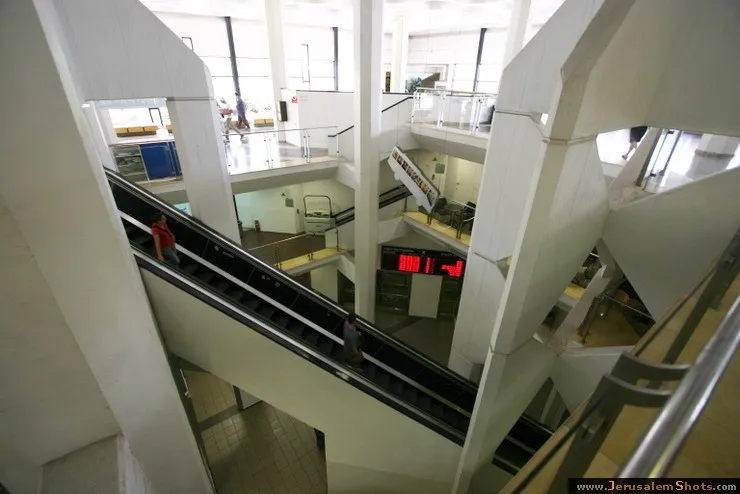
Construction of the Mount Scopus campus of the Hebrew University began in 1918 on land purchased from the Gray Hill estate. The dedication ceremony was held in 1925 in the presence of many dignitaries. A design for the university campus by Sir Patrick Geddes positioned the university buildings on the slopes of the mount, below a domed, hexagonal Great Hall recalling the Star of David, as a counterpoint to the octagonal Dome of the Rock in the Old City. This plan was never implemented, but Geddes designed the university Library, today the Hebrew University Faculty of Law on Mount Scopus. By 1947, the university was a solid research and teaching institution with humanities, science, medicine, education and agriculture departments (in Rehovot), a national library, a university press and an adult education center. The university had a student population of over 1,000 and 200 faculty members.
Construction of the Mount Scopus campus of the Hebrew University began in 1918 on land purchased from the Gray Hill estate. The dedication ceremony was held in 1925 in the presence of many dignitaries. A design for the university campus by Sir Patrick Geddes positioned the university buildings on the slopes of the mount, below a domed, hexagonal Great Hall recalling the Star of David, as a counterpoint to the octagonal Dome of the Rock in the Old City. This plan was never implemented, but Geddes designed the university Library, today the Hebrew University Faculty of Law on Mount Scopus. By 1947, the university was a solid research and teaching institution with humanities, science, medicine, education and agriculture departments (in Rehovot), a national library, a university press and an adult education center. The university had a student population of over 1,000 and 200 faculty members.
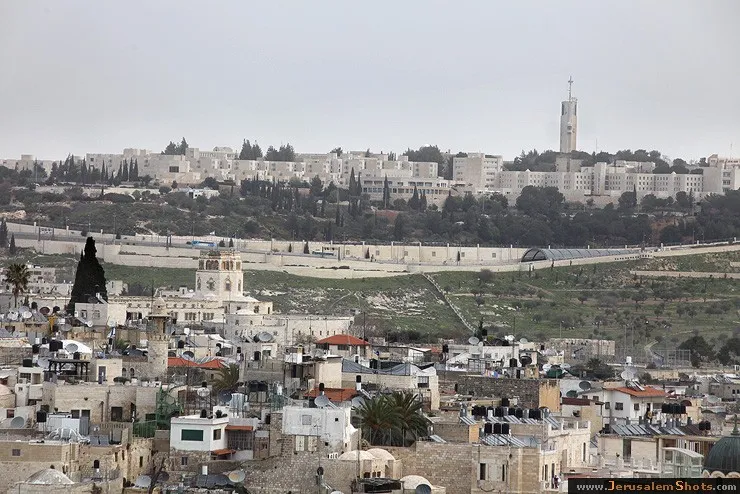

Givat Ram

Hebrew University Scopus \ Hebrew University, Mt. Scopus
09.08.2009
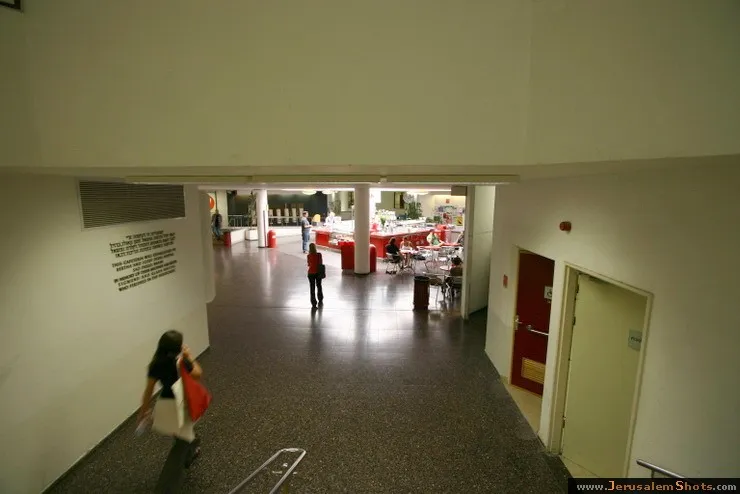
Construction of the Mount Scopus campus of the Hebrew University began in 1918 on land purchased from the Gray Hill estate. The dedication ceremony was held in 1925 in the presence of many dignitaries. A design for the university campus by Sir Patrick Geddes positioned the university buildings on the slopes of the mount, below a domed, hexagonal Great Hall recalling the Star of David, as a counterpoint to the octagonal Dome of the Rock in the Old City. This plan was never implemented, but Geddes designed the university Library, today the Hebrew University Faculty of Law on Mount Scopus. By 1947, the university was a solid research and teaching institution with humanities, science, medicine, education and agriculture departments (in Rehovot), a national library, a university press and an adult education center. The university had a student population of over 1,000 and 200 faculty members.
Construction of the Mount Scopus campus of the Hebrew University began in 1918 on land purchased from the Gray Hill estate. The dedication ceremony was held in 1925 in the presence of many dignitaries. A design for the university campus by Sir Patrick Geddes positioned the university buildings on the slopes of the mount, below a domed, hexagonal Great Hall recalling the Star of David, as a counterpoint to the octagonal Dome of the Rock in the Old City. This plan was never implemented, but Geddes designed the university Library, today the Hebrew University Faculty of Law on Mount Scopus. By 1947, the university was a solid research and teaching institution with humanities, science, medicine, education and agriculture departments (in Rehovot), a national library, a university press and an adult education center. The university had a student population of over 1,000 and 200 faculty members.
Hebrew University Scopus \ Hebrew University, Mt. Scopus

09.08.2009
Construction of the Mount Scopus campus of the Hebrew University began in 1918 on land purchased from the Gray Hill estate. The dedication ceremony was held in 1925 in the presence of many dignitaries. A design for the university campus by Sir Patrick Geddes positioned the university buildings on the slopes of the mount, below a domed, hexagonal Great Hall recalling the Star of David, as a counterpoint to the octagonal Dome of the Rock in the Old City. This plan was never implemented, but Geddes designed the university Library, today the Hebrew University Faculty of Law on Mount Scopus. By 1947, the university was a solid research and teaching institution with humanities, science, medicine, education and agriculture departments (in Rehovot), a national library, a university press and an adult education center. The university had a student population of over 1,000 and 200 faculty members.
Construction of the Mount Scopus campus of the Hebrew University began in 1918 on land purchased from the Gray Hill estate. The dedication ceremony was held in 1925 in the presence of many dignitaries. A design for the university campus by Sir Patrick Geddes positioned the university buildings on the slopes of the mount, below a domed, hexagonal Great Hall recalling the Star of David, as a counterpoint to the octagonal Dome of the Rock in the Old City. This plan was never implemented, but Geddes designed the university Library, today the Hebrew University Faculty of Law on Mount Scopus. By 1947, the university was a solid research and teaching institution with humanities, science, medicine, education and agriculture departments (in Rehovot), a national library, a university press and an adult education center. The university had a student population of over 1,000 and 200 faculty members.
Hebrew University Scopus \ Hebrew University, Mt. Scopus

09.08.2009
Construction of the Mount Scopus campus of the Hebrew University began in 1918 on land purchased from the Gray Hill estate. The dedication ceremony was held in 1925 in the presence of many dignitaries. A design for the university campus by Sir Patrick Geddes positioned the university buildings on the slopes of the mount, below a domed, hexagonal Great Hall recalling the Star of David, as a counterpoint to the octagonal Dome of the Rock in the Old City. This plan was never implemented, but Geddes designed the university Library, today the Hebrew University Faculty of Law on Mount Scopus. By 1947, the university was a solid research and teaching institution with humanities, science, medicine, education and agriculture departments (in Rehovot), a national library, a university press and an adult education center. The university had a student population of over 1,000 and 200 faculty members.
Construction of the Mount Scopus campus of the Hebrew University began in 1918 on land purchased from the Gray Hill estate. The dedication ceremony was held in 1925 in the presence of many dignitaries. A design for the university campus by Sir Patrick Geddes positioned the university buildings on the slopes of the mount, below a domed, hexagonal Great Hall recalling the Star of David, as a counterpoint to the octagonal Dome of the Rock in the Old City. This plan was never implemented, but Geddes designed the university Library, today the Hebrew University Faculty of Law on Mount Scopus. By 1947, the university was a solid research and teaching institution with humanities, science, medicine, education and agriculture departments (in Rehovot), a national library, a university press and an adult education center. The university had a student population of over 1,000 and 200 faculty members.
Gehenna
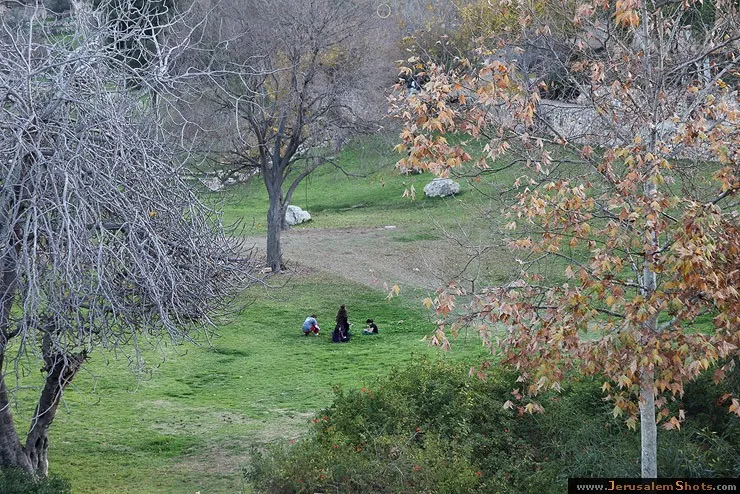
Gehenna, gehinnam, or gehinnom (Hebrew: גהנום, גהנם, Greek γεεννα) are words used in Jewish and Christian writings for the place where evil people go in the afterlife (see Hell). The name is derived from a geographical site in Jerusalem known as the Valley of Hinnom, one of the two principal valleys surrounding the Old City. Initially the site where idolatrous Jews sacrificed their children to the god Molech (2 Chr. 28:3, 33:6; Jer. 7:31, 19:2-6), the valley later became the common wasteyard for all the refuse of Jerusalem. Here the dead bodies of animals and of criminals, and rubbish, were cast and, according to legend, consumed by a constant fire. In time it became the image of the place of everlasting destruction in Jewish tradition[1]. However, Jewish tradition suggests the valley had a 'gate' which led down to a molten lake of fire. (Possibly 'The furnace of Yahweh' in Zion to which Isaiah refers 31:9, 30:33). It is unknown whether this 'gate' was an actual geophysical feature within the valley that provided the focus for cultic activity (2 Kings 23:10) or simply a metaphorical identification with the entrance to the underworld that had come to be associated with the valley.
Gehenna is cited in the New Testament and in early Christian writing to represent the final place where the wicked will be punished or destroyed after resurrection. In both Rabbinical Jewish and Christian writing, Gehenna as a destination of the wicked is different from Sheol or Hades, the abode of the dead.
Taken from wikipedia.org
Gehenna is cited in the New Testament and in early Christian writing to represent the final place where the wicked will be punished or destroyed after resurrection. In both Rabbinical Jewish and Christian writing, Gehenna as a destination of the wicked is different from Sheol or Hades, the abode of the dead.
Taken from wikipedia.org
Gehenna
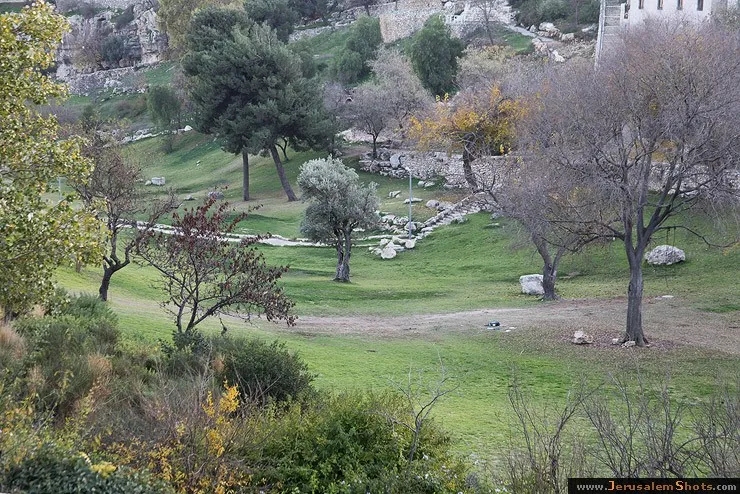
Gehenna, gehinnam, or gehinnom (Hebrew: גהנום, גהנם, Greek γεεννα) are words used in Jewish and Christian writings for the place where evil people go in the afterlife (see Hell). The name is derived from a geographical site in Jerusalem known as the Valley of Hinnom, one of the two principal valleys surrounding the Old City. Initially the site where idolatrous Jews sacrificed their children to the god Molech (2 Chr. 28:3, 33:6; Jer. 7:31, 19:2-6), the valley later became the common wasteyard for all the refuse of Jerusalem. Here the dead bodies of animals and of criminals, and rubbish, were cast and, according to legend, consumed by a constant fire. In time it became the image of the place of everlasting destruction in Jewish tradition[1]. However, Jewish tradition suggests the valley had a 'gate' which led down to a molten lake of fire. (Possibly 'The furnace of Yahweh' in Zion to which Isaiah refers 31:9, 30:33). It is unknown whether this 'gate' was an actual geophysical feature within the valley that provided the focus for cultic activity (2 Kings 23:10) or simply a metaphorical identification with the entrance to the underworld that had come to be associated with the valley.
Gehenna is cited in the New Testament and in early Christian writing to represent the final place where the wicked will be punished or destroyed after resurrection. In both Rabbinical Jewish and Christian writing, Gehenna as a destination of the wicked is different from Sheol or Hades, the abode of the dead.
Taken from wikipedia.org
Gehenna is cited in the New Testament and in early Christian writing to represent the final place where the wicked will be punished or destroyed after resurrection. In both Rabbinical Jewish and Christian writing, Gehenna as a destination of the wicked is different from Sheol or Hades, the abode of the dead.
Taken from wikipedia.org

Hebrew University Scopus \ Hebrew University.
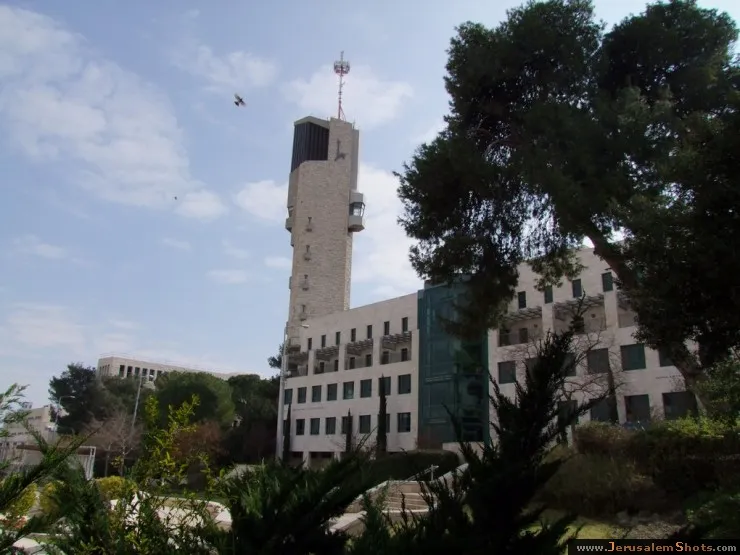


Givat Ram

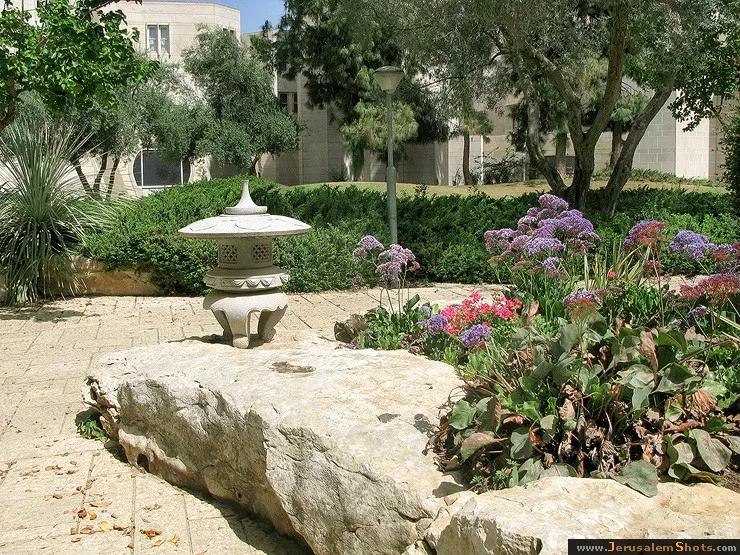


Givat Ram

Givat Ram

Givat Ram

Givat Ram

Givat Ram

Kiryat Moshe