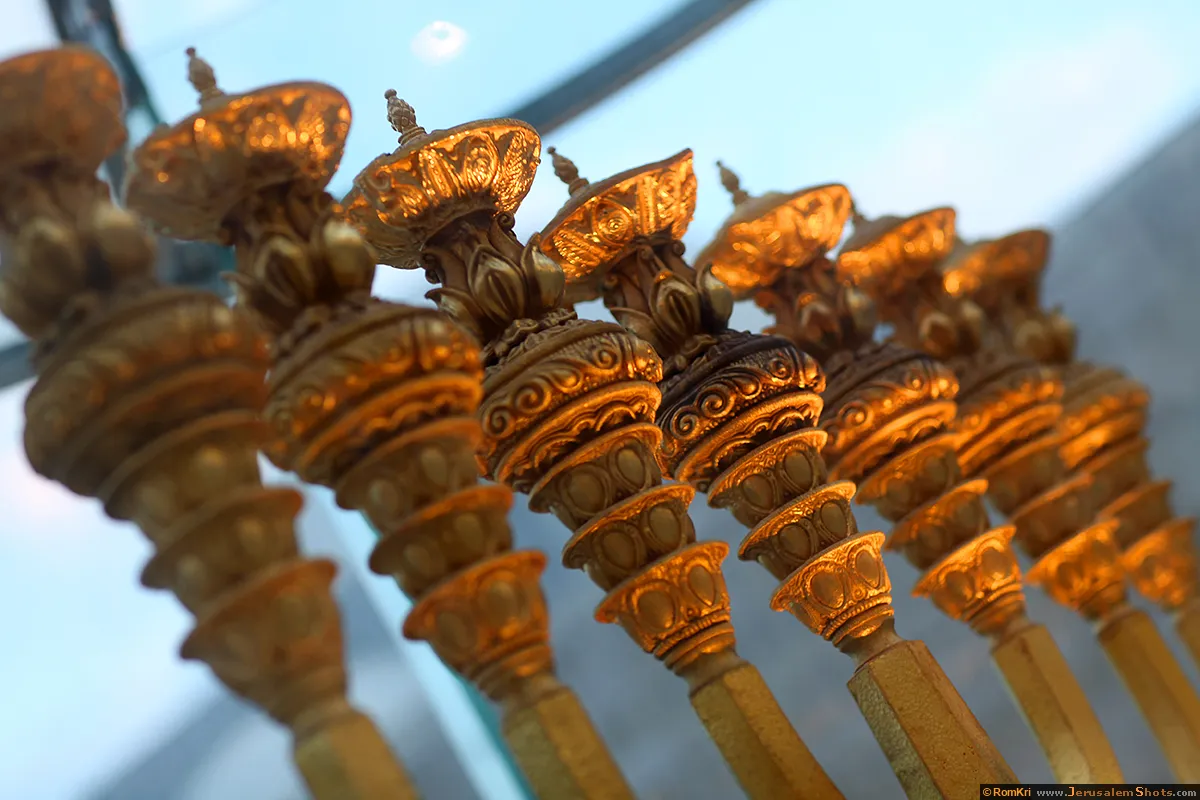
Jewish Quarter \ Chanukia reconstruction First Temple
 © RomKri
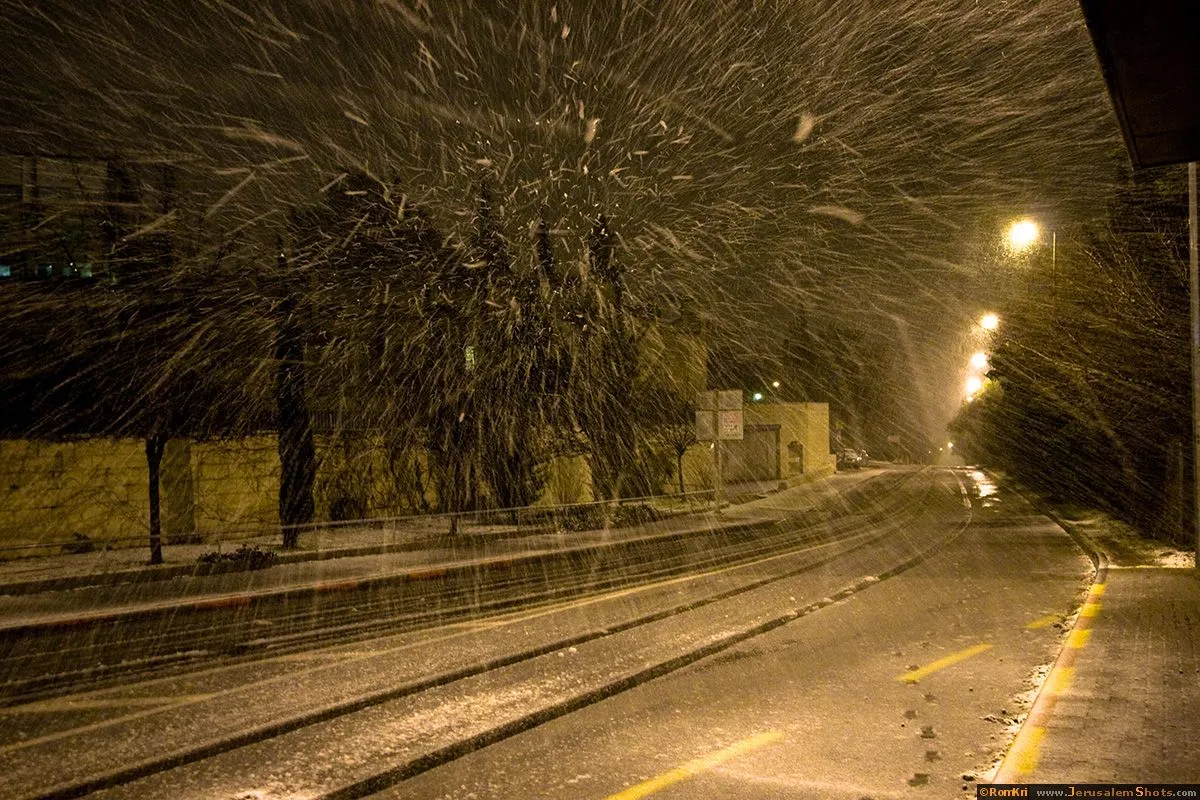
First snow at 2008

First snow at 2008

Jewish Quarter \ Chanukia reconstruction First Temple
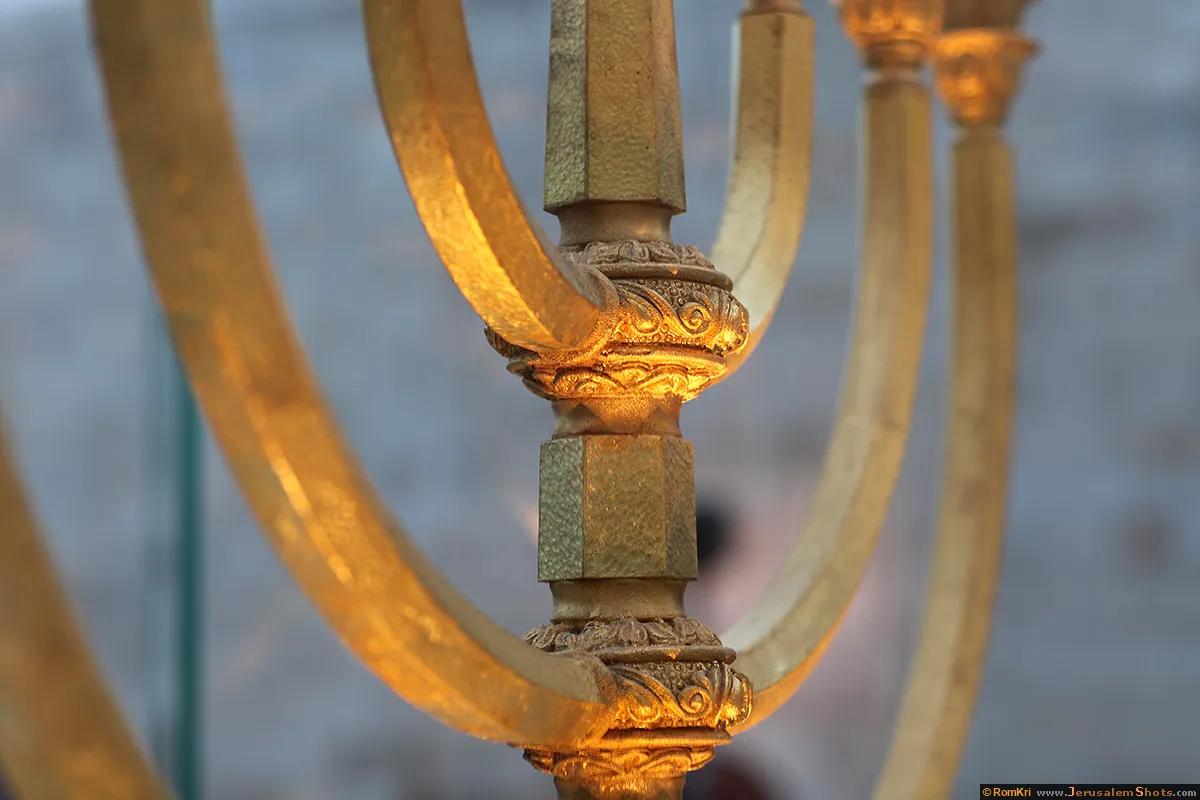
First snow at 2008

First snow at 2008

Jewish Quarter \ Chanukia reconstruction First Temple
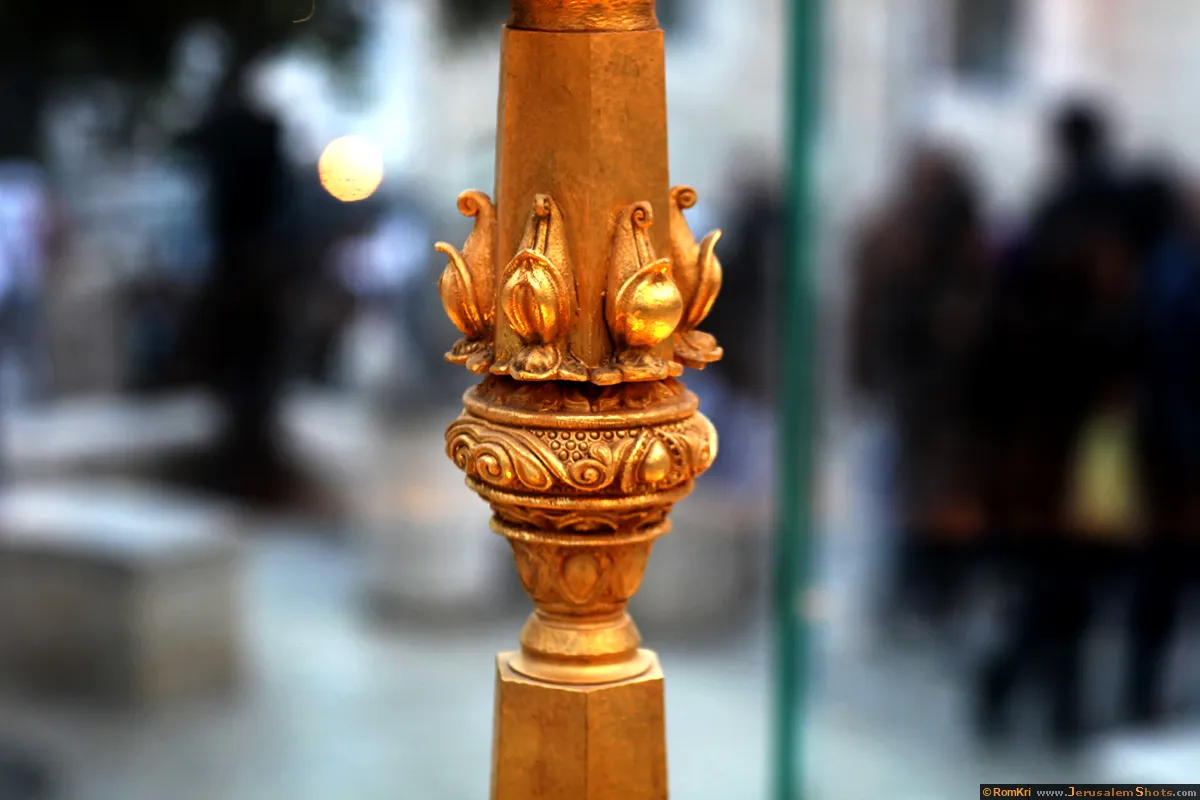
First snow at 2008
Tomb of Absalom
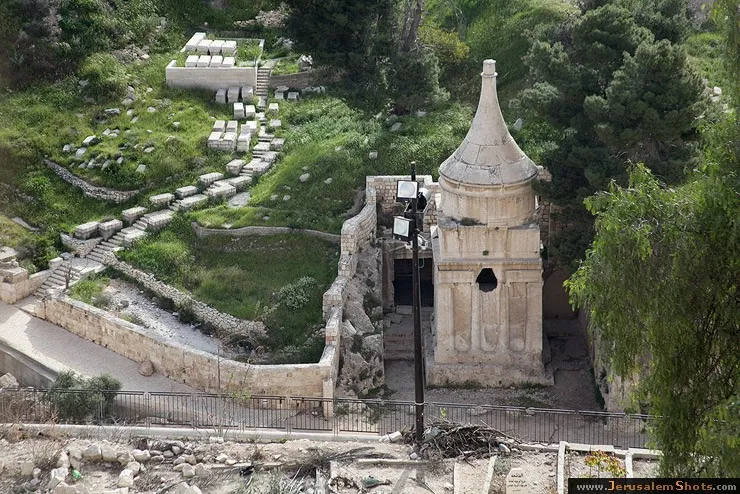
Tomb of Absalom (Hebrew: יד אבשלום, Transl. Yad Avshalom; literally Absalom´s Shrine), also called Absalom´s Pillar, is an ancient stone monument with a conical roof located in the Kidron Valley in Jerusalem, Israel. Although traditionally ascribed to Absalom, the rebellious son of King David of Israel (circa 1000 B.C.E.), recent scholarship has attributed it to the first century C.E.
(Wikipedia.org)
(Wikipedia.org)
First snow at 2008

Al Quds University, Jerusalem
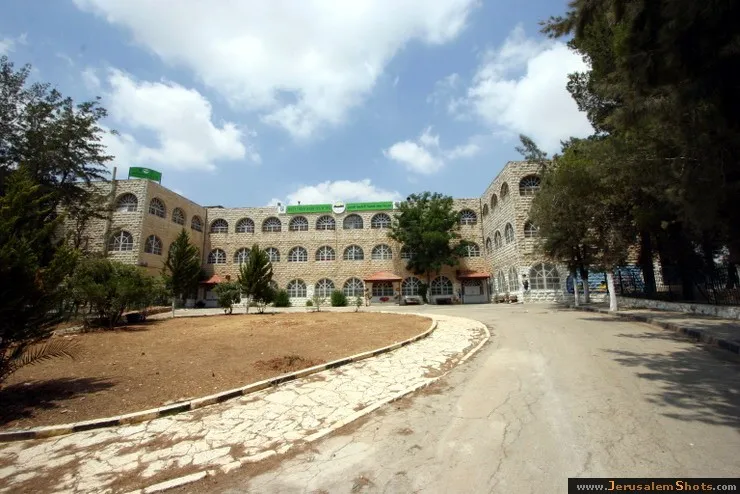
10.08.2009
Al-Quds University is a Palestinian University in Jerusalem. It was founded in 1984, but its official constitution was written in 1993 when Mohammed Nusseibeh, its first Chancellor and Chancellor of the College of Science and Technology, announced its formation.
Al-Quds University is a Palestinian University in Jerusalem. It was founded in 1984, but its official constitution was written in 1993 when Mohammed Nusseibeh, its first Chancellor and Chancellor of the College of Science and Technology, announced its formation.


 © Valery Dembitsky
Al Quds University, Jerusalem

10.08.2009
Al-Quds University is a Palestinian University in Jerusalem. It was founded in 1984, but its official constitution was written in 1993 when Mohammed Nusseibeh, its first Chancellor and Chancellor of the College of Science and Technology, announced its formation.
Al-Quds University is a Palestinian University in Jerusalem. It was founded in 1984, but its official constitution was written in 1993 when Mohammed Nusseibeh, its first Chancellor and Chancellor of the College of Science and Technology, announced its formation.
First view of Jerusalem from the south, between 1898 and 1914
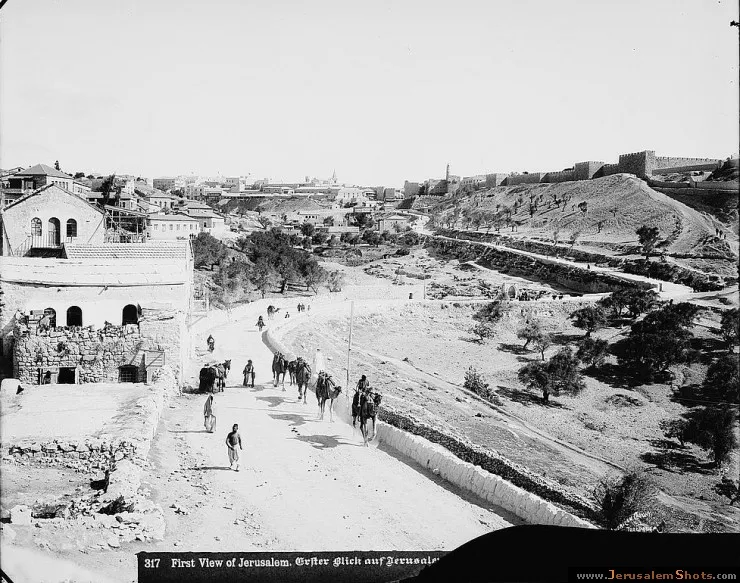
 © G. Eric and Edith Matson
First view of Jerusalem from the north
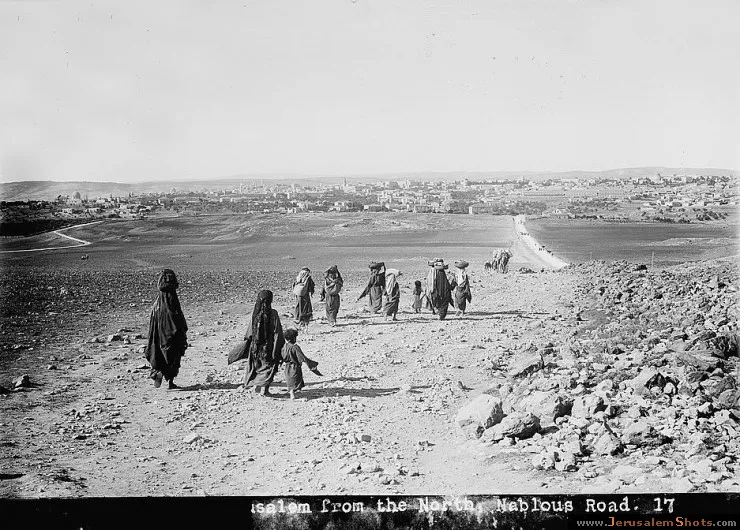
between 1898 and 1914
Jewish Quarter \ Chanukia reconstruction First Temple

The Ancient Synagogue
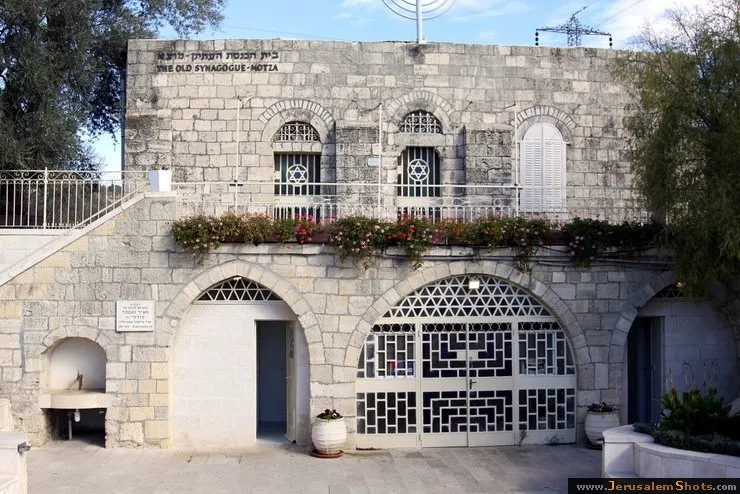
Motza is first mentioned in the Talmud (Tractate Succah) as the place where residents of Jerusalem used to cut their willow branches as one of the four species of fruits and plants required for the Festival of Sukkot.
Motza was rediscovered in 1860, when Shlomo Yecheskel and Yehoshua Yellin, residents of the Old City of Jerusalem, jointly acquired a plot of land in order to initiate and develop agriculture outside the walls of the Old City. Vineyards and trees were planted while using the local spring and well.
Motza was rediscovered in 1860, when Shlomo Yecheskel and Yehoshua Yellin, residents of the Old City of Jerusalem, jointly acquired a plot of land in order to initiate and develop agriculture outside the walls of the Old City. Vineyards and trees were planted while using the local spring and well.
Jerusalem (El-Kouds) 1907 and 1914
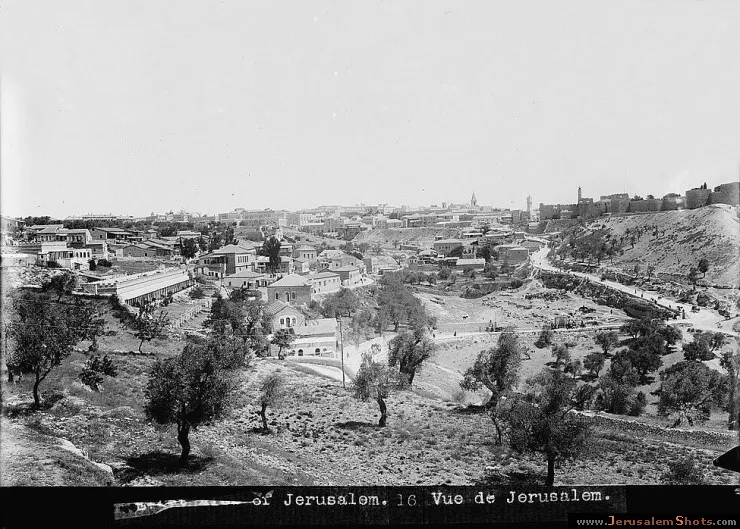
First view of Jerusalem from the south
Churbat Midras

November 1994
Jerusalem Area. Churbat Midras (Turkish mosques, medresse, inns and baths?). First The Seljukids, Artuqids and Zangids and later Mamluks and lastly Ottomans. But despite this nearly 850 years long rule the Turkish heritage and contribution is often overlooked and underestimated in the literature.
Jerusalem Area. Churbat Midras (Turkish mosques, medresse, inns and baths?). First The Seljukids, Artuqids and Zangids and later Mamluks and lastly Ottomans. But despite this nearly 850 years long rule the Turkish heritage and contribution is often overlooked and underestimated in the literature.
Al Quds University, Jerusalem
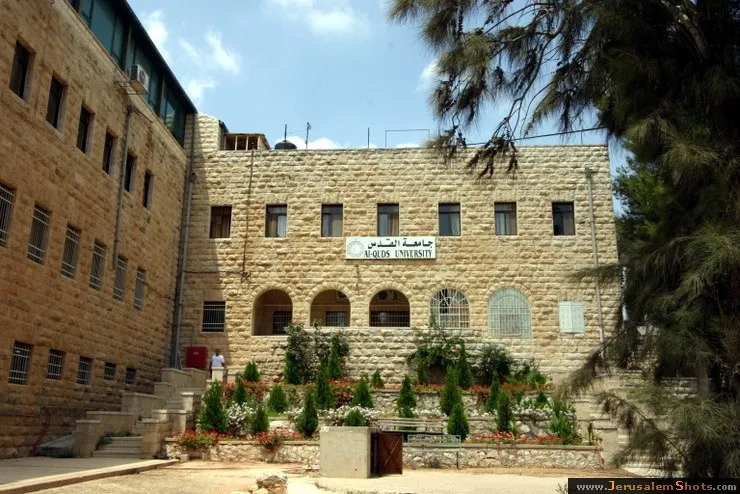
10.08.2009
Al-Quds University is a Palestinian University in Jerusalem. It was founded in 1984, but its official constitution was written in 1993 when Mohammed Nusseibeh, its first Chancellor and Chancellor of the College of Science and Technology, announced its formation.
Al-Quds University is a Palestinian University in Jerusalem. It was founded in 1984, but its official constitution was written in 1993 when Mohammed Nusseibeh, its first Chancellor and Chancellor of the College of Science and Technology, announced its formation.
Al Quds University, Jerusalem
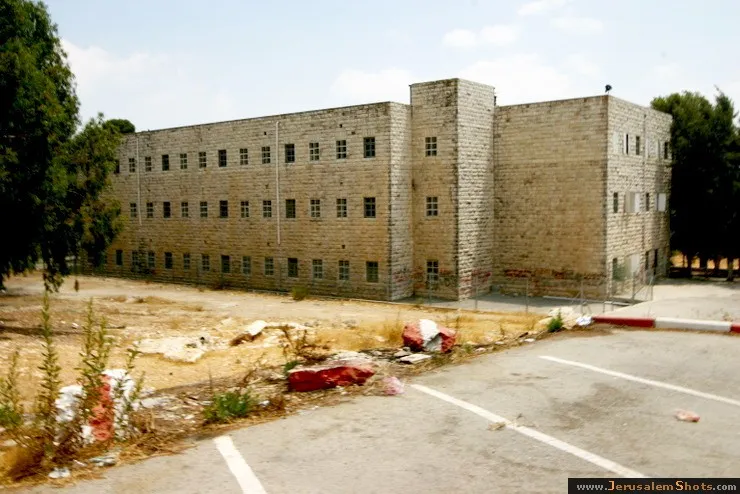
10.08.2009
Al-Quds University is a Palestinian University in Jerusalem. It was founded in 1984, but its official constitution was written in 1993 when Mohammed Nusseibeh, its first Chancellor and Chancellor of the College of Science and Technology, announced its formation.
Al-Quds University is a Palestinian University in Jerusalem. It was founded in 1984, but its official constitution was written in 1993 when Mohammed Nusseibeh, its first Chancellor and Chancellor of the College of Science and Technology, announced its formation.
Al Quds University, Jerusalem
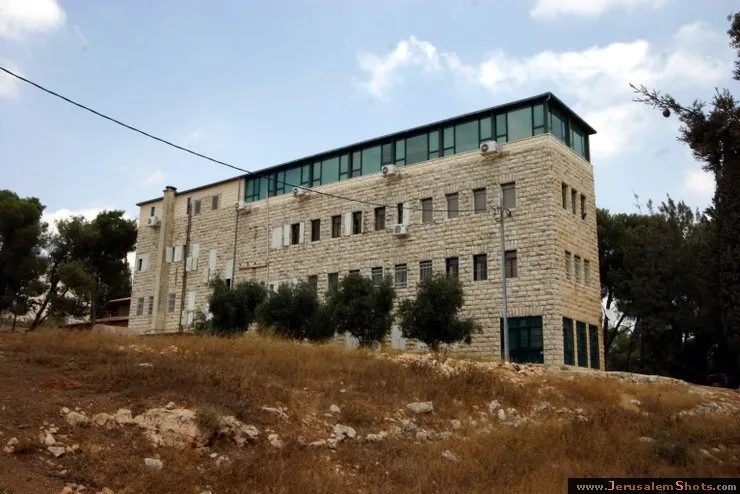
10.08.2009
Al-Quds University is a Palestinian University in Jerusalem. It was founded in 1984, but its official constitution was written in 1993 when Mohammed Nusseibeh, its first Chancellor and Chancellor of the College of Science and Technology, announced its formation.
Al-Quds University is a Palestinian University in Jerusalem. It was founded in 1984, but its official constitution was written in 1993 when Mohammed Nusseibeh, its first Chancellor and Chancellor of the College of Science and Technology, announced its formation.
Al Quds University, Jerusalem
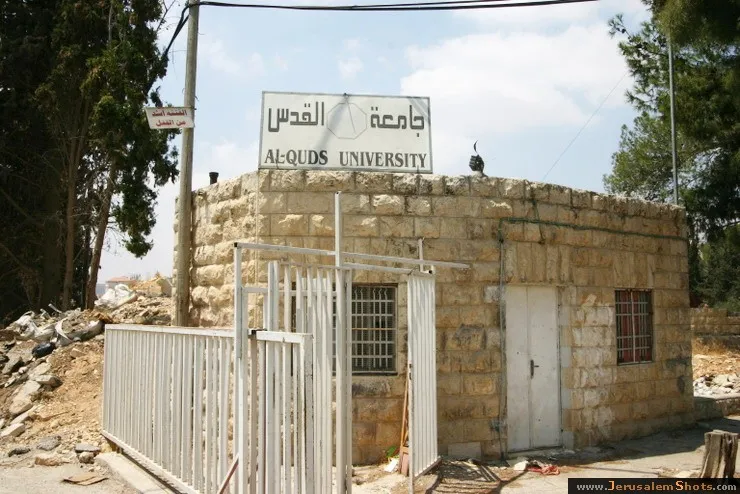
10.08.2009
Al-Quds University is a Palestinian University in Jerusalem. It was founded in 1984, but its official constitution was written in 1993 when Mohammed Nusseibeh, its first Chancellor and Chancellor of the College of Science and Technology, announced its formation.
Al-Quds University is a Palestinian University in Jerusalem. It was founded in 1984, but its official constitution was written in 1993 when Mohammed Nusseibeh, its first Chancellor and Chancellor of the College of Science and Technology, announced its formation.
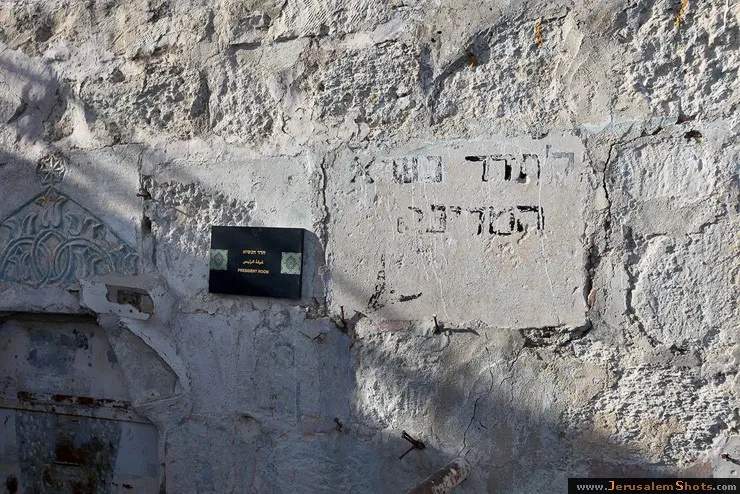
The first room of the President of Israel
Yitzhak and Leah Rabin's Grave, Mt. Herzl
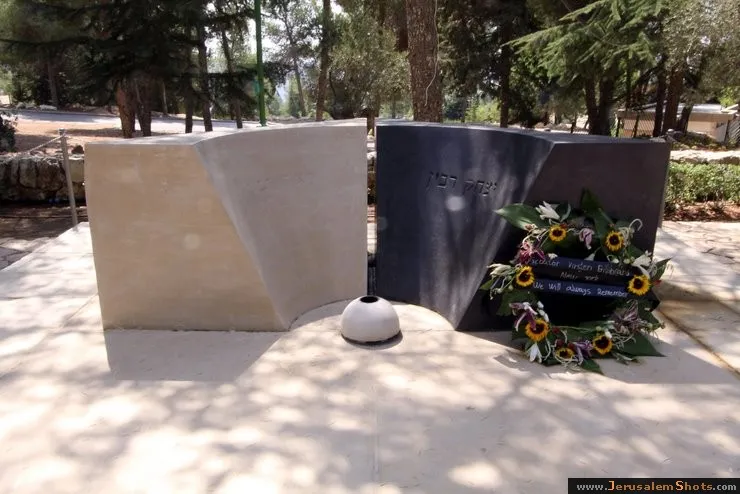
Fifth Israeli Prime Minister, he was assassinated by a right-wing Israeli, Yigal Amir, who opposed his government’s signing of the Oslo Accords with the Palestinians. He was the first Israeli-born Prime Minister, and the second to die in office. He was born in Jerusalem, in what was then the British Mandate of Palestine, of Russian-Jewish parents.
Menora of the First Temple

Winter
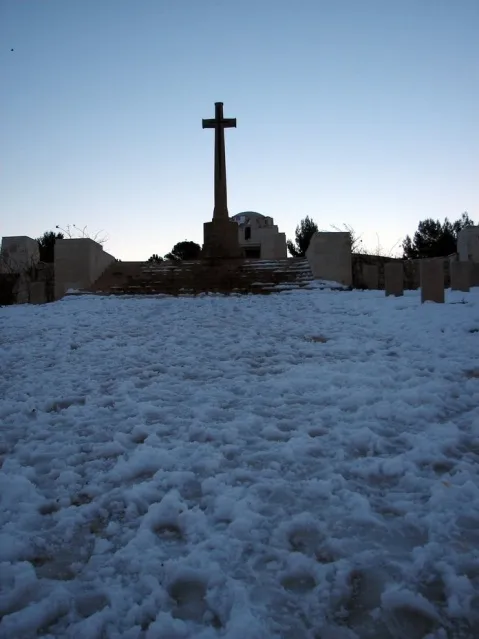
English military cemetery of times of the First world war.
Winter
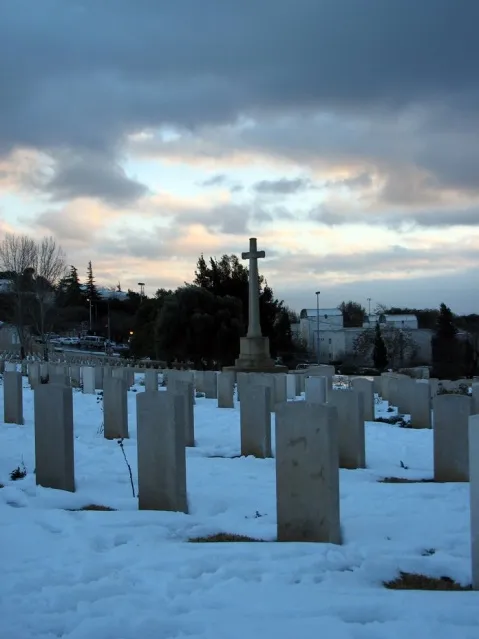
English military cemetery of times of the First world war.
Hebrew University, Givat Ram Campus
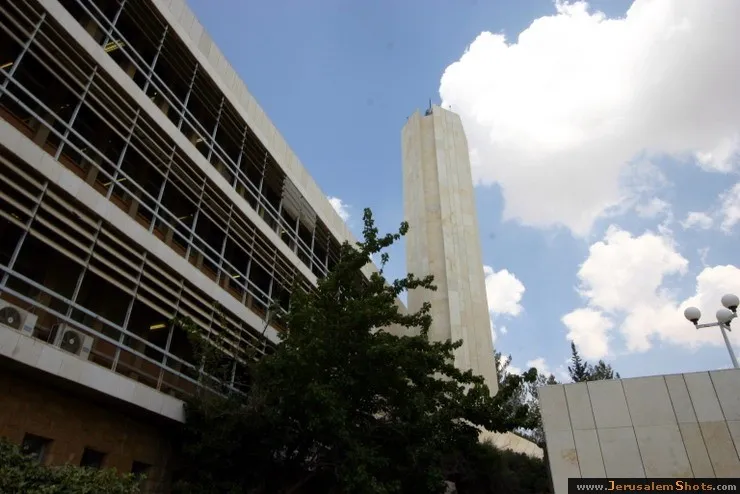
22 July 2009
The cornerstone for the university was laid in 1918, and, seven years later, on April 1, 1925, the Hebrew University campus on Mount Scopus of Jerusalem was opened at a gala ceremony attended by the leaders of the Jewish world, distinguished scholars and public figures, and British dignitaries, including Lord Arthur James Balfour, Viscount Allenby and Sir Herbert Samuel. The university´s first Chancellor was Judah Magnes.
The cornerstone for the university was laid in 1918, and, seven years later, on April 1, 1925, the Hebrew University campus on Mount Scopus of Jerusalem was opened at a gala ceremony attended by the leaders of the Jewish world, distinguished scholars and public figures, and British dignitaries, including Lord Arthur James Balfour, Viscount Allenby and Sir Herbert Samuel. The university´s first Chancellor was Judah Magnes.
Hebrew University, Givat Ram Campus
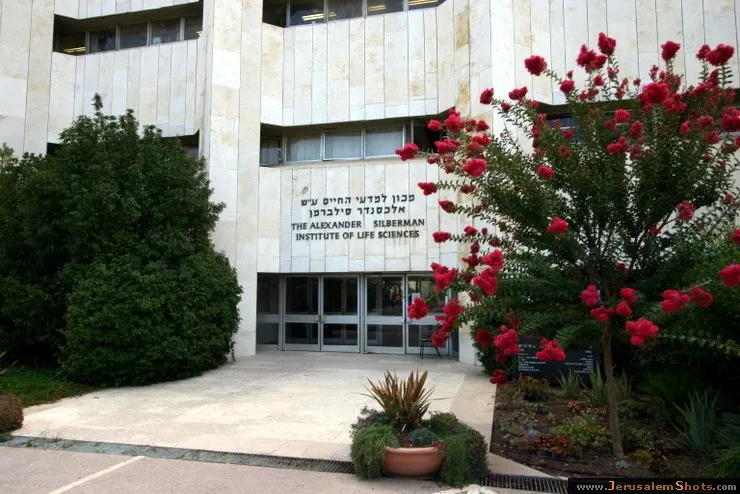
22 July 2009
The cornerstone for the university was laid in 1918, and, seven years later, on April 1, 1925, the Hebrew University campus on Mount Scopus of Jerusalem was opened at a gala ceremony attended by the leaders of the Jewish world, distinguished scholars and public figures, and British dignitaries, including Lord Arthur James Balfour, Viscount Allenby and Sir Herbert Samuel. The university´s first Chancellor was Judah Magnes.
The cornerstone for the university was laid in 1918, and, seven years later, on April 1, 1925, the Hebrew University campus on Mount Scopus of Jerusalem was opened at a gala ceremony attended by the leaders of the Jewish world, distinguished scholars and public figures, and British dignitaries, including Lord Arthur James Balfour, Viscount Allenby and Sir Herbert Samuel. The university´s first Chancellor was Judah Magnes.
Hebrew University, Givat Ram Campus
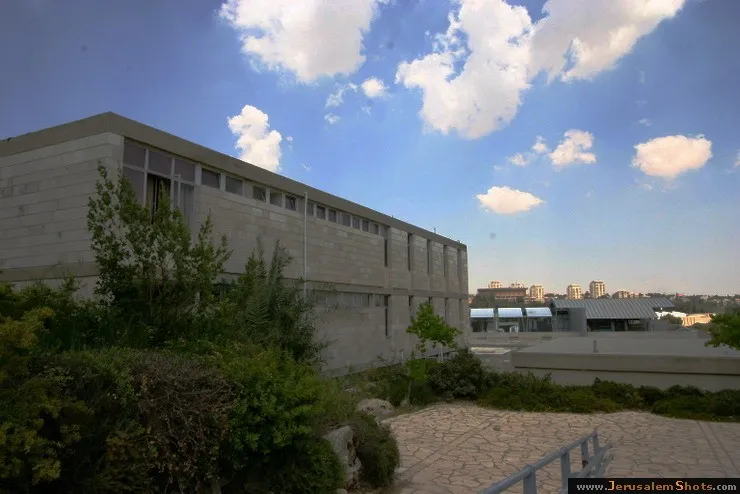
22 July 2009
The cornerstone for the university was laid in 1918, and, seven years later, on April 1, 1925, the Hebrew University campus on Mount Scopus of Jerusalem was opened at a gala ceremony attended by the leaders of the Jewish world, distinguished scholars and public figures, and British dignitaries, including Lord Arthur James Balfour, Viscount Allenby and Sir Herbert Samuel. The university´s first Chancellor was Judah Magnes.
The cornerstone for the university was laid in 1918, and, seven years later, on April 1, 1925, the Hebrew University campus on Mount Scopus of Jerusalem was opened at a gala ceremony attended by the leaders of the Jewish world, distinguished scholars and public figures, and British dignitaries, including Lord Arthur James Balfour, Viscount Allenby and Sir Herbert Samuel. The university´s first Chancellor was Judah Magnes.
Hebrew University, Givat Ram Campus
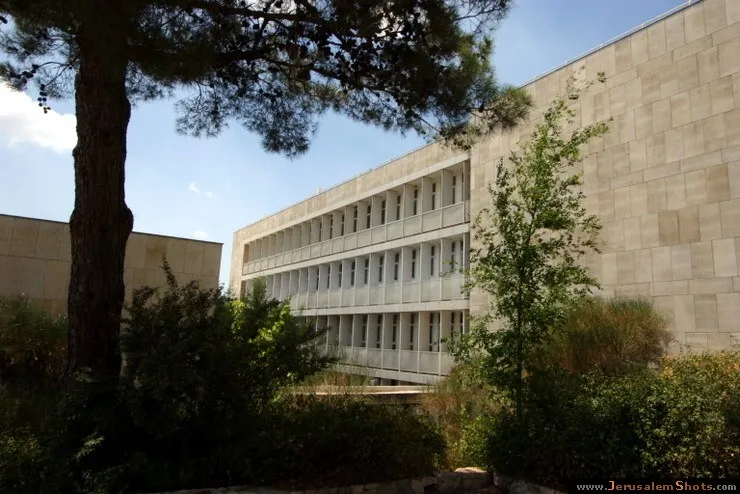
22 July 2009
The cornerstone for the university was laid in 1918, and, seven years later, on April 1, 1925, the Hebrew University campus on Mount Scopus of Jerusalem was opened at a gala ceremony attended by the leaders of the Jewish world, distinguished scholars and public figures, and British dignitaries, including Lord Arthur James Balfour, Viscount Allenby and Sir Herbert Samuel. The university´s first Chancellor was Judah Magnes.
The cornerstone for the university was laid in 1918, and, seven years later, on April 1, 1925, the Hebrew University campus on Mount Scopus of Jerusalem was opened at a gala ceremony attended by the leaders of the Jewish world, distinguished scholars and public figures, and British dignitaries, including Lord Arthur James Balfour, Viscount Allenby and Sir Herbert Samuel. The university´s first Chancellor was Judah Magnes.
Hebrew University, Givat Ram Campus

22 July 2009
The cornerstone for the university was laid in 1918, and, seven years later, on April 1, 1925, the Hebrew University campus on Mount Scopus of Jerusalem was opened at a gala ceremony attended by the leaders of the Jewish world, distinguished scholars and public figures, and British dignitaries, including Lord Arthur James Balfour, Viscount Allenby and Sir Herbert Samuel. The university´s first Chancellor was Judah Magnes.
The cornerstone for the university was laid in 1918, and, seven years later, on April 1, 1925, the Hebrew University campus on Mount Scopus of Jerusalem was opened at a gala ceremony attended by the leaders of the Jewish world, distinguished scholars and public figures, and British dignitaries, including Lord Arthur James Balfour, Viscount Allenby and Sir Herbert Samuel. The university´s first Chancellor was Judah Magnes.
Arthur Rubinstein

06.08.2009
Arthur Rubinstein (January 28, 1887 – December 20, 1982) was a Polish-born American pianist. He received international acclaim for his performances of the music of Frédéric Chopin, Johannes Brahms and his championing of the music of Spanish composers. He is widely considered one of the greatest pianists of the twentieth century. Rubinstein died in Geneva, Switzerland, on December 20, 1982, at the age of 95, and his body was cremated. On the first anniversary of his death, an urn holding his ashes was buried in Jerusalem — as specified in his will — in a dedicated plot now dubbed "Rubinstein Forest" overlooking the Jerusalem Forest.
Arthur Rubinstein (January 28, 1887 – December 20, 1982) was a Polish-born American pianist. He received international acclaim for his performances of the music of Frédéric Chopin, Johannes Brahms and his championing of the music of Spanish composers. He is widely considered one of the greatest pianists of the twentieth century. Rubinstein died in Geneva, Switzerland, on December 20, 1982, at the age of 95, and his body was cremated. On the first anniversary of his death, an urn holding his ashes was buried in Jerusalem — as specified in his will — in a dedicated plot now dubbed "Rubinstein Forest" overlooking the Jerusalem Forest.
Arthur Rubinstein
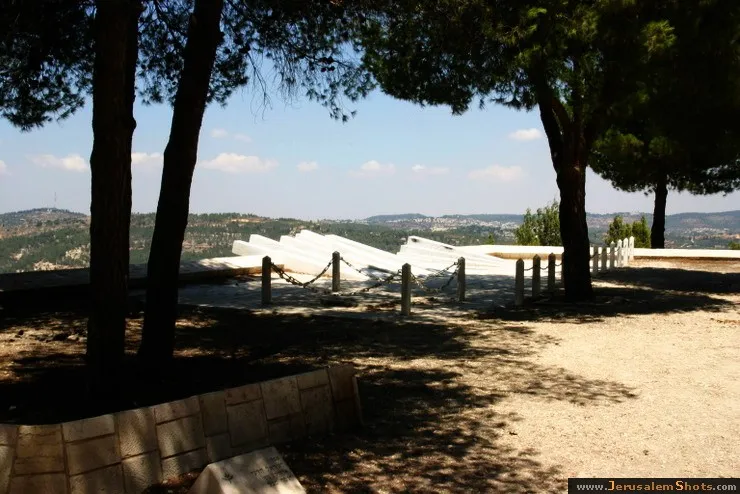
06.08.2009
Arthur Rubinstein (January 28, 1887 – December 20, 1982) was a Polish-born American pianist. He received international acclaim for his performances of the music of Frédéric Chopin, Johannes Brahms and his championing of the music of Spanish composers. He is widely considered one of the greatest pianists of the twentieth century. Rubinstein died in Geneva, Switzerland, on December 20, 1982, at the age of 95, and his body was cremated. On the first anniversary of his death, an urn holding his ashes was buried in Jerusalem — as specified in his will — in a dedicated plot now dubbed "Rubinstein Forest" overlooking the Jerusalem Forest.
Arthur Rubinstein (January 28, 1887 – December 20, 1982) was a Polish-born American pianist. He received international acclaim for his performances of the music of Frédéric Chopin, Johannes Brahms and his championing of the music of Spanish composers. He is widely considered one of the greatest pianists of the twentieth century. Rubinstein died in Geneva, Switzerland, on December 20, 1982, at the age of 95, and his body was cremated. On the first anniversary of his death, an urn holding his ashes was buried in Jerusalem — as specified in his will — in a dedicated plot now dubbed "Rubinstein Forest" overlooking the Jerusalem Forest.
Arthur Rubinstein
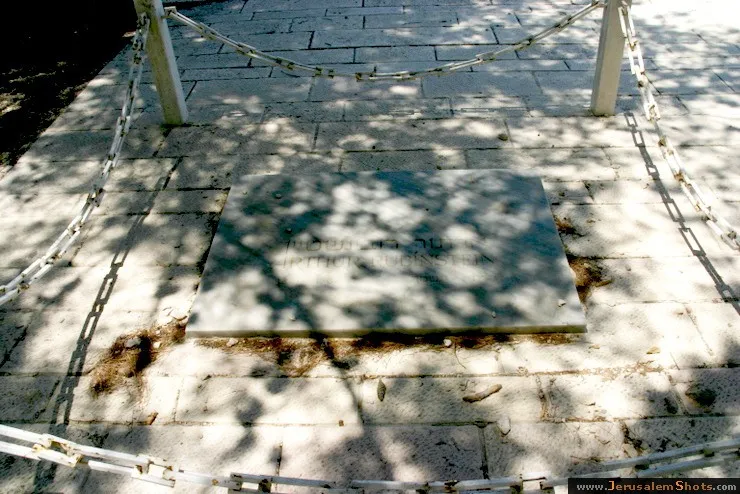
06.08.2009
Arthur Rubinstein (January 28, 1887 – December 20, 1982) was a Polish-born American pianist. He received international acclaim for his performances of the music of Frédéric Chopin, Johannes Brahms and his championing of the music of Spanish composers. He is widely considered one of the greatest pianists of the twentieth century. Rubinstein died in Geneva, Switzerland, on December 20, 1982, at the age of 95, and his body was cremated. On the first anniversary of his death, an urn holding his ashes was buried in Jerusalem — as specified in his will — in a dedicated plot now dubbed "Rubinstein Forest" overlooking the Jerusalem Forest.
Arthur Rubinstein (January 28, 1887 – December 20, 1982) was a Polish-born American pianist. He received international acclaim for his performances of the music of Frédéric Chopin, Johannes Brahms and his championing of the music of Spanish composers. He is widely considered one of the greatest pianists of the twentieth century. Rubinstein died in Geneva, Switzerland, on December 20, 1982, at the age of 95, and his body was cremated. On the first anniversary of his death, an urn holding his ashes was buried in Jerusalem — as specified in his will — in a dedicated plot now dubbed "Rubinstein Forest" overlooking the Jerusalem Forest.
Arthur Rubinstein

06.08.2009
Arthur Rubinstein (January 28, 1887 – December 20, 1982) was a Polish-born American pianist. He received international acclaim for his performances of the music of Frédéric Chopin, Johannes Brahms and his championing of the music of Spanish composers. He is widely considered one of the greatest pianists of the twentieth century. Rubinstein died in Geneva, Switzerland, on December 20, 1982, at the age of 95, and his body was cremated. On the first anniversary of his death, an urn holding his ashes was buried in Jerusalem — as specified in his will — in a dedicated plot now dubbed "Rubinstein Forest" overlooking the Jerusalem Forest.
Arthur Rubinstein (January 28, 1887 – December 20, 1982) was a Polish-born American pianist. He received international acclaim for his performances of the music of Frédéric Chopin, Johannes Brahms and his championing of the music of Spanish composers. He is widely considered one of the greatest pianists of the twentieth century. Rubinstein died in Geneva, Switzerland, on December 20, 1982, at the age of 95, and his body was cremated. On the first anniversary of his death, an urn holding his ashes was buried in Jerusalem — as specified in his will — in a dedicated plot now dubbed "Rubinstein Forest" overlooking the Jerusalem Forest.
Arthur Rubinstein

06.08.2009
Arthur Rubinstein (January 28, 1887 – December 20, 1982) was a Polish-born American pianist. He received international acclaim for his performances of the music of Frédéric Chopin, Johannes Brahms and his championing of the music of Spanish composers. He is widely considered one of the greatest pianists of the twentieth century. Rubinstein died in Geneva, Switzerland, on December 20, 1982, at the age of 95, and his body was cremated. On the first anniversary of his death, an urn holding his ashes was buried in Jerusalem — as specified in his will — in a dedicated plot now dubbed "Rubinstein Forest" overlooking the Jerusalem Forest.
Arthur Rubinstein (January 28, 1887 – December 20, 1982) was a Polish-born American pianist. He received international acclaim for his performances of the music of Frédéric Chopin, Johannes Brahms and his championing of the music of Spanish composers. He is widely considered one of the greatest pianists of the twentieth century. Rubinstein died in Geneva, Switzerland, on December 20, 1982, at the age of 95, and his body was cremated. On the first anniversary of his death, an urn holding his ashes was buried in Jerusalem — as specified in his will — in a dedicated plot now dubbed "Rubinstein Forest" overlooking the Jerusalem Forest.
Jewish Quarter \ Chanukia reconstruction First Temple

The Ancient Synagogue
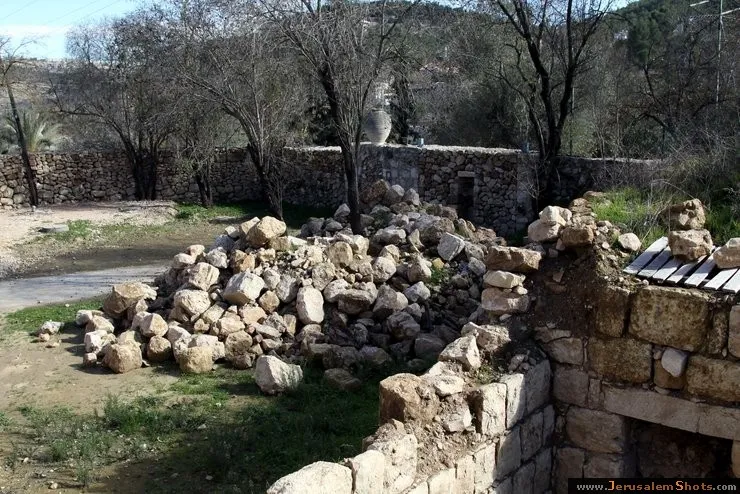
Motza is first mentioned in the Talmud (Tractate Succah) as the place where residents of Jerusalem used to cut their willow branches as one of the four species of fruits and plants required for the Festival of Sukkot.
Motza was rediscovered in 1860, when Shlomo Yecheskel and Yehoshua Yellin, residents of the Old City of Jerusalem, jointly acquired a plot of land in order to initiate and develop agriculture outside the walls of the Old City. Vineyards and trees were planted while using the local spring and well.
Motza was rediscovered in 1860, when Shlomo Yecheskel and Yehoshua Yellin, residents of the Old City of Jerusalem, jointly acquired a plot of land in order to initiate and develop agriculture outside the walls of the Old City. Vineyards and trees were planted while using the local spring and well.
The Ancient Synagogue
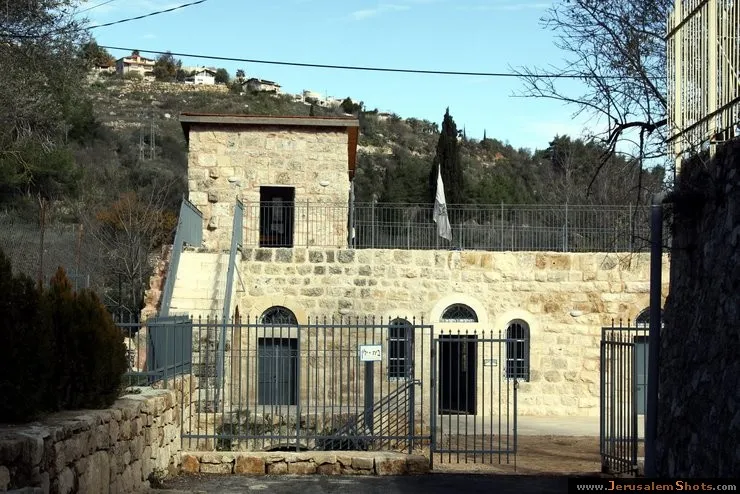
Motza is first mentioned in the Talmud (Tractate Succah) as the place where residents of Jerusalem used to cut their willow branches as one of the four species of fruits and plants required for the Festival of Sukkot.
Motza was rediscovered in 1860, when Shlomo Yecheskel and Yehoshua Yellin, residents of the Old City of Jerusalem, jointly acquired a plot of land in order to initiate and develop agriculture outside the walls of the Old City. Vineyards and trees were planted while using the local spring and well.
Motza was rediscovered in 1860, when Shlomo Yecheskel and Yehoshua Yellin, residents of the Old City of Jerusalem, jointly acquired a plot of land in order to initiate and develop agriculture outside the walls of the Old City. Vineyards and trees were planted while using the local spring and well.