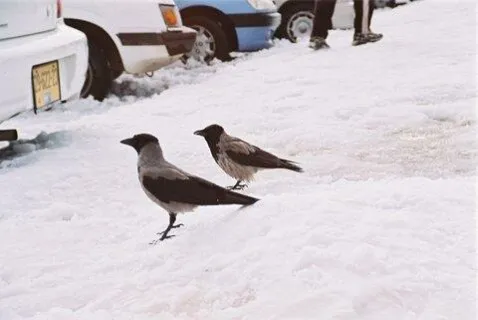
People \ Birds

 © RomKri
birds


 © SOBO Dan
Birds on the wall

 © Alex Mish
Hello from Jerusalem´s Zoo
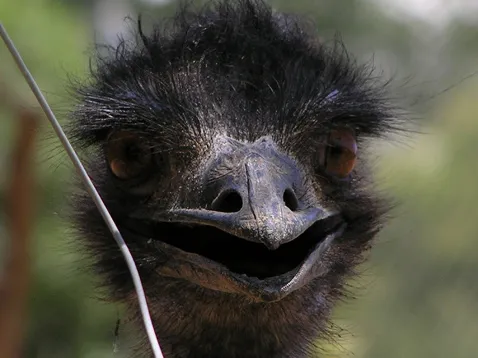
Emu
There are some ten species of ostrich-like birds in the world today. Four of these are represented in our zoo, but for the time being at least, the emu is the only one privileged to have an enclosure of its own. The emu (Dromaius novaehollandiae) can be found in a number of different habitats in Australia, ranging from woodlands to grassy plains. This species is omnivorous, and feeds on seeds, fruit, grasses, and insects. The female is typically polyandrous, that is, she mates with a number of males. However, she will then lay her eggs in the nest of one chosen male. The male is the one that incubates the eggs, and later cares for the chicks that hatch.
http://www.jerusalemzoo.org.il/english/upload/tour/emu.html
There are some ten species of ostrich-like birds in the world today. Four of these are represented in our zoo, but for the time being at least, the emu is the only one privileged to have an enclosure of its own. The emu (Dromaius novaehollandiae) can be found in a number of different habitats in Australia, ranging from woodlands to grassy plains. This species is omnivorous, and feeds on seeds, fruit, grasses, and insects. The female is typically polyandrous, that is, she mates with a number of males. However, she will then lay her eggs in the nest of one chosen male. The male is the one that incubates the eggs, and later cares for the chicks that hatch.
http://www.jerusalemzoo.org.il/english/upload/tour/emu.html
The Flamingo Pond

The David Lauffer Flamingo Pond is home to three flocks of flamingoes. The Caribbean flamingoes from Cuba are the most brightly coloured of the three. They are very close relatives of the Greater flamingoes, and are generally regarded as a race of the same species. Greater flamingoes (Phoenicopterus ruber) can be found in the Middle East, and occasionally appear in Israel's few remaining wetlands in winter. They have a much broader geographical range than the physically smaller Lesser flamingoes (Phoeniconaias minor), but both species reside in Africa and parts of Asia.
The striking coloration of these birds is the product of a diet rich in red pigments. In the wild, flamingoes eat large amounts of very small crustaceans to give them their rich colour. In captivity, the pink color is often enhanced by the addition of red-pigmented ingredients such as beets and carrots, as well as sweet paprika and other natural items, to give a bold and beautiful plumage.
http://www.jerusalemzoo.org.il/english/upload/tour/flamingo.html
The striking coloration of these birds is the product of a diet rich in red pigments. In the wild, flamingoes eat large amounts of very small crustaceans to give them their rich colour. In captivity, the pink color is often enhanced by the addition of red-pigmented ingredients such as beets and carrots, as well as sweet paprika and other natural items, to give a bold and beautiful plumage.
http://www.jerusalemzoo.org.il/english/upload/tour/flamingo.html
Flamingo

The David Lauffer Flamingo Pond is home to three flocks of flamingoes. The Caribbean flamingoes from Cuba are the most brightly coloured of the three. They are very close relatives of the Greater flamingoes, and are generally regarded as a race of the same species. Greater flamingoes (Phoenicopterus ruber) can be found in the Middle East, and occasionally appear in Israel's few remaining wetlands in winter. They have a much broader geographical range than the physically smaller Lesser flamingoes (Phoeniconaias minor), but both species reside in Africa and parts of Asia.
The striking coloration of these birds is the product of a diet rich in red pigments. In the wild, flamingoes eat large amounts of very small crustaceans to give them their rich colour. In captivity, the pink color is often enhanced by the addition of red-pigmented ingredients such as beets and carrots, as well as sweet paprika and other natural items, to give a bold and beautiful plumage.
http://www.jerusalemzoo.org.il/english/upload/tour/flamingo.html
The striking coloration of these birds is the product of a diet rich in red pigments. In the wild, flamingoes eat large amounts of very small crustaceans to give them their rich colour. In captivity, the pink color is often enhanced by the addition of red-pigmented ingredients such as beets and carrots, as well as sweet paprika and other natural items, to give a bold and beautiful plumage.
http://www.jerusalemzoo.org.il/english/upload/tour/flamingo.html
Jerusalem snow birds